
I remember the exact moment I realized something was off with my new Invisalign tray. I was sitting in my bathroom, trying to settle into bed, when I suddenly felt a sharp, uncomfortable sensation against my tongue. It was as if my tray had become a tiny, relentless blade. I almost panicked—there’s nothing quite like the surprise of a new dental aligner turning into an irritant rather than a helper.
What’s Really Going On When Your Invisalign Feels Wrong
Initially, I thought I had made a mistake—maybe I hadn’t put the tray in properly or I was imagining things. But after digging into the issue (and a bit of trial and error), I learned that it’s actually a common experience for many Invisalign wearers. The tray may feel like it’s digging into your tongue because the edges or corners haven’t been smoothed or contoured to fit your mouth comfortably. Sometimes, slight manufacturing imperfections or changes in your teeth’s positioning after each aligner can cause this discomfort.
Here’s the thing: Your mouth is super sensitive, and even tiny misalignments or rough edges can make the experience miserable. Many people don’t realize that something as simple as a small burr or rough edge on the tray could be the culprit. I made the mistake early on of ignoring these small imperfections, thinking they’d go away. Spoiler: they won’t. Neglecting this detail can lead to lasting discomfort and even minor sores that make wearing your aligners more of a chore than a step toward your perfect smile.
Today, I want to share how I tackled this problem head-on—and how you can too. Fixing this involves a couple of simple adjustments and knowing what to look for in your trays. It’s a game-changer, especially once you realize that most of these issues are easily fixable without a visit to your dentist every time. Plus, understanding this can save you from unnecessary frustration and keep your Invisalign journey on track.
Before we dive into the solutions, it’s worth noting that a common mistake many make is assuming the discomfort will resolve on its own or trying to tough it out. Trust me, that can lead to more irritation and even delays in your treatment. For a more detailed look at how Invisalign works and why it’s shaping the future of orthodontics, check out this insightful article.
Inspect Your Trays for Rough Edges and Imperfections
Start by examining your Invisalign trays in a well-lit mirror. Look for any sharp, jagged, or uneven edges, especially along the corners and borders where they contact your tongue and cheeks. Use a clean toothbrush or nail file to gently smooth out any rough spots. I once noticed a tiny burr on my lower tray, and after gently buffing it with a fine emery board, the discomfort disappeared within a day.
Identify Problematic Areas with Simple Tests
Gently run your finger along the edges of the tray. Any areas that feel sharp or raised may cause irritation. Alternatively, use a cotton swab to test for roughness—areas that feel scratchy will be the culprits. Address these spots promptly to prevent sores and improve comfort.
Adjust or Modify the Tray Safely
If you spot a rough edge, use a sterilized nail file or emery board to carefully smooth it down. Be cautious not to alter the tray’s shape or size significantly, as this could affect your treatment. Focus on creating a gentle, rounded edge that conforms smoothly to your gum line and cheeks. Remember, small adjustments can make a big difference in comfort.
Use Temporary Solutions to Reduce Immediate Discomfort
While waiting for your dental appointment or to prevent ongoing irritation, applying a small amount of dental wax over problematic edges can shield your soft tissues. Additionally, rinsing your mouth with warm salt water can help soothe any minor irritation caused by rough edges.
Communicate with Your Orthodontist or Dentist
If the discomfort persists despite smoothing the edges, reach out to your dental professional via this contact page. They can provide guidance, send you new trays if needed, or suggest alternative solutions like tray adjustments or attachments to improve fit.
Implement Long-Term Solutions for Better Fit
Ask your orthodontist about customizing the edges of your trays or switching to a different Invisalign aligner model designed for increased comfort. Techniques like adding minor modifications or using advanced materials can help ensure your trays seat perfectly without causing irritation.
Remember, maintaining good oral hygiene and being vigilant about tray fit are crucial. Regularly cleaning your trays and inspecting them can prevent rough edges from developing. For comprehensive tips on caring for your teeth and aligners, visit this guide.
Many patients believe that a quick brush and floss are enough to maintain optimal oral health, but this is a misconception rooted in oversimplified advice. In reality, understanding the nuances of professional dental care reveals overlooked complexities that can make a significant difference in your smile’s longevity. For example, over-reliance on routine cleaning without addressing underlying issues like biofilm buildup or enamel wear can lead to long-term problems, despite regular dentist visits. Dental professionals emphasize that proper cleaning techniques, combined with advanced treatments like guided biofilm therapy, offer superior results, yet many still underestimate their importance. Moreover, there’s a myth that Invisalign trays simply ‘wear out’ or ‘lose their grip,’ but advanced factors such as tray fit, material integrity, and patient maintenance play a concerted role in ensuring treatment efficacy. Skipping the details—like inspecting edges or following precise wear schedules—can cause setbacks in alignment progress. When it comes to cosmetic dentistry, a common mistake is assuming that veneers or whitening are purely surface-level solutions; in fact, their success depends on thoughtful application of materials like nano-resin bonding or bio-active glass that promote enamel health. Advanced practitioners often advocate for integrating these innovations, yet the misconception persists that cosmetic procedures are purely aesthetic without health benefits.
A critical trap to avoid is neglecting the subtle signals your mouth gives about underlying issues. For example, persistent sensitivity might seem minor but could mask enamel erosion or early decay. Experts warn that ignoring such signs worsens outcomes, emphasizing the need for personalized assessments rather than generic advice. Studies backed by leading dental research, such as those published in the Journal of Clinical Dentistry, show that combining professional treatments with tailored at-home care yields the best results. So, next time you visit your dentist, ask about the latest innovations—like oxygenated micro-bubbles during cleanings or nano-layered veneers—that can enhance your smile’s health and appearance.
Have you ever fallen into this trap? Let me know in the comments.
Equip Yourself with the Right Tools for Dental Care
Maintaining optimal oral health isn’t just about regular visits to your dentist; having the right tools at home can make a significant difference. I personally swear by a high-frequency electric toothbrush, like the Orion ProHealth series, because its oscillating-rotating action effectively reduces plaque and promotes gum health, especially when combined with a fluoride toothpaste. Additionally, a water flosser, such as the Waterpik WaterFloss, helps me reach areas traditional floss misses, ensuring thorough cleaning between teeth, which is crucial during Invisalign treatment to prevent debris buildup and maintain tray hygiene.
Why I Trust Advanced Dental Imaging Software
When it comes to tracking long-term progress, I rely on advanced dental imaging software like DentiView. It allows me to compare monthly scans of my teeth, spot minute shifts, and ensure everything is progressing as intended. This tech provides peace of mind, confirming that my treatment plan remains effective over time. Such tools are becoming more accessible and user-friendly, making it easier to stay proactive about dental health outside the dentist’s office.
Looking ahead, trends indicate an increasing integration of AI-driven diagnostics into personal dental care, which could personalize maintenance routines even further. Staying informed about these innovations can prepare you for a future where managing your dental health is more intuitive and efficient.
How do I keep my dental routines effective long-term?
The secret lies in consistency and using the right methods. Regularly inspecting your trays for rough edges and promptly smoothing them, as discussed earlier, prevents discomfort and mishaps. Incorporating advanced tools, like ultrasonic plaque removers, now gaining popularity in professional settings, and applying everyday maintenance techniques can extend the lifespan of your aligners and protect your teeth. Remember, a disciplined routine backed by reliable tools is the backbone of long-term dental wellness. For more insights on maintaining a comprehensive hygiene routine, check out this guide.
Make Your Maintenance Routine Stick
One practical tip is to set weekly reminders to inspect your aligners and oral appliances for any imperfections or buildup. Using a dedicated magnifying mirror helps detect issues early. Don’t forget to sterilize your tools regularly—my favorite is a UV toothbrush sanitizer, which ensures your brushes and flossers stay germ-free. These habits ensure your routine becomes second nature, reinforcing your oral health every day.
What about scaling insights for larger goals?
Scaling your dental care from daily routines to comprehensive treatment plans involves regular progress assessments and consultation with your dentist. Scheduling periodic check-ins allows for adjustments, whether it’s refining your Invisalign plan or adding cosmetic treatments like veneers. Embracing technological advancements, such as 3D oral scanners, can make these evaluations more precise and less invasive, setting you up for success over the long haul. Stay ahead by discussing these options with your dental professional and exploring innovative solutions like nano-resin bonding, which offers durable, minimally invasive corrections for aesthetic improvements.
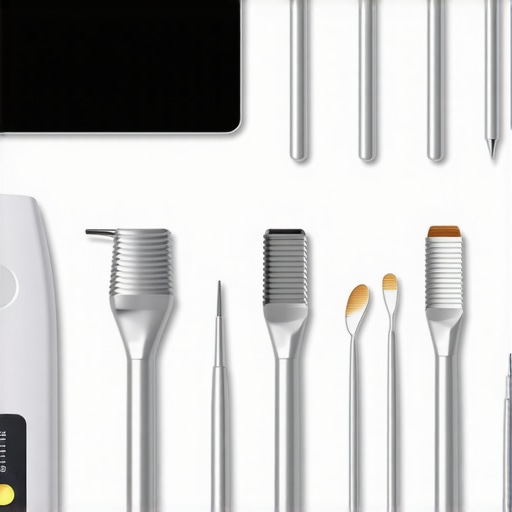
Consider investing in a professional-grade digital oral scanner, such as the Trios from 3Shape, which allows for at-home monitoring of major changes. This proactive approach will help you catch issues early, ensuring your investment in cosmetic or orthodontic treatments pays off in the long run.
If you want to optimize your routine and try out cutting-edge tools, start with a high-quality electric toothbrush combined with regular inspections of your aligners. Small, consistent actions today can lead to remarkable long-term results.
For further detailed strategies, visit this comprehensive article.
The Hidden Truths I Discovered About Invisalign Edges
One of the most eye-opening lessons I learned was how tiny imperfections on aligner edges can cause unexpected discomfort. Smoothing out rough spots not only improved my daily experience but also taught me the importance of vigilance—little details matter immensely in orthodontic treatments. This quiet adjustment, often overlooked, can mean the difference between a smooth journey and constant irritation.
Books and Tools That Made Me Smarter About Dental Care
My go-to resource has become this in-depth guide, which demystified the science behind cosmetic dentistry. Coupled with my trusted electric toothbrush and a high-quality water flosser, these tools have become essential allies in maintaining both comfort and oral health. Trust me, the right equipment empowers you to take charge of your smile’s future.
Embracing Proactive Dental Maintenance as a Mindset
The most profound discovery is realizing that consistent, proactive care transforms your experience. Regularly inspecting your aligners and being quick to address minor issues before they escalate saved me from needless discomfort. It’s about fostering a mindset where your daily routine becomes a chance to listen to your mouth’s signals and respond with kindness and diligence. Your future smile depends on the actions you take today.
If you’ve ever faced persistent irritation with your Invisalign trays or wondered whether a minor rough edge is worth addressing, share your experience below. Let’s learn from each other and keep our smiles shining bright!
Comments are closed.