
Ever had that moment during a routine teeth cleaning when the hygienist pauses, furrows her brow, and asks, “Do you notice your saliva feeling a bit thick lately?” I remember feeling caught off guard—like, “Is that normal?” But then I realized it’s more common than we think, especially among those trying to straighten their smile with options like Invisalign for adults. That thick, tacky sensation might seem trivial, but it can be a warning sign of bigger problems—like increasing cavities or other oral health issues. And let me tell you, ignoring it was one of my early mistakes, thinking it was just dehydration or dry mouth and nothing serious.
Why Your Saliva Gets Thick and Why It Matters
Saliva plays a crucial role in maintaining oral health. It helps neutralize acids, wash away food particles, and even aid in digestion. When it becomes thick or sticky, it can be a sign that your mouth’s natural defenses are compromised. This isn’t just about discomfort; it’s about increased risk for cavities and gum disease.
Is Thick Saliva Truly a Warning Sign or Just a Minor Issue?
Honestly, early on, I brushed off the thick saliva as dehydration or a side effect of my new diet. But research highlights that changes in saliva consistency can reflect underlying health issues, sometimes even hinting at nutritional deficiencies or bacterial overgrowth. If you’re noticing this, it might be time to pay closer attention rather than dismissing it as minor. For more insights on how routine teeth cleaning can help prevent bigger issues, consider visiting a trusted dental professional.
Now, you might be wondering how exactly this connects to cavities and what you can do about it. Well, that’s what we’ll explore next—simple, practical steps to get your saliva back on track and keep cavities at bay. So, have you experienced this thick saliva problem before? Let’s delve deeper to find out how to tackle it head-on.
Start with a Precise Oral Health Evaluation
Book an appointment with a trusted dentist specialized in cosmetic and general dentistry. During your visit, request a thorough assessment of your saliva quality, gum health, and potential underlying causes of thick saliva. A professional can identify issues such as bacterial overgrowth or nutritional gaps that contribute to saliva changes.
Implement Targeted Oral Hygiene Practices
Step 1: Use a Gentle, Effective Toothbrush
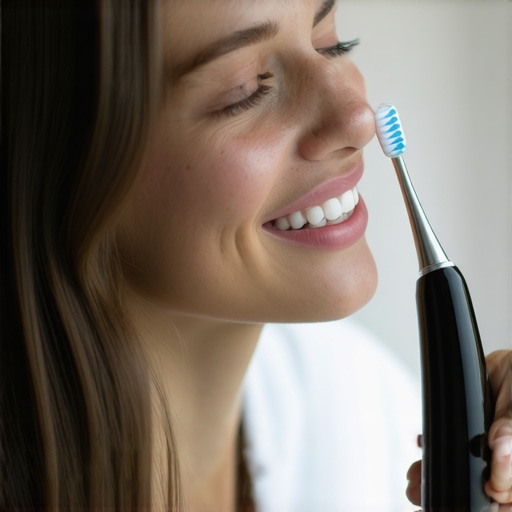
Switch to an electric toothbrush if you haven’t already. These devices remove plaque more efficiently and reduce irritation, especially if your gums are sensitive. Focus on brushing for at least two minutes, covering all teeth surfaces, including the gumline where thick saliva can trap debris.
Step 2: Choose the Right Toothpaste
Select a toothpaste formulated for dry or sensitive mouths, ideally containing fluoride to strengthen enamel. Avoid highly foaming or abrasive varieties that can worsen dryness or irritation. Remember, consistent use enhances protection against cavities and improves saliva flow indirectly.
Optimize Your Hydration and Diet
Ensure you’re drinking sufficient water throughout the day—aim for at least 8 glasses. Limit caffeine and alcohol, which can dehydrate your mouth further. Incorporate foods rich in omega-3, vitamin D, and calcium to support oral tissue health and saliva production. Hatch a habit of sipping water frequently, especially after meals, to rinse away food particles and bacteria.
Apply Saliva-Stimulating Techniques
Chewing sugar-free gum or sucking on lozenges containing xylitol can stimulate saliva glands. Personally, I started chewing a piece of mint gum during my afternoon break, which noticeably increased my saliva flow and diminished the thick sensation over a week. These methods mimic natural oral functions and help prevent cavities caused by dry mouths.
Utilize Professional Flossing and Cleanings
Engage in daily flossing with a comfortable, gentle floss or interdental brushes. During your regular teeth cleaning visits, ask your hygienist about techniques that minimize gum irritation and recommend products tailored for dry mouth conditions. Consistent professional care can address plaque buildup where thick saliva fails to wash away debris.
Explore Advanced Cosmetic Solutions
For ongoing issues affecting your saliva quality or esthetic concerns, consult a cosmetic dentist about possible treatments like custom mouth rinses or saliva substitutes. Modern cosmetic dentistry innovations can also improve your smile, making you more confident to maintain impeccable oral hygiene routines.
Monitor and Adjust Habits Regularly
Keep track of your saliva comfort levels, noting any changes or improvements. Adjust your hydration, diet, and hygiene practices accordingly. Remember, patience and consistency are key—sometimes, minor tweaks make a significant difference in restoring natural saliva flow and preventing cavities from developing.
By following these concrete steps, you actively enhance your saliva health and reduce your vulnerability to cavities, enabling a healthier, more vibrant smile that lasts.
 Many people believe that Invisalign is just a cosmetic fix, but the reality is more nuanced; it’s a precise orthodontic tool that requires understanding its limitations and best practices, as highlighted in expert analyses like those found in [invisalign guides](https://smilezdentist.com/the-ultimate-guide-to-invisalign-for-adults-in-2025). A common myth is that any dentist can handle cosmetic procedures, yet specialized training makes a significant difference; you can find tips on choosing the right professional [here](https://smilezdentist.com/finding-a-dentist-who-gets-your-smile-tips-from-top-cosmetic-pros). When it comes to teeth cleaning, many assume ‘more is better,’ but overzealous scaling can harm gums, stressing the importance of tailored approaches as discussed in [teeth cleaning myths](https://smilezdentist.com/teeth-cleaning-myths-debunked-by-top-dentists). Additionally, some think that whitening treatments are universally safe, but improper use can cause sensitivity or damage, which is why consulting informed professionals is crucial. An often-overlooked aspect is the advanced techniques available for gum health and enamel preservation; these innovations surpass traditional methods and are worth exploring for optimal results, as detailed in [cosmetic dentistry innovations](https://smilezdentist.com/enhance-your-look-cosmetic-dentistry-innovations-2025). It’s also a misconception that frequent whitening or aggressive cleaning will keep teeth brighter forever—however, understanding the biological limits and proper maintenance is essential for long-term success. Recognizing these subtleties can help prevent costly mistakes and preserve your oral health and aesthetics. Have you ever fallen into this trap? Let me know in the comments.
Maintaining a healthy, radiant smile isn’t just about the initial treatments; it hinges on the right tools and consistent habits. Personally, I swear by a high-quality electric toothbrush like the Phillips Sonicare DiamondClean. Its sonic technology generates up to 62,000 brush strokes per minute, effectively removing plaque deep between teeth and along the gumline where traditional brushes often fall short. Using it twice daily has transformed my oral hygiene routine. For precision cleaning, I incorporate flossers like the Waterpik Ultra Water Flosser, which uses pulsating water jets to dislodge debris from hard-to-reach areas, significantly reducing gum inflammation over time. This approach is especially beneficial after Invisalign treatment, as maintaining cleanliness around aligners requires thorough yet gentle cleaning methods. Looking ahead, innovations such as AI-powered toothbrushes are emerging, which analyze your brushing habits and provide real-time feedback, promising even better long-term results.
How do I keep my smile in top shape over time?
Regular professional cleanings remain essential, ideally every six months, to prevent plaque buildup and catch early signs of issues like enamel wear or gum disease. When selecting a dentist, ensure they are experienced in cosmetic procedures and stay updated on cutting-edge techniques—this can make a significant difference in your results. You can find trustworthy professionals by exploring expert tips on finding the right dentist. Additionally, integrating advanced tools like laser cavity detection measures can help identify issues before they escalate, reducing the need for invasive treatments later. Remember, the goal isn’t just to whiten or straighten but to sustain your oral health long-term. For ongoing care, consider tools like custom mouth rinses or saliva substitutes, which are discussed in latest cosmetic dentistry innovations. Consistency is key—pair these tools with diligent daily habits, such as gentle brushing with soft-bristled brushes and mindful diet choices, to keep your smile shining for years to come. And for a practical tip, why not start using a tongue scraper after brushing? Removing bacteria from the tongue can significantly reduce bad breath and bacterial load, supporting overall oral health and complementing your routine.
Lessons That Changed My Approach to Invisalign and Oral Care
One of the most eye-opening insights I gained was realizing that patience is paramount—successful Invisalign treatment isn’t just about the aligners but about consistent commitment over time. I also learned that trusting a specialist in cosmetic dentistry, rather than just any general dentist, can make or break your results and experience. Perhaps the biggest lightbulb moment was understanding that routine teeth cleaning isn’t solely about plaque removal but about personalized care tailored to your unique oral health needs. Lastly, I discovered that rapid fixes often lead to long-term setbacks; investing in quality tools and professional guidance creates a foundation for a smile that endures beyond quick results.
Tools and Resources That Shape My Dental Journey
One of my favorite tools is the Waterpik Ultra Water Flosser—its pulsating jets reach deep between teeth and around braces or aligners, making daily cleaning effective and effortless. I also swear by the guide The Ultimate Guide to Invisalign for Adults because it provides comprehensive insights beyond the basics, helping me make informed decisions. For staying updated with the latest in cosmetic dentistry innovations, this resource on recent advancements keeps me inspired. Lastly, I trust professional tips on teeth cleaning myths because debunking misconceptions has improved not just my routine but many others’ too.
Believe in Your Smile—Take Charge Today
The journey to a radiant, healthy smile is a personal one—loaded with learning, patience, and consistent effort. Remember, your oral health isn’t static; it’s an ongoing commitment that pays dividends in confidence and well-being. Don’t wait for problems to surface—take proactive steps now, from choosing the right dentist to adopting effective hygiene routines. Your future self will thank you for prioritizing your smile, because real change begins with a single, deliberate action today. So, what’s one small step you’re willing to commit to right now to improve your oral health? Let me know below, and let’s motivate each other toward brighter, healthier smiles.