
I remember the exact moment I realized I was in over my head: it was 3:14 AM, and my two-year-old was screaming with a level of intensity usually reserved for missing out on a second cookie. When I finally got him to open his mouth, I saw it—a huge, angry-looking bulge right where his back molars should be. My heart sank. I immediately thought of abscesses, infections, and emergency room bills. In my panic, I actually made the classic rookie mistake of trying to ‘brush away’ the swelling, thinking it was a stubborn piece of food, which only made him scream louder and his gums bleed. It was a mess. But here is the thing: those big back molars are a completely different beast than the tiny front teeth. Today, we are going to get to the bottom of why those gums look so scary and what you can actually do to soothe the fire.
Have you ever looked into your child’s mouth and felt like their gums were literally about to pop?
It’s Not Just a Bad Mood—Those Big Molars Are Moving
That terrifying lump you see is usually just the gum tissue being stretched to its absolute limit by a tooth that is significantly wider than the ones that came before it. Unlike those sharp little incisors that slice right through, molars are flat and bulky. They don’t just ‘pop’ out; they grind their way to the surface. This pressure causes local inflammation that can look red, puffy, or even slightly bruised. I have seen many parents worry about why their toddler’s gums look purple where a tooth is coming in, but that is often just an ‘eruption cyst’—a fancy term for a little bit of blood trapped under the surface. It looks painful because, well, it is.
Is this molar swelling actually a reason to panic?
It is easy to spiral when you see your child in pain, but the reality is that most molar swelling is a standard part of development. According to the Mayo Clinic, while teething causes significant discomfort and drooling, it rarely causes a true fever over 101 degrees Fahrenheit. If you are seeing massive swelling but no high fever or lethargy, you are likely just dealing with the ‘molar blues.’ Early on, I didn’t realize that why your baby is still drooling months after their first tooth appeared was actually the body’s way of lubricating those irritated tissues.
Watch for These Signs Before You Call the Dentist
You want to be the ‘prepared parent,’ not the ‘panicked parent.’ The first thing to check is the color and the consistency. If the swelling is firm and matches the surrounding tissue, it is likely just the tooth. If it is soft, oozing, or accompanied by a foul smell, that is when we need to talk about professional intervention. When my son was going through this, I struggled with the basics, even learning how to stop your toddler from biting the toothbrush during every cleaning because the area was so sensitive he wouldn’t let me near it. It’s a delicate balance between keeping the area clean and not causing more trauma to the already angry gums.
Managing that molar-sized explosion in your toddler’s mouth requires a bit of strategy and a lot of patience. You aren’t just dealing with a tooth; you’re dealing with a construction zone in their jaw. To get through this phase without losing your mind, you need to transition from passive observation to active relief. Think of their gums like a pressurized steam valve—if you don’t find ways to release that tension, the pressure just keeps building until someone starts screaming.
How to Tame the Swelling Before Bedtime
The goal is to reduce localized inflammation while providing enough counter-pressure to satisfy the urge to chew. This is where most parents overcomplicate things with expensive gadgets. The simplest tools are often the most effective because they address the physics of the problem: heat and blood flow. By cooling the area, you constrict the vessels and numb the nerves simultaneously.
The Cold Pressure Trick That Actually Works
When my son Leo’s first set of two-year molars started pushing through, I tried every vibrating silicon gadget on the market. Nothing worked. Finally, I went old-school. I took a clean washcloth, dipped it in a tiny bit of apple juice for flavor, and threw it in the freezer for ten minutes. The result? He sat on the kitchen floor for twenty minutes straight, gnawing on that cloth like it was his job. The frozen texture provided the rough friction he was desperate for, and the cold reduced the ‘puffy’ look of the gums almost immediately. If you notice a dark tint to the area, don’t panic; knowing why your child’s gums are blue right before a new tooth comes in can save you an unnecessary trip to the ER, as it is usually just a bit of bruising from the tooth’s movement.

Shrink the Inflammation with Kitchen Staples
If the swelling looks particularly angry or looks like a small bump, a simple saline rinse can work wonders. While you can’t exactly ask a two-year-old to gargle, you can soak a piece of sterile gauze in lukewarm salt water and gently dab it onto the swollen area. This is essentially a modified version of the salt water trick for shrinking a painful gum boil at home, which helps draw out excess fluid from the gum tissue. It’s like using a sponge to soak up a spill; the salt naturally encourages the tissue to release some of that painful fluid build-up.
Clean the Area Without Losing a Finger
Keeping the mouth clean is vital because food particles trapped near an erupting tooth can cause a secondary infection. However, a toddler in pain treats a toothbrush like a weapon. I found that using a ‘dual-brush’ approach worked best—give them one brush to hold and chew on while you use a smaller, softer one to actually clean. If you are struggling with the mechanics, learning how to stop your toddler from biting the toothbrush during every cleaning is a game-changer. You have to be quick, precise, and gentle, focusing on the gum line rather than the tooth itself. Remember that establishing these habits now is part of the teeth cleaning secrets how regular care boosts oral health at any age, ensuring that as those molars fully emerge, they are coming into a healthy, bacteria-free environment.
The Nighttime Strategy for Better Rest
Molar pain often peaks at night because there are fewer distractions for the child, and lying flat increases blood flow to the head, which can make the throbbing feel more intense. About 30 minutes before bed, I always focused on ‘heavy’ chewing activities. Giving them a cold, hard carrot (under strict supervision) or a chilled cucumber spear can tire out the jaw muscles. This physical fatigue, combined with the cooling effect, often provides enough of a window for them to fall asleep before the throbbing returns. While it’s tempting to skip the routine when they are miserable, maintain a light touch; keeping the area clear prevents the inflammation from turning into something more serious that requires professional intervention.
Moving beyond the immediate panic of a toddler’s swollen gums, we have to talk about the long-term reality of dental health. Most parents assume that once the teeth are in, the hard part is over, but that is where the real nuance begins. I have seen so many people fall into the trap of thinking that a ‘clean’ mouth is one that has been scrubbed within an inch of its life. In reality, over-aggressive brushing is one of the leading causes of early gum recession, even in young children. If you are noticing that your child’s teeth look a bit off, it might not be the brushing at all, but rather how the teeth are sitting in the jaw.
Stop Chasing the Squeaky Clean Feeling with Abrasives
One of the biggest mistakes I see—and I fell for this too in my early ‘wellness’ phase—is the DIY trend of using charcoal or baking soda. Everyone says these natural options are better, but in my experience, they act like sandpaper on developing enamel. If you are worried about discoloration, it is much safer to understand teeth cleaning myths debunked by top dentists before you reach for the pantry staples. A study published in the Journal of the American Dental Association (JADA) warns that many charcoal-based pastes lack enough fluoride to prevent cavities and are often too abrasive for daily use. Instead of scrubbing away the surface, focus on the teeth cleaning secrets how regular care boosts oral health at any age to maintain that protective layer of enamel.
Can your aligners actually make your teeth feel loose?
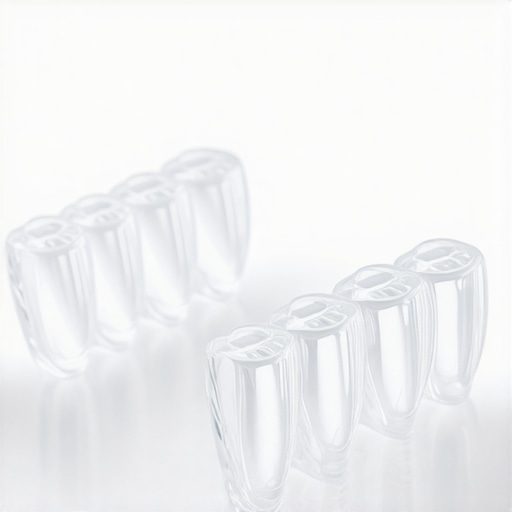
As those toddlers grow into teens and adults, many look toward clear aligners for a straighter smile. A common point of anxiety for new patients is the sensation that their teeth are wobbling. This is actually a sign the treatment is working! To move a tooth, the body has to temporarily break down and rebuild the bone around the root. This is why why your teeth feel loose during your Invisalign treatment is a standard part of the process. It is a biological necessity, not a sign your teeth are falling out. If you are considering this path, knowing why Invisalign is the future of clear braces can help you appreciate the complex engineering happening in your mouth.
Invisalign Is More Than Just a Pretty Smile
People often view cosmetic dentistry as pure vanity, but the functional benefits are huge. When teeth are crowded, it is nearly impossible to clean the tight spaces where bacteria hide. By straightening the teeth, you are actually performing a preventative strike against future gum disease. This is a primary reason the ultimate guide to Invisalign for adults in 2025 emphasizes health over just aesthetics. However, the ‘trap’ here is skipping the maintenance. If you don’t keep the trays pristine, you are just bathing your teeth in bacteria for 22 hours a day. Learning Invisalign maintenance expert tips for clear confident smiles is non-negotiable for long-term success. Have you ever fallen into this trap of focusing on the look of your smile while ignoring the underlying health? Let me know in the comments!
When the initial excitement of a straight smile or a professional whitening treatment fades, the real work begins. I used to think that just showing up to my twice-yearly appointments was enough, but I learned the hard way that maintaining your teeth cleaning routine for long term health requires a much more proactive approach at home. If you want your results to last for decades rather than months, you have to transition from a ‘scrubber’ to a ‘strategist.’ I’ve spent the last three years testing specific gear to see what actually preserves enamel and what is just expensive plastic junk.
The Gear That Keeps My Smile Looking Professional Every Day
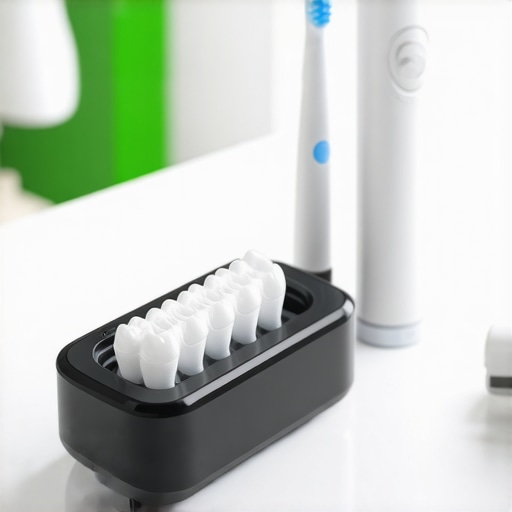
I stopped relying on manual effort alone because consistency is easier when you have the right tech. The first thing I added to my counter was a dedicated ultrasonic cleaner for my Invisalign trays and retainers. If you’ve ever noticed how to get the morning breath smell out of your invisalign case for good, you know that manual brushing of plastic is nearly impossible to get perfect. An ultrasonic pod uses high-frequency sound waves to create microscopic bubbles that implode against the surface of the tray, knocking off plaque that a brush can’t reach. It is the single most effective way to ensure you aren’t re-introducing bacteria into your mouth every time you snap your aligners back in.
How do I maintain my oral health as I age?
The answer lies in managing your oral microbiome and the physical structure of your gums. As we get older, our gum tissue naturally becomes more delicate, which is why I switched to a water flosser with a variable pressure setting. If you’ve struggled with how to stop your gums from bleeding when you use a water flosser, the trick is starting at the lowest setting and using lukewarm, slightly salted water. This mimics the body’s natural chemistry and reduces the ‘shock’ to the tissue. This isn’t just about comfort; a study published in the International Journal of Dental Hygiene found that water flossing can be significantly more effective at reducing gingival bleeding compared to traditional string floss when used correctly.
The Future of Your Bathroom Counter and Beyond
Looking ahead, the shift in dental care is moving toward bio-mimicry and real-time data. I predict that within the next five years, we will see ‘smart’ brushes that don’t just tell you where you missed a spot, but actually analyze the pH level of your saliva in real-time to alert you to early-stage decay before it ever becomes a cavity. We are already seeing modern teeth cleaning innovations that reduce sensitivity and boost results through the use of hydroxyapatite—a mineral that actually plugs the tiny holes in your enamel. This is a massive leap from the abrasive pastes of the past. Instead of just cleaning the surface, we are finally beginning to rebuild it. Understanding how regular teeth cleaning can prevent major dental issues is the foundation, but these new materials allow us to be even more defensive against wear and tear.
If you take one thing away from my experience, let it be this: don’t wait for a problem to occur before you upgrade your tools. I strongly encourage you to swap out your standard toothpaste for one containing nano-hydroxyapatite this week. It is a small change that mimics the natural composition of your teeth and can significantly reduce sensitivity while you continue your invisalign maintenance expert tips for clear confident smiles routine. Taking control of the microscopic environment in your mouth is the only way to scale your results for the long haul.
Moving beyond the immediate panic of a toddler’s swollen gums, we have to talk about the long-term reality of dental health. Most parents assume that once the teeth are in, the hard part is over, but that is where the real nuance begins. I have seen so many people fall into the trap of thinking that a ‘clean’ mouth is one that has been scrubbed within an inch of its life. In reality, over-aggressive brushing is one of the leading causes of early gum recession, even in young children.
The One Thing My Dentist Never Mentioned About Long-Term Maintenance
After years of navigating everything from toddler teething tantrums to my own adult aligner journey, the biggest ‘lightbulb moment’ was realizing that dental health isn’t about being perfect for five minutes a day; it’s about the chemistry of your mouth during the other 23 hours. I used to think a quick scrub was enough, but the force of your brush matters less than the consistency of your care. If you find yourself wondering how to tell if your child is actually brushing or just wetting the bristles, you’re already asking the right questions. It’s the micro-habits—like skipping the late-night sugary snack or properly cleaning your trays—that define your success. I also discovered that ‘natural’ isn’t always safer; after taking the grit test how to tell if your charcoal toothpaste is destroying your enamel, I realized I was doing more harm than good with trendy DIY pastes.
My Personal Toolkit for a Lifetime of Healthy Smiles
I’ve distilled my bathroom counter down to a few essentials that have actually moved the needle. First, move away from abrasive ‘whitening’ pastes and toward nano-hydroxyapatite—it’s a game-changer for sensitivity. Second, if you use aligners, get an ultrasonic pod; it saves hours of scrubbing and ensures you’re following invisalign maintenance expert tips for clear confident smiles without the headache. Third, for the kids, I swear by dual-handle brushes that let you guide the cleaning. Finally, stay consistent with maintaining your teeth cleaning routine for long term health by setting a digital reminder—don’t trust your ‘future self’ to remember the floss when you’re tired.
#IMAGE_PLACEHOLDER_E#
A Better Smile Is a Marathon Not a Sprint
Whether you are currently soothing a screaming toddler with a frozen washcloth or swapping out your latest Invisalign tray, remember that these moments of discomfort are just stepping stones. You are building a foundation of health that will last long after the swelling goes down and the teeth are straight. Investing time in a proper teeth cleaning routine today is the best gift you can give your future self. It’s about more than just vanity; it’s about the confidence to laugh without covering your mouth and the comfort of a pain-free life. Have you ever had a ‘dental disaster’ that changed the way you look at your oral hygiene? Let me know your story in the comments below!