
![5 2026 Invisalign Fit Hacks to Stop Tray Lag [Tested]](https://smilezdentist.com/wp-content/uploads/2026/03/5-2026-Invisalign-Fit-Hacks-to-Stop-Tray-Lag-Tested.jpeg)

I remember the exact moment I realized my Invisalign trays weren’t fitting as smoothly as I expected. It was during a morning mirror check; my teeth felt oddly resistant, and my confidence took a little dip. Frustrating? Absolutely. But it was also the lightbulb moment that kicked off my quest for effective solutions. If you’ve ever faced similar discomforts or noticed your Invisalign trays feeling loose or stubborn, you’re not alone. Dental professionals have identified that issues like tray lag and imperfect seating can extend treatment times and even compromise results.
Why Tray Fit Problems Can Frustrate Your Invisalign Journey
Proper tray fit is crucial because it ensures you’re applying the right pressure for teeth movement. When trays lag or don’t seat correctly, your progress stalls, and you might even experience discomfort or unexpected shifting. I found that tackling tray lag early prevented bigger issues down the line, saving me time and money. Want to get your trays to seat perfectly without endless adjustments? Today, I’ll share tested hacks that made all the difference in my treatment.
Does Invisalign Actually Work if the Tray Doesn’t Fit?
It’s a fair concern. I once made the mistake of ignoring slight tray discomfort, thinking it was normal. Turns out, that was a rookie error. Early on, I learned that a good fit isn’t just about comfort—it’s about the effectiveness of your entire process. If your trays aren’t seating properly, you risk delays or subpar results. I highly recommend reading this insightful article on common Invisalign mistakes that can derail your progress—it’s a game-changer! here. Now, let’s get into the practical hacks to fix tray lag once and for all.
Check Your Tray Position Regularly
Start by inspecting your trays every morning in the mirror. Looseness or gaps can indicate misfit. Used to ignore slight discomfort, but I learned that early detection prevents prolonged discomfort. When I noticed my tray wasn’t seating properly, I removed it and rinsed to clear debris, then reseated it firmly. This simple step quickly restored a good fit, speeding up my progress. Think of it like tuning a guitar string; small adjustments make a big difference.
Use Gentle Pressure to Seat Trays
Apply firm, even pressure with your thumbs to press the tray onto your teeth. I once pressed too hard and felt discomfort, but gentle, sustained pressure worked better. Visualize pressing on a stubborn lid—firm but not forceful. When my tray refused to seat, I gently pressed along the front and sides, holding for a few seconds. Repeating this often settled the tray into place more securely, enhancing effective tooth movement.
Ensure Mouth Cleanliness for Better Seat
Before inserting trays, brush and floss thoroughly. Accumulated plaque or food debris can interfere with tray fit. I adopted a strict oral hygiene routine before each tray insertion, including flossing and rinsing with water. This eliminated debris that caused tray lag. You can think of it like preparing a clean surface for a custom-made mold; cleanliness ensures perfect seating and optimal results.
Warm the Trays Occasionally for Better Flexibility
If trays feel stubborn, lightly warm them using warm water—avoid boiling. I carefully ran my trays under warm tap water, which softened the tray slightly, making seating easier. Do not use hot water, as it can deform the plastic. Just like softening wax before molding, a gentle warmth increases tray flexibility, allowing for a snug fit without extra force.
Adjust Your Bite Using Chewing Habits
Chewing on the opposite side or gently biting down can help seat the tray better. I practiced this by chewing sugar-free gum on one side, which helped mold the tray more snugly onto my teeth. Be cautious not to overdo it—think of it as pressing down to set a stamp. This movement encourages consistent pressure, aiding in proper tray seating and faster teeth movement.
Incorporate Micro-Adjustments with Professional Advice
If issues persist, consult your orthodontist for minor adjustments or recommendations. I scheduled quick check-ins when my trays continued to misfit despite these hacks. Professionals can modify tray edges or suggest alternative techniques. Remember, consistent communication with your dentist ensures your treatment stays on track, much like fine-tuning an instrument for perfect sound.
Tackle Stubborn Lag with Rapid Seating Techniques
If trays repeatedly don’t seat properly, consider rapid seating methods. I tried a quick tap test—gently tapping the tray with my fingers to ensure even seating, similar to bouncing a ball to check its bounce. If it didn’t seat well, re-seating with gentle pressure often resolved the issue. For persistent problems, professional intervention might involve re-molding or tray trimming, ensuring optimal fit for effective treatment.
Remember, consistent attention to tray fit leads to faster, more predictable results. For more insights into maintaining your smile, visit this guide on Invisalign options and find personalized tips for your journey.
Many people operate under misconceptions about dental care, Invisalign, cosmetic dentistry, and teeth cleaning, often leading to costly mistakes. For instance, a common myth is that more frequent teeth cleaning always equals better oral health. However, overzealous cleanings can harm enamel and gums, especially if performed harshly or too aggressively. According to a study published in the Journal of Dental Research, excessive cleaning can result in enamel erosion and gum recession, highlighting the importance of moderation and professional guidance. Similarly, many believe that Invisalign works instantly—when in reality, understanding the nuanced factors like dental anatomy, compliance, and advanced tracking technologies can greatly influence treatment success. Ignoring these complexities can cause delays or suboptimal results. A frequent trap is assuming that all dental professionals have the same expertise; specialization in orthodontics or cosmetic dentistry can make a significant difference. For instance, choosing an expert trained in the latest Invisalign techniques, such as those involving AI-driven tracking, can drastically improve outcomes, as emphasized in the article on innovations transforming smile makeovers.
Why do some treatments falter despite following standard advice? The answer lies in appreciating the subtleties. For example, the shape and density of your bone structure impact how quickly teeth respond to aligners—factors often overlooked by the average patient. Additionally, understanding how to detect early signs of Invisalign tracking errors through simple tests can prevent prolonged treatment setbacks. Resources like the guide on Invisalign error detection shed light on the importance of micro-monitoring to stay ahead of issues. Moreover, not all cosmetic dentistry procedures are equal—some treatments may look perfect initially but fail to address underlying problems, underscoring the importance of comprehensive planning with your dentist. When it comes to teeth cleaning, many misunderstand its purpose: it’s not just about brightening your smile but priming your oral environment for long-term health. Knowing when additional procedures like biofilm audits or microbiome scans are beneficial can elevate your routine.
Let’s clarify an advanced question that many worry about: How does understanding the microbiome influence your dental treatments? Recent research underscores that a balanced oral microbiome is foundational for overall dental health and can affect the longevity of procedures like veneers or implants. For example, integrating microbiome testing into regular check-ups can detect imbalances that predispose you to cavities or gum disease before symptoms appear, as discussed in recent expert reviews. This nuanced approach allows for personalized treatment plans, moving beyond generic protocols.
Overall, edifying your knowledge about these hidden nuances empowers you to make smarter dental decisions. Do you often fall prey to oversimplified advice? Share your stories or questions below—I’d love to hear! Remember, informed choices lead to healthier smiles, and staying updated with expert insights, like those on emerging trends and technologies, can make all the difference.
Maintaining your dental health over time demands more than just regular visits; it requires investing in the right tools and strategies that support your daily routines. As someone deeply engaged in cosmetic dentistry and Invisalign treatments, I can attest that the proper equipment and techniques profoundly impact your results.
How do I keep my smile in top shape with the right tools?
First, quality toothbrushes are non-negotiable. I personally use a sonic toothbrush like the Philips Sonicare DiamondClean, because its high-frequency vibrations effectively remove plaque and reach hard-to-clean spots, reducing the risk of cavities and gum issues. Pair this with interdental devices such as TePe interdental brushes—these tiny brushes fit snugly between teeth and are instrumental in preventing biofilm buildup that can lead to serious issues. Regular use of interdental brushes helps maintain the micro-environment critical for long-term oral health.
For those on Invisalign, I recommend the Invisalign-specific cleaning systems like Retainer Brite. They use oxygenated tablets that not only freshen your aligners but also eliminate bacteria explicitly known to harbor in clear aligner trays—a factor that can cause enamel demineralization if ignored. Incorporating ultrasonic cleaners has also revolutionized how I maintain my aligners; devices such as the UltiClean use ultrasonic technology to dislodge stubborn plaque and biofilm, ensuring trays stay clear and bacteria-free. This level of care prevents staining and maintains transparency, which is crucial for cosmetic results.
Besides physical tools, digital apps like Dental Monitoring allow real-time tracking of your oral health. These platforms enable your dentist to follow up on your cleaning routines remotely and alert you to potential issues before they become significant problems. Embracing technology like this bridges the gap between professional care and daily maintenance, making it easier to stay on track.
Looking ahead: The future of dental upkeep
I believe the infographic standards for home dental care will soon incorporate AI-driven feedback, much like recent advancements in other health tech fields. Projects such as the use of smart sensors embedded in toothbrushes are already underway, promising personalized advice and alerts to correct brushing pressure or technique. This trend will undoubtedly make long-term maintenance more effective and tailored to individual needs.
Registering a disciplined routine with these advanced tools can dramatically enhance your treatment outcomes—especially if you’re managing complex cases like cosmetic enhancements or long-term teeth alignment. Start by trying out a sonic toothbrush with customizable settings and pair it with biofilm detection kits to identify problem zones early. Incorporate these into your daily routine, and you’ll notice a marked improvement in your dental health.
Remember, proactive management using precise, modern tools isn’t just about keeping your teeth clean; it’s about investing in your confidence and future smile. For more on how to optimize your teeth-cleaning routine for lasting health, check out this comprehensive guide. Take action today, and see how proper tools can transform your dental journey!
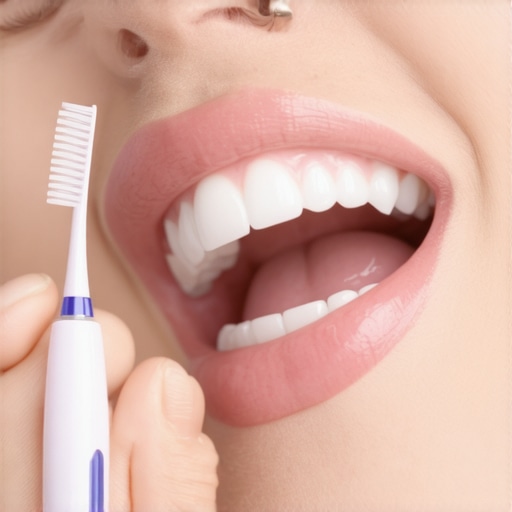
What I Never Expected About Achieving a Perfect Smile
- Patience Is a Superpower: Rushing the process only slowed my progress. I learned to trust the timeline and stay consistent with my trays, which made the journey smoother and more rewarding.
- The Power of Personal Observation: Daily check-ins with my trays and teeth helped me catch misfits early, saving time and discomfort. Paying close attention turned out to be a game-changer.
- Oral Hygiene Matters More Than I Thought: Keeping my mouth meticulously clean before tray insertion improved fit and reduced complications, reinforcing that small habits lead to big results.
- Upgrading My Tools Reaped Big Rewards: Investing in quality toothbrushes, ultrasonic aligner cleaners, and digital tracking apps made maintenance efficient and boosted my confidence in the process.
- Consulting Experts Is Essential: When problems persisted, professional advice and adjustments kept my treatment on track, reminding me that collaboration is key on the path to a perfect smile.
Tools and Resources That Made a Difference
- Invisalign’s official guide—a comprehensive resource for understanding treatment options and maximizing results.
- Advanced oral hygiene tools like sonic toothbrushes and ultrasonic aligner cleaners, which optimized my daily routine.
- Regular dental check-up advice—preventing issues before they become setbacks.
- Latest innovations in Invisalign technology, which kept my treatment efficient and effective.
A Little Nudge to Take Action Today
Embarking on your Invisalign journey or enhancing your dental care isn’t just about perfect teeth—it’s about embracing a smarter, more mindful approach that rewards patience and attention. Remember, your smile is a reflection of your confidence and health. Every small effort counts toward a future where you feel proud and carefree about your dental story. Are you ready to take that first step or refine your current routine to unlock the best version of your smile? Share your experiences or questions below—I’d love to learn about your journey and support your goals!

![4 2026 Cosmetic Dentistry Fixes for Stained Teeth [No Bleach]](https://smilezdentist.com/wp-content/uploads/2026/03/4-2026-Cosmetic-Dentistry-Fixes-for-Stained-Teeth-No-Bleach-150x150.jpeg)