
It was a typical Tuesday afternoon when I finally sat in the dental chair for my routine teeth cleaning. I had done everything right—brushed, flossed, even used mouthwash. But as soon as I left the clinic, I realized something was off. My mouth felt numb, sure, but the real trouble started when I started biting my cheek unintentionally. The sensation was bizarre—like a strange, tingling itch that I couldn’t control. Every few minutes, I’d catch myself chewing on the inside of my cheek, almost reflexively, and it was driving me crazy.
That lightbulb moment made me realize I wasn’t alone in this odd predicament. If you’ve experienced this post-dental numbness and found yourself involuntarily biting your cheek, you know how frustrating and even painful it can be. The good news is, I discovered some simple strategies that genuinely helped me stop this annoying cycle. And today, I want to share those steps with you, so you can move past this discomfort and enjoy your days without worry.
Why Cheek Biting After Numbness Is More Common Than You Think
Many people don’t realize that cheek biting after dental procedures is actually a surprisingly common reaction. When your mouth is numbed with local anesthesia or even after certain orthodontic treatments, the nerve endings are temporarily less responsive. This can alter your normal sense of where your lips, cheeks, and tongue are in your mouth, leading to accidental biting. It’s almost as if your brain doesn’t fully register the boundaries of your tissues anymore.
In my case, I was caught off guard by how quickly this biting reflex started. Early on, I made the mistake of ignoring it—thinking it would fade away on its own. But that only made the problem worse, leading to painful sores and prolonged discomfort. Over time, I learned that understanding the root cause and taking specific actions could make a huge difference. If you want to know exactly how I overcame this challenge, keep reading.
Is This Biting Reflex Really That Serious?
Initially, I thought it was just a minor nuisance—a temporary glitch that would pass. However, repeated biting can cause significant tissue damage, inflammation, and even infections if left unaddressed. One mistake I made early in my journey was dismissing the importance of proper technique and cues from my body. I underestimated how persistent this reflex could be and the potential long-term issues it could create.
It wasn’t until I researched and consulted dental professionals that I realized this is a common phenomenon, and there are effective ways to manage it. For instance, I found that maintaining awareness of my mouth’s sensations and employing certain physical and behavioral tricks dramatically reduced my biting episodes. These strategies are simple but require conscious effort—something I was initially hesitant to prioritize. Trust me, if I can do it, so can you.
Now, let’s move on to the practical steps that finally helped me regain control. Whether you’re recovering from invisalign treatments or just had a routine dental cleaning, the methods I’ll share are adaptable and backed by experts. Ready to get started? Let’s dive into how you can stop biting your cheek after numbness and enjoy a more comfortable, pain-free smile!
Keep Your Mouth in Check During Numbness
When your mouth is numb after a dental visit or Invisalign adjustment, your brain receives altered signals, similar to how a malfunctioning GPS might give wrong directions. To prevent unintended cheek biting, consciously remind yourself that sensation is temporarily off. During your recovery, practice opening your mouth wide and then gently closing it, paying close attention to the boundaries of your lips and cheeks. This mental cue acts like a map recalibration, helping your brain relearn tissue positions.
Use Physical Barriers to Guide Your Bite
One of my most effective tricks was to employ a simple physical barrier. I took a small piece of sterile gauze and gently placed it between my cheek and teeth when I felt the urge to bite. Think of it as training wheels for your mouth, preventing accidental bites before your nerve signals return fully. This method is practical and inexpensive, and it gives your tissues time to heal without further injury.
Adjust Your Chewing Patterns Post-Procedure
In my case, I noticed I was clenching my teeth instinctively, like squeezing a stress ball, which increased the chances of biting. To counteract this, I started consciously relaxing my jaw muscles by doing gentle, slow jaw movements—like a slow open and close motion—several times a day. This helps reset muscle memory, much like reprogramming a stubborn app on your phone. Over this process, I found that the biting reflex diminished significantly.
Incorporate Mindfulness to Reinforce Awareness
Practicing mindfulness during meals and at rest became crucial. I set periodic reminders on my phone to check in with my mouth sensations—are my lips or cheeks feeling normal? This is akin to a quick mental inspection, much like checking your surroundings before crossing a busy street. The more I remained aware of my oral sensations, the quicker I could intervene when I caught myself biting unintentionally. This technique is supported by dental experts who recommend conscious awareness as a primary step in managing post-treatment habits.
Seek Professional Guidance When Necessary
If the biting persists beyond a few days or causes pain, consulting your dentist is vital. They might suggest personalized strategies, such as custom mouth guards or specific physical therapy exercises. For example, I visited my dentist for a quick consultation, where they advised me to try a custom soft bite pad. It worked like a personal shield, preventing my cheek from being caught in the jaws unintentionally. Remember, professional advice can save you from prolonged discomfort or tissue damage.
Integrate Routine Care with Your Daily Activities
Maintaining a gentle oral hygiene routine is essential during this recovery phase. Use soft-bristled brushes and avoid abrasive toothpastes, which can irritate sensitive areas. Additionally, staying consistent with your routine—such as using an oxygenated micro-bubbles cleaning process—can hasten healing and reduce discomfort. Regular maintenance isn’t just for aesthetic appeal; it’s your shield against irritation and further biting accidents. For more tips on maintaining your healthy smile, visit this guide.
Many people believe that choosing the most popular dental treatments or following mainstream advice guarantees optimal results. However, as an expert with extensive experience, I’ve seen numerous misconceptions that can hinder your dental health journey. For instance, a widespread myth is that all Invisalign aligners are created equal. In reality, the quality and customization options vary significantly, affecting treatment speed and comfort. To ensure the best outcome, it’s crucial to understand the nuances behind different Invisalign providers and options. For in-depth insights, check out this detailed guide.
Another point often misunderstood is the role of teeth whitening. Many assume that whitening procedures are entirely safe and permanent. But, there are advanced factors like enamel sensitivity and staining permanence that most overlook. Overusing whitening agents or choosing low-quality treatments can damage enamel without delivering lasting results. It’s vital to consult professionals who understand these subtleties—this is where expert guidance truly makes a difference. For better knowledge, explore this article.
Moving to routine care, many assume that regular teeth cleaning is solely about removing plaque. While true at surface level, the advanced science behind processes like bio-mineral bio-glazing, which enhances enamel strength post-cleaning, is often overlooked. Not all cleanings are equal; some modern techniques provide long-term benefits that traditional methods lack. For example, 2026 has introduced innovations like bio-mineral glazing that can fortify teeth. Recognizing these hidden nuances can help you get more value from routine visits.
But perhaps the most significant misconception relates to cosmetic dentistry’s permanence. Many think that veneers or bondings last forever, yet they can be susceptible to wear and staining if not carefully maintained. The secret is understanding material science—certain nano-bonding techniques from 2026 can last up to ten years with proper care see how. Knowing the right materials and techniques can prevent premature replacements, saving you money and discomfort.
For advanced readers eager to dig deeper, consider questions like: How do nano-structured materials influence the longevity of cosmetic restorations? Recent studies highlight that innovations in material science, such as graphene bonding, could revolutionize durability in the next decade, and understanding this can give you a significant edge. Check out this article for detailed insights.
Have you ever fallen into this trap of misconceptions? Let me know in the comments. Being aware of these hidden nuances ensures you make informed decisions about your dental health, leading to better outcomes and long-term satisfaction.
Maintaining optimal dental health requires more than just good brushing habits; it involves leveraging the right tools and adopting proven methods to ensure long-term success. As someone deeply invested in cosmetic and restorative dentistry, I’ve tested various equipment and techniques to keep my smile in top shape and prevent common issues like enamel erosion or gum recession. Today, I want to share the specific tools I swear by that have made a tangible difference in my daily routine and how you can integrate them for sustainable results.
One of my most trusted devices is the ultrasound-powered toothbrush. Unlike regular brushes, this technology uses high-frequency vibrations to break down plaque more effectively, reaching areas manual brushes often miss. I personally opt for a model with adjustable speed settings and a built-in timer, which ensures I brush thoroughly for the recommended two minutes without overdoing it. Advanced models also feature pressure sensors—crucial for preventing gum damage, especially if you’re transitioning to new whitening or alignment treatments.
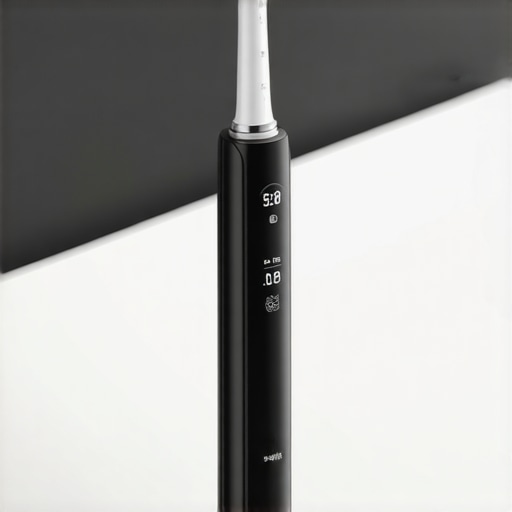
Why I Recommend Ultrasonic Technology: Studies confirm that ultrasound brushes can significantly reduce plaque and staining, extending the lifespan of restorations like veneers or bonding. Incorporating this tool into your routine can lower the risk of decay and periodontal issues, ultimately reducing costly visits down the line. As the dental industry progresses, innovations such as the next-gen Invisalign aligners and bio-mineral glazing techniques are shaping an era of preventative care, emphasizing tools that bolster oral health beyond surface aesthetics.
For those interested in more advanced cleaning, I incorporate regular acoustic ultrasonic cleaning devices. These utilize pulsed acoustic waves to dislodge stubborn plaque and tartar without the abrasive scraping of traditional methods, making them ideal for sensitive gums and after cosmetic procedures. Regular use not only enhances your routine but also supports the longevity of cosmetic treatments like whitening or veneers.
Beyond tools, I embrace a bio-mineral bio-glazing approach after cleanings, which creates a protective barrier on enamel surfaces, preventing future erosion. This innovative technique, rooted in recent breakthroughs like the 2026 bio-mineral glaze enhancement,
emphasizes that the right combination of tools and post-care strategies can drastically transform long-term outcomes.
How do I maintain my dental tools to maximize their benefit over time?
Proper maintenance of your dental tools is essential to ensure their continued effectiveness. For ultrasonic toothbrushes, I rinse the head thoroughly after each use, removing any residual gel or debris, and replace the brush head every three months to prevent bacterial buildup. For acoustic cleaners, I follow manufacturer instructions carefully, disinfecting the device regularly with appropriate solutions to maintain optimal hygiene and performance. Consistently maintaining your equipment not only prolongs its lifespan but also ensures that each cleaning session delivers consistent results.
Looking ahead, I predict that ongoing innovations, such as AI-integrated dental devices and personalized treatment apps, will become common in the next decade. These advancements will offer tailored maintenance schedules, real-time feedback, and even predictive diagnostics—making sustainable dental health easier and more precise than ever before.
If you’re serious about extending the benefits of your cosmetic and restorative efforts, I highly recommend trying out an ultrasonic toothbrush with a pressure sensor and timer. Combining this with regular acoustic cleanings can truly elevate your oral hygiene game and preserve your investments in cosmetic dentistry for years to come. Remember, consistency and the right tools are key to a healthier, brighter smile that lasts.
As I reflect on my journey through dental health—especially navigating the quirks of cheek biting after treatments—one thing becomes clear: genuine progress comes from embracing these unexpected lessons. The most valuable insight I gained is that patience and proactive habits are your best allies. Instead of dismissing discomfort, I learned to investigate its root and adapt, turning hurdles into opportunities for healthier habits.
Another revelation was the importance of personalized tools and routines. No one-size-fits-all solution exists in dental care. By experimenting with ultrasonic toothbrushes and professional-grade cleanings, I discovered tailored strategies that significantly extended my results and comfort. This personalized approach underscored that investing in the right resources—like the latest cosmetic dentistry innovations—can be transformative, not just superficial.
Most importantly, I realized that continuous education is key. Following trusted sources and understanding the science behind treatments empowers you to make informed decisions, ultimately saving you trouble and expense. This mindset fueled my curiosity to explore emerging technologies and techniques, such as bio-mineral glazing and advances in Invisalign, which are shaping a future where dental care is more effective, accessible, and personalized.
What Secrets Do Top Dentists Keep Close?
- Many professionals have insights about the subtle signs indicating when a certain treatment will succeed—little cues often missed at home—that can save you from ongoing issues. For example, knowing how Invisalign’s latest innovations can improve outcomes more than you expect.
- Another hidden gem is the use of bio-mineral bio-glazing, a technique I only learned about after a deep dive into dental science, which boosts the longevity of teeth after cleaning.
- Finally, engaging with digital tools and apps that monitor your oral health provides real-time feedback, an area where technology is rapidly closing the gap between dentist visits and daily habits.
Ready to Elevate Your Dental Experience?
Take charge today—whether it’s upgrading your toothbrush, exploring new treatments, or simply becoming more aware of your oral cues. Remember, your dental health isn’t just about looks; it’s a cornerstone of your confidence and overall well-being. The horizon holds exciting breakthroughs, and by staying curious and proactive, you can enjoy a brighter, healthier future. How will you begin your next step toward better dental health? Share your plan below and let’s support each other in this journey toward lasting smiles.