
It happened during a routine teeth cleaning, and I’ll never forget that uncomfortable, persistent dryness I still felt afterward. Despite drinking glass after glass of water, my mouth felt like the Sahara—parched, sticky, and oddly defeated. I thought, “Is this normal? Am I missing something obvious?” That lightbulb moment made me realize I wasn’t alone—many people share this frustrating experience, and I’ve been on a mission to uncover the real reasons behind it.
The Hidden Causes of Persistent Mouth Dryness
Have you ever experienced this? You gulp down water, expecting instant relief, only to find your mouth remains as dry as the desert. It’s a perplexing problem that can interfere with your confidence, taste, and overall oral health. The good news is, it’s often a sign that there’s more happening underneath the surface—something simple you might be overlooking.
Research shows that dry mouth, or xerostomia, affects millions and can be caused by a variety of factors, from medications to underlying health conditions. And surprisingly, some common habits or recent dental procedures can also contribute. Early on, I made the mistake of assuming that hydration alone was enough—only to realize that my situation was more complex. Understanding the root causes is the first step toward finding lasting relief.
Are you worried that your dry mouth might be a sign of something serious? Or maybe you’re skeptical about whether the solution is as straightforward as drinking more water? I’ve been there, and I want to reassure you that with a bit of knowledge and some simple adjustments, you can turn this around. Keep reading to discover what might be causing your dryness and what effective steps you can take today. If you want to explore related issues, I recommend checking out [this guide on teeth cleaning tips](https://smilezdentist.com/teeth-cleaning-tips-for-a-brighter-smile-this-spring), which covers how regular dental care plays a role in overall oral hydration.
Start with a Detailed Assessment of Your Habits
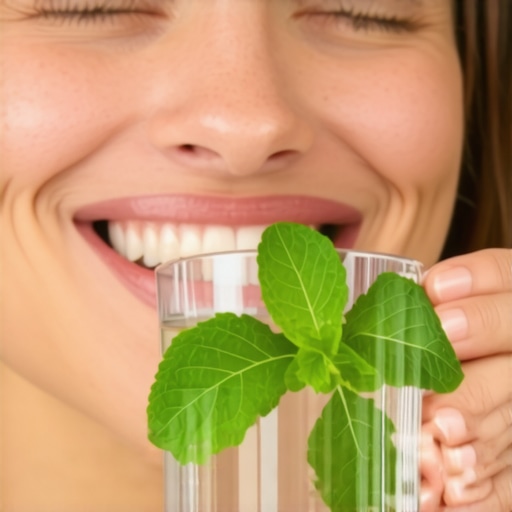
Identify habits that may contribute to dry mouth, such as excessive caffeine intake, alcohol consumption, or smoking. Replace these with healthier choices, like drinking herbal teas or water infused with mint for added flavor and hydration. Keep a journal for a week to track triggers and patterns, helping you pinpoint specific habits or foods that worsen dryness.
Optimize Your Oral Hygiene Routine
Use fluoride toothpaste to strengthen enamel and prevent decay, which can exacerbate dryness. Incorporate gentle brushing and flossing techniques—avoid applying too much pressure, as aggressive cleaning can irritate gums and reduce saliva production. Regularly clean your tongue with a scraper to remove bacteria and stimulate salivary flow, mimicking the effect of professional cleanings. For detailed tips, see teeth cleaning tips for a brighter smile.
Manage Medications and Underlying Conditions
Consult with your healthcare provider to review medications that list dry mouth as a side effect. Request alternatives if possible, or consider adjusting dosages. Address underlying health issues like diabetes or Sjögren’s syndrome—proper management of these conditions can dramatically improve saliva production and oral comfort.
Incorporate Saliva-Boosting Techniques
Chew sugar-free gum or use xylitol-based mints to stimulate saliva flow actively, especially after meals. Choose products containing enzymes or artificial saliva substitutes recommended by your dentist for additional relief. When eating dry foods, take smaller bites and chew thoroughly to promote natural saliva secretion.
Improve Dietary and Hydration Strategies
Drink water consistently throughout the day, aiming for at least 8 glasses, and avoid overly salty or spicy foods that can dry out your mouth further. Incorporate hydrating foods like cucumbers, melons, and leafy greens into your meals, which provide moisture and essential nutrients to support oral health.
Utilize Advanced Treatments and Consult Professionals
Schedule regular dental check-ups to monitor oral tissue health and receive professional advice tailored to your situation. In some cases, your dentist may recommend topical applications like fluoride gels or prescribed saliva stimulants. For those seeking cosmetic improvements alongside hydration, explore cosmetic dentistry insights to enhance your smile while maintaining oral health.
Remember, persistent dryness isn’t just uncomfortable—it can lead to cavities and gum issues if left unaddressed. Implementing these practical steps can restore moisture, protect your teeth, and improve your overall oral well-being.
 Many individuals believe that visiting the dentist or opting for cosmetic treatments is straightforward, but the truth is more nuanced. A common myth is that all cosmetic dentistry, like whitening or veneers, provides instant, flawless results without considering the long-term implications or potential risks. In reality, some procedures can have hidden pitfalls if not performed with careful planning and understanding. For instance, many think Invisalign is only for mild misalignments, but advanced cases may require complementary treatments or custom adjustments. Overlooking these details can lead to dissatisfaction or prolonged treatment times.
Another misconception involves teeth cleaning routines. Some assume that professional cleaning is purely aesthetic; however, it’s a crucial preventive measure. Without proper technique, patients may damage their gums or fail to remove plaque effectively. For example, aggressive flossing or brushing can cause gum recession, counteracting any benefits. It’s essential to understand the correct methods and work with dental professionals who tailor advice to individual needs. You can deepen your understanding by exploring [teeth cleaning myths debunked by top dentists](https://smilezdentist.com/teeth-cleaning-myths-debunked-by-top-dentists).
When it comes to cosmetic procedures, a significant oversight is neglecting the importance of choosing the right specialist. Not all dentists are equally skilled in cosmetic transformations. Many believe that simply picking the most affordable option yields the best results, but this often leads to subpar outcomes. For example, advanced cosmetic cases benefit from specialists with extensive training—like those who focus on smile design or digital smile mapping. To avoid costly mistakes, research and consult with experts, such as those featured in [cosmetic dentistry insights](https://smilezdentist.com/the-secret-to-a-hollywood-smile-cosmetic-dentistry-insights).
The real nuance lies in understanding that enhancements should be personalized—not cookie-cutter solutions. A common trap is to pursue the latest trend in whitening or veneers without considering the impact on your natural teeth or overall oral health. Sometimes, these procedures can weaken enamel or cause tooth sensitivity if not done carefully. Modern advancements, like digital scanning and 3D printing, allow for more precise, personalized treatments. For more information on innovative procedures, visit [cosmetic dentistry trends that transform smiles beyond expectations](https://smilezdentist.com/cosmetic-dentistry-trends-that-transform-smiles-beyond-expectations).
Finally, many people underestimate the importance of ongoing maintenance after cosmetic procedures. A one-time treatment isn’t enough; diligent follow-up care ensures longevity and natural appearance. Skipping routine check-ups or neglecting proper oral hygiene can compromise even the most expertly done smile. Remember, achieving a confident, healthy smile is a journey that extends beyond the dental chair. Have you ever fallen into this trap? Let me know in the comments.Maintaining a radiant smile extends beyond just visiting your dentist periodically; it requires the right tools and consistent habits tailored to your unique needs. One essential device I personally swear by is an electric toothbrush with oscillating-rotating technology. Its superior plaque removal capabilities, especially in hard-to-reach areas, make it invaluable. I recommend models like the Sonicare DiamondClean, which I’ve found effective in reducing gum inflammation and preventing long-term issues. Regular flossing is equally critical, but I prefer using a water flosser such as the Waterpik Sonic-Fusion, which helps to clean below the gumline more comfortably, particularly for sensitive gums. It’s a game-changer in my daily routine, as it combines brush, floss, and water stream in one device, streamlining the process and improving compliance.
For professionals seeking to stay ahead, incorporating advanced software like staining analysis tools during check-ups can help track subtle changes over time, alerting you early to potential problems. Additionally, digital treatment plan management apps can remind you of upcoming appointments or recommended procedures, ensuring continuity of care.
Looking ahead, the trend points towards smart, connected dental devices that monitor your oral health in real-time. Imagining toothbrushes that sync with your smartphone to analyze brushing habits and suggest personalized improvements is becoming a reality, promising to make maintenance more interactive and effective.
To keep your teeth in optimal shape over the years, it’s advisable to schedule regular professional cleanings, ideally every six months, and ensure any restorations or cosmetic procedures are monitored by your dentist. For instance, maintaining Invisalign aligners with proper cleaning routines is crucial for their effectiveness and longevity—consider tools like Invisalign Cleaning Crystals for a thorough refresh. Regular care, combined with cutting-edge tools, can drastically reduce the risk of cavities, gum disease, and other long-term issues.
A question I often get is, “How do I maintain my cosmetic enhancements over time?” The answer lies in the combination of gentle, targeted cleaning techniques and using the right products designed for sensitive or restored teeth. Exploring innovations, such as enamel-strengthening serums, can add an extra layer of protection. You can find useful insights about these at [modern teeth cleaning innovations](https://smilezdentist.com/modern-teeth-cleaning-innovations-that-reduce-sensitivity-and-boost-results), which highlight the importance of staying current with advances.
Remember, investing in quality tools and staying consistent with your routine pays dividends. Whether it’s for Invisalign maintenance or preserving your whitening results, utilizing the right equipment—like electric brushes or water flossers—and aligning with your dentist’s advice ensures your smile remains healthy and beautiful for years to come. Don’t hesitate to ask your dental provider about personalized recommendations or the latest innovations in oral health technology—that proactive approach can truly define your long-term success.Throughout my journey to perfect my smile and maintain optimal oral health, I’ve uncovered insights that many dental professionals consider insider knowledge. These lessons, often overlooked, can make a profound difference in the longevity and beauty of your teeth. For instance, I learned that using a soft-bristled toothbrush isn’t just gentle—it’s essential for preventing gum recession, a common mistake many make with hard brushes. Additionally, scheduling regular dental check-ups isn’t merely about cleaning; it’s an opportunity for early detection of potential issues and personalized advice. One lightbulb moment was realizing that choosing the right whitening products depends on your unique enamel condition, not just hype. Lastly, understanding the true impact of diet—baving on sugars and acids—has empowered me to make smarter choices that protect my investment in my smile. Embracing these hidden truths changed my approach entirely and can do the same for you.