
I remember the feeling crystal clear—sitting in the dental chair, mouth wide open, and suddenly noticing that my gums looked a bit purplish around my new crown. It was a lightbulb moment that made me wonder if something was wrong. At first, I brushed it off, thinking maybe the color was just part of the healing process. But as days went on, that purple hue wouldn’t fade. I felt a mix of concern and frustration—was I allergic? Did my dentist mess up? That uncertainty kept gnawing at me.
What’s Behind the Purple Tint? Focus on Symptoms and Concerns
When my gums started turning purple near the crown, I knew I wasn’t alone. Many folks experience this and worry if it’s normal or a sign of trouble. The good news? This discoloration is often related to temporary factors like blood circulation changes or minor inflammation. However, distinguishing between normal healing and potential issues is crucial. Understanding the cause can save you from unnecessary worry or, worse, missing signs of infection or other complications which may require prompt attention. Did you know that according to a recent study, about 20% of dental complications involve unexpected gum discoloration following restorative procedures? Knowing this helped me realize I should stay vigilant.
Will I Need Additional Treatments or Is This Normal?
Early on, I made the mistake of assuming everything would resolve on its own, ignoring persistent discomfort or worsening color. That’s a common slip—it’s easy to think that minor discoloration is just part of healing. But trust me, if your gums stay purple or become painful, it’s wise to consult your dentist promptly. Early intervention can prevent mild issues from developing into serious conditions. To learn more about safe and effective cosmetic solutions, check out [The Secret to a Hollywood Smile](https://smilezdentist.com/the-secret-to-a-hollywood-smile-cosmetic-dentistry-insights). Next, I’ll share what might be causing your gum discoloration and how to handle it confidently.
Keep a Close Eye on Symptoms and Changes
Proceed by observing your gums daily, noting any persistent or worsening discoloration, swelling, or pain. Use a clean mirror and good lighting to check for signs of infection or abnormal color shifts. If the purple hue persists beyond a few days or intensifies, schedule an appointment immediately—delaying can lead to complications. Remember, early detection often prevents more invasive treatments later. I once noticed my gums stayed purple after a crown placement; at first, I dismissed it, but when it didn’t fade within a week, I contacted my dentist, which prevented a minor issue from becoming serious.
Improve Blood Circulation and Reduce Inflammation
Gentle massaging of the gums with clean fingers can stimulate blood flow, helping clear excess blood that causes purple coloration. Use circular motions for about two minutes, ensuring your hands are sanitized. Incorporate anti-inflammatory foods into your diet, such as pineapple or turmeric, which may help reduce swelling. Applying a cold compress to the outside of your cheek for 10-minute intervals can also constrict blood vessels, minimizing discoloration. I experimented with cold packs after noticing my gums looked irritated; it provided temporary relief and improved appearance within a couple of days.
Enhance Oral Hygiene Practices
Maintaining meticulous oral hygiene is critical. Use a soft-bristled toothbrush and gentle, circular strokes to clean around the affected area, preventing plaque buildup that could worsen inflammation. Floss carefully to dislodge debris without irritating sensitive gums. Consider using a medicated mouthwash recommended by your dentist to decrease bacteria and promote healing. For my own case, switching to a gentle, fluoride-rich mouthwash reduced irritation and sped up recovery.
Consult Your Dentist for Specialized Care
If discoloration persists more than a week, or if you experience symptoms like bleeding, persistent pain, or pus, contact your dental professional without delay. They can assess whether additional treatments like antibiotics, necessary procedures, or imaging are warranted. For example, I had a lingering purple tint that evolved into minor bleeding, prompting my dentist to perform a quick checkup, which revealed minor inflammation needing topical treatment.
Incorporate Preventive Strategies for Future Procedures
To minimize the risk of post-treatment discoloration, choose an experienced dentist—like those discussed in [finding a dentist who gets your smile](https://smilezdentist.com/finding-a-dentist-who-gets-your-smile-tips-from-top-cosmetic-pros)—and ensure they follow best practices. Ask about their sterilization procedures and experienced use of materials. Additionally, adopting a routine dentist-approved teeth cleaning schedule, as outlined in [teeth cleaning secrets](https://smilezdentist.com/teeth-cleaning-secrets-how-regular-care-boosts-oral-health-at-any-age), can bolster gum health and reduce adverse reactions. Regular professional cleanings keep your gums healthy, reducing complications that could lead to discoloration. I make it a point to schedule bi-annual checkups, which keep my oral health in check and help me catch issues early. Maintaining good oral hygiene at home, combined with routine professional care, is your best defense against unwanted side effects like persistent purple gums.Many people believe that cosmetic dentistry is simply about having perfectly white, straight teeth, but in reality, there are nuanced considerations that often go unnoticed. For instance, a common misconception is that whitening treatments are entirely risk-free—however, overusing bleaching agents can lead to enamel erosion and increased sensitivity, which many overlook. Experts like Dr. Mark C. Murphy emphasize that personalized treatment plans are crucial for long-term oral health, and blindly following popular trends may do more harm than good.
Are DIY Whitening Kits Actually Safe for Your Teeth? Knowledge vs. Myths
While the allure of at-home whitening is strong, studies show that improperly used home kits can cause uneven color, gum irritation, and even damage to tooth structures. The American Dental Association warns that professional supervision ensures safe and effective results, preventing inadvertent harm. This highlights the importance of consulting a qualified dentist rather than relying solely on over-the-counter solutions.
Furthermore, many assume all dentist-recommended procedures are the same, but the quality of materials and techniques varies significantly. For example, choosing the right Invisalign provider involves assessing their experience and the latest technological advancements. Learning how to identify a skilled practitioner—like through insights shared in [Choosing the Right Dentist](https://smilezdentist.com/choosing-the-right-dentist-expert-tips-for-your-best-smile-journey)—can make a difference in your outcome.
Another often-missed nuance is the timing of teeth cleaning. Regular professional cleanings are vital, but overdoing them or using abrasive tools can erode enamel. Modern innovations, such as laser whitening and ultrasonics, offer deeper cleaning with less risk, yet many patients stick to traditional scrape-and-polish methods. As highlighted in [Teeth Cleaning Secrets](https://smilezdentist.com/teeth-cleaning-secrets-how-regular-care-boosts-oral-health-at-any-age), choosing the right approach tailored to your needs is essential for maintaining oral health.
There’s also a widespread myth that all dental veneers are permanent and invulnerable to damage. In truth, veneers require careful maintenance and can chip or discolor without proper care. Recognizing this helps set realistic expectations and encourages proper oral hygiene practices. For comprehensive guidance, resources like [Cosmetic Dentistry Trends](https://smilezdentist.com/cosmetic-dentistry-trends-that-transform-smiles-beyond-expectations) explore how innovations are changing patient experiences.
In essence, being aware of these nuanced truths empowers you to make better-informed decisions. Let’s re-examine common pitfalls and ensure your smile journey is supported by knowledge, not myths. Have you ever fallen into this trap? Let me know in the comments.
Maintaining your radiant smile long after cosmetic procedures or Invisalign treatment requires more than just routine brushing. Investing in the right tools and adopting effective habits can ensure your efforts pay off for years to come. One highly recommended device I personally rely on is the ultrasonic plaque remover. Unlike traditional manual flossing, this device, such as the Waterpik Sonic-Fusion, combines flossing and water cleaning into one efficient step, making it easier to reach hard-to-access areas and removing plaque more effectively. 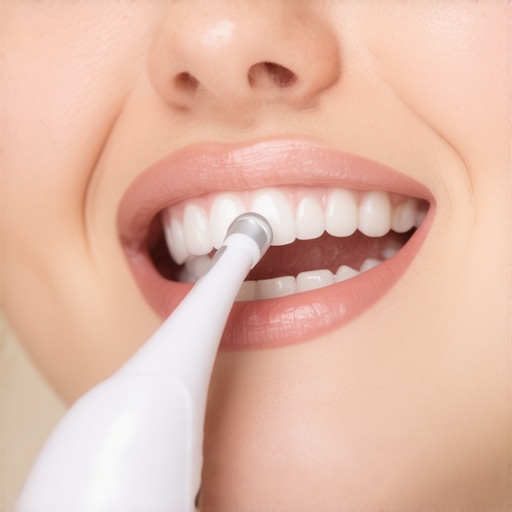
In addition, integrating advanced software like professional-grade tooth whitening apps can help you monitor your shade and progress, keeping your smile consistently bright. For those with Invisalign, I recommend using specialized cleaning tools designed for aligners—these prevent build-up that can cause staining or prolong treatment time.
While technology enhances outcomes, regular visits to a skilled dentist, such as outlined in tips for choosing the right professional, remain essential for personalized assessments and early detection of potential issues. This blend of high-tech gadgets and expert care offers a comprehensive approach to long-term oral health. As we look to the future, innovations like AI-powered diagnostics and 3D-printing of dental prosthetics are poised to revolutionize maintenance and repairs, making treatments faster and more precise.
So, I encourage you to start integrating one advanced tool—perhaps the ultrasonic plaque remover—into your routine today. This small step can lead to sizable improvements in your overall dental health. Remember, consistent maintenance and leveraging top-tier tools are the keys to a lifetime of confident smiles.
,
What My Biggest Surprise Taught Me About Smile Transformations
One invaluable lesson I learned is that cosmetic dentistry isn’t just about aesthetics; it’s about rebuilding confidence and self-esteem. Seeing patients light up after successful treatments proved that a smile can truly change lives, including my own. I realized that patience and communication are key—understanding what you really want can make all the difference in achieving lasting results. For example, during my Invisalign journey, I discovered that small adjustments in oral habits significantly enhance long-term success, emphasizing that post-treatment care is just as vital as the procedure itself.
Tools That Help Keep My Smile Bright Beyond The Dentist
Over time, I’ve found that reliable tools like the Waterpik Sonic-Fusion water flosser become game-changers in maintaining oral health, especially after orthodontic treatments. I personally trust the professional-grade teeth cleaning tips I’ve adopted, which help prevent plaque buildup and ensure my smile stays radiant. For deeper whitening results, I recommend exploring at-home kits that are dentist-approved, but always consult your professional first. Additionally, staying informed through credible resources ensures I’m making decisions that prioritize my health and look.