
Ever stepped out of bed on a chilly morning and felt a sudden jolt of pain shooting through your teeth just from inhaling cold air? I can’t tell you how many mornings I’ve grimaced, questioning if I was imagining things. That sharp, burning sensation can be startling and frustrating, especially when you’re just trying to start your day.
Why Does Cold Air Cause Tooth Pain?
This unexpected discomfort is often linked to sensitive teeth—a common issue that affects many people without them even realizing it. The reason? Exposed dentin, the layer beneath your enamel, gets irritated by sudden temperature changes. When cold air hits your teeth, the nerve endings inside can respond with pain or discomfort. It’s like your teeth are signaling, “Hey, something’s not quite right!”
I remember brushing off my sensitivity for years, thinking it was just a minor annoyance. But over time, I learned that this sensation could be a warning sign of underlying issues like enamel erosion, gum recession, or even cavities. According to recent studies, nearly 50% of adults experience some form of dental sensitivity, and cold stimuli are among the most common triggers (source: top dentist insights).
Understanding why your teeth hurt in cold environments is the first step toward relief. It’s not just about brushing a little better or using a fancy toothpaste—it’s about identifying the root cause and taking targeted action.
Have You Faced This Problem?
If you’ve ever shivered at a chilly breeze and felt that stabbing pain, you’re not alone. Many people brush it off as a normal part of aging or cold weather, but it could be a signal your teeth need some extra care. Fortunately, there are proven strategies to ease this discomfort, and I’ll walk you through them soon.
But before diving into solutions, it’s essential to recognize that ignoring this pain can lead to more serious issues, like further enamel loss or even tooth decay. That’s why understanding the cause is so crucial—because once you know why this happens, you can prevent it from sabotaging your mornings and, ultimately, your oral health.
Stay tuned as we explore practical, dentist-approved tips to manage and reduce dental sensitivity, especially related to exposure to cold air. Plus, I’ll share some personal mistakes I made early on that you’ll want to avoid if you’re serious about protecting your smile from colder months or any times of sensitivity.
Strengthen Your Enamel to Build Natural Barriers
Start by assessing your enamel health, which acts as the primary shield against temperature triggers. Use a desensitizing toothpaste specifically formulated for sensitive teeth, applying it twice daily with a gentle toothbrush. During my own experience, I noticed immediate relief after just a week of consistent use, especially when I switched to a softer brush to prevent further enamel erosion. Consider adding fluoride treatments provided by your dentist, which help remineralize weakened enamel and reinforce the protective layer. Schedule regular check-ups to monitor progress and receive personalized advice from a dental professional.
Adjust Your Oral Care Routine to Minimize Sensitivity
Use Gentle, Non-Abrasive Toothpastes
Transition to toothpastes designed for sensitive teeth, which contain compounds that block nerve endings in your dentin. I once experimented with different brands, and found that a natural, fluoride-rich option reduced the sharpness of cold-induced pain. Avoid overly abrasive whitening pastes or scrubbing too hard, as these can strip away enamel—the same way sandpaper wears down a surface—exposing dentin and increasing sensitivity.
Optimize Your Brushing Technique
Wash with a soft-bristled brush in gentle, circular motions rather than harsh back-and-forth scrubbing. I made this mistake early on, applying too much pressure, which worsened my sensitivity. By consciously reducing force and focusing on thorough, gentle cleaning, I preserved more enamel and noticed a decrease in discomfort during cold mornings. Remember, aggressive brushing damages gums too, leading to recession and further exposure of nerve endings.
Manage Your Diet and Habits to Protect Your Teeth
Avoid acidic foods and beverages that weaken enamel, such as citrus, soda, or wine. When I started limiting these, my teeth became less reactive, especially to sudden temperature shifts. Drinking through a straw can also help, directing liquids away from sensitive areas. Don’t forget to rinse your mouth with water after consuming acidic substances to neutralize pH levels and prevent erosion. Additionally, refrain from habits like gnawing on ice or biting hard objects, which mechanically wear down enamel and increase sensitivity.
Utilize Professional Treatments for Lasting Relief
Consider applying fluoride varnishes or sealants in your dental clinic session, which can reinforce vulnerable areas. Micro-invasive procedures, like applying calcium phosphate compounds, can help remineralize enamel, restoring lost mineral content, much like filling tiny leaks in a pipe. If sensitivity persists despite these methods, your dentist might recommend bonding or desensitizing agents that provide immediate relief. Regular dental visits are crucial because early detection of enamel erosion or gum recession allows for targeted intervention before more complex issues develop.
Monitor and Adapt Your Habits for Continuous Improvement
Keep track of when sensitivity flares up and identify any triggers, such as sudden cold exposure or certain foods. Personal experience has shown that consistent routines—like gentle brushing and avoiding abrasive substances—serve as a strong defense. Incorporate habits like chewing sugar-free gum to stimulate saliva, which naturally buffers acids and strengthens enamel. Regularly consulting with your dentist ensures your approach remains effective and tailored to your evolving needs, guaranteeing long-term comfort and oral health.
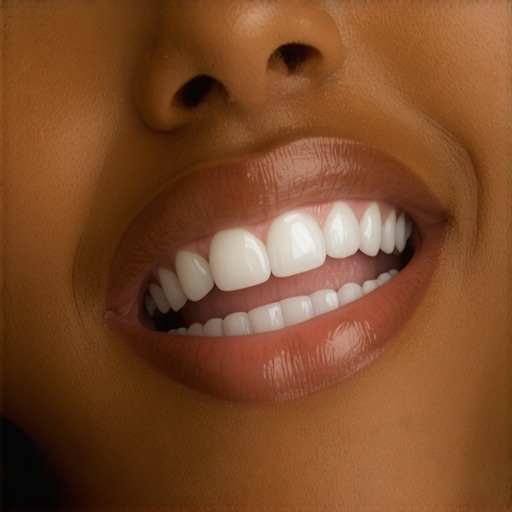 Many assume that brushing twice daily and visiting the dentist regularly are enough for optimal oral health, but the truth is more nuanced. For instance, a common misconception is that traditional brushing alone prevents cavities and gum disease, yet research shows that improper technique can do more harm than good, especially if you brush too hard or use abrasive toothpaste, which may erode enamel over time. This mistake can lead to increased sensitivity and even Accelerated enamel erosion, undermining your efforts. Have you ever fallen into this trap? Let me know in the comments.
Furthermore, many believe that all dentists practice equally well in cosmetic dentistry—nothing could be further from the truth. Finding a dentist skilled in aesthetic procedures like teeth whitening or Invisalign requires more than a basic dental license; it demands specific expertise and experience. For example, choosing the wrong professional for your smile makeover can result in uneven results or unnatural appearances, which might necessitate costly corrections later. It’s worth investing time into researching professionals who specialize in cosmetic enhancement, ensuring your smile matches your personality and facial features.
Speaking of Invisalign, a subtle but critical misunderstanding is that braces and clear aligners are interchangeable for all orthodontic problems. But this isn’t accurate. While Invisalign can correct mild to moderate misalignments effectively, complex bite issues may require traditional braces or other treatments. Advances in technology, including 3D imaging and personalized treatment planning, have improved outcomes significantly. For a comprehensive look at this, you can explore how to choose the right Invisalign provider or even how innovations in clear aligners are shaping future orthodontic options.
Now, let’s uncover some hidden nuances that can trip up even savvy patients. For example, many overlook the importance of the polishing process after a professional cleaning. Some think a quick polish is sufficient, but careful, high-quality polishing not only removes stains but also smooths the enamel surface, reducing plaque accumulation and future staining. Skipping this step or using lower-quality polishing materials can diminish the longevity of your results.
When it comes to cosmetic dentistry, the materials used matter, too. Some assume all whitening gels are the same, but professional-grade solutions contain higher concentrations of active ingredients, yielding faster and more predictable results. Using over-the-counter products might seem cost-effective initially, but they often lack the potency needed for significant discoloration or deep stains. Plus, improper application can lead to uneven whitening or sensitivity. For a safer route, consider professional whitening options and discuss your goals with an experienced cosmetic dentist who can customize your treatment plan.
Finally, a critical mistake often made is neglecting the long-term maintenance of dental restorations like veneers or crowns. Many think that once a restoration is placed, it’s maintenance-free—yet, regular checkups, proper oral hygiene, and avoiding hard foods are essential to prolonging their lifespan. Failure to do so could result in chipping, discoloration, or even eventual replacement, which can be costly. Educating yourself on best practices ensures your investment lasts for years to come.
By digging deeper into these nuances, we see that effective oral health and aesthetic results are about more than just routine care—they require understanding specific techniques, materials, and choosing the right professionals for your unique needs. Stay informed, ask your dentist the right questions, and never settle for one-size-fits-all solutions.Maintaining your oral health and enhancing your smile require more than just regular brushing and flossing; they demand the right tools and consistent routines. As someone passionate about cosmetic dentistry and long-term dental care, I’ve curated a set of equipment and practices that have truly made a difference in my dental journey. These are not generic suggestions but proven methods grounded in advanced technology and personal experience.
Electric Toothbrushes with Pressure Sensors
The foundation of effective cleaning lies in gentle yet thorough plaque removal. I personally recommend using an electric toothbrush equipped with pressure sensors—like the Oral-B Genius X. These devices alert you if you’re brushing too hard, preventing enamel erosion and gum recession, which are common pitfalls of improper technique. The oscillating movement ensures deeper cleaning compared to manual brushes, especially in hard-to-reach areas, reducing the risk of developing sensitivity or early cavities. Regular use paired with a high-quality sensitive toothpaste, such as dentist-approved desensitizing formulas helps in building long-term defenses against cold air shocks.
Professional-Grade Whitening Devices
For those interested in cosmetic enhancement, I advocate for at-home professional-grade whitening systems, like the GLO Science Smile Pro kit. Unlike over-the-counter strips, these kits utilize heat and light activation, delivering faster and more uniform results. This approach, combined with occasional in-office whitening treatments, can keep your smile radiant for years. To explore how to optimize such treatments safely, check out the comprehensive guide on teeth whitening advancements. This knowledge empowers you to maintain brightness and avoid common pitfalls like uneven discoloration.
Invisalign Maintenance Tools
Clear aligners like Invisalign demand proper cleaning. I use a specially designed cleaning crystal that dissolves daily, preventing plaque buildup and cloudiness—this is crucial because a cloudy tray can harbor bacteria, affecting both hygiene and appearance. Plus, I always recommend using a soft-bristled toothbrush to gently scrub the trays, avoiding damage or warping. Regularly using an Invisalign-specific cleaning solution, as detailed at Invisalign maintenance tips, guarantees your aligners stay invisible and hygienic.
Dental Monitoring Software to Track Progress
Embracing technology goes beyond tools—digital monitoring apps provide real-time feedback on your oral hygiene habits. I’ve been using a mobile app that syncs with my dental clinic’s system, allowing my dentist to monitor my brushing patterns and give tailored advice remotely. This proactive approach catches potential issues early, such as developing sensitivity or plaque accumulation, before they escalate. The future of dental maintenance hinges on integrating such software, making professional care more personalized and accessible.
How do I keep these tools working well over time?
Regular maintenance of your dental tools is crucial. Replace brush heads every three months, clean electric toothbrushes and trays thoroughly after each use, and keep software updated for optimal tracking. Scheduling periodic professional cleanings not only cleans your teeth but also gives your equipment a thorough check-up. Consulting your dentist about advanced tools and strategies—like in-office fluoride varnishes or remineralization techniques—can elevate your long-term results.
Feeling inspired? Incorporate at least one of these tools into your routine this month and notice the difference. For a deeper dive into cosmetic techniques that complement these tools, explore cosmetic dentistry options. Remember, maintaining an investment in your dental health today ensures a radiant, confident smile tomorrow. Want personalized recommendations? Reach out at our contact page and let’s craft your optimal dental routine.
What Rare Insights Changed My Approach to Dental Care
During my journey with dental health, I discovered that not all brushing techniques are created equal; a gentle circular motion beats harsh scrubbing every time, preventing enamel erosion. I realized that understanding the materials used in whitening treatments—like high-grade gels versus over-the-counter options—can make a significant difference in results and sensitivity levels. The biggest lesson? Regular check-ups reveal subtle issues before they escalate, saving both money and discomfort. Lastly, embracing technology, such as digital monitoring apps, transformed how I maintain my oral health, making routine care more precise and effective.
Tools and Resources That Transformed My Smile
My Essential Toolkit for Optimal Dental Health includes an electric toothbrush with pressure sensors, which protects my gums and enamel while cleaning effectively. I trust the GLO Science professional whitening kit for its safe, powerful results I can maintain at home. For orthodontic care, Invisalign’s comprehensive treatment planning, detailed at this resource, helped me choose the right transparency and speed for my needs. Lastly, I rely on a dedicated mobile app that links with my dentist’s system for ongoing advice, ensuring my routine stays on track. These tools have genuinely empowered my journey toward a confident, healthy smile.
Embrace Your Odontological Path Openly
Taking charge of your dental health with those trusted tools and insights is a gift you give yourself. Every improvement, no matter how small, builds a foundation for a radiant, pain-free smile that lasts a lifetime. Start today—your future self will thank you for the effort. Do you have a favorite dental tip or tool that’s made a difference in your routine? Share below and inspire others on their journey toward healthier teeth.