
Have you ever looked in the mirror after brushing and noticed those tiny black triangles creeping into the gaps between your teeth? I used to dismiss them as harmless, just a part of aging or imperfect dental work. But one morning, as I yawned and caught sight of my smile, I finally realized those little dark spots were more than just cosmetic nuisances—they were signals that something needed attention. It felt like my smile was betraying me, revealing more than I wanted to admit.
Why these tiny black triangles can be a sign of bigger issues
Those small black gaps, often called ‘black triangles,’ are more than just aesthetic quirks. They typically form due to loss of gum tissue, bone recession, or shifting teeth. According to the American Academy of Periodontology, gum recession can start long before you notice any discomfort, and if left unchecked, it can lead to further periodontal issues. I learned that these triangles aren’t just about appearances—they can also trap food and bacteria, increasing the risk of cavities and gum disease.
What I wish I knew early on about black triangles
In my early attempts to fix them, I made the mistake of ignoring their significance, assuming they were inevitable with time. My first dentist told me to ‘live with it,’ which felt like giving up. Later, I realized that with the right approach—like modern cosmetic dentistry techniques—these gaps can be minimized or even eliminated. Just like any other dental concern, understanding the root cause is key to finding an effective fix.
If you’ve noticed similar dark spots forming between your teeth, it’s worth exploring the options. The good news is, advancements in cosmetic dentistry, such as Invisalign and smile redesigns, are making it easier than ever to restore a uniform, confident smile. For a deeper insight into these innovations, check out [Invisalign innovations in 2025](https://smilezdentist.com/invisalign-innovations-why-2025-is-the-year-for-a-perfect-smile).
Are you tired of hiding your smile because of those stubborn black triangles? If so, you’re not alone—and there are proven ways to address this. Let’s dive into what really works and how you can take control of your dental health today.
Start with a Full Dental Examination
Visit your dentist for a comprehensive check-up to identify the root cause of your black triangles. They will assess gum recession, bone loss, or tooth movement. During my first visit, I brought photos of my smile, which helped my dentist pinpoint that gum recession was driving those gaps. This initial step ensures that your treatment plan targets the correct issue rather than just masking the appearance.
Improve Oral Hygiene Practices
Proper brushing and flossing are essential to prevent further gum recession. Use a soft-bristled toothbrush and gentle strokes, similar to polishing a delicate surface. Incorporate flossing techniques that clean beneath the gum line without causing damage—think of flossing like threading a needle carefully through fabric. Regular cleaning can halt the progression of recession, which can otherwise worsen those dark gaps.
Explore Non-Invasive Cosmetic Options
Dental Bonding
This involves applying a tooth-colored resin directly onto the teeth to fill in gaps. I watched tutorials and practiced applying the resin on a fake mold before my appointment, which helped me understand the process. Bonding is quick, affordable, and effective for minor black triangles, but it requires touch-ups over time.
Veneers
Thin porcelain shells can mask the gaps entirely. My friend opted for veneers, and her smile transformed dramatically. The process involves removing a tiny amount of enamel, so ensure you consult a skilled cosmetic dentist. Veneers provide a longer-term solution and can correct shape, size, and color simultaneously.
Consider Orthodontic Treatments
If gaps are due to shifting teeth, orthodontics can bring teeth back into alignment. Invisalign is a popular, discreet choice. I personally chose Invisalign after reading about its advancements in Invisalign innovations in 2025. The clear aligners gradually move teeth, closing gaps without traditional braces.
Using Invisalign Effectively
Wear your aligners at least 20 hours daily, removing only during eating and cleaning. During my treatment, I kept a diary to monitor wear time—this made a noticeable difference in speed and comfort. Regular check-ins with your dentist ensure proper progress and address any issues promptly.
Maintain Long-Term Results
Post-treatment, use a proper cleaning routine outlined in maintaining your teeth cleaning routine for long-term health. Habitual care preserves your new smile, preventing relapse or new gaps from forming. Additionally, consider using teeth whitening to match your restored areas for a harmonious look, an option discussed in the ultimate cosmetic guide.
While many believe they understand the basics of teeth cleaning, Invisalign, and cosmetic dentistry, there are subtle nuances that only true experts recognize. For instance, there’s a common myth that brushing harder leads to cleaner teeth, but in reality, aggressive brushing can damage enamel and gums, increasing sensitivity and recession over time. According to the American Dental Association, gentle, thorough brushing with a soft-bristled toothbrush is far more effective and safer than forceful scrubbing. Many assume Invisalign is just about aesthetics, but advanced features like SmartTrack material enhance comfort and accelerate movement, a detail often missed by casual users.
How do advanced materials like SmartTrack redefine Invisalign’s effectiveness?
If you’re considering clear aligners, understanding these innovations helps in making informed choices. Moreover, countless overlook the importance of proper long-term maintenance; failing to adhere to post-treatment routines can lead to relapse or new misalignments. This is why comprehensive follow-up care, including specific retainer strategies, is crucial—more than just wearing your retainers, but also ensuring they fit correctly over time. 
Keep Your Smile in Top Shape with the Right Tools
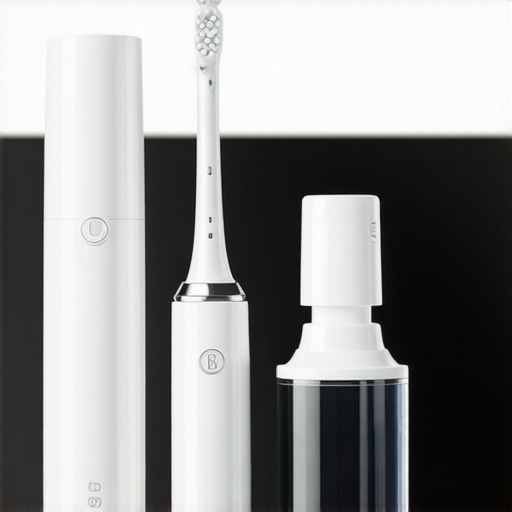
Proper maintenance is crucial to preserve the results of treatments like Invisalign or cosmetic bonding. I personally rely on a selection of specialized tools that make daily care effective and effortless. One game-changer for me has been the Soniclean Electric Toothbrush. Its oscillating and pulsating motion, combined with a built-in timer, ensures thorough cleaning without damaging my gums, which is vital after procedures like veneers or bonding. Additionally, using a water flosser, such as the Waterpik, helps clean around braces, retainers, or implant sites more efficiently, preventing plaque buildup that could compromise long-term results.
Smartphone Apps for Superior Oral Hygiene
Staying consistent can be challenging, especially with busy schedules. I found that a dedicated oral health app like BrushBusters motivates me to maintain proper brushing techniques and reminds me to floss regularly. These apps often include videos demonstrating optimal brush angles and pressures, aligning with recommendations from dental professionals—and they’ve helped me reduce gum sensitivity and recession over time. As technology advances, expect these apps to integrate real-time feedback and personalized plans based on your dental history.
Regular Professional Check-Ins Tied to Long-Term Success
Even with excellent home care, routine visits to your dentist are non-negotiable. During my recent Invisalign maintenance visits, my dentist used professional cleaning tools and digital scans that enhanced the precision of my results. Regular check-ups allow early detection of issues like minor gum recession or small cracks, which, if addressed promptly, can save money and preserve your smile’s integrity. Furthermore, dentists are now employing AI-driven imaging that visualizes potential future shifts, guiding proactive interventions.
Predicting the Future: Smarter and More Durable Tools
Looking ahead, innovations such as 3D-printed personalized retainers and AI-powered oral health monitoring will become mainstream. These advancements will facilitate highly tailored maintenance routines that adapt over time, providing dentists and patients with real-time feedback on the effectiveness of their habits. Already, research indicates that integrating digital tracking with professional oversight can improve longevity for cosmetic procedures and orthodontic treatments alike. It’s an exciting era where technology ensures your investment in cosmetic or corrective dental work lasts longer and looks better over the years.
How do I keep my dental investments working effectively over time?
Consistency is key, but combining high-quality tools, smart technology, and regular professional care makes a significant difference. I recommend investing in a good electric toothbrush like the Soniclean and pairing it with a water flosser to reach those tricky spots. Moreover, scheduling routine check-ins with your dentist not only maintains the health of your gums but also catches small issues before they escalate. To explore more on effective maintenance routines, check out this comprehensive guide. Don’t hesitate to try these advanced tips—your future smile will thank you.
As I reflected on my journey with dental care, I realized that those tiny black triangles I once dismissed were more than just superficial imperfections—they signaled deeper issues I needed to address. Recognizing these subtle signs early can often prevent more complex and costly treatments down the line.
What Hidden Truths Black Triangles Might Conceal
Black triangles are not just aesthetic concerns; they often indicate underlying gum recession or bone loss. Understanding that these gaps can trap food and bacteria has motivated me to prioritize gum health and seek professional evaluations promptly. Ignoring them might lead to periodontal disease or tooth instability, consequences no one wants to face.
Lessons from My Personal Experience with Dental Transparency
Initially, I believed these gaps were inevitable or purely cosmetic. But after consulting with a skilled dentist, I learned that interventions like cosmetic bonding or veneers could effectively restore my smile. This realization emphasized the importance of consulting professionals rather than relying solely on DIY solutions or neglecting potential health risks.
If you’re noticing similar dark spaces, consider exploring options like advanced orthodontics or cosmetic dentistry techniques. Addressing the root causes not only improves appearance but also enhances your overall oral health, offering a confidence boost that radiates beyond the mirror.
My Essential Tools to Maintain a Flawless Smile
- Electric Toothbrushes: My go-to is the Soniclean Electric Toothbrush, which ensures thorough cleaning and gentle gum care—crucial after cosmetic procedures.
- Water Flossers: Devices like Waterpik help me reach tricky areas, preventing plaque buildup that could compromise my long-term results.
- Oral Health Apps: Using apps like BrushBusters keeps me motivated and teaches proper techniques, making daily routines more effective.
- Regular Dental Visits: Periodic check-ins allow my dentist to monitor progress, spot early signs of problems, and recommend personalized care strategies.
Your Bright Future Starts Today
If you’ve been hiding your smile because of those stubborn black triangles, know that proactive steps can transform not just your teeth, but your confidence too. Embrace the power of modern dentistry and tech tools—your future self will thank you for it. The journey toward a healthier, brighter smile is ongoing, but every step you take now brings you closer to the results you deserve.
What’s your experience with dark gaps between your teeth? Have you found effective solutions that worked for you? Share your story below and join the conversation!