
Ever been mid-bite, teeth sinking into a hearty sandwich, only to hear that sudden, irritating pop from your jaw? I’ve been there—mouth full, trying to enjoy a simple lunch, and suddenly I’m jerked back by that familiar clicking sound. For a while, I thought it was just normal, maybe something I’d just have to live with. But after a few weeks of that persistent sensation, I realized this little quirk was actually a signal something might be off.
What’s Behind That Unwanted Jaw Click?
It turns out, that click isn’t just a random noise—it’s often related to the complex mechanics of our temporomandibular joint (TMJ), which connects your jawbone to your skull. The TMJ is a marvel of biology, allowing us to chew, speak, and yawn. But like any intricate system, it can develop issues that lead to clicking, popping, or even pain. I learned early on that ignoring these sounds can sometimes result in more serious problems, like TMJ disorder or uneven wear on my teeth.
Have you noticed that your jaw clicks every time you eat or speak? You’re not alone, and there’s a reason why this happens. But don’t worry—there are effective ways to address it.
Now, you might be skeptical—I’ve been there myself—thinking, “Is my jaw just adjusting, or is this a sign of something serious?” It’s common to wonder if these noises are harmless or something to worry about. Early in my experience, I made the mistake of dismissing minor symptoms as normal, only to realize later that proper diagnosis and treatment could have alleviated discomfort sooner.
Understanding why your jaw clicks is the first step toward finding relief. For many, it’s related to factors like jaw misalignment, teeth grinding, or injury. Interestingly, a study published in the Journal of Oral Rehabilitation revealed that up to 15% of adults experience TMJ dysfunction at some point, highlighting how widespread this issue is.
In the following sections, I’ll share practical, real-world strategies that helped me and can help you—whether that’s seeking the right specialist, exploring treatment options like Invisalign, or simple lifestyle adjustments. Let’s dive into actionable steps so you can chew without the awkward noise and get back to enjoying your meals in peace.
,
Examine Your Jaw Movement and Habits
Start by observing how your jaw moves during daily activities. I noticed mine clicking when I opened wide to yawn or chew gum excessively. To identify patterns, sit in front of a mirror and open your mouth slowly, paying close attention to any irregular movements. Keep a journal of when the clicking occurs, noting if it’s more frequent during stress or after certain foods. This helps in pinpointing triggers and makes subsequent steps more targeted.
Optimize Your Bite Through Professional Evaluation
Next, schedule a consultation with a qualified dentist experienced in TMJ issues. Think of your bite like puzzle pieces—you want everything fitting perfectly. The dentist will examine your jaw, teeth alignment, and listen for clicking sounds. During my visit, the dentist used a small mirror and a specialized instrument to assess joint movement. Proper diagnosis can reveal issues like misalignment or teeth grinding, which can be corrected with treatments such as orthodontics or occlusal adjustments.
Try Non-Invasive Techniques First
Before pursuing complex procedures, implement simple measures. Apply moist heat to the jaw area for 10-15 minutes twice daily; this relaxes muscles much like warming up before exercise. Practice gentle jaw stretching exercises—slowly open, then move your jaw side to side without force. During my own routine, I used a soft food diet for a few days, avoiding hard or chewy textures to reduce strain. These steps can decrease muscle tension and minimize clicking frequency.
Manage Stress and Prevent Habits That Worsen Clicking
Stress often exacerbates jaw issues. Find ways to calm your mind—deep breathing, meditation, or yoga. I discovered that my jaw clicked more during stressful workweeks, so I incorporated daily relaxation routines. Also, identify habits like teeth grinding or nail-biting; wearing a night guard can shield teeth from excessive force. I worked with my dentist to get a custom night guard, which significantly reduced my jaw tension and clicking during sleep.
Consider Advanced Treatments if Necessary
If conservative methods don’t resolve the issue, explore options like physical therapy or occlusal splints. A physical therapist can teach targeted exercises to strengthen jaw muscles and improve coordination. During my experience, a therapy session involving jaw massages and posture correction noticeably improved my symptoms. For persistent problems, consult a specialist and learn about treatment options like orthodontic corrections or minimally invasive procedures.
Keep Monitoring and Maintain Good Oral Hygiene
Consistent oral care supports jaw health. Regular teeth cleaning prevents dental issues that could contribute to TMJ problems. I make it a point to schedule bi-annual cleanings, integrating advice from professional dental hygiene tips. Good oral hygiene reduces inflammation and maintains balanced bite, ultimately diminishing clicking sounds.
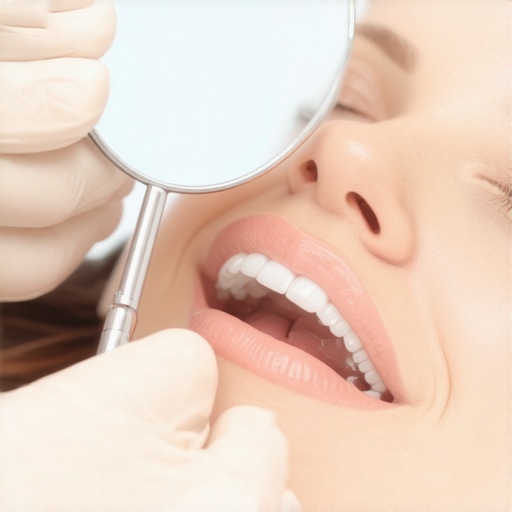 Many believe that cosmetic dentistry is solely about achieving a picture-perfect smile, but in reality, there’s much more nuance involved. For instance, a common misconception is that all whitening treatments are equally effective and safe. However, some over-the-counter options can be abrasive, risking enamel erosion, which underscores the importance of consulting a qualified dentist before starting any cosmetic procedure. Experts emphasize that personalized treatment planning is crucial to ensure both aesthetic results and long-term oral health.
Another widespread myth is that Invisalign is just a cosmetic fix for crooked teeth. In fact, the aligners can also address functional issues like bite problems, which, if left untreated, could lead to uneven wear or temporomandibular joint disorders. Proper assessment by a skilled orthodontist can maximize both aesthetics and functionality, avoiding pitfalls that occur when people choose or misuse aligners without adequate professional guidance.
What Advanced Mistakes Do People Make with Teeth Cleaning and Whitening?
A surprising error many make involves over-bleaching, which can cause tooth sensitivity and damage to the enamel. The American Dental Association warns that excessive or improper use of whitening agents may weaken your teeth, making them more vulnerable to decay and sensitivity. This is why professional supervision and custom protocols are strongly recommended to preserve oral integrity while enhancing appearance. Think of whitening as a fine-tuned process rather than a quick fix—quality results depend on understanding your specific dental biochemistry and employing targeted methods, which can be learned through reputable resources like this comprehensive guide to Invisalign.
Similarly, many overlook the importance of regular, thorough teeth cleanings, mistakenly believing they are purely cosmetic. Yet, professional cleaning removes plaque and tartar that could lead to gum disease, which often hides behind a seemingly healthy smile. Neglecting these routine visits can result in unseen issues escalating, eventually affecting the longevity of your teeth and the success of cosmetic work. Scheduled cleanings, coupled with proper daily care, form the backbone of sustainable oral health, as supported by studies published in the Journal of Dental Research.
Engaging with knowledgeable professionals ensures you avoid these common pitfalls. For tailored advice and to discover the latest trends in cosmetic dentistry, consider visiting a trusted cosmetic dentist. They can also guide you on innovative options like minimally invasive veneers or aesthetic restorations that seamlessly blend health and beauty. Remember, a radiant smile isn’t just about appearance—it’s a reflection of your overall oral wellness. Find out more about choosing the right dentist by browsing this helpful resource.
Maintaining your smile after cosmetic procedures like Invisalign or teeth whitening requires not just good habits but also the right equipment and software. For my routine, I rely heavily on high-quality ultrasonic toothbrushes like the Philips Sonicare DiamondClean. I personally prefer this model because its sonic technology effectively eliminates plaque without damaging enamel, thanks to its gentle yet thorough cleaning motion. Moreover, its app connectivity allows me to track my brushing habits and set personalized goals, ensuring I stay consistent over time. Another crucial tool I use is a water flosser, specifically the Waterpik Aquarius. Water flossers are gentle on gums and adept at reaching areas traditional floss can’t, which is especially beneficial after orthodontic treatments. I incorporated it into my daily routine to minimize plaque buildup and prevent gum issues, which can jeopardize long-term results. When it comes to monitoring the health of my teeth and gums, I don’t just rely on visual checks; I use a handheld dental camera, such as the DISCO Dental Camera, which provides high-resolution images that I can review and share with my dentist during checkups. This technology allows me to identify potential issues early, making maintenance more proactive than reactive. As software evolves, I see a trend toward AI-powered dental monitoring apps that analyze images or videos of your mouth for early signs of problems—potentially revolutionizing home-care routines in the near future. To ensure my teeth stay healthy and my cosmetic work remains pristine, I schedule regular professional cleanings and checkups, aligning my daily habits with my dentist’s recommendations. If you’re considering ongoing maintenance, I highly recommend exploring the expert tips on Invisalign care and maintenance. Remember, investing in the right tools and routines isn’t just about preserving your smile; it’s about elevating your overall oral health.
Lessons I Didn’t Expect to Learn about Smiles and TMJ
- Trust Your Gut: Small mouth sounds can hide bigger issues—ignoring that persistent jaw click cost me time and discomfort. Listening early can save you from complicated treatments later.
- Details Matter More Than You Think: The tiniest misalignment or tension in my daily habits compounded over time, revealing how crucial proactive care is for a healthy, clicking-free jaw.
- Expert Guidance Is Invaluable: Consulting specialists who understand the nuanced mechanics of your smile can reveal solutions you might overlook, like tailored physical therapy or specific orthodontic adjustments.
- Home-care Isn’t Enough Alone: Simple remedies can ease symptoms, but comprehensive evaluation and targeted treatments are key to truly resolving TMJ issues—don’t settle for temporary fixes.
- Maintenance Is a Lifetime Commitment: Ongoing habits, regular checkups, and staying informed about new treatments keep my jaw comfortable and my smile radiant—your jaw health deserves this dedication.
Tools and Tips That Changed My Approach
- High-Tech Monitoring Devices: Using a handheld intraoral camera helped me recognize early signs of tension and alignment issues, making dental visits more productive and less stressful.
- Trusted Resources for Guidance: The American Dental Association’s publications and reputable orthodontic resources gave me confidence in choosing the right treatments and avoiding common pitfalls—like over-bleaching or ignoring misalignments.
- Smart Oral Hygiene Products: Electric toothbrushes with app connectivity and water flossers became my daily allies, ensuring thorough cleaning without irritating sensitive areas or worsening TMJ symptoms.
- Personalized Treatment Plans: Collaborating with my dentist led to custom solutions, including a night guard and specific exercises, that made a real difference in my comfort and confidence.
- Staying Curious and Open-Minded: Embracing new developments, like minimally invasive procedures and innovative therapies, kept me on the path to a healthier, more resilient smile—never stop learning about your oral health.
Your Next Step Awaits, Keep Moving Forward
Automating a healthy, clicking-free smile isn’t just about avoiding discomfort—it’s about investing in your overall wellbeing and confidence. Don’t let fear or uncertainty hold you back from exploring solutions that can transform your quality of life. Remember, every small step you take today leads to a brighter, more comfortable tomorrow. To continue your journey, consider reaching out for professional advice or exploring trusted resources like this guide on selecting the right dentist. Your smile is worth the effort—start now and embrace the possibilities ahead!