
I remember the exact moment I first felt that strange heaviness after getting my dental bridge installed. It was like walking around with a tiny weight strapped to my mouth, making every bite feel oddly cumbersome. That unexpected sensation caught me off guard, and I couldn’t help but wonder if I had made a mistake or if something was seriously wrong. Turns out, this feeling is pretty common during the initial days, but why does it happen? And more importantly, what can I do about it?
Understanding the Heavy Feeling: The First Week After Installing Your Dental Bridge
When I got my dental bridge, I didn’t realize that my mouth would need some time to adjust to this new addition. A dental bridge essentially replaces missing teeth by anchoring onto neighboring teeth or implants, which can initially feel strange. During this adjustment period, your brain and muscles are working together to accept the new structure, and that process can produce sensations like heaviness or pressure. It’s similar to how you might feel a little awkward when wearing new shoes; your mouth needs time to adapt.
Physiologically, the heaviness results from minor swelling and the settling of the tissues around the bridge. This is a natural response as your body recognizes the new dental work and begins to adapt. Moreover, the occlusion — or how your teeth come together — might need some time to stabilize, which can temporarily alter your biting force and sensation. Rest assured, most of these sensations are temporary and will diminish as your tissues heal and settle.
However, I also learned early on that some mistakes can make the adjustment more uncomfortable. For instance, trying to chew aggressively or not following proper aftercare can exacerbate the heaviness or cause irritation. If you want to avoid unnecessary discomfort and ensure your healing process is smooth, paying attention to your post-procedure routine is essential. Want to know more about common misconceptions around cosmetic dentistry? Check out this detailed guide.
Is a heavy dental bridge actually worth the hype?
In my early days, I made the mistake of overestimating my body’s readiness and trying to eat the way I normally would, ignoring the slight discomfort. That was a rookie error. Just like with Invisalign or any dental treatment, patience and following your dentist’s advice are key to a smooth transition.
Now, what about you? Have you experienced that heavy feeling when first getting a dental bridge? Or are you curious whether this sensation indicates a problem or simply your mouth adjusting? Stay tuned, because in the next section, I’ll share practical tips to ease that heaviness and speed up your comfort. Remember, every healing process is unique, but knowing what to expect makes all the difference.
Follow a Gentle Chewing Routine
Switch to soft foods like mashed potatoes, smoothies, and yogurt for the first week. I once tried biting into an apple two days post-installation, which resulted in increased discomfort and a swollen gum sensation. Instead, I replaced my usual bites with gentle, small sips and bites, noting the difference in easing the heaviness.
Use Proper Chewing Techniques
Chew on both sides evenly to distribute pressure. When I was tempted to chew predominantly on one side, I noticed the heaviness worsened. Making a conscious effort to alternate sides reduced strain and helped my tissues adapt faster.
Maintain Optimal Oral Hygiene
Brushing around the bridge with a soft-bristled brush minimizes irritation. I remembered that aggressive brushing increased gum swelling initially. I adopted a gentle circular motion, which prevented aggravating the heaviness and promoted quicker tissue healing.
Implement Flossing and Cleaning Correctly
Use floss threaders or interdental brushes to clean under the bridge. I struggled at first, trying to floss normally, which caused discomfort. Learning to thread floss carefully under the bridge prevented debris buildup that could prolong heaviness, accelerating the adjustment process.
Reduce Inflammatory Responses
Apply cold compresses to the cheeks to reduce swelling. Once, I pressed an ice pack against my cheek for 10 minutes after noticing increased heaviness. The swelling subsided sooner, and I experienced less persistent pressure, making eating less cumbersome.
Adjust Your Bite Gradually
Limit hard or chewy foods to prevent overloading the new structure. During a moment of impatience, I chewed chips more aggressively, which heightened the heaviness and caused minor gum irritation. Slowing down my eating allowed tissues to settle naturally.
Manage Discomfort Effectively
Use over-the-counter pain relievers as recommended by your dentist. I found that taking ibuprofen in the first 48 hours alleviated soreness, reducing the heaviness that made my mouth feel cramped.
Schedule Regular Post-Procedure Checkups
Visit your dentist regularly to monitor healing. During my follow-up, my dentist identified minor tissue swelling that was contributing to heaviness. Addressing issues early prevented prolonged discomfort and ensured proper adjustment.
Communicate with Your Dentist
If heaviness persists beyond a week or worsens, consult your dentist promptly. I once ignored lingering discomfort, which delayed recovery. Clear communication ensured I received timely advice or treatment adjustments.
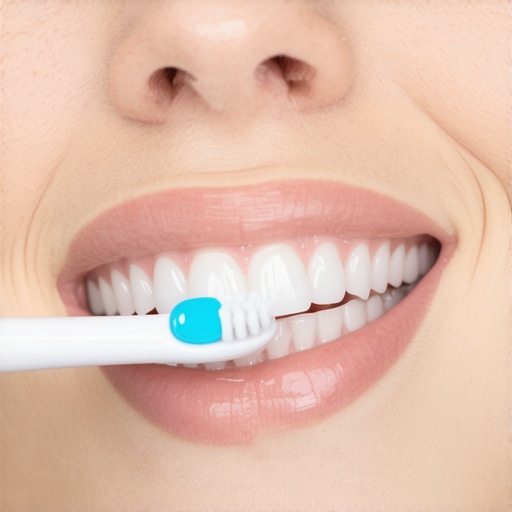 Many individuals assume that all dental procedures, especially cosmetic ones like Invisalign and teeth whitening, are straightforward and universally effective. However, as an oral health expert, I can tell you that there’s a common misconception: people often underestimate the nuances that influence successful outcomes. For example, many believe that Invisalign is just about wearing clear aligners, but they overlook that its success heavily depends on proper maintenance and patient commitment, which is detailed in [Invisalign success stories](https://smilezdentist.com/invisalign-success-stories-real-patients-real-transformations). Moreover, some think that cosmetic dentistry offers instant perfection, ignoring that each smile requires personalized planning and understanding of tissue health. A widespread myth is that all teeth whitening treatments are created equal; in reality, some can cause sensitivity if not properly selected or executed, as highlighted in [cosmetic dentistry trends](https://smilezdentist.com/cosmetic-dentistry-trends-that-transform-smiles-today).
An important nuance often missed is the importance of timing and oral hygiene before and after procedures. Many patients focus solely on the cosmetic aspect but neglect that underlying issues like gum health significantly affect the longevity of results. This trap can lead to disappointment or even damage, as discussed in [The secret to long-term dental health](https://smilezdentist.com/teeth-cleaning-secrets-how-regular-care-boosts-oral-health-at-any-age).
What many don’t realize is the critical role your dentist plays beyond the chair. Choosing a practitioner trained in comprehensive care rather than just cosmetic procedures can prevent many pitfalls. For instance, improper attachment of Invisalign attachments or insufficient cleaning routines can prolong treatment or cause complications. For tips on selecting a skilled professional, check [How to choose the best dentist](https://smilezdentist.com/how-to-choose-a-dentist-for-your-invisalign-transformation).
The ‘oops’ factor often manifests when patients neglect regular maintenance; for example, dismissing early signs of misalignment or uneven wear can negate the benefits of treatments. Additionally, a common mistake is misjudging the importance of maintaining optimal oral hygiene routines alongside cosmetic efforts, which can undermine long-term results and even lead to periodontal issues. As emphasized in [Maintaining your teeth cleaning routine](https://smilezdentist.com/maintaining-your-teeth-cleaning-routine-for-long-term-health), consistent care is vital.
Now, for those seeking an advanced insight: why does improper occlusion adjustment post-treatment sometimes cause discomfort or relapse? This is where understanding the biomechanics of bite and tissue adaptation becomes critical. Studies indicate that neglected bite adjustments can compromise the stability of restorative work, making it essential to follow up with your dentist for comprehensive bite evaluation, as outlined in [Choosing the right Invisalign options](https://smilezdentist.com/choosing-the-right-invisalign-options-for-your-lifestyle).
In conclusion, the real expertise lies in recognizing the subtle factors, avoiding common myths, and maintaining a proactive approach to dental health. Have you ever fallen into this trap? Let me know in the comments.
Investing in the Right Tools for Durable Results
Maintaining the longevity of your Invisalign treatments or cosmetic dental work requires not just good habits but also the right tools. Personally, I rely on a set of specialized equipment that ensures my smile stays flawless and my dental investments pay off. One of my must-have tools is a water flosser, specifically the Oral-B Water Flosser. Not only does it make cleaning around aligners or veneers effortless, but it also reaches areas traditional floss can’t access, reducing plaque buildup that can compromise results over time.
Furthermore, I swear by a digital intraoral camera like the Carestream CS 3600. It allows me to monitor my oral health visually, catching potential issues early before they escalate, which is crucial for maintaining long-term benefits from cosmetic procedures. Regular self-assessment using such technology helps me stay proactive about my dental health and ensures my smile remains radiant.
Software and Apps to Track Your Progress
Beyond physical tools, leveraging technology is vital. I use the My Invisalign App to track my aligner wear time, receive reminders, and access personalized tips from my orthodontist. This integration keeps me accountable and helps prevent common mistakes like skipping aligners or wearing them improperly, which can jeopardize treatment success (more on Invisalign maintenance).
Additionally, I recommend apps like Dental Monitoring that enable virtual checkups. These digital consultations can identify minor issues early — ensuring your results stay on track without frequent office visits. As technological advancements continue, the future of cosmetic dentistry emphasizes at-home monitoring tools to support ongoing maintenance and prevention.
Why Routine Maintenance Matters
Long-term success in cosmetic dentistry heavily depends on consistent maintenance routines. Even with the best tools, neglecting daily oral hygiene routines or periodic professional cleanings can lead to staining, plaque buildup, or even decay nearby restorations. I schedule biannual deep cleanings and regularly update my cleaning toolkit to include gentle, yet effective products.
Using products like modern teeth cleaning innovations that reduce sensitivity can make routine care more comfortable and effective, reinforcing the importance of staying current with advancements.
How do I maintain my smile and dental work over time?
Consistent use of specialized tools such as water flossers, digital monitoring apps, and regular professional care are among the most effective ways to ensure your cosmetic dental results endure. Additionally, paying attention to your diet — avoiding stain-causing foods and beverages — complements your maintenance routine. Remember, the goal is to preserve the beauty and health of your smile for years to come.
For personalized advice or to explore advanced maintenance options, I encourage you to schedule a consultation with your dentist. Using dedicated tools and smart routines isn’t just about aesthetics; it safeguards your investment and keeps your smile confident for the long haul.
Ready to upgrade your dental maintenance game? Try incorporating a water flosser into your daily routine today. Your teeth and your future self will thank you!

What I Wish I Knew Before My Smile Journey
One of the biggest lessons I learned is that cosmetic dental work isn’t a quick fix; it requires patience, commitment, and understanding the nuances behind each procedure. I once thought that a perfect smile was just about the results, but I discovered that the right aftercare and lifestyle choices make all the difference in maintaining that radiance. Additionally, I realized that not all dentists are equal in their approach; finding a practitioner who values personalized care over cookie-cutter solutions transformed my entire experience. This journey taught me that empowering yourself with knowledge and asking the right questions can significantly elevate your smile transformation.
Gear Up with Trusted Resources
Over the years, I’ve come to rely on a few key tools and sources that have kept my dental health on track. The Invisalign success stories website offers inspiring real-life transformations that remind me of what’s possible with proper care. For ongoing education, the cosmetic dentistry myths page helps me separate facts from fiction and stay realistic about expectations. Additionally, to keep my routine sharp, I frequently consult reputable apps like Invisalign maintenance tips for practical advice and motivation.
Believe in Your Smile: Take Action Today
Your dental transformation is a personalized journey, and the best time to start is now. Whether you’re considering Invisalign, veneers, or general teeth cleaning, remember that every step counts toward long-term confidence and health. Embrace the process, stay consistent, and don’t hesitate to reach out to your dentist for tailored guidance. Your dream smile is within reach — taking proactive steps today ensures a future filled with smiles that truly reflect your inner confidence. What small change will you make in your dental routine today to move closer to your ideal smile? Share your thoughts below! партнерский ссылка