
I remember the day I finally had my eureka moment about my persistent bad breath. Despite diligently brushing after every meal, flossing, and even using mouthwash, my breath still carried that unmistakable sulfur stink. It wasn’t just embarrassing; it made me question whether I was doing everything right or if something more sinister was going on. Have you ever experienced this frustrating paradox, where your efforts seem to go unnoticed by your mouth?
Spotting the Hidden Culprit of Sulfur Smell
Many people, including myself early on, assume that regular brushing is enough to keep bad breath at bay. But what I discovered is that our mouths are more complex than just teeth and gums. The sulfur smell often originates from gases produced by bacteria lurking in areas we might overlook, like the back of the tongue or between the teeth. These bacteria breed in the tiny pockets and crevices left untouched even by thorough brushing. This realization was a lightbulb moment for me and could be for you too.
Most dental professionals agree that addressing these hidden areas is crucial. It’s not just about freshening breath temporarily but about understanding the root cause of persistent sulfur odors and tackling them effectively. In fact, a study published in the Journal of Clinical and Experimental Dentistry highlights how bacteria in the posterior tongue can significantly contribute to halitosis, even in patients with good oral hygiene.
If you’re tired of masking the smell or feeling self-conscious about your breath, know that there’s hope—and likely some simple steps you haven’t tried yet. But before diving into solutions, it’s worth examining a common mistake I made in my quest for fresh breath.
Kickstart Your Oral Hygiene Routine
Begin with a thorough brushing of your teeth, but pay extra attention to the tongue and behind the teeth—areas prone to bacterial buildup that causes sulfur odors. Use a soft-bristled toothbrush and gentle circular motions to avoid damaging your gums. Regular brushing prevents plaque from harboring smelly bacteria that thrive in hard-to-reach spots.
Incorporate Tongue Cleaning
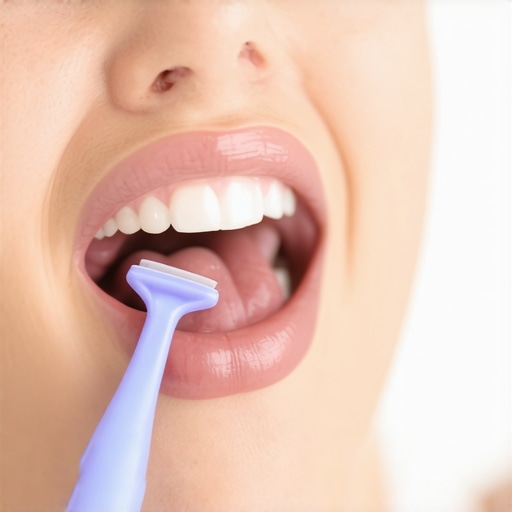
Use a tongue scraper or the back of your toothbrush to gently remove bacteria and debris from the tongue’s surface, especially the posterior (back) region where bacteria tend to accumulate. During my own routine, I discovered that scraping my tongue every morning drastically reduced the sulfur smell that conventional brushing missed. Consistency is key—make this a daily habit for noticeable results.
Use Targeted Mouthwash
Select an antibacterial or anti-halitosis mouthwash designed to neutralize volatile sulfur compounds. Rinse thoroughly for 30 seconds, ensuring coverage of the entire mouth, including the back of the tongue. I found that switching to a mouthwash containing chlorhexidine or cetylpyridinium chloride made a tangible difference in reducing persistent odors. Combine this with flossing for comprehensive cleaning.
Deep Cleaning with Flossing
Floss daily to remove food particles and plaque between teeth where bacteria lurk unnoticed. Use a fresh section of floss for each space to prevent reintroducing bacteria. This simple step can break the cycle of bacterial growth responsible for sulfur production. I once overlooked flossing and continued to smell sulfur—adding it into my routine made an immediate impact.
Address Hidden Areas with Specialized Tools
For stubborn bacteria, consider using interdental brushes or water flossers to reach tight spaces and crevices around braces or dental implants. These tools can dislodge debris that regular floss can’t reach. During my dental visits, my hygienist emphasized the importance of these devices. Regular use enhances overall cleanliness and halts odor recurrence.
Salivary Flow Matters
Maintain adequate saliva production by staying hydrated and chewing sugar-free gum or xylitol mints, which stimulate saliva. Saliva naturally cleanses the mouth and reduces bacterial colonies. Personally, I noticed my breath improved when I increased water intake and avoided dry-mouth foods, which can encourage bacterial growth.
Visit Your Dentist for a Check-up
If stubborn sulfur smell persists despite all efforts, schedule a professional cleaning and consultation. Dentists can identify underlying issues like cavities, gum disease, or other infections contributing to halitosis. I visited my dentist after trying home remedies, and professional cleaning made a significant difference. Consider exploring options in dental professional guidance.
 While many believe that brushing more vigorously or using the latest whitening products guarantees a perfect smile, the reality is far more complex. One prevalent myth is that all dental treatments are equally suited for everyone, but in truth, tailoring your approach based on individual nuances yields better long-term results. For instance, aggressive brushing can damage enamel or gums, contradicting the common advice to brush harder for cleaner teeth. As highlighted in a recent study published by the Journal of Dental Research, overbrushing can lead to enamel erosion and increased sensitivity, a crucial nuance often overlooked. Additionally, many assume that Invisalign is suitable for all alignment issues; however, it’s essential to assess case complexity with a professional to avoid suboptimal outcomes. Skipping this step might lead you to invest in a treatment that doesn’t address your specific needs, ultimately costing more time and money. One common mistake in cosmetic dentistry is chasing quick fixes like whitening without considering underlying structural issues, which can result in uneven or unnatural appearances. Deepening your understanding of the intricate processes involved allows you to choose treatments that not only enhance aesthetics but also preserve your oral health. Have you ever fallen into this trap? Let me know in the comments. Recognizing these hidden nuances can make all the difference—so consult with experienced professionals who understand the subtleties of dental science, like those at choosing the right dentist or exploring cosmetic dentistry innovations in 2025. Remember, lasting results come from nuanced understanding rather than superficial treatments.Maintaining your smile’s health and appearance requires more than just regular brushing and visits to the dentist. The right tools can make a significant difference in ensuring long-term results, especially when dealing with Invisalign, cosmetic dentistry, or general oral hygiene routines. One device I personally swear by is the Waterpik water flosser. Its pulsating streams effectively dislodge plaque and debris from hard-to-reach areas, which is essential for preventing decay and gum issues, particularly around braces or veneers. I use mine daily after meals, and it’s proven to enhance my oral health and keep my cosmetic investments looking pristine.
For those with sensitive teeth, an ultrasonic electric toothbrush like the Philips Sonicare ProtectiveClean has been a game-changer. Its gentle yet powerful sonic vibrations remove plaque efficiently without aggravating sensitivity. I recommend starting with the lowest setting and gradually increasing as your gums adapt. Incorporating such a device into your routine can help extend the lifespan of whitening treatments and prevent unnecessary wear on your enamel.
Monitoring your oral health with digital tools also offers long-term benefits. The Oclean app, compatible with certain electric toothbrushes, tracks your brushing patterns, frequency, and coverage. Utilizing these insights allows you to identify neglected spots and optimize your brushing technique, leading to more consistent results. Over time, this attention to detail helps preserve your smile’s brilliance and health.
When it comes to cosmetic dentistry, staying updated on innovations is crucial. For example, the latest in veneers involves ultra-thin porcelain options that bond securely to your teeth, providing natural aesthetics with minimal prep. Ensuring you work with a skilled dentist who uses such advanced materials guarantees durable, beautiful results. Regularly scheduled check-ups, supported by these tools, create a comprehensive strategy for long-term success.
Looking ahead, the trend leans toward smarter, more integrated oral care devices. Artificial intelligence features are beginning to analyze your brushing habits and suggest personalized improvements, much like how fitness apps guide your workouts. I predict that in the near future, these smart tools will become standard, making routine maintenance both effortless and highly effective.
So, how do I maintain my Invisalign aligners and prevent staining? I recommend regularly soaking them in a specialized cleaning solution like Invisalign cleaning crystals. This ensures clarity and hygiene, which I’ve found critical in maintaining their invisible appearance. Consider trying this tip to keep your aligners pristine and your smile radiant over the long haul. For more detailed insights on long-term orthodontic care, visit our guide on Invisalign maintenance expert tips. Keep investing in the right tools today, and your smile will thank you for years to come.
What Nothing Taught Me About Effective Oral Hygiene
Sometimes, the most crucial lessons come from mistakes—like neglecting the back of my tongue, which I used to overlook, thinking brushing alone would suffice. Discovering bacteria hiding in those tiny crevices taught me that a comprehensive routine is essential for lasting freshness and health.
Another eye-opener was realizing that overly aggressive brushing can do more harm than good, eroding enamel and irritating gums. Moderation and proper technique matter more than brute force. These insights reshaped my entire approach to dental care.
My Top Picks for a Radiant Smile
- Waterpik Water Flosser: An absolute game-changer that helps reach those stubborn spots around braces and veneers—something I trust deeply after seeing the difference in my own routine.
- Philips Sonicare ProtectiveClean: Gentle on sensitive teeth yet powerful in removing plaque, this electric toothbrush has improved my oral health beyond expectations.
- Oclean App: A smart companion that tracks my brushing habits, ensuring I don’t miss those hidden corners—the secret to consistent results.
- Ultra-Thin Veneer Materials: Working with advanced cosmetic materials has transformed my smile subtly yet effectively, boosting my confidence exponentially.
Let Your Smile Lead the Way
Remember, the journey to a healthier, more confident smile isn’t about quick fixes—it’s about consistent effort and embracing new tools that genuinely work. Your best smile is within reach when you make informed choices and trust your professional advisors.
What’s your biggest challenge in maintaining your oral health routine? Share your experiences below—I’d love to hear your story and help you find solutions!