
I will never forget the Tuesday night I tried to enjoy a simple glass of iced tea. One sip hit the back of my molar, and my whole world turned into a lightning storm of pain. I sat there, clutching my jaw, feeling like a total fool. I had just finished my [Invisalign transformation](https://smilezdentist.com/how-to-choose-a-dentist-for-your-invisalign-transformation) a year prior and honestly thought my teeth were invincible. But there it was. That nagging, sharp ache that wouldn’t quit. For weeks, I convinced myself it was just temporary sensitivity. I even started [using sensitive toothpaste](https://smilezdentist.com/the-truth-about-sensitive-toothpaste-and-how-long-it-takes-to-work), hoping the problem would just vanish into thin air. It didn’t. My biggest mistake was assuming all dental pain is created equal. I didn’t want to bother my dentist over what I thought was “nothing,” especially since I’m religious about [maintaining my teeth cleaning routine](https://smilezdentist.com/maintaining-your-teeth-cleaning-routine-for-long-term-health). But a hidden cavity is a sneaky little monster. It hides in the nooks and crannies where your brush can’t reach, even if you’re a pro. Today, I am going to show you how to stop the guessing game using a simple cold water test you can do right in your kitchen. We are going to find out if that zing is just a passing phase or a sign you need to [choose a dentist for your smile journey](https://smilezdentist.com/choosing-the-right-dentist-expert-tips-for-your-best-smile-journey) before the damage gets worse.
Why You Can’t Ignore That Sharp Zing Any Longer
Look, I have been there—standing in front of the bathroom mirror at 11 PM, poking at a molar like I’m some sort of amateur detective. When you feel that [specific reason your teeth feel sharp](https://smilezdentist.com/the-specific-reason-your-teeth-feel-sharp-after-a-professional-cleaning) or sensitive, your first instinct is usually denial. But ignoring it is like ignoring a check engine light; the repair only gets more expensive the longer you wait. A hidden cavity is particularly dangerous because it rots from the inside out, often leaving the enamel surface looking perfectly fine to the naked eye. Have you ever felt a random throb in your jaw and wondered if you were just imagining it? It might actually be your tooth trying to tell you it’s in trouble. We are going to use temperature to force that hidden cavity to reveal itself.
Will a Splash of Water Really Tell Me the Truth?
It sounds a bit too simple, doesn’t it? You might be thinking this is some “old wives’ tale” that doesn’t hold water. But the science behind how dentin reacts to temperature is actually quite sound. According to the American Dental Association, pulpal sensitivity—the way the nerve inside your tooth reacts to external stimuli—is one of the primary ways professional dentists begin to diagnose underlying issues. While [modern digital scans catch cavities that X-rays miss](https://smilezdentist.com/how-we-use-digital-scans-to-catch-cavities-that-x-rays-might-miss), your own body often signals a problem long before the machines do. I learned the hard way that a three-second cold water test could have saved me from a very expensive crown. If you have noticed that [your tooth hurts when you lean forward](https://smilezdentist.com/why-your-tooth-hurts-when-you-lean-forward) or when you hit it with a cold breeze, you are already halfway to an answer. I’m going to walk you through the exact steps to perform this test safely so you can walk into your next appointment with confidence instead of questions.
Gather Your Kitchen Tools Before You Start
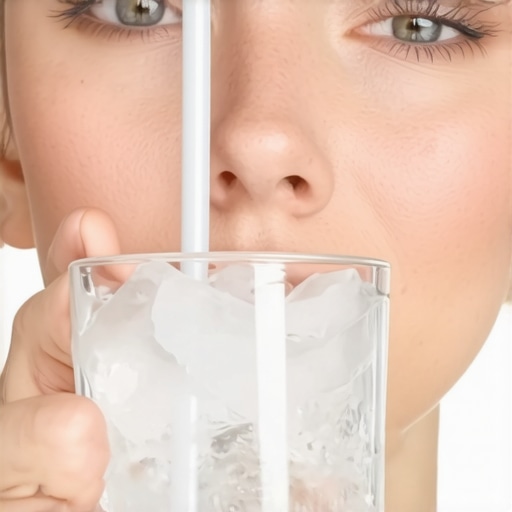
You don’t need a lab coat or a dental degree to do this, but you do need surgical precision. Grab a glass of ice water—the kind where the outside of the cup is sweating—and a simple drinking straw. Think of the straw as your diagnostic precision tool. Without it, you are just dousing your entire mouth in cold, which makes it impossible to tell if the pain is coming from a specific molar or just general issues that require teeth cleaning for sensitive teeth. When I first tried this, I just gulped the water and ended up with a massive brain freeze and a sore jaw, totally missing the actual problem area. You want to be a sniper, not a carpet bomber.
Why the Straw Is Your Secret Weapon
By using a straw, you can direct a small, controlled stream of cold water directly onto the biting surface or the side of the tooth you suspect is the culprit. Even if you have recently benefited from modern teeth cleaning innovations that reduce sensitivity, your enamel might look great while a hidden cavity lurks beneath the surface. The straw allows you to bypass the gums and hit the tooth structure itself. This is vital because you are trying to trigger the dentin, the layer beneath your enamel that communicates directly with the nerve. If that nerve is exposed by decay, it will let you know instantly.
How to Run the Test Without Making a Mess
Take a small sip through the straw and hold the water against the specific tooth for exactly three seconds. Then, swallow or spit and wait. This is the most critical part of the process: the “recovery time.” I remember sitting at my kitchen island with a stopwatch in hand, feeling like a bit of a mad scientist. The first tooth I tested gave me a sharp “yip” that vanished the second the water was gone. That is usually just a sign of minor recession or thin enamel. But when I hit the back molar? The pain didn’t just stop; it bloomed. It felt like a hot wire was being threaded through my jawbone. If the ache lingers for more than 10 to 15 seconds after the cold stimulus is gone, you are looking at a structural failure rather than simple sensitivity.
Tell the Difference Between Sensitivity and Deep Decay
A cavity is essentially a hole in your tooth’s defense system. When cold water hits that hole, it reaches the pulp—the living heart of your tooth. While it is true that how regular teeth cleaning can prevent major dental issues is your best defense, even the most diligent routine can miss a microscopic fissure. If your tooth feels a sharp shock that dissipates instantly, you might just need to learn the truth about sensitive toothpaste and how long it takes to work. However, if the pain is dull, throbbing, or makes you want to clutch your face, that is your body’s alarm system. You might even find that the weird reason your old filling feels cold when you breathe in was actually a warning sign for this test. Understanding how to tell if your jaw pain is actually a cavity early can be the difference between a simple filling and a much more invasive root canal.
While that cold water test is a fantastic first step, it is only the beginning of a much deeper diagnostic journey. I used to believe that if I could just identify the source of the pain, I could solve it with better brushing or perhaps a special rinse. But here is the nuance most people miss: dental health isn’t just about pain or the lack of it. It is about structural integrity. Many patients walk into a clinic asking for the ultimate guide to teeth whitening and cosmetic enhancements because they want a Hollywood smile, yet they are sitting on a ticking time bomb of enamel erosion that no amount of bleach can fix. In fact, focusing purely on aesthetics is one of the most common mistakes I see.
Don’t Mistake a Bright Smile for a Strong One
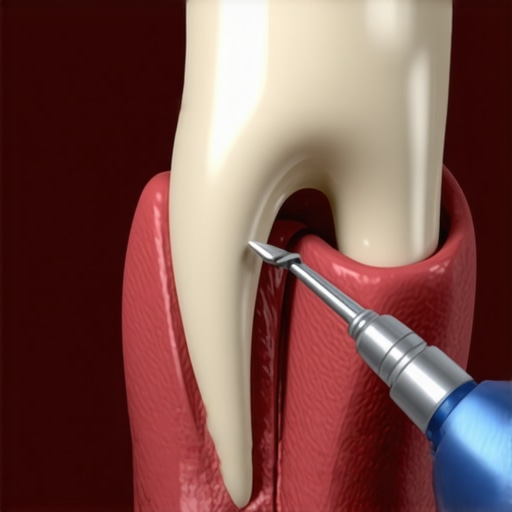
Everyone says a white smile is a healthy smile, but in my experience, a blindingly white row of teeth can actually mask significant underlying issues. We often see cosmetic dentistry myths debunked in the chair when we realize that the patient’s enamel has been thinned by aggressive DIY whitening. This is the “Oops” factor you must avoid: using abrasive materials like charcoal or following the truth about using baking soda to scrub away surface stains can lead to permanent damage. You might get the stains off, but you are literally sanding down your tooth’s armor. This thinning of the enamel is exactly why your teeth look yellow near the gumline but white at the tips; the yellow is the dentin showing through where the enamel is gone.
Can You Actually Clean Your Teeth Too Much?
It sounds contrarian, but “over-cleaning” is a very real threat to your oral health. This is often discussed in teeth cleaning myths debunked by top dentists. If you are scrubbing your teeth three or four times a day with a hard-bristled brush, you are likely causing gum recession. A study published in the Journal of Dentistry notes that non-carious cervical lesions—basically wear and tear at the gum line—are frequently caused by improper, aggressive brushing techniques rather than a lack of hygiene. This is why how regular teeth cleaning can prevent major dental issues only works if it is done with the correct pressure and tools.
The Compliance Trap Most Invisalign Users Fall Into
If you are currently on an alignment journey, you might have noticed that why your teeth feel loose during your Invisalign treatment is a common sensation. The trap here is thinking that as long as the trays are in, you are safe. Many people assume Invisalign vs traditional braces is just a choice of aesthetics, but the nuance lies in the hygiene requirement. Because the trays trap saliva (and bacteria) against your teeth, failing to clean them perfectly can lead to rapid-fire decay that even a professional cleaning will struggle to reverse. This is where Invisalign maintenance expert tips for clear confident smiles become your best friend. Have you ever fallen into this trap of prioritizing the look of your teeth over the actual foundation? Let me know in the comments.
My Personal Toolkit for a Lifetime of Dental Health
Once you’ve successfully identified a hidden cavity or finished an alignment journey, the real work begins: the long-game of maintenance. I used to think a basic toothbrush and a prayer were enough, but after my own dental scares, I’ve upgraded to what I call my ‘Professional-Grade Home Suite.’ If you want to avoid the cycle of repair and regret, you need to be specific about your gear. For instance, I moved away from manual flossing entirely because of the hidden reason your floss keeps shredding between two specific teeth—which was often a sharp edge on an old filling. Now, I rely on a high-pressure water flosser. But here is the pro tip: I add a capful of alcohol-free antimicrobial rinse to the water reservoir. This doesn’t just blast out debris; it chemically disrupts the biofilm in areas your brush will never touch.
Why I Swapped My Regular Brush for an Ultrasonic Aligner Cleaner
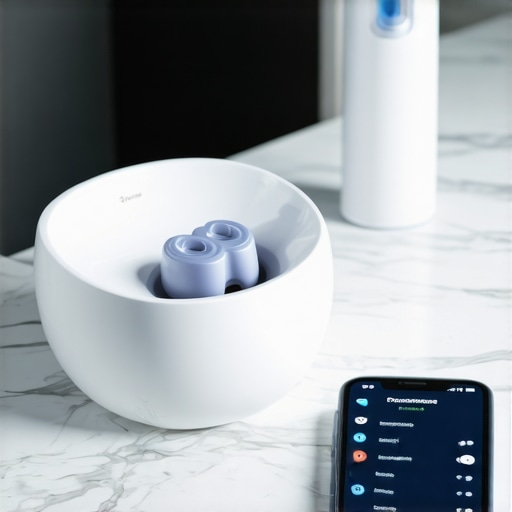
For those of you navigating life with clear trays, you know the struggle of keeping them pristine. I learned quickly that the reason your Invisalign trays turn cloudy and how to clear them isn’t just about rinsing them in the sink. I personally use a small ultrasonic pod—the same technology jewelers use—to shake loose microscopic plaque. A study published in the International Journal of Dentistry found that ultrasonic cleaning is significantly more effective at reducing Streptococcus mutans colonies on thermoplastic aligners compared to manual brushing alone. This keeps the trays invisible and, more importantly, prevents them from acting as a petri dish for decay. It’s one of those Invisalign maintenance expert tips for clear confident smiles that actually changes the health of your breath, not just the look of your teeth.
How do I maintain my smile results for years instead of months?
Consistency is a cliché, but precision is a strategy. To keep your results from fading, you have to treat your mouth like a high-performance machine. This means maintaining your teeth cleaning routine for long-term health with a ‘seasonal’ mindset. Every three months, I swap my toothbrush head and perform a ‘seal check’ in the mirror. If I see any signs of why your teeth look yellow near the gumline but white at the tips, I immediately adjust my acidity intake. Long-term success also means knowing when to call in the pros for modern teeth cleaning innovations that reduce sensitivity and boost results. Don’t wait for pain; use your kitchen test as a monthly audit to ensure everything is still structurally sound.
The Future of AI in Your Bathroom Mirror
I predict that within the next five years, we won’t just be guessing if we have a cavity. We are moving toward ‘Smart Dentistry’ where your electric toothbrush will use AI to map your mouth and send a report to your clinic. This is why Invisalign is the future of clear braces—it already utilizes massive data sets to predict tooth movement. In the future, your phone will likely alert you to a ‘biofilm spike’ before a cavity even forms. For now, the best thing you can do is stay ahead of the curve by choosing the right dentist expert tips for your best smile journey who embraces these technological shifts. My advice? Grab an ultrasonic cleaner for your aligners or nightguards today. It is the single best $40 investment I’ve made for my oral health this year.
The Hardest Lesson I Learned About Dental Denial
If there is one thing my journey has taught me, it is that waiting for ‘real pain’ is the most expensive mistake you can make. I used to think that if I wasn’t popping ibuprofen, my teeth were fine. But structural health is often silent. One lightbulb moment for me was realizing that teeth cleaning myths debunked by top dentists often point to the same thing: we underestimate the power of prevention. I also learned that choosing the right dentist expert tips for your best smile journey isn’t just about finding someone close to home; it is about finding a partner who values technology as much as technique and honesty.
My Non-Negotiable Gear for a Healthy Smile
I have trimmed my routine down to the essentials that actually move the needle for long-term health. First, an ultrasonic cleaner is a game-changer if you use any kind of clear aligners or nightguards. Second, I stopped using abrasive, charcoal-based pastes after learning about cosmetic dentistry myths debunked; your enamel is too precious to sand away for a temporary white. Finally, I trust the data behind Invisalign innovations why 2025 is the year for a perfect smile because they prove that precision alignment is about more than just a straight row—it is about making your teeth easier to maintain for a lifetime.
#IMAGE_PLACEHOLDER_E#
The Future of Your Smile Starts in Your Kitchen
You now have the tools to be your own first line of defense. That glass of cold water and a simple straw are your ‘early warning system’ against decay. Don’t be afraid to take that first step toward maintaining your teeth cleaning routine for long-term health. Your future self—the one with a full set of strong, natural teeth—will thank you for the five minutes you spent testing them today. Have you ever tried the cold water test at home, or did you wait until a major toothache forced you into the chair? Let me know in the comments!