
I was staring at the floor of the minivan, and there it was. A tiny, translucent blue ring that looked suspiciously like a piece of a Lego set but was actually the vital orthodontic spacer from my daughter’s back molars. My heart sank. Again? We had just been at the office three days ago. If you’ve ever played ‘find the spacer’ in a bowl of oatmeal or on a fuzzy rug, you know the exact mix of frustration and ‘not-another-appointment’ dread that I’m talking about. Dealing with orthodontic gear feels like a full-time job, especially when you are already worried about [how to tell if your child is actually brushing](https://smilezdentist.com/how-to-tell-if-your-child-is-actually-brushing-or-just-wetting-the-bristles) or just playing with the water.
Why These Little Gaps Are a Huge Deal
Spacers, or separators, are the unsung heroes of the orthodontic world. They do the heavy lifting of creating space for bands before the real braces go on. I used to think they were optional—until I tried to ‘help’ the process by using a toothpick to jam one back in after it fell out. Let me tell you, that was a massive mistake. It was painful for my kid, unsanitary, and it didn’t even stay for an hour. It’s much better to focus on [teeth cleaning tips](https://smilezdentist.com/teeth-cleaning-tips-for-a-brighter-smile-this-spring) that work around the hardware rather than playing amateur orthodontist. Today, I am going to show you how to keep those little rings exactly where they belong so you can avoid extra trips to the clinic.
Is This Stressful Step Actually Worth the Hype?
You might be tempted to think that if the spacer falls out, it just means the gap is already wide enough. While sometimes true, the American Association of Orthodontists (AAO) emphasizes that these small devices are critical for ensuring that orthodontic bands fit securely without damaging the gums. Skipping this step or ignoring a lost spacer can lead to a much more painful experience when the permanent bands are placed. It’s a ‘pay now or pay later’ situation with your child’s comfort. Have you ever found yourself panicking over a lost dental part right before a big event?
The Sticky Food Trap That Most Parents Ignore
The biggest culprit for a wandering spacer is almost always the ‘forbidden’ list of foods. We all know about taffy and caramel, but I made the mistake of thinking ‘healthy’ dried mango was fine. Spoiler: it wasn’t. Even during a regular [teeth cleaning for sensitive teeth](https://smilezdentist.com/teeth-cleaning-for-sensitive-teeth-what-works-best-in-2025), you have to be careful, but the day-to-day eating habits are where the real battle is won. If you want to avoid an emergency trip to see a [dentist who gets your smile](https://smilezdentist.com/finding-a-dentist-who-gets-your-smile-tips-from-top-cosmetic-pros), you have to be the ‘snack police’ for a few days. Keeping these in place is all about preventing that initial ‘tug’ from a sticky treat.
How to Keep Those Tiny Blue Rings From Vanishing
Once you’re home from the office, the clock starts ticking. Those spacers are only meant to stay in for a week or two, but they are incredibly prone to ‘escaping’ if you don’t have a plan. The first thing I learned the hard way is that you can’t just trust your kid when they say it’s still there. You need a visual. I started a routine called the ‘Flashlight Check’ every night before bed. It takes ten seconds, but it saves us a 45-minute drive back to the specialist. I realized early on that if I didn’t see that little pop of blue, we were already in trouble. It’s like checking the oil in your car; a quick look now prevents a total breakdown later.
Stop Scrubbing: Your New Brushing Strategy
Your usual scrubbing motion is the enemy of the spacer. Think of the spacer like a fragile sticker on a wet surface; if you swipe across it with force, it’s going to peel right off. Instead of the back-and-forth sawing motion we usually teach, you need to switch to a ‘stipple’ or ‘dab’ method. I tell my daughter to pretend she’s painting a delicate masterpiece. We focus on the chewing surfaces and the front, but when we get to those back molars, we use a soft-bristled brush and move in tiny, circular motions that never ‘hook’ the edge of the blue ring. If you’re struggling with the transition, checking out the best way to clean teeth when you have braces can provide a great blueprint for this specialized care. I actually found that using a manual brush during this week is easier than an electric one, as the high-frequency vibrations can sometimes wiggle the spacer loose if it’s already a bit slippery.
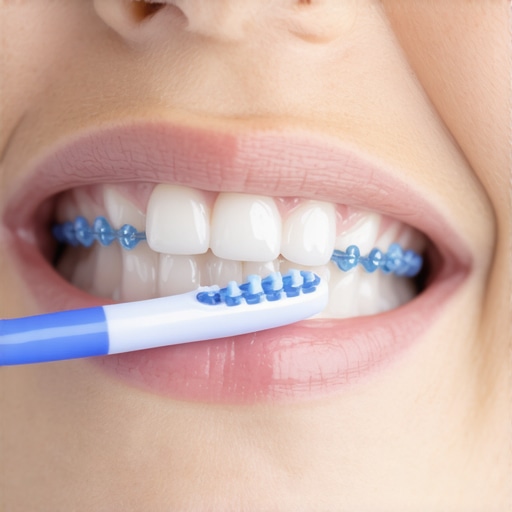
Why You Must Avoid the Forbidden Floss Zone
This is where most parents (including me) mess up. We are so used to the ‘snap’ of the floss that we do it on autopilot. With spacers, you cannot floss between the teeth where the spacer is located. You’re literally trying to keep a gap open that the spacer is already filling. If you try to force floss in there, you’ll either shred the floss or launch the spacer across the bathroom. I remember one night I was so focused on maintaining your teeth cleaning routine for long-term health that I accidentally flossed the ‘forbidden zone.’ The spacer didn’t just fall out; it pinged off the mirror and landed in the sink. I spent twenty minutes on my hands and knees with a phone light. From then on, we used a ‘skip and hop’ method: floss everything else, but treat the spacer area like a construction zone—keep out. This ensures you aren’t compromising the long-term health of the gums while respecting the temporary hardware.
What to Do When the Spacer Feels Loose
If your child complains that the spacer feels ‘high’ or like they are biting on a piece of gum, don’t panic. That’s actually a sign it’s doing its job and the teeth are moving. However, if it’s dangling, don’t try to use tweezers. I once tried to ‘re-seat’ a loose one using a pair of eyebrow tweezers, thinking I was being clever. It was a disaster; I almost pinched my daughter’s gum, and the spacer just slipped further down. The safest move is to have them gently bite on something soft, like a marshmallow or a piece of white bread, to see if the vertical pressure helps it settle back into the groove. If that fails, it’s time to call the office, but don’t let teeth cleaning myths debunked by top dentists fool you into thinking a lost spacer is a dental emergency—it’s just a scheduling hiccup. If you notice the spacer is actually missing, check the floor immediately before the gap closes up and call your provider.
The dangerous myth of the ‘naturally’ ejected spacer
A common belief is that if the spacer falls out, the job is done. I used to think the same thing—if the tooth moved enough to let the ring slip, surely we were ready for the bands? This is actually where most people stumble. The ‘Oops’ factor here is the rebound. Teeth have a sort of ‘muscle memory’ in the bone; without that constant pressure, the gap can close up in a matter of hours. The American Association of Orthodontists (AAO) notes that separators provide the specific orthodontic force needed to overcome the resistance of the periodontal fibers. If you don’t call the office immediately, you risk showing up for the banding appointment only to find the space has vanished, necessitating a whole new week of spacers. This is why teeth cleaning myths debunked by top dentists are so vital to understand; the timing of dental care is often just as important as the procedure itself.
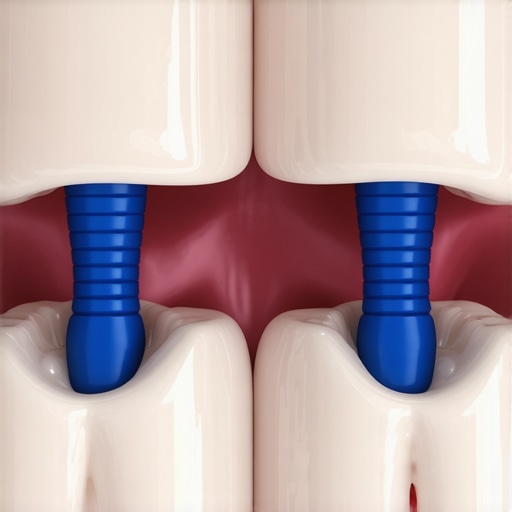
Why does it feel like your molars are suddenly too tall for your mouth?
If your child complains that their teeth don’t fit together right, they aren’t imagining it. This nuance is something many parents overlook. The spacer slightly ‘lifts’ the tooth in the socket as it creates horizontal room. It’s an odd sensation, much like the truth about why your front teeth feel loose on invisalign tray swap days. The mistake here is letting them chew gum or tough foods to ‘settle’ the tooth. You want to avoid any heavy vertical force that could drive the spacer into the gum line, which can cause inflammation. Instead, focus on maintaining your teeth cleaning routine for long-term health by using soft foods that don’t require heavy grinding. This protects the progress and the soft tissue.
Don’t fall for the ‘looks clean enough’ trap
When you have hardware in your mouth, plaque accumulates significantly faster than usual. I’ve seen parents back off on brushing because they are afraid of dislodging the spacer, but this leads to localized gingivitis in just a few days. You have to find the balance. As we learn through how regular teeth cleaning can prevent major dental issues, even temporary gaps need meticulous hygiene. If you are ever unsure about how a piece of hardware is sitting, it’s always worth finding a dentist who gets your smile to walk you through the specifics. Have you ever fallen into this trap of skipping a call because you thought a lost part was a good sign? Let me know in the comments below.
Equip your bathroom like a dental pro
Once you move past the spacer phase and into your full treatment, your standard toothbrush just isn’t going to cut it. I’ve found that the secret weapon in my arsenal is a high-quality water flosser with a specific orthodontic tip. Unlike the standard nozzle, the orthodontic tip has a tiny, tapered brush at the end. This allows you to physically scrub the area while the water pressure blasts away the loosened debris. It’s a game-changer for anyone worried about the best way to clean teeth when you have braces or spacers. I personally use it on the ‘pulse’ setting because it helps dislodge stubborn plaque without putting too much constant pressure on the temporary spacers or the new brackets. If you are using clear aligners instead, you might find how to get the plastic taste from new aligners to be an essential read for those first few days of every new tray swap.
How can I keep my results from fading over time?
Maintenance isn’t just about the weeks you have hardware in your mouth; it’s about the years that follow. The biggest mistake I see is the ‘relapse’ that happens when people get lazy with their retainers. Dr. Robert Boyd, a leading voice in orthodontic research, has highlighted that the use of interproximal brushes and consistent retainer wear is the only way to combat the natural physiological drift of teeth. I’ve started setting a recurring ‘Dental Audit’ on my calendar every six months. During this time, I check my retainer for thin spots and revisit invisalign maintenance expert tips for clear confident smiles to ensure my hygiene hasn’t slipped. If you’ve invested in why invisalign is the future of clear braces, you know that the freedom they offer is incredible, but that freedom requires the discipline of maintaining your teeth cleaning routine for long-term health.
The future of your smile is digital and proactive
Looking ahead, I predict we are entering an era of ‘AI-managed smiles.’ We are already seeing apps that allow you to take a photo of your teeth and receive an instant analysis of your gum health or hardware positioning. This will take the guesswork out of wondering if a spacer has moved or if a tray is seated correctly. This proactive approach is the ultimate way to ensure you never have to repeat a treatment. By staying ahead of the curve with how regular teeth cleaning can prevent major dental issues, you aren’t just saving your smile; you’re saving thousands in future corrective costs. Try this today: Swap your standard floss for one week for a set of silicone interproximal picks. They are gentler on spacers and much more effective at stimulating the gums without the ‘ping’ risk of traditional string floss. Give it a shot and see how much less ‘tall’ your molars feel by day three!
The One Reality of Orthodontic Discomfort No One Prepared Me For
After going through this multiple times, I’ve realized that the “phantom popcorn” feeling—the constant sensation that something is wedged between the teeth—is the hardest part for kids to handle. It’s not just the physical pressure; it’s the mental itch of wanting to ‘pick’ at it. I learned that distracting them with a new audiobook or a fun project during those first 48 hours is more effective than any pain reliever. It’s also a great time to discuss invisalign vs traditional braces which is smarter for your lifestyle if you are still weighing future options for siblings. Another lightbulb moment was realizing that a spacer falling out cleanly on day six is usually a victory, but a spacer falling out on day two is a call to the clinic.
My Sanity-Saving Kit for the Spacer Week
You don’t need a medical degree, but a few specific tools make this transition manageable. First, keep a pack of silicone interproximal picks handy; they are much safer for the gums than toothpicks. Second, I highly recommend a soft-bristled manual brush solely for the back molars to prevent accidental tugging. If you’re moving toward aligners later, learning the secret to keeping your invisalign trays perfectly clear for two weeks now will set the foundation for great hygiene habits. Finally, keep a list of ‘safe’ soft foods—mashed potatoes, yogurt, and smoothies—so you aren’t scrambling at dinner time when the complaints start.
#IMAGE_PLACEHOLDER_E#
A Little Patience Now for a Lifetime of Confidence
It might feel like you’re constantly hovering over your child’s mouth with a flashlight, but remember that this is the very first step in a transformation that will last a lifetime. These spacers are the foundation. By staying diligent with your teeth cleaning tips for a brighter smile this spring and beyond, you’re teaching your child that their health is worth the effort. Don’t worry if your child notices that their permanent teeth look yellow compared to baby teeth during your nightly checks; focus on the alignment and health for now. You’ve got this!
Have you ever had a “spacer emergency” right before a big event or a weekend trip? Let me know how you handled it in the comments below!