
I remember sitting on my couch, minding my own business with a bowl of lukewarm soup, when my tongue brushed against my new dental implant site and felt… movement. My heart hit the floor. I was terrified that the expensive titanium post I’d just had installed was failing, and I’d be back to square one with a gap in my smile. It wasn’t a sharp pain, just a nauseating little wiggle. I immediately ran to the mirror, convinced I was about to lose a tooth I hadn’t even fully “grown” yet. I poked at it with a clean finger, and sure enough, there was a tiny click-click sound that felt like a loud drum in my jaw. It is that specific kind of panic where you start calculating how much extra the repair is going to cost you before you’ve even called the office.
Don’t Panic When Your Healing Cap Starts Spinning
If you are feeling that distinct sensation where your dental implant crown feels like it is spinning, or in this case, the temporary healing cap, take a deep breath. You aren’t falling apart. The healing cap (or abutment) is basically just a placeholder. It’s there to shape your gums while the bone fuses to the implant. It’s screwed in, but sometimes, life—and chewing—happens. [image-placeholder] I made the absolute rookie mistake of trying to “snug” it back into place with a pair of eyebrow tweezers. Please, learn from my panic: do not do that. Metal-on-metal scratching can damage the precision threads of the implant itself, which is a much bigger headache than a loose cap. I ended up irritating my gums and worrying that I’d introduced bacteria into a sensitive surgical site. The truth is, a loose cap is usually a minor annoyance, not a clinical catastrophe. It’s a far cry from the actual tapping test for a loose dental implant, which checks the stability of the post itself. Today, we’re going to walk through exactly what to do (and what *not* to touch) so you can keep your recovery on track without a midnight emergency call. We will cover the difference between a loose screw and a loose fixture, and how to stay calm until you get into the chair.
Is This Healing Cap Actually Worth the Hype?
You might be wondering why we even bother with these little silver “buttons” in the first place. Can’t the gums just do their own thing? Why not just put a temporary crown on immediately? According to the American Academy of Periodontology, proper soft tissue management is critical because the way your gums contour around that cap determines how natural your final crown will look. If we skip this step or ignore a loose cap, the “emergence profile” of your new tooth might look more like a peg and less like a natural part of your smile. It’s the difference between a tooth that looks like it grew there and one that looks like a plastic sticker. Have you ever felt that sudden jolt of “oh no, my tooth is moving” only to realize it was just a loose piece of hardware? It’s a heart-stopping moment, right? Whether you’re dealing with this or wondering why your teeth feel loose during your invisalign treatment, the feeling of instability in your mouth is never fun. But let’s look at why this happens and how your dentist will fix it in about thirty seconds. This happens more often than you’d think, especially if you’re a heavy ‘tonguer’—you know who you are, constantly checking the site with your tongue to see how it’s doing.
Keep Your Tongue Away From the Surgical Site
It is the most natural instinct in the world to want to poke at something that feels ‘off’ in your mouth. I remember one Tuesday afternoon, after a particularly crunchy salad, I felt that telltale click. I spent the next three hours essentially doing a tongue workout, pushing the healing cap back and forth just to ‘check’ if it was still there. By the time I actually got to the office, my gums were bright red and throbbing—not because of the implant, but because I’d essentially been sandpapering my own soft tissue with the edge of the cap. To avoid this, you have to treat the area like a fresh wound.
Assess the Movement Without Using Your Hands
Before you call the emergency line, determine if the piece is spinning or if the entire foundation is shifting. If the silver button rotates in a circle, your implant is likely perfectly fine, and the tiny screw just needs a half-turn of a torque wrench. If your dental implant crown feels like it is spinning, it’s a hardware issue, not a biological failure. However, if the entire post moves side-to-side like a loose baby tooth, that requires more immediate attention. You can perform the tapping test for a loose dental implant using the back of a clean toothbrush to check for a solid, high-pitched ‘ring’ versus a dull thud. 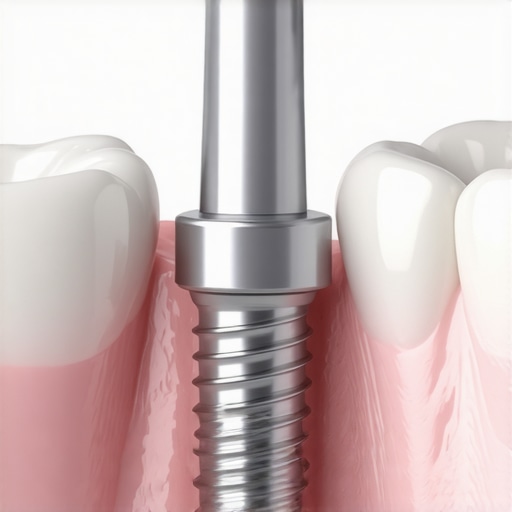
The Right Way to Clean Around a Loose Component
You still need to keep the area pristine, but you have to change your tactics. While you might usually be rigorous about your teeth cleaning tips for a brighter smile this spring, a loose cap requires a ‘hands-off’ approach. Switch to a very soft manual brush and avoid the area with your electric toothbrush, as the high-frequency vibrations can actually unscrew the cap further. I once made the mistake of thinking my Waterpik would ‘flush out’ the looseness, only to realize I was just pushing the cap further out of its socket.
Why You Need a Professional Torque Reset
You might be tempted to think that because it’s ‘just a screw,’ you can handle it. But dental implants require specific ‘Ncm’ (Newton centimeters) of torque. If you over-tighten it, you risk stripping the internal threads of the expensive titanium post. If you under-tighten it, it’ll just fall out in your soup again. When finding a dentist who gets your smile tips from top cosmetic pros, look for someone who prioritizes these quick ‘maintenance’ visits. My dentist literally had me in and out in four minutes. He used a tiny sterilized wrench, gave it a click, and the stability was back instantly.
What Happens If the Cap Falls Out Entirely
If the worst happens and the cap ends up on your dinner plate, don’t throw it away. Rinse it off and put it in a plastic baggie. The main job of that cap is to keep the gums from growing over the top of the implant. If the hole closes up, your dentist might have to numb you up and trim the tissue back to get the final crown on. While you wait for your appointment, stick to soft foods and keep the site clear of debris using a gentle salt water rinse. This is a much better strategy than trying to ‘glue’ it back in, which is a horror story I’ve actually heard from dental assistants. Maintaining your teeth cleaning routine for long-term health is vital, but in this specific instance, gentleness wins over thoroughness every time.Many people assume that once the implant is in, the hard work is over. But here is the nuance most people miss: your mouth is a living, shifting environment. I see so many patients obsessing over the shade of their teeth, thinking that a ‘Hollywood smile’ means pure paper-white. In reality, the secret to a Hollywood smile is often in the imperfections—the slight translucency and the way light bounces off the texture. If your crown is too opaque, it looks like a chiclet, not a tooth. This is where cosmetic dentistry myths debunked come into play. A major trap is thinking that more ‘grit’ means a cleaner tooth. I’ve seen people use charcoal pastes that essentially act like sandpaper. You should perform the grit test to see if your charcoal toothpaste is destroying your enamel before you commit to that trend. 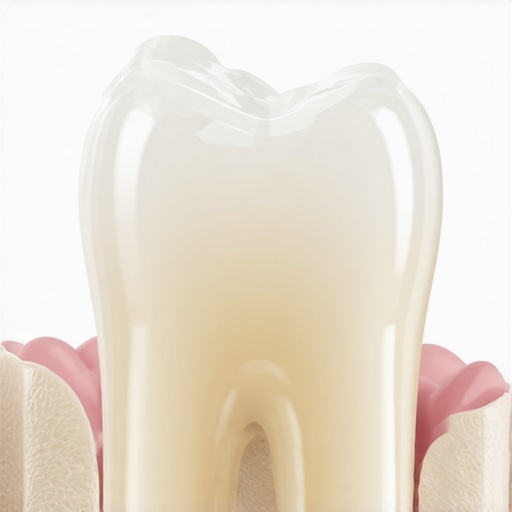
Stop Brushing Your Enamel Into Oblivion
Most patients believe that a ‘deep clean’ requires aggressive force, but the opposite is true. While you might want to follow maintaining your teeth cleaning routine for long-term health, scrub-brushing actually causes gum recession, which exposes the sensitive roots of your teeth. These roots don’t have enamel protection, and once they’re exposed, the truth about whitening strips and how they affect sensitive roots becomes a painful reality. A study published in the Journal of Clinical Periodontology highlights that the ‘microgap’ between an implant and its abutment can harbor bacteria if not managed with precision, leading to peri-implantitis even if the hardware is solid. This is why modern teeth cleaning innovations that reduce sensitivity and boost results focus on biofilm management rather than just brute-force scaling.
Can my jaw bone actually change shape years after an implant is placed?
It is a sophisticated concern, but the answer is yes. While the titanium post is fixed, the surrounding natural teeth can still shift due to age or grinding. This is particularly noticeable if you’ve noticed why your teeth feel loose during your invisalign treatment; the bone is constantly remodeling. If you don’t wear a retainer or manage your bite, even the most expensive implant can start to feel ‘off’ because the teeth around it have moved. Have you ever fallen into this trap of thinking your dental work was ‘one and done’? Let me know in the comments.
Stop Treating Your Aligners Like a Mouthguard
If you are currently in the middle of a transformation, you know that the plastic can get gross fast. I used to think a quick rinse was enough until I realized that’s exactly how to get the morning breath smell out of your invisalign case for good—by failing to clean the actual bacteria off the trays. Now, I swear by a dedicated ultrasonic cleaner. It uses high-frequency sound waves to blast away the micro-debris that your toothbrush can’t even see. It’s a game-changer for the secret to keeping your invisalign trays perfectly clear for two weeks. If you are just brushing them with toothpaste, stop. The abrasives in paste create tiny scratches that actually trap more bacteria and make the plastic look cloudy. 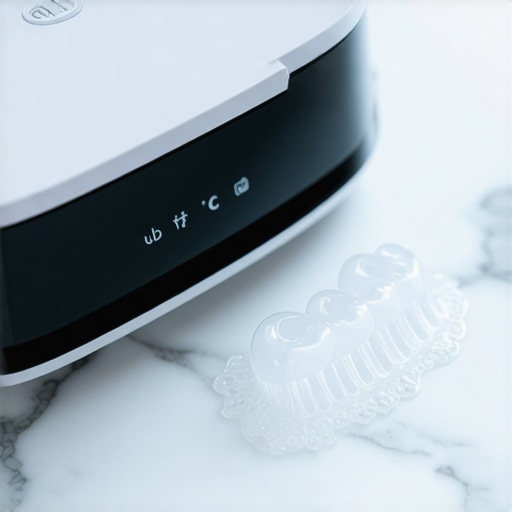
Get the Right Gear for Your Implant Foundation
When I first got my implant, I thought standard floss was enough, but the anatomy around a titanium post is different from a natural tooth. You need tools that respect the ‘biological seal.’ I personally use interdental brushes with plastic-coated wires. According to the International Journal of Implant Dentistry, utilizing metal-core interdental brushes can inadvertently create microscopic scratches on the titanium surface of an abutment, which then serves as a breeding ground for harmful biofilm. This is also why you should learn the best way to clean a permanent retainer without shredding your floss; the hardware requires precision, not force. Using a specialized stiff-ended floss (like Superfloss) allows you to bridge the gap between the gum and the hardware without irritating the tissue.
How do I keep my smile looking this good in five years?
This is the question that keeps most patients awake after they’ve spent thousands on their teeth. The answer isn’t just ‘brush more,’ it’s ‘brush smarter.’ Long-term success relies on maintaining that slick, biofilm-free surface you get right after a visit. You know that feeling why your teeth feel like polished glass after a professional prophy cleaning? You want to replicate that as closely as possible at home using an electric toothbrush with a pressure sensor. This ensures you’re removing the plaque without scrubbing away the gums that hold your veneers or implants in place. Following consistent teeth cleaning tips for a brighter smile this spring isn’t just about aesthetics; it’s about preventing the bone loss that can eventually lead to hardware failure.
AI and the Next Era of Personalized Dental Care
Looking ahead, the future of cosmetic maintenance is moving toward hyper-personalization. We are already seeing how we use digital scans to catch cavities that x-rays might miss, but the next step is AI-integrated home care. Imagine a toothbrush that doesn’t just tell you that you missed a spot, but analyzes the chemical composition of your saliva to tell you if you’re becoming more prone to staining or decay. We are moving away from the ‘one size fits all’ approach and into a world where your invisalign maintenance expert tips for clear confident smiles are based on your specific oral microbiome. My advice? Try switching to an ultrasonic cleaner for your aligners or retainers tonight; you will be shocked at how much cleaner your mouth feels by morning.
My Hardest Lessons from the Dental Chair
Going through the implant process taught me more than I ever expected about oral patience. First, I learned that a tiny bit of movement isn’t a death sentence for your tooth; usually, it’s just a loose screw that requires a simple reset. I also realized that my panic was often worse than the actual clinical issue. The biggest takeaway? Never, ever try to fix dental hardware yourself with household tools. I almost ruined a multi-thousand dollar procedure with a pair of $5 tweezers because I was impatient. If you stay calm and follow expert tips for clear confident smiles, the recovery becomes a breeze rather than a burden.
Tools That Actually Made My Recovery Easier
I found a few specific items helped keep my hygiene on point during the healing phase. First, Superfloss is a godsend for getting around the bulky healing caps without tugging or shredding. Second, Plastic-Coated Interdental Brushes are essential because they clean the gap without scratching the titanium surface. Third, using modern teeth cleaning innovations that reduce sensitivity, like a pressure-sensing electric brush, ensures you don’t over-scrub the healing site. Finally, simple saltwater rinses are still the most effective way to keep inflammation at bay without harsh chemicals.
Your Smile is a Long-Term Investment
It is easy to get frustrated when a component feels loose, but remember that this is just one small chapter in your larger transformation. Whether you are aiming for a Hollywood smile or just want to eat comfortably again, the end result is worth the occasional maintenance visit. Don’t let cosmetic dentistry myths debunked discourage you; modern technology makes these hardware resets quick and painless. By finding a dentist who gets your smile, you will have a partner who handles these hiccups with ease. Take it one day at a time, and soon that titanium post will be a permanent, rock-solid part of your life. Have you ever had a piece of dental hardware come loose at the worst possible moment? Let me know your story in the comments!