
I was halfway through a slice of sourdough toast—the kind with the extra-thick crust—when I felt it. A tiny, sharp ‘tink’ against the side of my tongue. It wasn’t a hole. It wasn’t even a cavity. It was just… a texture change. I ran my tongue over that back molar a thousand times that day, trying to decide if it was a piece of the crust or if my tooth had finally surrendered. Like a fool, I assumed that since there wasn’t a lightning bolt of pain shooting through my jaw, I could ignore it for a while. I figured I would just wait until my next regular teeth cleaning to bring it up. That was my biggest mistake. By the time I actually got into the dentist’s chair, that ‘tiny’ snag had transformed into a deep fracture that almost cost me the whole tooth. Today, I’m going to share exactly why that little jagged edge is a ticking time bomb and how addressing it now can save you thousands of dollars in the long run.
The Invisible Fracture That Can Ruin Your Weekend
We often think of our teeth as these indestructible, solid blocks of ivory, but the reality is they are much more like crystal. Once a micro-fracture starts, every single chew—every sandwich, every apple, every snack—is like hitting a car windshield chip with a sledgehammer. I made the classic error of thinking my ‘no pain’ status meant ‘no problem.’ I even tried a DIY cold water test for identifying a hidden cavity, but since it didn’t zing, I went back to my sourdough. But enamel doesn’t heal itself. Once it’s breached, the clock is ticking.
Does a tiny crack really justify a major procedure?
It’s a question I get all the time from neighbors and friends. Why fix something that isn’t broken? The skepticism is healthy, especially when dental work can be pricey. But here is the truth: according to the American Association of Endodontists, cracked teeth provide a direct highway for bacteria to march straight into the soft pulp of your tooth. Once that happens, you aren’t just looking at a simple fix anymore. You’re looking at a root canal. Modern dentistry has come a long way, though. Nowadays, we can use digital scans to catch cracks that would have been invisible on traditional X-rays ten years ago. Trust me, you really don’t want to wait until you are frantically googling what to do when your face starts swelling. Have you ever felt a sharp edge on a tooth and decided to ‘wait and see’ what happens? Let me know in the comments if you’ve ever dodged a dental bullet—or if you got hit by one like I did. Understanding why these cracks happen is the first step to making sure your smile stays intact for years to come.
Take Action Before the Zing Starts
The moment you feel that rough edge, your tooth is effectively screaming for help. Think of it like a tiny fray on a high-tension cable; it looks small, but it’s the weak point where everything eventually snaps. You need a game plan that goes beyond simply hoping the sensation goes away. Addressing the mechanical integrity of your enamel early is the difference between a quick visit and an emergency weekend surgery.
Spot the Signs Your Floss is Trying to Tell You Something
Before you even see a professional, your bathroom routine acts as an early warning system. If you notice the hidden reason your floss keeps shredding is a sharp edge between two specific teeth, you have likely identified a micro-fracture. I remember a summer where I went through three packs of floss in a month because every time I hit my upper left molar, the string would come out looking like a cat-scratched sweater. I thought I just bought a bad batch of floss. I hadn’t. The tooth was actually splitting, and the floss was snagging on the interior dentin. If you feel that catch, stop forcing the floss and book an exam immediately. 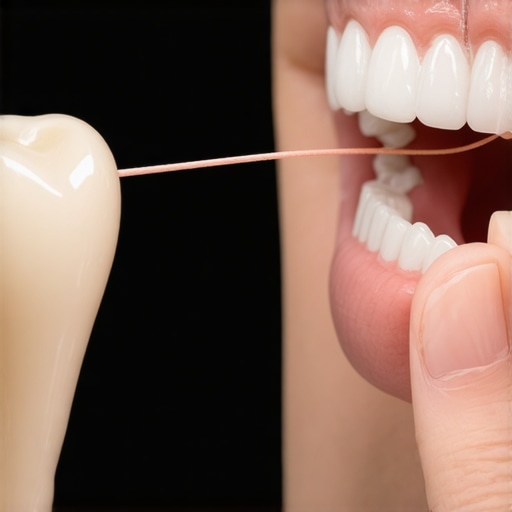
Stop Hitting the Sledgehammer Against the Windshield
While you wait for your appointment, you must play defense. Every time you crunch on a piece of ice or a hard pretzel, you are essentially driving a wedge deeper into that crack. Think of your tooth like a glass table with a hairline scratch; one heavy object dropped on it will shatter the whole thing. Switch to a soft food protocol immediately. It is not about being dramatic; it is about mechanical preservation. I once tried to power through a dinner party with a cracked tooth and ended up with a piece of a baguette literally prying the two halves of my molar apart. It was a messy, painful lesson. If you feel like your teeth feel furry only four hours after cleaning, it is often a sign that plaque is sticking to those microscopic rough spots created by the fracture. Keep the area clean but be gentle.
Professional Fixes That Don’t Require Surgery
Modern dentistry has shifted focus toward saving the existing structure. Depending on how deep that snag goes, you have several high-tech options that are surprisingly quick. If the damage is purely on the surface, we often look at how we use bonding to fix a chipped tooth in under 45 minutes. This process involves a high-strength resin that fills the gap and is sanded smooth to match your natural bite. If the crack is deeper, a crown might be necessary. The benefit of current tech is that we have perfected how we match the texture of a crown to your existing teeth so perfectly that even you won’t be able to tell where the enamel ends and the porcelain begins.
Align Your Bite to Stop Future Fractures
Sometimes teeth crack because they are being hit at the wrong angle during your normal chewing cycle. If your teeth are crowded or slanted, you are essentially chewing crooked, which puts uneven pressure on specific spots. This is why many adults are now looking into the ultimate guide to Invisalign for adults in 2025. By straightening the arch of your smile, you ensure that every tooth takes an equal share of the load when you bite down. It is like rotating the tires on your car; it prevents one specific side from wearing out and blowing a gasket. When your bite is balanced, those mysterious snags stop appearing.One of the biggest myths I encounter is the belief that a bright, Hollywood-white smile equals a clean bill of health. In reality, you can have perfectly white teeth that are structurally failing from the inside out. I’ve seen patients who obsess over the ultimate guide to teeth whitening and cosmetic enhancements while completely ignoring a recurring snag in their floss. This ‘aesthetic-first’ mindset is a trap. You’re essentially painting the walls of a house that has a termite-ridden foundation. Professional care isn’t just about the ‘look’; it’s about the microscopic mechanical debridement that happens during modern teeth cleaning innovations that reduce sensitivity and boost results.
White Teeth Aren’t Always Healthy Teeth
We have been conditioned to believe that brightness is the ultimate metric. But a contrarian view held by many top clinicians is that heavy reliance on DIY whitening can actually mask disease. If you are constantly bleaching your teeth, you might miss the subtle color changes that signal a dying nerve or a deep-seated infection. Furthermore, many patients think they can substitute a professional cleaning with over-the-counter products. They couldn’t be more wrong. No amount of whitening gel will remove the hardened tartar that causes gum recession. If you have ever felt like your teeth feel furry only four hours after cleaning, your enamel surface is likely compromised, regardless of how white it looks.
The Dangerous Trap of Natural DIY Whitening
This is where the ‘oops’ factor really kicks in. In an attempt to avoid ‘chemicals,’ people turn to ‘natural’ abrasive hacks. I have seen healthy enamel decimated by people who thought they were being healthy. A study published in the Journal of Dentistry highlights that abrasive ‘natural’ cleaners, specifically those with high RDA (Relative Dentin Abrasivity) values, can wear down enamel up to four times faster than standard fluoride toothpaste. Using baking soda to scrub away surface stains might work for a week, but you are effectively sanding down your tooth’s armor. Even worse is the trend of using charcoal. If you haven’t yet, you should perform the grit test for charcoal toothpaste to see if your ‘wellness’ routine is actually a demolition project. 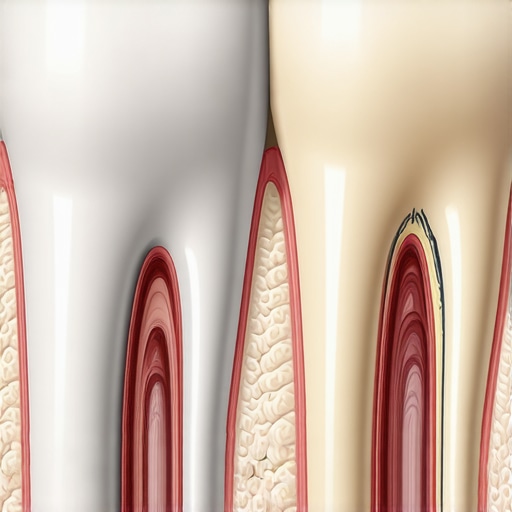
Is that tiny ‘unnoticeable’ gap actually destroying your molars?
For advanced readers, the real nuance isn’t about straightness—it’s about force distribution. You might think your smile looks fine in the mirror, but if you have a slight posterior malocclusion, you are hitting your teeth with ‘mini-concussions’ every time you chew. This is why Invisalign innovations have shifted toward functional alignment rather than just pretty front teeth. If your back teeth aren’t meeting perfectly, you’re creating high-pressure zones that lead to those mysterious ‘tinks’ and snags I mentioned earlier. It’s even the reason your front teeth feel loose on tray swap days; the system is moving everything into a defensive, structural position. Have you ever fallen into the trap of prioritizing a white smile over a strong one? Let me know in the comments.To break the ‘aesthetic-first’ trap I mentioned earlier, I had to stop viewing my bathroom sink as a beauty station and start seeing it as a maintenance bay. When you move past the phase of just wanting white teeth, you realize that the real secret to a lifelong smile is the hardware you choose. I personally swear by an electric toothbrush with a built-in pressure sensor. Most of us are far too aggressive—we scrub like we are cleaning a grout line, which is exactly why your gums bleed only when you use your electric toothbrush. The sensor acts as a guardrail, forcing me to let the bristles do the work without destroying my delicate gum attachment. For those of you navigating the clear aligner world, the gear is even more specific. You cannot just throw your trays in a drawer and hope for the best. Invisalign maintenance requires an ultrasonic cleaner if you want to avoid that cloudy, yellowish buildup that happens after just a few days of wear. If you have ever wondered how to get the morning breath smell out of your Invisalign case for good, the answer is a dedicated 5-minute UV-C soak. It is a game-changer for hygiene that your manual brush simply cannot touch. I also recommend a high-quality water flosser, especially if you have permanent retainers or bridges. It is the most effective way to handle a stubborn popcorn kernel stuck under your gum without causing unnecessary trauma. I use mine on a medium setting every single night before I brush; it loosens the microscopic debris that a standard brush would otherwise push deeper into the gum line.
How do I keep my smile from backsliding over the years?
The answer lies in shifting from reactive to proactive care. You need a professional partner who views your mouth as a structural system. When choosing a dentist for your Invisalign transformation, ask them specifically about their occlusal guard protocols. Your teeth are constantly under pressure and without a long-term retention plan, your investment can drift back to its old positions in less than two years. Consistency in maintaining your teeth cleaning routine for long-term health is the only way to catch those micro-shifts before they become expensive problems. A meta-analysis in the Journal of Clinical Periodontology confirms that while traditional floss is the gold standard for tight contacts, interdental brushes actually remove significantly more plaque in larger spaces. I have started using these specifically in the danger zones where the back of your lower teeth always collects the most tartar. 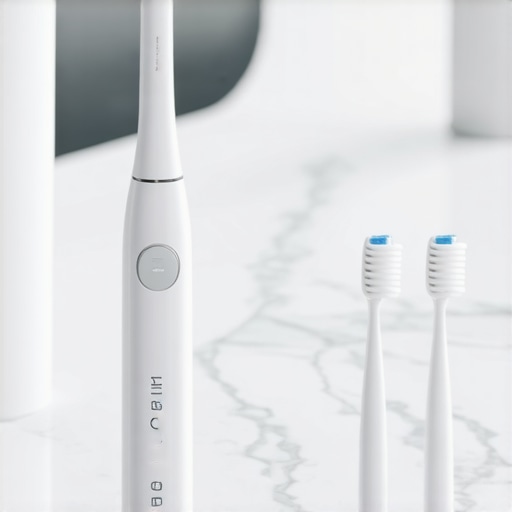 Don’t ignore the importance of professional tech either. Modern teeth cleaning innovations like guided biofilm therapy make the experience painless and incredibly thorough. Looking ahead to 2026, I predict we will see smart-mirrors with built-in AI that scan your teeth for early-stage demineralization while you brush. We are moving away from the ‘wait for the pain’ model and toward a data-driven smile. Until that tech hits your home, my advanced tip for you is this: buy a pack of plaque-disclosing tablets. Chew one once a week after you think you have finished brushing. It will stain the remaining plaque bright purple, showing you exactly where your technique is failing. It is a humbling reality check for keeping your smile bright this spring and every season after.
Hard Lessons from My Own Root Canal Journey
Looking back at that sourdough incident, I realize I was playing a dangerous game of dental chicken. The first thing I learned is that silence from your nerves is not an invitation to ignore a texture change. Enamel is remarkably strong, but once it is compromised, the pressure of daily life turns a micro-fracture into a structural failure. I also discovered that many cosmetic dentistry myths debunked by experts point to the same truth: you cannot build a pretty smile on a crumbling foundation. Finally, I realized that the best time to see a professional is when you think everything is ‘probably fine.’ Those are the visits that save your teeth and your bank account.
The Daily Toolkit That Protects My Enamel
To keep my smile from backsliding, I have moved beyond the basic manual toothbrush. I trust a high-quality electric brush with a pressure sensor to prevent over-scrubbing, which is essential for teeth cleaning for sensitive teeth. I also keep a pack of plaque-disclosing tablets in my cabinet for a weekly ‘audit’ of my technique. For anyone in the middle of a transformation, I highly recommend checking out Invisalign success stories to see how functional alignment prevents these cracks from happening in the first place. These tools aren’t just gadgets; they are the guardrails that keep your enamel intact between professional checkups.
Build Your Smile on a Solid Foundation
At the end of the day, your dental health is about much more than just a bright reflection in the mirror. It is about the mechanical integrity of your bite and the longevity of your natural teeth. Whether you are currently choosing the best Invisalign options for your lifestyle or simply looking to upgrade your hygiene routine, prioritize the strength of your smile first. When you take care of the structural details, the beauty follows naturally. Have you ever noticed a tiny snag on a tooth and waited too long to call the dentist? Let me know your story in the comments below.