
The first time it happened, I was sitting on my porch with a tall glass of iced tea. I took a big gulp, and for a split second, I froze. My front tooth—the one I’d spent months and a fair chunk of change to get just right—felt like a tiny ice cube was lodged deep inside my jaw. I almost dropped my glass. I’d been through the whole cosmetic dentistry journey, and I was terrified I’d done something wrong. Was it failing? Was there an infection? I wish someone had told me back then that what I was feeling was actually a common, albeit weird, quirk of physics. Today, I’m going to pull back the curtain on why that implant reacts to the cold and help you figure out when it’s just a minor annoyance and when you actually need to call your doctor. [image]
Why Your Metal Root Reacts Differently to Your Favorite Chilled Drinks
When I first started looking into why a single dental implant costs more than a bridge, I assumed it would be an indestructible, feeling-free replacement. I made the classic mistake of thinking that because it’s not a “real” tooth with a nerve, it would be totally numb to the world. I was wrong. Natural teeth are surrounded by a periodontal ligament that acts as a bit of an insulator. Your implant, usually made of titanium, is a fantastic conductor of heat and cold. According to research published in the International Journal of Oral & Maxillofacial Implants, titanium has a thermal conductivity rate significantly higher than natural dentin. This means when you hit it with ice water, that metal post can carry the temperature change down toward the sensitive bone and surrounding tissue much faster than a natural tooth would. It’s not that the implant itself is “hurting”—it has no nerves—but the tissue around it is definitely getting the message that things just got chilly.
Is this icy sensation actually worth the worry?
It’s the question that kept me up at night. If you’ve felt that weird, deep chill, have you ever worried it meant the implant was coming loose? I certainly did. I even tried the tapping test for a loose dental implant more times than I care to admit. But here is the reality: if the feeling is just a fleeting “coldness” that disappears the second the liquid is gone, it is usually just thermal transfer. However, if it lingers or feels like a sharp ache, that is when we need to look closer at the gum health. You might find that the reason your dental implant feels different in cold weather or with cold drinks is simply part of the “new normal.” It is a trade-off for having a rock-solid smile. Have you noticed this sensation during your morning iced coffee or while out in the winter air? I’d love to hear if it caught you off guard as much as it did me. Recognizing this quirk is the first step in maintaining your long-term oral health routine without unnecessary panic.
Stop the Zing by Insulating Your Smile
When I first felt that sharp ice cube sensation, I tried to man up and ignore it. I even went on a winter hike through the local trails, breathing in the sub-zero air, and within twenty minutes, my jaw felt like I was biting down on a frozen metal pipe. That was my big aha moment. I realized that my titanium implant was acting like a thermal bridge, pulling the cold directly into my jawbone and surrounding nerves. To stop this, you need to think about insulation and protection. Imagine your implant is like a copper wire in a house; it is a fantastic conductor of temperature. To mitigate this, start by using a straw for all iced beverages. This simple move directs the liquid past the implant crown, preventing the metal post from absorbing the thermal shock. If you find the sensation is widespread across your whole mouth, you might need to look into teeth cleaning for sensitive teeth what works best in 2025 to ensure your natural teeth are not also crying out for help. 
Differentiate Between Normal Chill and a Hidden Cavity
It is incredibly easy to blame the implant for everything that goes wrong in your mouth once you have one. I spent weeks worrying about my failing implant only to realize I actually had a tiny hole in the tooth right next to it. To save yourself the stress and middle-of-the-night panic, try the cold water test for identifying a hidden cavity at home. If the pain is sharp, stays for more than a few seconds, or radiates from a specific natural tooth, the implant is likely innocent. On the other hand, if you feel a weird physical movement or a vibration alongside the cold, you need to check if your dental implant crown feels like it is spinning. A loose crown acts like an open window in a blizzard, letting cold air and liquids reach the internal components of the implant, which should always stay perfectly sealed.
Daily Maintenance to Keep Your Gums Resilient
The health of your gum tissue is your first line of defense against temperature sensitivity. Think of your gums like the weather-stripping around a front door. If they are receding or inflamed, the draft of the cold gets in much easier. When I became lazy with my water flosser for a few weeks, my cold sensitivity spiked because my gums were puffy and reactive. By maintaining your teeth cleaning routine for long term health, you ensure that the tissue around the implant remains thick and protective. If you are still struggling to find comfort after adjusting your habits, choosing the right dentist who specializes in modern restorative techniques can help you determine if a different crown material, like zirconia, might offer better insulation than your current setup. High-quality modern teeth cleaning innovations can also help desensitize the area without the need for invasive procedures.Most people think a professional cleaning is just about removing coffee stains or scraping away that hard, crunchy buildup from the back of their teeth. But here is the contrarian truth: the most important part of your visit isn’t actually what the hygienist takes off—it is the biological reset they provide. We often fall into the trap of thinking that if our teeth look white in the mirror, they must be healthy. In reality, a teeth cleaning myths debunked by top dentists session is actually about disrupting the biofilm, a complex community of bacteria that organizes itself like a tiny, invisible city on your roots. If you only focus on the surface-level aesthetics, you are missing the microscopic war happening underneath your gums. Research published in the Journal of Clinical Periodontology emphasizes that professional biofilm management is the primary driver of long-term oral stability, regardless of how white the enamel appears. 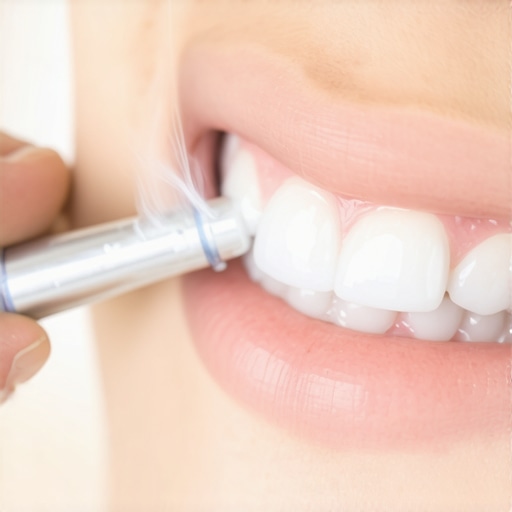
The Expensive Mistake of Ignoring Your Bite Alignment
One of the biggest ‘oops’ factors I see in modern dental care is prioritizing the social six—those front teeth everyone sees—while ignoring the functional mechanics of the back molars. It is incredibly tempting to jump straight into cosmetic dentistry innovations 2025 to get that perfect Hollywood look, but if your bite is off, you are essentially building a skyscraper on shifting sand. If your teeth aren’t properly aligned, the sheer force of your jaw can cause even the most expensive veneers to chip or your natural enamel to fracture. This is why understanding Invisalign vs traditional braces which is smarter for your lifestyle is more than just an aesthetic choice; it is a structural necessity. When your bite is balanced, your cosmetic work lasts longer because the pressure is distributed evenly across your entire arch.
Why does your bite feel off even after your teeth look perfectly straight?
This is a sophisticated nuance many overlook during their ultimate guide to Invisalign for adults in 2025 journey. You might have the straightest smile in the room, but if the way your teeth meet—the occlusion—isn’t calibrated by an expert, you can suffer from chronic headaches or localized sensitivity that feels like a cavity but is actually just ‘occlusal trauma.’ It is another reason why choosing the right dentist who looks at the whole mouth, not just the front teeth, is vital. We often see patients who fell for cosmetic dentistry myths debunked and skipped the foundational work, only to return a year later with broken restorations. By maintaining your teeth cleaning routine for long term health and ensuring your alignment is functional, you protect your investment. Have you ever fallen into the trap of prioritizing looks over the actual health of your gums or the function of your bite? Let me know in the comments.Keeping a high-end smile isn’t just about showing up for your bi-annual scrape; it’s about the micro-decisions you make between those visits. I used to think a manual brush was fine, but once I switched to the Philips Sonicare DiamondClean, the difference in my gum health was night and day. The reason? It’s the high-frequency vibration that creates micro-bubbles, which reach deep into the periodontal pockets that traditional bristles miss. If you’ve ever felt that sensitive ‘zing’ after a deep clean, you’ll know that teeth cleaning for sensitive teeth what works best in 2025 often involves these sonic vibrations rather than harsh mechanical scrubbing. For those with implants or bridges, I cannot recommend a cordless water flosser enough. It’s the only way to effectively flush out the area under the restoration. If you’re struggling with the learning curve, check out my tips on how to stop your gums from bleeding when you use a water flosser. Dr. Gordon Christensen, a world-renowned expert in restorative dentistry, frequently notes in the ‘Clinicians Report’ that the longevity of any dental work is directly proportional to the patient’s ability to manage sub-gingival biofilm at home.
How do I keep my smile looking this good for years?
The secret isn’t a magical product; it’s consistency and the right tech. For my Invisalign friends, I stopped using just the soaking tablets and invested in a small ultrasonic cleaner. It uses high-frequency sound waves to blast away the proteins that cause that ‘cloudy’ look. If you skip this, you’ll find out the secret to keeping your invisalign trays perfectly clear for two weeks is nearly impossible. I personally use a 42,000Hz cleaner for five minutes every morning while I’m in the shower, and it has been a total game-changer for my breath and tray clarity. 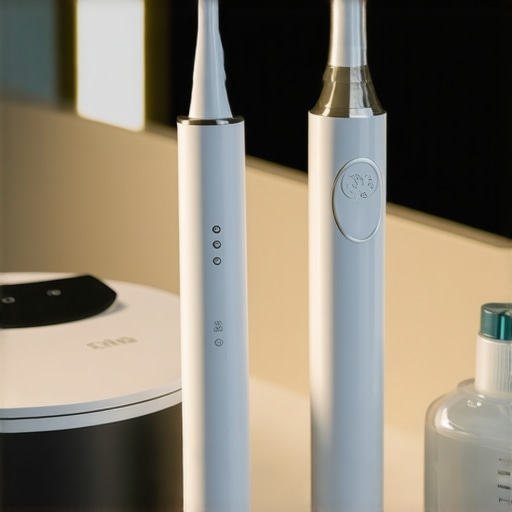 Looking ahead, I predict we are less than five years away from having AI-enabled cameras in our toothbrushes that sync with an app to tell us exactly where we have plaque buildup before it turns into tartar. This kind of modern teeth cleaning innovations will revolutionize how we view ‘routine’ care. We are already seeing the beginnings of this with how we use digital scans to catch cavities that x-rays might miss, and that tech is migrating from the clinic to your bathroom sink. To ensure you aren’t just wasting money on gadgets, remember that maintaining your teeth cleaning routine for long term health requires the right technique, not just the most expensive brush. For those who have already invested in their look, invisalign maintenance expert tips for clear confident smiles are essential for protecting that investment. My challenge to you: switch to an ultrasonic cleaner for your aligners or night guard tonight and see if you don’t notice a massive difference in clarity tomorrow. It’s a small step that makes the whole journey feel more premium and less like a chore.
Real Talk on Metal Teeth
First, that sudden zing isn’t always a sign of disaster. Often, the reason your dental implant feels different in cold weather is just a matter of titanium acting as a thermal bridge. I also learned that maintaining your teeth cleaning routine for long term health means focusing on the gum line, where the bacteria actually hide. Finally, don’t let teeth cleaning myths debunked by top dentists stop you from getting professional care; it is the biological reset your mouth needs.
The Only Tools You Actually Need for a Million Dollar Smile
[image]
I trust these three items above everything else. A high-quality water flosser is non-negotiable; if you find it difficult, check out how to stop your gums from bleeding when you use a water flosser to master the technique. For clear aligners, the secret to keeping your invisalign trays perfectly clear for two weeks is using an ultrasonic cleaner daily. If you are just starting, read the ultimate guide to Invisalign for adults in 2025 to set yourself up for success. Lastly, choosing the right dentist who understands both the mechanics and the aesthetics is the best investment you can make.
Ready for a Better Smile?
Whether you are diving into cosmetic dentistry innovations 2025 or just managing your current restorations, remember that a beautiful smile is built on daily habits. You don’t have to live with mystery aches or sensitivity when the right knowledge and tools are within reach. Take that first step toward a healthier mouth today. Have you ever felt a sudden cold zing in your dental implant and feared the worst? Let me know your experience in the comments below!