
I’ll never forget the Tuesday morning I woke up feeling like someone had tucked a marble between my lower molar and my cheek. It wasn’t just uncomfortable; it was a hot, throbbing mess that made drinking my morning coffee feel like a form of torture. Like many of you, my first instinct was a mix of panic and DIY-dentistry—I actually considered using a sterilized needle to “fix” it myself. Please, whatever you do, don’t do that. I learned the hard way that poking at a gum boil only invites more bacteria into the party. Eventually, I stumbled upon a solution so simple I almost dismissed it: the salt-water trick for shrinking a painful gum boil at home. Today, I’m sharing why this kitchen-staple remedy is a lifesaver and how it buys you the precious time you need before choosing the right dentist for your journey.
Stop the Throb Before You Panic
Let’s be real: a gum boil is a signal that your body is fighting an infection, often an abscess. While it’s easy to spiral into thoughts of root canals and expensive cosmetic dentistry, the immediate goal is to reduce the pressure. That’s where the salt comes in. When I first tried it, I was skeptical. I thought, ‘There is no way some table salt is going to touch this level of pain.’ But the science is actually pretty cool. Salt water creates an osmotic effect, essentially drawing the fluid out of the inflamed tissue to reduce that ‘marble-in-the-mouth’ feeling. Have you ever felt that sudden, sharp pressure and wondered if you should just ignore it?
Is a salt rinse actually worth the hype?
You might be thinking this sounds like an old wives’ tale. I certainly did. However, according to the Mayo Clinic, salt water helps to temporarily increase the pH balance of your mouth, creating an alkaline environment that makes it much harder for bacteria to thrive. It’s not a permanent cure—only regular teeth cleaning and professional intervention can truly clear the underlying infection—but it is a powerful tool for management. My biggest mistake early on was thinking that if the boil shrank, the problem was gone. It wasn’t. The salt water just managed the symptoms so I could actually sleep through the night and make it to my appointment without crying. If you’re dealing with this right now, I highly recommend you contact a professional as soon as possible, but in the meantime, let’s get that swelling down and the pain under control.
Get the Salt-to-Water Ratio Right Every Time
To start, you need a specific concentration. If you use too little salt, it won’t pull the fluid out; use too much, and you’ll irritate your gums even further. I remember standing in my kitchen at 2:00 AM, desperate for relief, and dumping nearly a quarter cup of salt into a tiny mug of boiling water. It was a disaster—my mouth felt like a desert for three days and the sting was unbearable. The sweet spot is actually about half a teaspoon of non-iodized salt—sea salt works great—dissolved into eight ounces of warm water. The warmth is crucial because it helps the salt dissolve and increases blood flow to the area, similar to how teeth cleaning for sensitive teeth uses specific temperatures to avoid triggering nerves. 
How to Swish Without Irritating the Infection
Once your solution is ready, don’t just gulp it down. Take a small sip and tilt your head so the liquid pools over the boil. You aren’t just rinsing; you’re letting the osmosis happen. Gently swish for at least 30 seconds. Think of this process like teeth cleaning secrets that focus on reaching the hard-to-access spots. When you spit it out, you might notice the boil feels slightly ‘tighter’ or less like a balloon about to pop. Repeat this three to four times a day. During my worst flare-up, I kept a pre-mixed jar on my nightstand so I could manage the throb without fully waking up.
Spot the Difference Between Relief and Recovery
It is incredibly tempting to think you’ve won the battle once the swelling goes down. However, a gum boil is often just the tip of the iceberg. Imagine a volcano; the boil is the lava on the surface, but the pressure is coming from deep underground. If you ignore the root cause, you’re just waiting for the next eruption. This is why how to tell if your jaw pain is actually a cavity is a skill every patient should have. A cavity that reaches the nerve can lead to these abscesses, and no amount of salt water will fix a decaying tooth or a dying nerve.
Why Professional Cleaning Keeps the Boils Away
Long-term prevention is the only way to avoid that marble-in-the-cheek sensation. Bacteria love to hide in pockets that your toothbrush simply can’t reach. While your salt rinse is a great first responder, you need a specialist to clear the debris and infection for good. When you are finding a dentist who gets your smile, look for someone who explains how they remove the biofilm from beneath the gum line. I used to skip my biannual visits because I thought my home remedies were enough to keep my mouth healthy. It took one massive infection to realize that professional intervention is like a deep-cleaning service for your house—it catches the dust in the corners before it turns into a structural problem. If you’re also dealing with other minor issues, like needing to know how to stop a sharp tooth from cutting your tongue before your appointment, a pro can handle both the emergency and the long-term health of your teeth in one visit.
Why a Perfectly White Smile Can Be a Total Lie
Everyone seems to chase that Hollywood-white glow, but here is a contrarian truth: color is often the least reliable indicator of health. In my experience, I have seen patients with blindingly white teeth who were days away from a major abscess because they prioritized bleaching over bacterial management. We have been conditioned to think that if it looks good, it is good. However, cosmetic dentistry myths debunked what you really need to know is that health starts below the surface. A common mistake is using whitening strips to mask the yellowing that actually indicates thinning enamel or receding gums. While we all want that radiance, ignoring the structural integrity of your teeth is a recipe for the very gum boils I mentioned earlier.
Can technology catch what a physical exam overlooks?
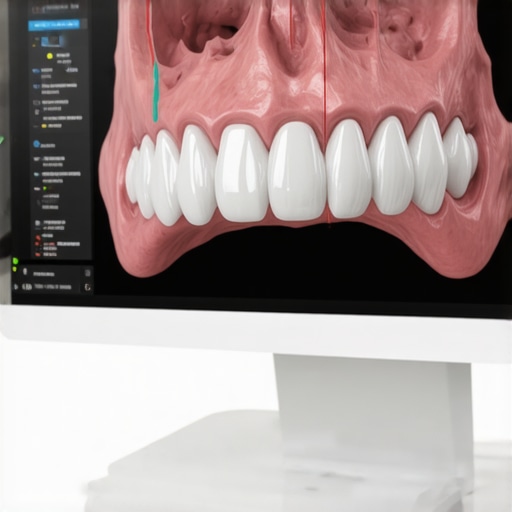
You might wonder why your dentist insists on digital imaging even when you feel no pain. A study by the American Academy of Periodontology highlights that nearly 50% of adults over 30 have some form of periodontal disease, many without visible symptoms. This is where advanced tools come in. For instance, knowing how we use digital scans to catch cavities that x-rays might miss is a game-changer. These scans can detect the subtle demineralization that eventually leads to infections. Relying solely on the ‘mirror test’ is the biggest trap you can fall into. Have you ever assumed your teeth were fine just because they didn’t hurt, only to be surprised at your next check-up? Let me know in the comments if you’ve ever fallen into this trap.
The Aligner Mistake That Ruins Your Progress
When it comes to modern alignment, many people treat Invisalign like a ‘set it and forget it’ accessory. The most sophisticated nuance that beginners miss is the biological reality of tooth movement. You might notice the truth about why your front teeth feel loose on invisalign tray swap days and panic. That looseness is actually necessary; it’s the bone remodeling itself. The mistake? Taking the trays out too often because of that discomfort. When you do that, the tooth ‘stutters’ in its movement, which can actually damage the root. If you are debating invisalign vs traditional braces which is smarter for your lifestyle, remember that the success of the former relies entirely on your discipline to keep them in, even when your jaw feels a bit wonky.
Don’t Let ‘Furry’ Teeth Become a Permanent Problem
We’ve all had that moment where we rub our tongue against our teeth and they feel a bit fuzzy. If you’re asking yourself why your teeth feel furry only four hours after cleaning, it’s because biofilm is already recolonizing. Most people think a vigorous scrub at home is the same as a pro visit, but home care only touches the surface. Professional how regular teeth cleaning can prevent major dental issues by targeting the subgingival plaque that your toothbrush literally cannot reach. I once thought my electric toothbrush made me invincible, but it took a specialist showing me the hidden tartar to realize I was only doing half the job. Even the way a pro handles aesthetics is different; for example, how we match the texture of a crown to your existing teeth ensures that your dental work doesn’t just look real, it functions without trapping more bacteria. Don’t wait for a marble-sized boil to realize your routine needs an upgrade.
The High-Tech Kit That Keeps My Smile From Fading
Once you’ve escaped the immediate dread of a gum boil or finished your first set of trays, the real work begins: the maintenance phase. I used to think a standard toothbrush and a bit of floss were enough, but the reality is that maintaining professional results requires tools that actually match the sophistication of the work you’ve had done. For me, that meant investing in a high-quality water flosser. Unlike traditional string, which I found myself snapping between tight molars, a water flosser at a specific 70-psi setting manages to flush out the debris that leads to how regular teeth cleaning can prevent major dental issues before they start. If you aren’t using one yet, you’re essentially leaving a layer of ‘bio-slime’ on your gums every single night.
Why Bubbles Are Better Than Your Toothbrush for Trays
If you are on an Invisalign journey, stop scrubbing your trays with a toothbrush. I learned this from a clinical report by Dr. Gordon Christensen, a renowned expert in restorative dentistry, who pointed out that abrasive toothpastes create microscopic scratches in the plastic. These scratches act as ‘luxury condos’ for bacteria. Instead, I switched to a dedicated ultrasonic cleaner—a small device that uses high-frequency sound waves to create cavitation bubbles. These bubbles implode against the trays, literally blasting away the plaque without scuffing the surface. This is the only way I’ve found to how to get the morning breath smell out of your invisalign case for good and keep the plastic perfectly clear. 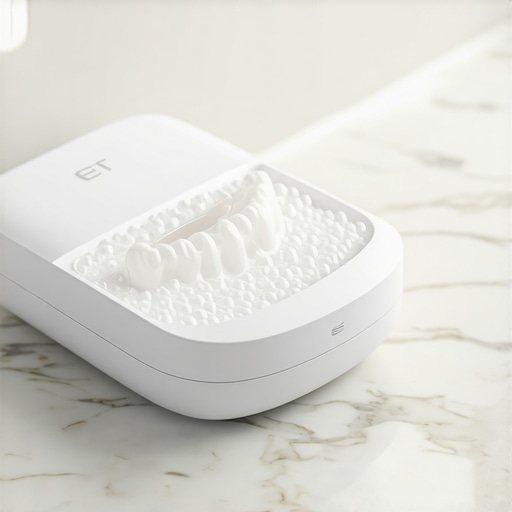
How do I maintain these results for decades instead of months?
The secret isn’t a magic product; it’s the data. I’ve started asking my dentist for a ‘digital baseline.’ By using modern teeth cleaning innovations that reduce sensitivity and boost results, they can create a 3D map of my mouth. Every six months, we compare the new scan to the old one. If my teeth have shifted even half a millimeter, we know exactly why. This proactive approach is the core of maintaining your teeth cleaning routine for long-term health. It turns dental care from a game of ‘waiting for it to hurt’ into a precise engineering project.
The Future Where Your Dentist Is an App
Looking ahead, the trend is moving toward ‘Dental Monitoring.’ We are seeing the rise of AI-powered smartphone attachments that allow you to scan your own teeth at home and send the data to your clinic. This is already revolutionizing invisalign innovations why 2025 is the year for a perfect smile because it allows for real-time adjustments without the monthly office commute. I predict that within five years, your toothbrush will analyze your saliva’s pH level and alert you to an impending infection before a gum boil ever has the chance to form. For now, don’t just settle for ‘feeling’ clean. Go buy a basic ultrasonic cleaner for your aligners or retainers today—it is the single biggest upgrade you can make to your daily routine that actually pays off in clarity and freshness. Your future self (and your breath) will thank you.
3 Myths About Modern Dental Care That Kept Me in Pain
I used to think I was saving money by skipping the dentist and relying on salt rinses for every minor ache. In reality, I was just ignoring a structural failure. One major realization was that cosmetic dentistry myths debunked what you really need to know include the fact that white teeth don’t always mean healthy gums; color is a surface-level metric. Another lightbulb moment occurred when I realized that how to tell if your jaw pain is actually a cavity is a vital skill, as by the time you feel the throb, the damage is often deep. Finally, I learned that dental health is a marathon, not a sprint—a one-time cleaning won’t fix years of neglect, but maintaining your teeth cleaning routine for long-term health creates a barrier that home care alone can’t match.
The Maintenance Toolkit That Actually Works
If you’re serious about your smile, you need to move beyond the manual toothbrush. My personal kit now includes an ultrasonic cleaner because invisalign maintenance expert tips for clear confident smiles always emphasize hygiene on a microscopic level. I also swear by a water flosser for those deep gum pockets that standard string just shreds against. I trust these tools because they provide a level of mechanical clean that humans just can’t mimic by hand. Also, never underestimate the power of modern teeth cleaning innovations that reduce sensitivity and boost results; they make the biannual visit something to look forward to rather than fear. #IMAGE_PLACEHOLDER_E#
Take the First Step Toward a Stress-Free Smile
Your smile is one of your greatest assets, but it shouldn’t be a source of anxiety or late-night kitchen chemistry. Whether you’re recovering from an infection or starting your journey with invisalign innovations why 2025 is the year for a perfect smile, the key is to be proactive rather than reactive. Don’t wait for the marble in your cheek moment to find your dental home. Reach out and contact a professional today to get a baseline scan and a clear roadmap for your health. Have you ever tried a home remedy for a toothache that actually worked, or did it make things worse? Let’s swap stories in the comments.