
I was sitting at a crowded dinner party, mid-sentence about my favorite travel spots, when it happened. I said the word “seaside,” and a sharp, high-pitched whistle pierced through the conversation. My friend looked around for a stray teapot, and I realized with a sinking heart that the noise was coming from my own mouth. I’d just spent a significant amount on a new bridge, and suddenly, I sounded like a cartoon character. It was embarrassing, frustrating, and made me want to never speak in public again. If you’re currently dealing with that annoying “s” sound escape, I know exactly how isolated you feel.
The Sudden Sound of Air Where It Shouldn’t Be
The first mistake I made was assuming the bridge would just “settle” on its own without me doing anything. I waited three weeks, whistling through every grocery store interaction and work meeting, before I realized that my tongue and the bridge weren’t on speaking terms. A dental bridge is a masterpiece of modern cosmetic dentistry, but if the fit is off by even a fraction of a millimeter, air finds a way through. Today, I’m going to walk you through why this happens and the concrete steps you can take to reclaim your voice. Have you ever caught yourself practicing “S” words in the mirror just to see if the whistle is gone yet? Drop a comment if you have, because I spent hours doing just that.
Will I always sound like a teakettle?
It is the number one fear: that this expensive piece of porcelain has permanently changed how you communicate. While your brain is incredibly adaptable, sometimes the issue is physical. According to the American Dental Association, while some speech adjustment is normal, a persistent whistle usually means air is escaping through a space between the bridge and the gumline or the adjacent teeth. I once tried to fix this myself by using way too much dental wax, which was a disaster that almost led to a choking hazard. You don’t need to go to those extremes. We can look at whether you need to reseal the bridge or if it’s time to talk to your dentist about a minor adjustment.
Why Your Tongue is Suddenly Your Worst Enemy
Your tongue is used to a certain “topography” in your mouth. When a bridge is placed, that landscape changes instantly. If the porcelain is slightly too thick or the gap underneath is a hair too wide, your tongue won’t know how to seal the air properly when making fricative sounds. It’s similar to how veneers can feel bulky at first, but with a bridge, the stakes are higher because of that airflow. Sometimes, it’s a matter of the space underneath where you would normally clean under a fixed bridge being just a bit too airy. Knowing the difference between “getting used to it” and a structural flaw is the first step to silence. Fixing the whistling sound is often much simpler than you think once you identify the air pocket.
Locate the Escape Route for the Air
To fix a whistle, you first have to find the “chimney” where the air is escaping. Think of your mouth like a woodwind instrument; if a pad isn’t sealing a hole on a flute, the note is sharp and breathy. Your bridge is the instrument, and your tongue is the pad. I spent one Friday night with a high-powered flashlight and a magnifying mirror, feeling like a dental detective. By gently blowing air while slowly moving my tongue to block different parts of the bridge, I finally pinpointed a tiny gap near the back molar. 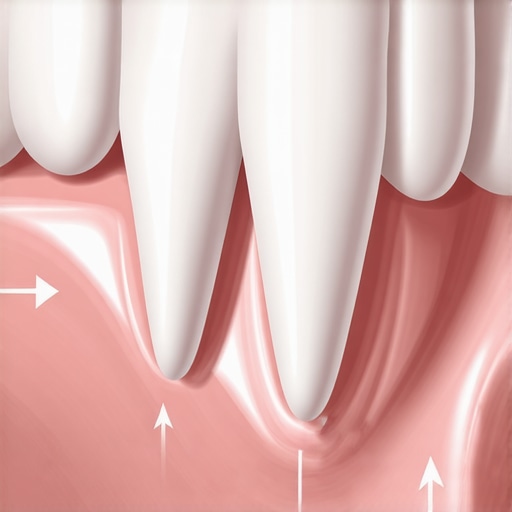
Map the Landscape with Your Tongue
Your tongue is incredibly sensitive to texture and space. To find the source of the noise, run the tip of your tongue along the junction where the porcelain meets your gums. If you feel a “dip” or a shelf that feels sharper than the rest, that’s likely your culprit. Sometimes, regular care and cleaning can reveal these spots as inflammation goes down. If the gum tissue was swollen when the bridge was first fitted, it might have receded slightly, leaving a new tunnel for air to pass through. It is vital to address these tiny changes before they become habitual speech patterns.
The Mirror Test for Hidden Pockets
Grab a small dental mirror or even a clean spoon. Pronounce a series of “S” and “Z” words—think “Mississippi” or “Scissors”—while looking closely at the bridge. If you see tiny bubbles of saliva forming at a specific point along the base, you’ve found the leak. This usually indicates that you need to check if your dental bridge needs to be resealed. It’s a common issue where the dental cement hasn’t filled the entire void, or perhaps the lab-fabricated piece has a slight contour error that creates a vacuum.
Adjust Your Tongue Position for Immediate Relief
While you wait for a professional fix, you can actually “re-train” your speech. I found that by dropping my jaw just a fraction of a millimeter lower than usual when saying “S” sounds, I could force my tongue to widen and seal the air pocket. It’s a temporary band-aid, but it saved me during a three-hour presentation. You are essentially bypassing the whistling sound by changing the physics of your airflow. It takes concentration, but it’s a lifesaver for social anxiety.
Why Professional Resealing Beats Home Remedies
I’ll be the first to admit I tried to “fill the gap” with over-the-counter dental wax. It lasted about twenty minutes before I swallowed it during a latte. Don’t do that. Modern innovations in cosmetic dentistry allow for incredibly precise adjustments. A dentist can often use a flowable resin to bridge the gap without removing the entire structure. If you’re unsure who to see, choosing the right expert for your smile journey is vital to ensure they have experience with prosthetic speech issues. They might even suggest better ways for cleaning under a fixed bridge to prevent future cement erosion and maintain a perfect air-tight seal.Most people assume the bridge itself is the only variable, but that is a dangerous oversimplification. One of the most common pieces of advice is to “just give it time,” implying your brain will eventually tune out the noise. However, there is a fundamental flaw in this logic. If the physical architecture of the bridge is forcing your tongue into an unnatural position, you aren’t “adapting”; you are developing compensatory habits that can lead to muscle strain and even jaw issues. In my experience, if the whistle doesn’t significantly improve within ten days, it’s not a “you” problem—it’s a design problem.
Stop Waiting for Your Speech to Fix Itself
This is where we need to look at the “hidden” nuances. While traditional X-rays are great for finding decay, they often miss the subtle contours of the porcelain that interact with your airflow. Modern experts are moving toward more advanced diagnostics because what a 3D CBCT scan reveals about your jaw health and bridge alignment is far more detailed than a flat image. These scans can show exactly where the porcelain meets the soft tissue in three dimensions, exposing the “chimney” I mentioned earlier. 
The Invisible Link Between Gums and Your New Accent
Here is a contrarian view: many patients believe that a thorough cleaning is just about preventing cavities or making the bridge look shiny. In reality, the texture of your teeth and gums plays a massive role in how air flows over them. Have you noticed how your teeth feel like polished glass after a professional cleaning? That smoothness reduces turbulence. When plaque or tartar builds up near the margins of a bridge, it creates microscopic “speed bumps” that can actually change the pitch of your whistle. This is one of the many teeth cleaning myths debunked by specialists; a cleaning isn’t just maintenance—it’s a phonetic tune-up.
Why Does My Whistle Get Worse When I’m Stressed?
This is a sophisticated question that many people overlook. If you find that you sound fine in the morning but start whistling like a steam engine by 5:00 PM, the culprit isn’t the bridge—it’s your jaw. Stress causes us to clench, which subtly shifts the position of the lower jaw relative to the bridge. When you’re tense, your jaw clicks more and feels tighter, altering the “seal” your tongue creates. A study in the Journal of Oral Rehabilitation confirms that phonetic adaptation is highly dependent on neuromuscular stability. If your bite is even slightly off, your muscles will tire, your jaw will sag, and that air gap will reopen. The “trap” many fall into is thinking they need a new bridge, when they actually might just need a bite adjustment or a night guard.
Don’t Fall for the Cosmetic Only Trap
It is a common mistake to view these issues as purely aesthetic. Several cosmetic dentistry myths suggest that if it looks good, it must be functional. But a bridge is a prosthetic organ. If you are experiencing persistent issues, modern innovations that reduce sensitivity can make the adjustment process much more comfortable. Have you ever fallen into this trap of thinking you just had to “live with it”? Let me know in the comments, because your voice is worth the extra effort.Once you finally silence that irritating whistle, you might think the hard part is over. I made that exact mistake. I treated my bridge like a ‘set it and forget it’ appliance, similar to a dishwasher. But here is the reality: a dental bridge is an investment that requires more specialized care than your natural teeth ever did. If you want to avoid that air gap returning due to gum recession or cement erosion, you need a strategy. This isn’t just about brushing; it is about precision engineering at home.
Stop Thinking Your Work is Done Once the Whistle Ends
The most effective tool I ever introduced to my bathroom counter was a high-powered water flosser. Standard floss is great for natural teeth, but trying to navigate a bridge with it is often a lesson in futility. I personally found that cleaning under a fixed dental bridge without using a needle threader was only possible once I switched to a pressurized stream. It flushes out the microscopic debris that even the best toothbrush misses. According to Dr. Gordon Christensen, a titan in the world of restorative dentistry, the longevity of a fixed prosthesis is directly tied to the health of the gingival margins. If those margins fail, the whistle returns, and your investment is at risk.
How do I keep my dental bridge in peak condition for years?
Consistency is the boring truth, but the way you are consistent matters. You should be looking at maintaining your teeth cleaning routine for long-term health by using tools that don’t rely on brute force. I use an extra-soft interproximal brush—it looks like a tiny pipe cleaner—to gently sweep the area where the bridge meets the gumline. This prevents the ‘furry’ feeling that leads to inflammation. If you notice even a hint of bleeding, it is a signal that air might soon find a path through receding tissue. Understanding teeth cleaning secrets like these can literally add a decade to the life of your bridge. 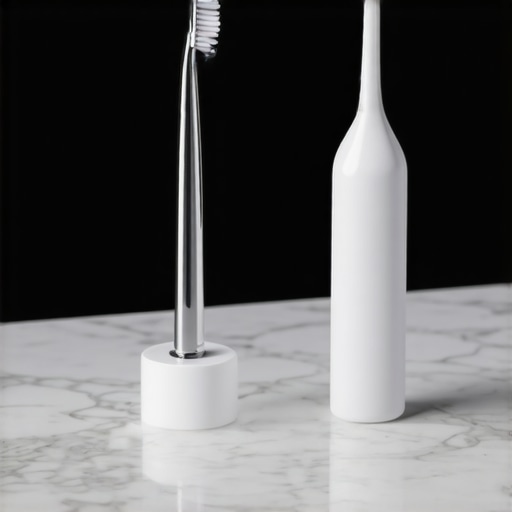
Why the Water Flosser is Your New Best Friend
I spent months struggling with traditional floss threaders, which felt like trying to thread a needle in the dark. The moment I switched to a water flosser with a specialized ‘orthodontic’ or ‘plaque seeker’ tip, everything changed. These modern teeth cleaning innovations reduce the physical trauma to your gums while ensuring the seal of your bridge remains airtight. I recommend starting on the lowest pressure setting and aimed at a 90-degree angle to the gumline to avoid pushing bacteria deeper into the pockets. This specific method saved my bridge when I noticed the early signs of a new air leak last winter.
A Glimpse into the Future of Smile Care
Looking ahead, I predict we are moving toward ‘Smart Bridges’—prosthetics with embedded sensors that can alert your phone if the internal pressure or seal is failing before you even hear a whistle. Until then, we rely on advanced diagnostics. We are already seeing how we use digital scans to catch cavities and structural shifts that traditional film simply can’t see. This tech is the vanguard of cosmetic dentistry trends that transform smiles today. My advice? Don’t wait for a problem. Go buy a dedicated interproximal brush set tonight and use it before you go to bed; it is the single most effective way to ensure your ‘S’ sounds stay sharp and your smile stays silent.
Why Your Brain Might Lie to You About the Whistle
After navigating the noisy world of a whistling dental bridge, I realized a few things that aren’t in the standard pamphlets. First, your brain is a master at ‘tuning out’ background noise, but it shouldn’t have to work overtime to mask a structural flaw. If you find yourself avoiding certain words or tilting your head like a spaniel every time you say ‘Mississippi,’ that is a signal, not a quirk. I learned that the hard way when I realized my ‘adaptation’ was actually just me talking less. Second, never underestimate the power of gum health; a tiny bit of inflammation can change the gap just enough to start the teakettle sound all over again. Lastly, remember that a bridge is a team effort between you, your dentist, and the lab that made it—don’t be afraid to ask for a ‘remix’ if the first version doesn’t sing properly.
My Non-Negotiable Kit for a Silent Bridge
You don’t need a dental degree to keep your speech sharp, but you do need the right gear. I trust these three tools because they saved my sanity:
- High-Powered Water Flosser: This is the gold standard for cleaning under a fixed bridge without the frustration of threaders. It ensures no debris creates a secondary ‘whistle’ path.
- Interproximal Brush Set: These are the secret to maintaining your teeth cleaning routine in those tight corners where a normal brush fails.
- Precision Dental Mirror with LED: Being your own detective helps you tell if your dental bridge needs to be resealed before you even get to the office.
#IMAGE_PLACEHOLDER_E#
Take Your Seat at the Table Again
I know the anxiety of feeling like every word you speak is a performance that might go wrong. But your voice is yours, and a dental bridge should enhance your life, not silence it. With a few minor adjustments and the right teeth cleaning secrets, you can get back to those dinner party conversations without a second thought. You’ve put in the work to fix the air leak; now it’s time to let your personality be the loudest thing in the room. Have you ever felt like your speech issues were holding you back from a social event? Let me know in the comments below!