
I was sitting in a crowded deli, staring down a triple-decker Reuben that looked more like a challenge than a meal. I opened wide, went for the kill, and then it happened—a loud, rhythmic pop that echoed through my own skull. It felt like my jaw had briefly hopped off its tracks and scrambled back on. For years, I told myself it was just a quirk, like cracking your knuckles, but deep down, I knew something was off. If you’ve ever felt that sharp click or a dull thud while chewing, you aren’t alone, and you aren’t crazy. Today, I’m going to pull back the curtain on why your temporomandibular joint (TMJ) is throwing a tantrum and, more importantly, how we can get your bite back to being silent and smooth.
That Annoying Pop When You Bite into a Sandwich
I used to think my jaw was just “built different,” and not in a good way. Every morning during breakfast, it sounded like I was stepping on bubble wrap. I even noticed that why your jaw clicks more when you are under stress became a very real pattern for me—the more I worried about work, the louder the clicks got. I made the classic mistake of thinking I could just “stretch” it out myself, which actually made the inflammation worse. Don’t do that. It turns out, that clicking is often the sound of a small disc of cartilage slipping out of place and snapping back. According to the National Institute of Dental and Craniofacial Research, TMJ disorders are remarkably common, affecting millions of adults, often manifesting as that signature clicking or popping sound.
Is this clicking sound actually a sign of something serious?
You might be wondering if you can just live with the noise forever. I thought so too, until one afternoon my jaw stayed stuck for three terrifying seconds. If you are experiencing this, have you ever felt like your jaw was going to lock mid-meal? It’s a specialized problem that requires more than just a generic check-up. You really need to focus on choosing the right dentist who understands the complexity of the jaw joint. Sometimes, the solution is as simple as a custom night guard, while other times, what a 3d cbct scan reveals about your jaw health can provide the missing piece of the puzzle that standard X-rays miss. We are going to look at why this happens and what you can do about it right now before it turns into a painful lockdown. [image]
Turn Down the Volume on Your Jaw Joint
The first thing I learned the hard way is that you can’t “muscle” your way through a TMJ flare-up. Think of your jaw like a high-performance engine; if you hear a knocking sound, you don’t just drive faster—you pull over and check the oil. To stop the cycle of inflammation, you need to transition from reacting to the pain to actively managing the joint’s environment.
Stop Testing the Click Every Five Minutes
When my jaw was at its worst, I lived on a diet of smoothies and mashed potatoes. It sounds boring, but it gives the joint a “mechanical vacation.” If you keep testing the click by eating almonds or chewy steak, you’re just keeping the inflammation alive. I remember one Sunday afternoon trying to be brave with a piece of sourdough; I ended up in so much pain I couldn’t even enjoy the meal. It’s better to stick to soft foods while you’re healing. Even maintaining your teeth cleaning routine for long-term health becomes easier when you aren’t fighting a stiff jaw that refuses to open wide.
Apply Moist Heat Like a Pro
Forget ice unless you’ve just sustained an acute injury. For chronic clicking, moist heat is your best friend. I started using a warm, damp washcloth for 10 minutes before bed. It acts like a lubricant for those tight masseter muscles. While you’re at it, pay attention to your posture. If you’re hunched over a laptop, your jaw naturally shifts forward, putting massive strain on the joint. Correcting your neck alignment is often the first step to silencing the jaw.
Professional Fixes That Actually Work
Sometimes, no amount of soft food will fix a structural misalignment. If your teeth don’t fit together like a perfect puzzle, your jaw has to work overtime to find a “home” every time you close your mouth. This constant searching for a comfortable position is exactly why your jaw clicks more when you are under stress, as your muscles tighten and pull the joint out of its track.
Align Your Bite to Silence the Noise
I found out that my slight overbite was forcing my jaw into an awkward position. This is where modern tech comes in. Many people don’t realize that the ultimate guide to invisalign for adults in 2025 often highlights how straightening teeth isn’t just about looks—it’s about functional harmony. By choosing the best invisalign options for your lifestyle, you can often move the teeth into a position that lets the jaw joint sit naturally in its socket. It’s like realigning the wheels on a car so it stops pulling to one side and wearing down the tires unevenly. 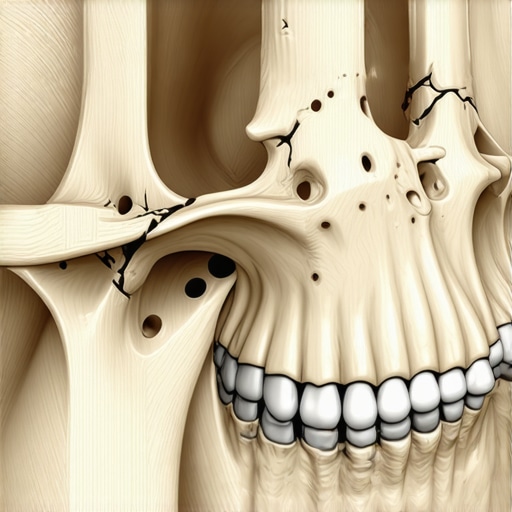
Upgrade Your Cleaning Experience
You might think a professional cleaning has nothing to do with a clicking jaw, but gum inflammation and oral bacteria can actually make joint pain feel more systemic and intense. I noticed that when I utilized modern teeth cleaning innovations that reduce sensitivity and boost results, my whole mouth felt less “tight.” If your gums are tender, you tend to clench your teeth subconsciously to avoid sensitive areas, which cycles back into that annoying, rhythmic pop every time you speak or chew.Let’s dig deeper. Everyone told me that Invisalign was just about looking better in headshots, but that’s the first big lie of cosmetic dentistry. People treat clear aligners like a fashion accessory when they are actually a functional orthopedic tool. In my experience, focusing solely on the “straightness” of the front six teeth is a recipe for long-term jaw disaster. If your back molars don’t mesh correctly, you’re just moving the clicking sound from one side of your face to the other.
The Invisalign Lie You’ve Been Told
The common belief is that any dentist can slap a set of trays on you and call it a day. But if you don’t know how to choose a dentist for your invisalign transformation, you might end up with a “pretty” smile that still pops and clicks. A study published in the Journal of Oral Rehabilitation suggests that even minor occlusal interferences—places where your teeth hit too early—can significantly increase muscle activity in the jaw, leading to that chronic tension I mentioned earlier. I see people all the time who are obsessed with the end result but fail to check how to tell if your invisalign tray is actually seated during the process. If that tray isn’t snug, the tooth isn’t moving, and your jaw is the one that pays the price. #IMAGE_PLACE_HOLDER_C#
Why do my teeth feel loose during the first few days of a new tray?
This is the question that keeps most patients up at night. It feels like your teeth might just fall out into your hand. But here’s the nuance: that “looseness” is actually the periodontal ligament widening to allow for movement. It’s a sign of progress, not a sign of failure. However, the real danger is the “Oops” factor of inconsistency. Have you ever fallen into the trap of leaving your trays out for a long dinner and then forcing them back on? I certainly have. Knowing what happens if you skip wearing your invisalign for just one weekend is crucial because the teeth start to “bounce” back, and forcing them into a tray they no longer fit creates microscopic trauma to the root. It’s not just about the delay; it’s about the health of the bone.
Cleanings are More Than Just a Polish
We need to talk about teeth cleaning myths debunked by top dentists. Most people think a cleaning is like a car wash—just for the exterior. But the “hidden nuance” is that professional prophylaxis is about systemic inflammation management. When you experience modern teeth cleaning innovations that reduce sensitivity and boost results, you aren’t just getting rid of coffee stains; you’re lowering the bacterial load that causes your jaw muscles to clench in response to gum pain. I’ve seen patients try to take matters into their own hands with the truth about using baking soda to scrub away surface stains, only to find they’ve scratched their enamel so badly that bacteria have a new playground to hide in.
The Trap of DIY Cosmetic Fixes
If you’re looking into cosmetic dentistry myths debunked what you really need to know, remember that “white” doesn’t always mean “healthy.” A perfectly white smile that is misaligned will still cause TMJ issues. Have you ever fallen into the trap of thinking a quick whitening kit would solve your confidence issues, only to realize the underlying structural pop was still there? Let me know in the comments if you’ve ever prioritized the “look” of your teeth over how they actually function. It’s time we stop treating our mouths like a collection of pretty rocks and start treating them like the complex machinery they are.
The Maintenance Toolkit That Actually Silences the Click
I used to think that a standard toothbrush and some floss were enough to keep my jaw and teeth in peak condition. I was wrong. Once you’ve invested in straightening your smile, the real work is keeping that delicate balance from shifting. I eventually realized that manual scrubbing is for the birds. Now, I swear by a medical-grade ultrasonic cleaner for my aligners and retainers. It uses high-frequency sound waves to blast away the microscopic biofilm that a brush simply can’t reach. This isn’t just about aesthetics; it’s about hygiene. If you want the secret to keeping your invisalign trays perfectly clear for two weeks, you have to stop introducing bacteria back into your mouth every time you seat your trays. I also recommend a high-quality water flosser with a specialized orthodontic tip. It’s the only way to ensure the back of those molars stays clean without putting unnecessary pressure on a sensitive jaw joint.
How do I keep my jaw functioning smoothly year after year?
Maintenance isn’t a one-time event; it’s a daily rhythm. Beyond the gadgets, I’ve found that specialized invisalign maintenance expert tips for clear confident smiles often overlook the importance of muscle memory. I spend five minutes every night doing ‘tongue-to-roof’ exercises. By keeping your tongue resting on the roof of your mouth, you naturally keep your teeth slightly apart, preventing the night-time clenching that leads to that dreaded morning pop. This habit, combined with maintaining your teeth cleaning routine for long-term health, creates a stable environment for your jaw to heal. You have to treat your bite like a high-performance vehicle; it needs regular alignment checks and the right fuel to run without knocking. 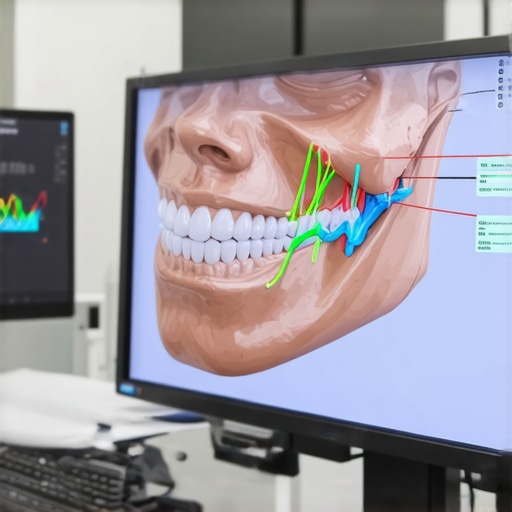
Digital Twins and the Future of Your Bite
We are entering an era where guesswork in dentistry is becoming obsolete. I’m particularly excited about the rise of digital occlusal analysis, like the T-Scan system. According to research by Dr. Robert Kerstein, a leader in digital occlusion, traditional methods like biting on blue articulating paper often fail to show the force and timing of how teeth meet. A tooth might look like it’s hitting correctly, but if it hits just a fraction of a second too early, it can trigger a TMJ flare-up. In the near future, I predict we’ll see AI-driven wearable mouthguards that sync to our smartphones, providing real-time alerts when our jaw muscle tension spikes during the day. We are already seeing how what a 3d cbct scan reveals about your jaw health is changing how we diagnose structural issues before they become painful. By utilizing invisalign innovations why 2025 is the year for a perfect smile, we can now map out the entire movement of the jaw in a virtual space before a single tray is even printed. If you’re still struggling with sensitivity during this process, make sure you’re looking into teeth cleaning for sensitive teeth what works best in 2025 to keep your comfort levels high. My advanced tip for you today: Try the ‘N-Position’ for the next 24 hours. Say the letter ‘N’ and hold your tongue right where it lands on the roof of your mouth. Keep it there whenever you aren’t eating or talking. This simple postural shift can reduce jaw tension by up to 40% in a single day.
The Hard Truth About Ignoring That Quiet Click
After years of navigating the world of TMJ issues, I’ve realized that the clicking sound in your jaw is rarely just a ‘quirk.’ It is a signal from your body that the mechanical balance is off. Here are a few lightbulb moments that changed my entire approach to oral health:
- Stress is a physical anchor: I used to think my jaw clicked solely because of my bite, but I eventually realized it was how I held my breath during work deadlines. Your jaw is often the first place your body stores emotional tension.
- The danger of ‘testing’ the pop: We all do it—opening our mouths wide just to see if the sound is still there. Every time you force that click, you risk further displacing the cartilage disc. Healing starts when you stop checking for the pain.
- Aesthetics should never trump function: A Hollywood smile is a hollow victory if you can’t bite into a sandwich comfortably. When you read through invisalign success stories real patients real transformations, the real win is always the restoration of a functional, pain-free bite.
My Personal Kit for a Silent Bite
Managing a clicking jaw requires more than just willpower; it requires a specialized routine. I transitioned to using a high-pressure water flosser because it allows me to clean deep between molars without having to force my mouth open into an uncomfortable position. If you are starting your journey toward alignment, knowing how to manage the intense pressure during the first day of new invisalign trays can prevent the muscle guarding that leads to more clicking. I also swear by teeth cleaning secrets how regular care boosts oral health at any age to keep gum inflammation low, as tender gums often cause subconscious clenching. Most importantly, none of these tools work without finding a dentist who gets your smile tips from top cosmetic pros to ensure your treatment plan accounts for your joint health, not just your tooth position. [image]
Reclaiming Your Comfort One Meal at a Time
You don’t have to accept a ‘noisy’ jaw as your permanent reality. By combining modern alignment technology with mindful habits and professional oversight, you can silence the click and regain the freedom to eat, speak, and laugh without hesitation. Your journey to a healthier bite is a marathon, not a sprint, but the destination—a silent, comfortable smile—is worth every step. Does your jaw click more during high-stress work meetings or after a long day of physical activity? Let me know your experience in the comments below!