
I’ll never forget the Tuesday I decided to switch to Tray 5 right before a big lunch date. Big mistake. Within twenty minutes, my upper incisors felt like they were being put through a vice grip, and I could barely focus on the menu. I thought I was being a baby about it, but the reality is that those first 24 hours are the heavy lifting phase of your smile journey. If you’re currently feeling that deep, thumping ache and wondering if you’ll ever eat solid food again, take a breath. I’ve been exactly where you are, and today, we’re going to walk through the exact routine I developed to manage that intense pressure so you can stop worrying and actually get some sleep.
Why Day One Always Feels Like a Tight Hug for Your Teeth
That deep thumping you feel isn’t just in your head; it’s biology in action. When you snap in a fresh set, you are applying a specific amount of force to move your roots through the jawbone. It is a miracle of modern cosmetic dentistry, but man, does it sting at first. I made the classic rookie error of swapping my trays at 8:00 AM on a workday. I spent the whole day miserable, refusing to speak in meetings because my mouth felt so tight. Since then, I’ve learned that timing and preparation are everything. You have to master the maintenance routine to keep things comfortable from the start. According to the American Association of Orthodontists, it is completely normal for teeth to feel tender as the periodontal ligaments are compressed and stretched, and it usually takes about 48 to 72 hours for the nerves to fully settle down.
Is the pain a sign that something is actually wrong?
It’s the question we all ask when the throbbing starts. You might even notice your front teeth feel loose on tray swap days, which is enough to send anyone into a panic. Rest assured, unless you’re seeing bleeding gums or a tray that literally won’t stay on, that pressure means the plastic is doing its job. I used to worry that I was damaging my roots, but I realized that the discomfort was just proof of progress. If you’re struggling to even get the thing on, you need to know how to tell if your Invisalign tray is actually seated properly before you blame the pressure alone. Have you ever felt like your trays were two sizes too small the second you put them in? Drop a comment and tell me which tray number gave you the most trouble! This initial hump is the hardest part, but once you get past the first 24 hours, it’s all downhill from there.
Swap your trays right before bed
I cannot stress this enough: stop putting new trays in during your morning coffee. When you switch at night, you are essentially sleeping through the peak pressure window. Think of your jaw like a sore muscle; it needs rest to adapt. I once made the mistake of swapping at noon before a wedding rehearsal dinner. By the time the appetizers arrived, I was in so much pain I could not even enjoy the wine, let alone the steak. Now, I pop them in at 10 PM, take a mild pain reliever if needed, and let my body do the work while I am unconscious. By the time you wake up, the initial shock to your periodontal ligaments has already begun to subside.
The power of the eight-hour head start
This window of time is crucial because your teeth are not being interrupted by speaking or the constant taking-in-and-out of the aligners. If you have read the ultimate guide to Invisalign for adults in 2025, you know that consistency is king. Spending those first eight hours in total stillness gives the plastic time to settle without any mechanical interference from your tongue or cheeks. Every minute of undisturbed wear in that first phase prevents the teeth from bouncing back to their previous position.
Force the perfect fit with aligner chewies
Even if the tray feels like it is on, it probably is not seated perfectly. You need to eliminate any air between the plastic and your teeth. I use aligner chewies—those little silicone cylinders—for at least five minutes right after a swap. It is like vacuum-sealing your teeth. If you do not do this, you might find the honest reason your Invisalign trays keep popping off your back teeth is simply a lack of initial engagement.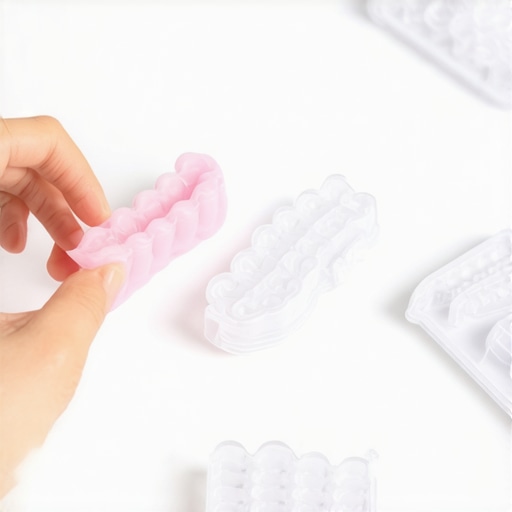
Avoid the dreaded popping back tooth
I remember Tray 12 being particularly stubborn; it kept bouncing off my right molar like a spring. I spent ten minutes biting down on a chewie, and suddenly, I heard a tiny click. The relief was instant. That click meant the force was being distributed across the whole arch instead of just crushing my front teeth. Without that proper seat, the tray is just a piece of plastic sitting in your mouth; with it, it becomes a corrective tool.
Eat like a toddler for twelve hours
Your first meal after a tray swap should require zero effort from your jaw. I once tried to eat a crusty sourdough baguette on a Tray 3 swap day, and I genuinely thought I was going to leave my lateral incisors embedded in the crust. It was a messy, painful realization that I was asking too much of my ligaments. Now, I stick to protein shakes, yogurt, or very soft pasta for the first two meals. This is also a great time to focus on teeth cleaning for sensitive teeth because your gums will be naturally tender and prone to irritation.
Getting back on track after meals
The hardest part of the first day is actually putting the trays back in after breakfast. Your teeth have moved a fraction of a millimeter, and the air hitting them feels like ice. Be quick. If you linger too long, you will need to know how to get your clear aligners back in after a long dinner, because even thirty minutes of freedom can make the re-insertion feel like Day 1 all over again. Keep your attachments clean too, as gunk can prevent a tight fit; learn how to get the coffee stains out of your Invisalign attachments to keep everything smooth and professional.A lot of people believe that if they aren’t feeling a sharp ache, their teeth aren’t moving. That is a dangerous myth to buy into. In my experience, and according to many cosmetic dentistry myths debunked by experts, constant extreme pain isn’t a sign of efficiency—it’s often a sign of excessive force that can lead to root resorption. A study published in the American Journal of Orthodontics and Dentofacial Orthopedics highlights that the best tooth movement occurs with light, continuous force, not traumatic bursts. If you’re trying to speed up the process by skipping days or forced-fitting a tray that is two steps ahead, you’re risking permanent damage to your roots. Have you ever fallen into this trap of thinking ‘no pain, no gain’ with your aligners? Let me know in the comments.
Why does your saliva feel like thick syrup after a new tray?
It’s one of those weird things no one warns you about. You pop in a new tray and suddenly why your saliva feels thick and how it leads to more cavities becomes a very real concern. This happens because your brain perceives the new plastic as a foreign object—or even food—and triggers the salivary glands. However, the physical presence of the trays can interfere with natural flow, leading to a dry mouth sensation despite your mouth being full of thick saliva. This is a crucial nuance because thick saliva lacks the buffering capacity to protect your enamel from acid. If you aren’t careful, this sticky phase can actually accelerate tooth decay during your treatment.#IMAGE_PLACE_HOLDER_C#
The tartar trap that stops your teeth from moving
One of the biggest ‘oops’ moments for Invisalign veterans is ignoring their dental hygienist. You might think you can skip a session because you’re brushing so much more often now, but how regular teeth cleaning can prevent major dental issues is especially true for aligner wearers. If you have even a tiny bit of tartar (calculus) built up between your teeth, that ‘cement’ creates a physical block. The plastic tray can push all it wants, but those teeth aren’t going anywhere if they’re physically locked together by mineralized plaque. I always schedule my deep cleanings right before a major milestone tray. Using modern teeth cleaning innovations that reduce sensitivity can make these appointments a breeze even when your teeth are tender from the move. When you look at Invisalign vs traditional braces, the ability to get a professional cleaning without wires in the way is a massive advantage—don’t waste it.If you have made it past the first few weeks, congratulations—you are officially in the pro phase of your transformation. But this is where many people get lazy, and that is a recipe for yellow trays and bad breath. I quickly realized that scrubbing with a toothbrush simply was not enough for my standards. I switched to using a dedicated ultrasonic cleaner twice a day. Why? Because mechanical scrubbing can actually create microscopic scratches in the plastic where bacteria love to hide, making the trays look cloudy. By using an ultrasonic bath with a retainer-specific cleaning tablet, you are using sound waves to blast away debris without damaging the aligner surface. It is the only way I have found to truly master the secret to keeping your Invisalign trays perfectly clear for two weeks. When you look at Invisalign maintenance expert tips for clear confident smiles, you will see that keeping the plastic porous-free is the biggest hurdle to a discreet look. Another tool I cannot live without is the PUL tool. If you have attachments, you know the struggle of trying to pry a tray off without feeling like you are pulling your own teeth out. This little hook tool changed everything for me, especially when I was out at restaurants. It allows you to grab the tray from the back molar and pop it off in one clean motion, preventing the plastic from warping or cracking. 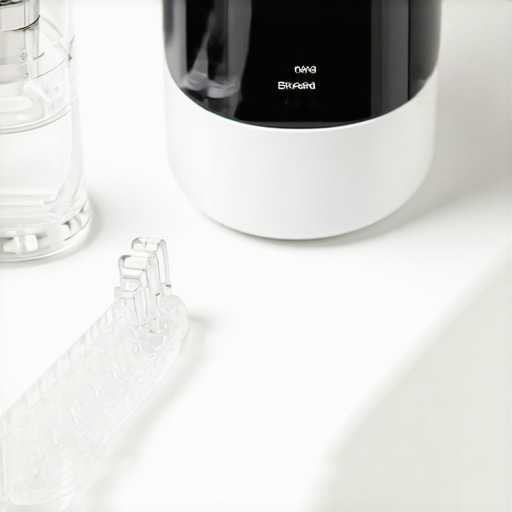 As we look toward the next few years, I predict we are going to see a massive shift toward AI-integrated apps for tracking. Some offices are already using tools like Dental Monitoring, which uses your smartphone camera to scan your teeth weekly. The software then tells you if you are ready for the next tray or if you need to wear the current one for two more days. This kind of data-driven precision is why Invisalign is the future of clear braces—it removes the guesswork and ensures your roots are actually moving as planned. According to Dr. Robert S. Haeger in the Journal of Clinical Orthodontics, digital monitoring can significantly reduce the number of in-office visits while increasing the predictability of the outcome by catching tracking issues in real-time.
How do I keep my smile straight once the treatment ends?
The truth is, the work does not stop when you finish your last tray. You will need a solid plan for retainers to prevent a relapse. I have seen people go through 18 months of treatment only to have their teeth shift back because they forgot their nighttime retainer. You have to commit to maintaining your teeth cleaning routine for long-term health and stability. Often, this is also the perfect time to look into the ultimate guide to teeth whitening and cosmetic enhancements, as your new alignment makes those treatments much more effective. I want you to try this one advanced tip tonight: before you put your trays in after dinner, use a water flosser on a low setting. It reaches the tiny gaps that traditional floss misses, ensuring that no food particles get trapped under the plastic for the next 10 hours. It is a total game-changer for your gum health and keeps the trays smelling fresh.
Hard Truths About Those Early-Week Aches
Looking back at my first few months, I realized that the pressure was actually a signal I needed to learn to interpret. One of the biggest mental hurdles was accepting that the truth about why your front teeth feel loose on invisalign tray swap days isn’t about structural failure, but about the ligaments resetting. It is a temporary state that leads to permanent alignment.
I also learned that your mindset dictates your success. Reading through invisalign success stories real patients real transformations helped me realize that everyone hits a wall where the novelty wears off and the maintenance feels like a chore. The secret is to treat your trays like a luxury accessory, not a medical burden.
Lastly, don’t be afraid to communicate with your provider. I found that how to choose a dentist for your invisalign transformation makes all the difference when you have questions about specific tooth movements that feel different than the others.
Tools That Make the Journey Seamless
If you want to move beyond the basic kit, there are a few items that are non-negotiable for a smooth experience. While the water flosser is great for debris, you also need to understand how regular teeth cleaning can prevent major dental issues by flushing out the bacteria that the trays would otherwise trap against your enamel.
#IMAGE_PLACEHOLDER_E#
Second, prioritize professional-grade cleaning tablets. While it is tempting to use soap, choosing the best invisalign options for your lifestyle means keeping your aligners crystal clear and free from that old plastic smell. An ultrasonic cleaner is an investment, but for a year-long journey, it is the best way to maintain hygiene.
Why Your New Smile is Worth Every Moment of Pressure
The road to a perfect smile is rarely a straight line, and those Tuesday night tray swaps are the milestones that prove you are getting closer. With invisalign innovations why 2025 is the year for a perfect smile, the technology has never been more comfortable. Don’t let a few hours of pressure discourage you. If you ever feel stuck or need a professional opinion on your progress, don’t hesitate to contact us to ensure your journey is on the right track. Have you ever had a tray that felt so tight you almost gave up? Let me know which tray number it was in the comments below!