
I remember the first Tuesday after my final implant crown was set. I woke up, stretched, and then it hit me—a weird, dragging sensation in my lower jaw. It wasn’t pain, exactly. It just felt like my tooth had gained ten pounds overnight. I stared in the mirror, convinced the titanium post was slowly sinking into my chin. Spoiler alert: it wasn’t. But that “heavy” feeling is one of the most common things people don’t tell you about during the recovery phase. It is that visceral realization that your mouth is still adjusting to a permanent change. Today, we are going to dive into why this happens and what you can do to ease that morning clunkiness.
Stop Panicking About That Morning Jaw Pressure
The reality is that your body is incredibly sensitive to changes, especially when those changes involve titanium and bone. When I first started my journey into cosmetic dentistry trends that transform smiles, I expected my new tooth to feel identical to its neighbors immediately. I was wrong. Early on, I made the mistake of constantly “testing” the implant by clicking my teeth together at 2 AM, which only made the inflammation worse. You have to realize that why your dental implant feels slightly different than your natural teeth usually comes down to the absence of the periodontal ligament. This lack of a cushion means your jawbone is getting raw data about every bit of pressure.
Is this heavy sensation a sign of implant failure?
That is the million-dollar question that keeps most of us up at night. We invest so much in our smiles that any odd sensation feels like a catastrophe. But let me reassure you: “heavy” rarely means “failure.” If you aren’t seeing redness or feeling a distinct wiggle, you are likely just feeling the results of fluid accumulation and blood pressure changes. Have you ever woken up and felt like your new tooth was weighing you down like a lead anchor? I’d love to hear your story in the comments—trust me, you aren’t alone.
Why Gravity and Blood Flow Are Playing Tricks on Your Jaw
The main reason for that weighted feeling involves your sleeping position. When you are horizontal for several hours, blood pressure in your head and neck increases. Because an implant is directly fused to the bone, any minor swelling in the surrounding tissue feels significantly more intense than it would with a natural tooth. It is very similar to the reason your dental implant feels heavy when you lie down. According to the American Academy of Implant Dentistry, the lack of a periodontal ligament means the implant cannot “buffer” the sensations of blood flow or tissue pressure. Even if you are following all the teeth cleaning secrets of the pros, your body still needs time to integrate. If you have recently navigated an Invisalign journey or other major work, you know the mouth is a slow healer. We are going to look at the exact signs that mean it is time to call the doctor versus when you just need to drink a glass of water and start your day.
Prop Your Head Up to Drain the Pressure
The most immediate way to fix that lead-pipe feeling in your jaw is to fight gravity. When you lie flat, blood and lymphatic fluid rush to your head, increasing the internal pressure against the surgical site. I spent my first three nights after my procedure sleeping almost upright. I looked like a gargoyle perched on a cathedral, and my neck was fairly stiff by Friday, but the difference in my jaw was night and day. On the one night I slipped off my pillow stack and ended up flat on the mattress, I woke up feeling like a heavy weight was hanging from my chin. This is essentially the mechanical version of the reason your dental implant feels heavy when you lie down. Try using a wedge pillow or stacking at least three firm pillows to keep your head at a 45-degree angle. This allows the fluid to drain naturally rather than pooling around the titanium post. 
Ditch the Constant Tongue Checks
We all do it—we use our tongues to investigate the new metal addition like a detective at a crime scene. You have to stop. Every time you push your tongue against the implant or the healing cap, you are micro-disturbing the osseointegration process. Think of it like a tree sapling; if you keep wiggling the trunk to see if the roots are growing, the roots will never actually take hold. Early on, I was so paranoid about a loose sensation that I poked at it every twenty minutes. The result? Prolonged swelling and a dull ache that wouldn’t quit. If you feel something moving, it might just be a hardware issue; knowing how to handle a loose healing cap on your dental implant can save you a frantic 4 AM search. Unless you see active bleeding or pus, the best thing you can do for that ‘heavy’ feeling is to ignore it and let the bone do its work.
Use a Warm Saltwater Flush Instead of Scouring
People often over-clean because they are terrified of infection, but aggressive scrubbing can actually cause the gums to pull away from the site. When the gums are irritated, they swell, and that swelling contributes to the ‘weight’ you feel. Switch to a gentle saltwater rinse three times a day. This keeps the bacterial load down without the mechanical trauma of a toothbrush hitting the sensitive site. If your other teeth are acting up during this time, look into teeth cleaning for sensitive teeth what works best in 2025 to ensure you aren’t neglecting your overall oral health while coddling the implant.
Spotting the Difference Between Healing and Failure
How do you know when to actually pick up the phone? A ‘heavy’ jaw is a recovery symptom, but a ‘throbbing’ jaw that keeps you from sleeping is a warning light. If the sensation transitions from a dull weight to a sharp, rhythmic pulse, or if you notice a bad taste that won’t go away, it’s time to reach out. This is when finding a dentist who gets your smile tips from top cosmetic pros pays off, as they can quickly distinguish between normal inflammatory responses and early-stage peri-implantitis. Most of the time, that morning pressure is just your body’s way of saying it’s busy building new bone, not that it’s rejecting the work.One of the biggest lies we tell ourselves in the dental chair is that once the hardware is in, the work is over. I used to think of my implant as an armored tank—indestructible and immune to the world. But the reality is far more nuanced. While the titanium itself won’t decay, the biological environment surrounding it is more temperamental than your natural teeth. Many people assume that ‘squeaky clean’ is the goal, leading them to scrub their gums with aggressive vigor. This is a massive mistake. In my experience, and as backed by teeth cleaning myths debunked by top dentists, over-brushing actually creates micro-tears in the delicate gingival seal around the implant, inviting the very bacteria you are trying to avoid.
Stop Treating Your Restoration Like an Armored Tank
The ‘set it and forget it’ mentality is the fastest way to lose an expensive investment. Everyone says you just need to brush and floss, but they rarely mention the ‘Grit Trap.’ I once tried a trendy charcoal paste to brighten my smile, only to realize I was essentially using sandpaper on my porcelain. If you are curious about the damage potential, you should check the grit test how to tell if your charcoal toothpaste is destroying your enamel before you brush again. High-abrasion pastes can create microscopic scratches on your crown that harbor biofilm, making it impossible to feel that ‘polished’ sensation. Have you ever fallen into this trap? Let me know in the comments.
Why does my titanium post feel colder than my other teeth?
This is a question only those of us with implants truly understand. Because titanium is a metal, it has a different thermal conductivity than natural dentin and pulp. When you drink a milkshake or ice water, the post can actually act as a heat sink, transferring the temperature to the bone faster than your natural teeth would. It is a strange, sharp sensation that often leads people to believe they have a new cavity. In reality, it is just the reason your dental implant feels cold when you drink ice water. A study published in the Journal of Periodontology notes that without the insulating layer of the periodontal ligament, the bone is directly exposed to these thermal shifts. 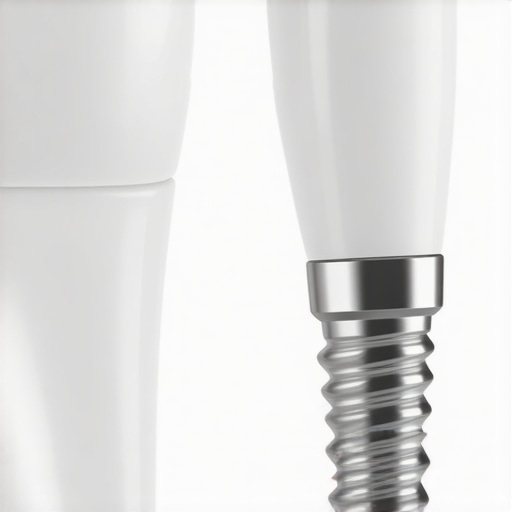
The Biofilm Battle You Cant See
We often judge our oral health by how our teeth look in the mirror, but the real battle is happening at the microscopic level. You might see a bright white smile, but cosmetic dentistry myths debunked reveal that aesthetics don’t always equal health. If you’ve ever wondered why your teeth feel like polished glass after a professional prophy cleaning, it is because the hygienist has removed a layer of protein film that home brushing simply can’t touch. For those of us with implants or veneers, this professional maintenance is not optional—it is the only way to prevent the chronic inflammation that leads to ‘heavy’ sensations or, eventually, failure. If you are still searching for the right partner for this journey, finding a dentist who gets your smile tips from top cosmetic pros can help you find a clinician who understands these high-level nuances rather than just the basics.
Stop Relying on String Floss for Your Implants
I’ll be honest: I used to find flossing a chore, especially with an implant that felt like a tight squeeze. But once you move past the initial recovery, maintenance becomes your full-time job. I switched to a high-end water flosser—specifically the Waterpik Aquarius—and it was a total game-changer. Standard floss often shreds when it hits the junction where the crown meets the abutment. This is exactly where most people fail. Learning how to clean under a fixed dental bridge without using a needle threader or maneuvering around an implant requires a tool that uses pressure, not friction. According to clinical research published in the International Journal of Implant Dentistry, pulsating water is significantly more effective at disrupting subgingival biofilm without traumatizing the soft tissue cuff around the metal post. This method is particularly vital if you have recently upgraded your smile with cosmetic dentistry trends that transform smiles.
How do I keep my dental work looking brand new for decades?
The secret isn’t a magical toothpaste; it’s a multi-pronged strategy that mimics a professional’s eye. First, you must prioritize maintaining your teeth cleaning routine for long term health by incorporating a soft-bristled electric brush. I personally use an oscillating head because it does the micro-movements for me. If you’ve gone through the effort of invisalign maintenance expert tips for clear confident smiles, you know that consistency is everything. You can’t just be a weekend warrior with your oral hygiene. For those with lingering discomfort, exploring teeth cleaning for sensitive teeth what works best in 2025 will ensure you aren’t avoiding the very areas that need the most care. If you are ever unsure about your technique, I highly recommend finding a dentist who gets your smile tips from top cosmetic pros to get a personalized hygiene roadmap.
Welcome to the Era of AI-Powered Oral Monitoring
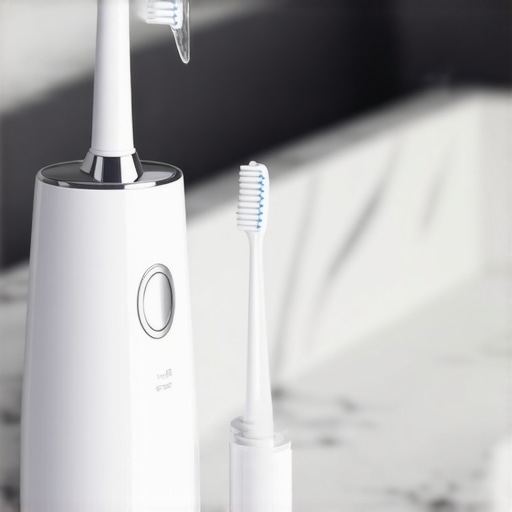
Looking ahead, I’m incredibly excited about where dental tech is going. We are moving toward a future where your bathroom mirror might actually scan your teeth for you. We are already seeing how we use digital scans to catch cavities that x-rays might miss in high-end clinics today. In the next few years, I predict we will have home-based AI sensors that detect the chemical composition of your saliva to alert you to inflammation before you even feel that heavy sensation I talked about earlier. This is the ultimate scaling of dental care—taking it from a twice-a-year office visit to a real-time health dashboard. To stay ahead of the curve, look for modern teeth cleaning innovations that reduce sensitivity and boost results that integrate with smartphone apps. My biggest tip for today? Try switching to a water flosser for 14 days and use the low setting around your implant; you will be shocked at the difference in your gum health.
The Surprising Realities I Discovered About My New Smile
Reflecting on my own journey, there are a few deep-seated truths that I wish someone had whispered to me during that first week of recovery. First, the heavy feeling is your body’s way of talking to you. It isn’t a malfunction; it is the physical sensation of your bone and tissue remodeling themselves around a new anchor. Second, I realized that patience is a clinical requirement. You can’t rush the fusion of metal and bone, and trying to test its strength too early only sets you back. Finally, I learned that your dental health is a reflection of your overall wellness. When I was stressed or dehydrated, that heavy sensation became more pronounced. Your mouth is a sensitive ecosystem, and treating it with respect is the only way to ensure your investment lasts.
My Personal Toolkit for a Lifetime of Dental Health
Maintaining a high-end smile requires more than just a grocery-store toothbrush. I’ve refined my routine down to a few essential items that I trust implicitly. I swear by my oscillating electric toothbrush because it provides the micro-agitation needed to break up biofilm without the trauma of manual scrubbing. For irrigation, a high-quality water flosser is non-negotiable; it reaches the nooks around my implant that string floss simply misses. I also frequently revisit the teeth cleaning secrets shared by professionals to make sure my technique hasn’t become lazy. If you are ever in doubt about your gear, I recommend finding a dentist who gets your smile tips from top cosmetic pros to ensure your tools match your specific dental anatomy.
#IMAGE_PLACEHOLDER_E#
Embracing Your Future with a Confident New Look
Choosing to undergo a major dental transformation is one of the most rewarding things you can do for your self-esteem and health. While the recovery phase has its quirks—like that strange morning pressure or the cold sensation from a milkshake—the long-term benefits of a stable, functional dental implant far outweigh the temporary hurdles. By maintaining your teeth cleaning routine for long term health, you aren’t just protecting a piece of titanium; you are preserving your ability to eat, speak, and laugh without hesitation. Don’t let a few odd sensations discourage you. You are building a stronger, healthier version of yourself, one day at a time. Have you ever experienced a strange ‘heavy’ or ‘weighted’ sensation after your dental work? Let me know your story in the comments below!