
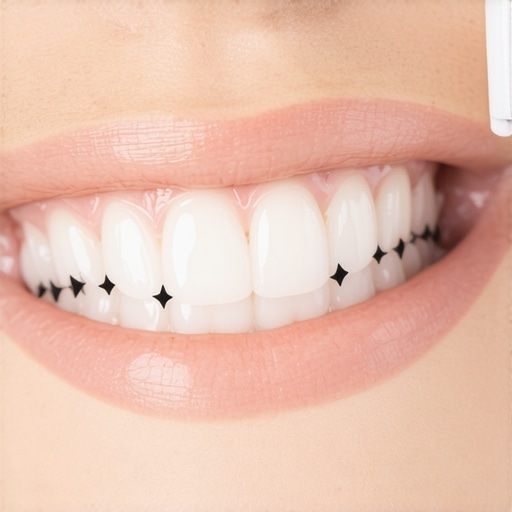
I will never forget the morning I finally finished my aligner treatment and looked in the bathroom mirror expecting a Hollywood transformation. My teeth were straight, sure, but I noticed these tiny, dark, triangular shadows lurking right at the gum line. It looked like I had poppy seeds stuck between my teeth, and no matter how much I rinsed, the ‘black triangles’ remained. I felt like I had traded one cosmetic issue for another, and I was terrified that the only fix was to shave my healthy teeth down for thick, invasive crowns. I actually made the mistake of scrubbing my gums harder with a stiff brush, thinking I could ‘wake them up’ and make them grow back. Spoiler alert: that just made things worse. Today, I want to show you that you don’t need to sacrifice your natural tooth structure to get rid of those gaps.
That Dark Gap Between Your Teeth Is Not a Permanent Curse
Many people assume that these spaces, technically called gingival embrasures, are just a sign of aging or permanent bone loss. While it is true that why your gums are receding can play a huge role, these gaps often appear right after orthodontic work because the teeth are finally in the right place, but the gum tissue hasn’t caught up. It is a common frustration, but we have moved far beyond the days of ‘crown or nothing.’ We now use advanced injection molding and composite materials that mimic your natural enamel perfectly. According to a study published in the British Dental Journal, approximately 67% of adults over the age of 20 have these black triangles, so you are certainly not alone in this struggle. This isn’t just about looks, either; these gaps are notorious for trapping food and bacteria, which can lead to more serious issues if you aren’t careful with your teeth cleaning routine.
Will my teeth look too wide if I close the gap?
This is the number one fear I hear from people, and it was my biggest worry too. I didn’t want ‘chiclet’ teeth that looked like one solid white block. The magic happens with modern cosmetic dentistry trends like the Bioclear method or specialized bonding to fix gaps. These techniques wrap around the tooth to create a natural, organic curve rather than just slapping a flat layer of filling on the side. When done right, it looks like your tooth grew that way naturally. You might even find that your front teeth feel more stable once that space is supported. Have you ever felt like your smile looked older than you are because of these tiny dark spaces? In the next section, I am going to break down exactly how we fill these gaps in a single visit without a single drill touching your healthy enamel.
The Injection Molding Magic That Saves Your Enamel
Most people are used to the ‘dab and dry’ method of traditional fillings, but closing a black triangle requires a much more sophisticated approach. We use a technique called injection molding, specifically the Bioclear method. Think of it like a custom-fitted suit for your tooth. Instead of just stacking layers of material, we use anatomical ‘matrices’—clear, thin forms that slide into the gum line. These forms act as a mold to shape the composite into a smooth, organic curve. This is a massive shift in cosmetic dentistry trends that transform smiles today because it strengthens the tooth rather than weakening it. Unlike crowns, we don’t have to grind down your healthy structure. I remember my own procedure; the dentist slipped those clear forms in, and for the first time, I saw how the gap would disappear without making my teeth look like giant blocks.
How We Stop the Filling from Looking Like a Fake Patch
The biggest challenge with closing these gaps is the ‘grey effect.’ If the material is too thin or the wrong shade, it looks like a shadow is still there. We solve this by using warmed composite resin. By heating the material to a specific temperature, it becomes more fluid, allowing it to flow into every microscopic nook of the tooth surface. This ensures a seamless transition. To get the look just right, we focus on how we match the texture of a crown or bonding to your natural teeth, ensuring the light reflects off the surface exactly the same way it does on your enamel. I once had a patient who was convinced her bonding would stain immediately, but because we used this high-polish, warmed method, the surface was so smooth that coffee simply slid right off.
Keeping Your New Smile Smooth and Food-Free
Once those triangles are closed, your daily maintenance routine actually becomes easier. You no longer have those ‘food traps’ where every piece of kale or steak gets stuck. However, you do need to be diligent about your teeth cleaning routine for long term health. Even though the composite is strong, it isn’t indestructible. You have to be careful with things like charcoal toothpaste or abrasive cleaners. I learned the hard way that using a ‘stiff’ brush can dull the shine of the bonding. Now, I stick to a soft-bristled brush and regular visits to ensure we catch any issues before they start. You also need to learn how to know if your dental bonding is stained or actually decaying, though with modern materials, staining is far less common than it used to be. If you’ve ever worried that your dental implant crown feels gritty or your bonding feels rough, it’s usually a sign that the polish needs a quick professional touch-up, not that the treatment failed.
Stop Trying to Scrub Your Gaps Away
One of the biggest misconceptions I encounter is the belief that more aggressive brushing will somehow ‘clean out’ the dark spaces or stimulate the gums to grow back. In reality, you might be doing the exact opposite. Over-scrubbing, especially with a stiff brush or abrasive paste, can lead to further gingival recession, making those black triangles even larger. This is one of the most common teeth cleaning myths debunked by top dentists. According to a study in the Journal of Esthetic and Restorative Dentistry, the interdental papilla—that delicate triangle of gum tissue—is highly sensitive to mechanical trauma. If you are trying to ‘fix’ the gap with force, you are likely destroying the very foundation of your smile.
Does closing the triangle trap more bacteria underneath?
This is a sophisticated concern that many of my more analytical patients bring up. They worry that by ‘filling’ the space, we are just creating a permanent hideout for plaque. The truth is quite the opposite, provided you avoid the ‘Quick Fix’ trap. Traditional hand-layered bonding can often leave a microscopic ledge—a tiny shelf where the filling meets the tooth. This ledge is a magnet for bacteria. However, when we use injection molding, we create a monolithic, seamless transition that is actually easier to maintain than the original gap. You just have to be careful with your choice of products; for example, you should take the grit test to ensure your toothpaste isn’t acting like liquid sandpaper on your new, smooth surfaces.
The Hidden Danger of the Micro-Ledge
The real ‘oops’ factor in black triangle treatment isn’t the material itself, but the margin. If a dentist isn’t specifically trained in the Bioclear method or similar anatomical matrix techniques, they may leave those ‘micro-ledges’ I mentioned. Not only do these trap food, but they are the primary reason why people think bonding always stains. It’s not the composite that’s changing color; it’s the bacteria and coffee sitting on that tiny ledge. This is a crucial distinction when learning how to know if your dental bonding is stained or actually decaying. A high-quality restoration should feel as smooth as a natural tooth to your tongue, with no ‘catch’ when you floss.
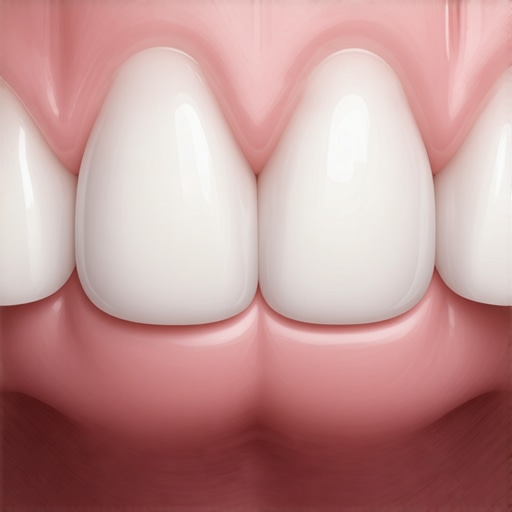
Another nuance involves the timing of your treatment. If you’ve just finished aligners, your teeth are in a state of flux. Without strict adherence to invisalign maintenance expert tips, your teeth can shift slightly, which might put pressure on the new bonding or even create new gaps elsewhere. This is why finding a dentist who gets your smile is so important; they won’t just look at the gap, but at the stability of your entire bite to ensure the fix actually lasts a decade or more. Have you ever fallen into the trap of thinking a ‘whiter’ toothpaste would solve your gum line shadows? Let me know in the comments below!
Keep those seamless edges smooth for decades
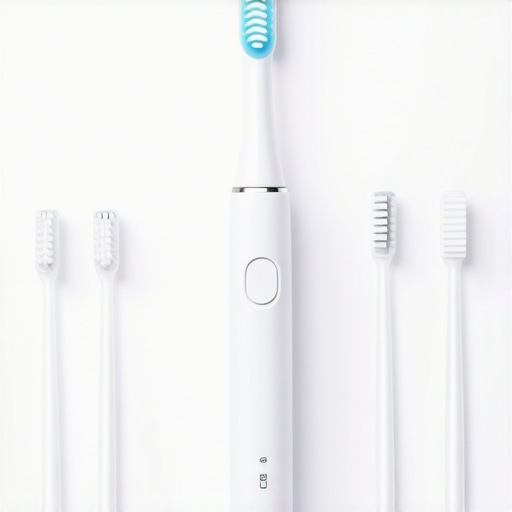
Once you’ve invested in closing those black triangles with injection molding, your job shifts from restoration to preservation. I tell my patients that a Bioclear or bonding treatment is like a high-performance sports car; you can’t just run it through a cheap car wash and expect the finish to last. One tool I personally swear by is the Curaprox CPS prime interdental brush. Unlike standard floss, which can sometimes snap against the gum and create the very trauma we are trying to avoid, these ultra-fine brushes glide through the newly contoured space without putting leverage on the material. If you find that your floss keeps shredding, it might be a sign of a tiny flash of material that needs a quick professional polish. I’ve found that using a Waterpik with the ‘Plaque Seeker’ tip is also a game-changer for people with complex bonding, as it flushes the gingival sulcus without mechanical abrasion.
How do I maintain my closed black triangles over time?
Maintenance is less about working harder and more about working smarter. You need to be mindful of the chemical environment in your mouth. Many people don’t realize that certain ‘whitening’ mouthwashes are highly acidic, which can micro-etch the surface of the composite over time, making it lose its luster. A study in the Journal of Adhesive Dentistry highlights that the surface roughness of composite resins increases significantly when exposed to low-pH beverages and alcohol-based rinses. This is why I recommend switching to a pH-neutral, alcohol-free rinse to protect the integrity of the bond. Integrating modern teeth cleaning innovations like erythritol-based air polishing during your biannual visits will keep the surface smoother than any home scrubbing ever could. You should also stay vigilant with your invisalign maintenance expert tips if you are wearing a nightly retainer, as a dirty retainer is essentially a petri dish for bacteria right against your new restorations.
The tech that is changing how we track gum health
Looking ahead, I am incredibly excited about the shift toward ‘smart’ oral health monitoring. We are already seeing the emergence of AI-powered intraoral cameras that can detect changes in gum volume at the millimeter level. In the next few years, I predict we will use digital scans not just to build crowns, but to create a ‘biological baseline’ for your gums. This will allow us to see if those black triangles are threatening to return long before your eyes can see the shadow. This level of maintaining your teeth cleaning routine for long term health takes the guesswork out of the equation. If you’ve been on the fence, remember that cosmetic dentistry trends are moving away from ‘drilling and filling’ toward these minimally invasive, tech-supported preservation methods. My challenge to you this week: swap out your hard-bristled brush for a high-quality electric one and see if you can feel the difference in how smooth your teeth feel by the end of the day. Consistency is the only ‘secret’ to a Hollywood smile that actually lasts.
Three Realizations That Changed How I View My Dental Gaps
Looking back on my journey, the most important thing I learned was that you cannot rush biology. When those dark spaces appeared, I wanted an instant fix, but my dentist explained that rushing into bonding before my teeth were fully settled could lead to more issues. This is why invisalign maintenance expert tips are so crucial; you have to let the bone stabilize first. Second, I realized that many teeth cleaning myths debunked by top dentists are actually harmful, like the idea that a harder brush removes more plaque—it actually just carves those triangles deeper. Finally, the injection molding approach isn’t just a fancy name; it is the difference between a smile that looks like a row of blocks and one that looks like your natural teeth.
#IMAGE_PLACEHOLDER_E#
The Daily Essentials for a Gap-Free Confidence
I am often asked what I use to keep my restorations looking fresh. First, I strictly use teeth cleaning for sensitive teeth techniques using an ultra-soft electric brush to avoid micro-scratching the composite. I also rely on interdental brushes rather than traditional floss, as your floss keeps shredding if there is any tiny ledge of material. Lastly, finding a dentist who gets your smile and knows the Bioclear method is the most important step; they have the specific tools to create that seamless curve that protects your gums.
Take the First Step Toward Your Best Smile
Those tiny dark shadows do not have to be a permanent part of your look. With modern the secret to a Hollywood smile cosmetic dentistry insights, we can close those gaps safely and beautifully. You deserve to look in the mirror and see a smile that reflects how you feel inside, without worrying about black triangles holding you back. Consistency in your maintaining your teeth cleaning routine for long term health is your best ally. Have you ever felt self-conscious about those dark spaces appearing after orthodontic work? Let me know in the comments!