
I remember standing in my bathroom, squinting at my reflection under those harsh LED bulbs. I had just finished my morning routine, feeling pretty good about my oral hygiene, when I noticed something unsettling. My right upper canine looked significantly longer than the left one. Not in a cool, symmetrical way, but in a “where did the pink part go?” way. My gums on the left side were perfectly fine, pink and snug, but that right side looked like it was making a run for it. It felt personal. Why was my body failing me only on the right half of my face? I panicked, thinking I was losing my teeth, but what I eventually learned changed how I look at my dental health forever. Today, I am going to help you figure out exactly why this is happening to you and how we can stop it before it gets worse.
Stop Scrubbing That One Spot So Hard
One of the most common reasons for lopsided recession is something I fell victim to myself: aggressive brushing. I am right-handed, and I realized I was putting way more elbow grease into the right side of my mouth because it was easier to reach. I thought I was being thorough, but I was actually sanding down my own gum tissue. If you find that your gums bleed only when you use your electric toothbrush, you might be applying too much pressure to that specific area. We often think that regular teeth cleaning requires a heavy hand, but your gums are delicate. Have you noticed that the side with the recession is also the side you start brushing on? Most of us use the freshest, firmest dollop of toothpaste and the most energy on the first quadrant we touch.
Is this actually worth the hype or just a freak occurrence?
It is easy to assume that if it were a real problem, it would be happening everywhere. But localized recession is a specific signal from your body. According to a study published in the Journal of Periodontology, traumatic toothbrushing is a leading cause of localized gingival recession, particularly in patients with otherwise high standards of oral hygiene. It is a bit ironic, isn’t it? The harder you try to stay clean, the more damage you might be doing. I made the mistake of thinking I could “clean” the recession away, which only pushed the tissue back further. We need to shift the focus from scrubbing to gentle, effective care.
The Hidden Culprits Behind Your Lopsided Smile
Sometimes the issue isn’t what you are doing with a brush, but what you are doing while you sleep. Grinding your teeth or having a slightly misaligned bite can put immense pressure on just one or two teeth, causing the bone and gums to retreat from the stress. You might even notice that your smile looks slanted in selfies because of how your teeth have shifted or worn down on one side. If your bite is the villain here, no amount of soft brushing will solve it. Have you ever woken up with a sore jaw on only one side? That is a massive red flag. We are going to dive into how simple adjustments, and perhaps a look at your alignment, can save your gum line from further retreat.
Swap the Power Grip for the Violin Bow Technique
The first step to halting that lopsided retreat is to change how you physically hold your toothbrush. Most of us grip our brushes like we are about to hammer a nail into a wall. This “power grip” makes it impossible to feel how much pressure you are actually applying. Instead, try the “violin bow” grip. Hold the brush handle with only your fingertips. This simple mechanical shift limits the amount of force your arm can transfer to your gums. I remember the first time I tried this; my hand felt weak and the brush felt like it was going to slip, but that was the point. I had been over-cleaning for years. To truly understand why your current routine might be backfiring, looking into teeth cleaning myths debunked by top dentists can reveal other ways you might be unintentionally “sanding” your smile.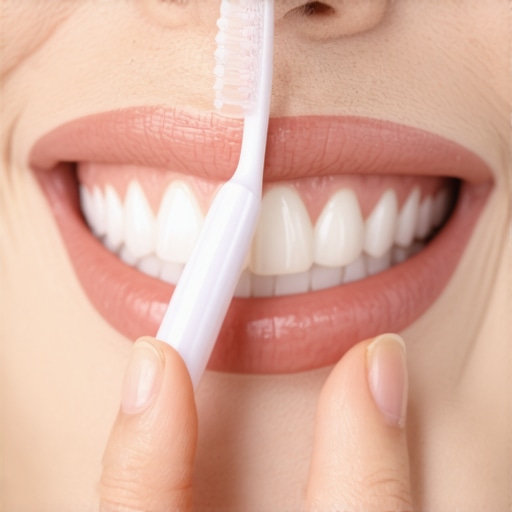
Identify the Lightning Rod in Your Mouth
If your brushing is gentle but the recession continues, your bite might be the culprit. Imagine your mouth is a complex suspension bridge. If one cable is shorter than the others, it carries a disproportionate amount of the weight. In your mouth, a misaligned tooth becomes a “lightning rod” for every ounce of biting force. This constant stress causes the bone to dissolve and the gums to follow. Evaluating invisalign vs traditional braces isn’t just about aesthetics; it is about leveling the playing field so one tooth isn’t doing the work of four. When I finally addressed my own alignment, the “zing” of sensitivity on my right side finally started to fade because the tooth wasn’t being pounded into the socket every time I chewed.
Patch the Exposed Foundation Before It Crumbles
Once the gum has receded, the root of the tooth is left vulnerable. Unlike the crown of your tooth, the root doesn’t have a thick layer of enamel; it has cementum, which is much softer and more porous. This is why you feel that sharp jolt when you drink cold water. While you wait for a long-term fix, you might rely on specialized pastes, but you need to know the truth about sensitive toothpaste and how long it takes to work—it requires weeks of consistent use to build a protective barrier.
Use Dental Bonding as a Shield
If the recession is deep enough that it is causing daily pain or trapping food, you don’t always have to jump straight to gum graft surgery. Cosmetic bonding can act as a synthetic “band-aid” for the root. Much like how we use bonding to fix a chipped tooth in under 45 minutes, a dentist can apply a tooth-colored resin over the exposed root. This seals the pores and stops the recession from worsening by providing a physical barrier against the brush and acidic foods. I had this done on my troublesome canine, and the relief was instantaneous—the “long” tooth suddenly felt protected again.The common wisdom suggests that switching to a soft-bristled toothbrush is the ultimate cure-all for gum recession. But here is the nuance: a soft brush used with a aggressive sawing motion is just as destructive as a medium-bristled one. It is essentially like using fine-grit sandpaper instead of coarse-grit; if you rub long enough with enough force, you are still going to strip the finish. According to a study published in the American Journal of Dentistry, the frequency of brushing and the specific technique are often more significant predictors of recession than the stiffness of the bristles themselves. If you are brushing three times a day for five minutes each, you are likely over-grooming your mouth into a state of tissue loss.
Soft bristles won’t save you if your technique is wrong
Most people assume that once they swap their brush, the damage stops. However, if you are still using a horizontal scrubbing motion, you are putting a massive amount of stress on the junctional epithelium, the thin seal that attaches your gums to your teeth. To truly protect your smile, you must combine better tools with the knowledge found in teeth cleaning myths debunked by top dentists. I learned the hard way that my ‘extra thorough’ nighttime routine was actually the primary driver of my lopsided recession. I was spending too much time on the right side simply because my arm did not get tired as quickly on that side. 
Why does my gum recession keep progressing even after I switched to a soft toothbrush?
If you have already changed your brush and your technique but the gum continues to retreat, you might be dealing with a thin gingival biotype. Some of us are simply born with thinner, more delicate gum tissue that cannot withstand even moderate pressure. In these cases, how regular teeth cleaning can prevent major dental issues becomes less about scrubbing and more about chemical biofilm management. You cannot ‘clean’ your way out of a genetic predisposition for thin tissue; you have to manage it with extreme care and perhaps professional intervention to thicken the site.
Stop masking the pain and start fixing the cause
A dangerous ‘oops’ factor I see frequently is the over-reliance on desensitizing agents. You might feel like you have solved the problem because the truth about sensitive toothpaste is that it eventually blocks the pain signals from your exposed roots. However, masking the sensitivity does not stop the physical retreat of the gum line. It is the dental equivalent of turning off a smoke alarm while the kitchen is still on fire. You need a professional to check for ‘fremitus’—a tiny vibration when your teeth hit each other. If your teeth are misaligned, that vibration acts like a jackhammer on the bone. This is why many adults find that why your front teeth feel loose on invisalign tray swap days is actually a sign of the bone remodeling to a healthier, more stable position. Once the alignment is fixed, the ‘jackhammering’ stops, and your gums finally have a chance to stabilize. Have you ever fallen into this trap where you thought you were being gentle but your gums kept moving? Let me know in the comments.Once you realize that your lopsided gum line is a result of either mechanical trauma or a misaligned bite, the focus shifts from panic to professional maintenance. I used to think a standard manual brush was fine, but my heavy-handedness was too much of a liability. I eventually upgraded to a brush with a built-in pressure sensor—the kind that flashes red when you are being too aggressive. This single piece of tech did more for my gum health than a decade of ‘trying to be careful’ ever did. If you are dealing with similar issues, teeth cleaning for sensitive teeth what works best in 2025 often involves these smart sensors because they remove the guesswork from your daily routine.
Invest in a brush that yells at you
I specifically started using an oscillating-rotating brush because of the clinical data behind it. According to a landmark study published in the Journal of Clinical Periodontology, these interactive power toothbrushes provide a statistically significant reduction in gingival recession progression compared to manual brushing, largely due to the real-time pressure feedback. It is not just about the bristles; it is about the accountability. By utilizing modern teeth cleaning innovations that reduce sensitivity and boost results, you are essentially putting a dental hygienist in your bathroom every morning. I predict that within the next three years, we will see AI-driven brushes that can map exactly where you are over-brushing and send a report to your dentist before your next check-up.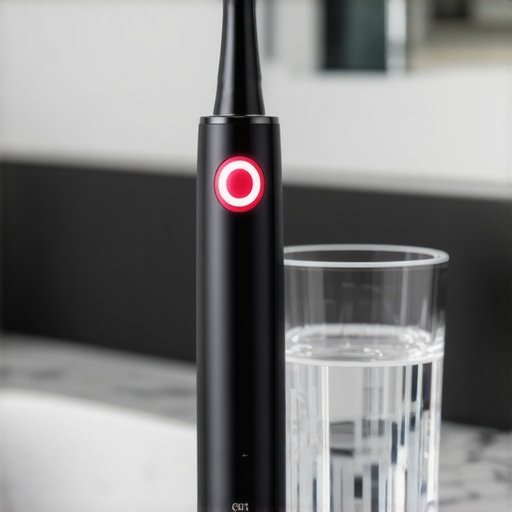
Keep those aligners crystal clear and your bite stable
If your recession was caused by a ‘lightning rod’ tooth taking too much force, you might be using clear aligners to fix the underlying structural problem. Maintenance here is two-fold: keeping the teeth in their new positions and keeping the hardware clean. I found that if I did not stay on top of the cleaning, bacteria would build up right at the gum line, causing inflammation that made my recession look even worse. Learning the secret to keeping your invisalign trays perfectly clear for two weeks was a game-changer for my confidence and my gum health. When you are choosing the best invisalign options for your lifestyle, remember that the end goal is a balanced bite that stops ‘hammering’ your gums into retreat.
How do I maintain my gum health over the long haul?
Long-term success is about consistency over intensity. You cannot make up for a week of aggressive scrubbing with one gentle session. It requires maintaining your teeth cleaning routine for long-term health by using the ‘violin bow’ grip I mentioned earlier and staying disciplined with your retainers. If you are still in the correction phase, invisalign maintenance expert tips for clear confident smiles can help ensure that your investment in your alignment actually protects your bone structure for the next thirty years. I highly recommend trying the ‘Tissue Paper Test’ tonight: try to ‘brush’ a single ply of toilet paper with your current technique. If it tears or pills immediately, you are still using way too much force for your delicate gum tissue. Try adjusting your grip until you can clean the surface without damaging the paper.
Lessons My Teeth Taught Me About Physical Balance
After years of wondering why my right canine looked different than my left, I had a few major lightbulb moments. First, your dominant hand is often your gums’ biggest threat. If you are right-handed, you likely apply 20% more pressure to the right side of your mouth without even realizing it. Second, lopsided recession is rarely a mystery; it is usually a physical response to uneven force, whether from a toothbrush or a misaligned bite. Third, I learned that ‘clean’ doesn’t have a feeling. If your teeth feel ‘squeaky,’ you might have actually stripped away the protective pellicle layer. Finally, I discovered that how regular teeth cleaning can prevent major dental issues has more to do with the hygienist spotting these subtle shifts in your gum line before they become permanent gaps.
The Toolkit I Use to Keep My Smile From Receding Further
To stop the retreat, I had to change more than just my brush. I had to change my entire philosophy on oral maintenance. I swear by these three essentials. First, a smart electric toothbrush with a visible pressure sensor is a must-have; it acts as a coach that prevents you from ‘sanding’ your gums. Second, for those with exposed roots, looking into teeth cleaning for sensitive teeth what works best in 2025 can guide you toward low-abrasive pastes that won’t wear down the softer root surface. Lastly, if you are using aligners to fix a traumatic bite, staying diligent with invisalign maintenance expert tips for clear confident smiles ensures that bacteria don’t aggravate the already delicate tissue while your teeth are moving into a safer, more balanced position.
Draw a Line in the Sand for Your Gum Health Today
Your gums are the literal foundation of your smile, and while they won’t grow back like a fingernail, you can absolutely stop the recession in its tracks. By shifting to a gentler ‘violin bow’ grip and ensuring your bite is balanced, you protect the bone structure that keeps your teeth stable for life. Whether you are maintaining your natural teeth or investing in cosmetic dentistry, the goal is the same: a healthy, pink, and symmetrical frame for your smile. Don’t let a heavy hand or a single ‘lightning rod’ tooth dictate your future oral health. Start being the guardian your gums deserve. Have you noticed your gums receding more on your dominant brushing side? Let me know in the comments below.