
I was standing in front of my bathroom mirror, eyes watering, frantically clawing at a thin piece of plastic stuck to my front teeth. It wasn’t the dazzling transformation promised on the box. Instead, it felt like my gums were hosting a tiny, very angry bonfire. I had just wanted to brighten things up before a big weekend, but five minutes in, I was experiencing a level of oral regret I didn’t know existed. That sharp, chemical sizzle is a rite of passage for many of us chasing that Hollywood smile, but let’s be honest: it’s terrifying when it happens to you. If you have ever felt that sudden electric zinger in the middle of a session, you know exactly what I am talking about. Today, I am going to share exactly why this happens and how I finally learned to whiten my teeth without the scorched-earth policy in my mouth.
That Moment I Realized My Teeth Weren’t Made of Steel
The truth is, I made a classic rookie mistake early on. I figured if the instructions said thirty minutes, then forty-five would be even better for a faster result. I even used them immediately after some vigorous teeth cleaning at home, which, as I later learned, is like putting lemon juice on a fresh paper cut. We all want that radiance, but we often overlook the truth about whitening strips and how they affect sensitive roots. According to the American Dental Association, the concentration of hydrogen peroxide in many over-the-counter products can easily irritate soft tissues if the strip overlaps onto the gums. I spent years thinking my mouth was just broken, but the reality was I just wasn’t respecting the chemistry involved in cosmetic enhancements.
Are these DIY kits actually worth the hype?
It’s a fair question to ask when your mouth is throbbing. When the discomfort kicks in, you start to wonder if you should have just stuck with your regular teeth cleaning routine and called it a day. Have you ever had to rip a strip off halfway through because the stinging became too much to handle? You aren’t alone, and it doesn’t mean you’re doomed to have stained teeth forever. By debunking a few cosmetic dentistry myths, we can find a path that protects your enamel and your sanity while still giving you that confidence boost you’re looking for. Let’s look at what’s actually happening beneath the surface of your gums when that heat kicks in and how we can stop it before it starts.
Stop whitening your teeth in the morning
To get the best results without the agony, you have to think about your teeth like a piece of porous wood. If you apply a stain—or in this case, a bleach—and then immediately go out into the world to drink coffee or soda, you are essentially inviting those dark pigments to deep-dive into your open enamel pores. I learned this the hard way when I whitened my teeth right before a brunch date. By the time the mimosas hit the table, my teeth were throbbing, and by the next day, they actually looked darker because of the staining liquids I consumed while my enamel was vulnerable. The best time of day to whiten your teeth for maximum absorption is right before bed. This timing allows your saliva to naturally remineralize your teeth while you sleep, closing those pores back up without the interference of food or drink. It is a game-changer for anyone dealing with the ‘chemical sizzle’ of sensitivity.
How to prep your enamel without causing a riot
A huge mistake I used to make was scrubbing my teeth like I was trying to remove rust from a car bumper right before applying a strip. This is a recipe for disaster. When you brush aggressively, you remove the protective pellicle layer—a thin film of proteins that actually helps shield your nerves from the whitening agent. Instead, you should focus on teeth cleaning for sensitive teeth by using a soft-bristled brush and plain water about thirty minutes before you whiten. This clears away the plaque so the gel can reach the tooth surface, but it doesn’t leave your gums raw and exposed. If you are already looking into cosmetic dentistry for discolored teeth, you know that the health of the surface is just as important as the color. 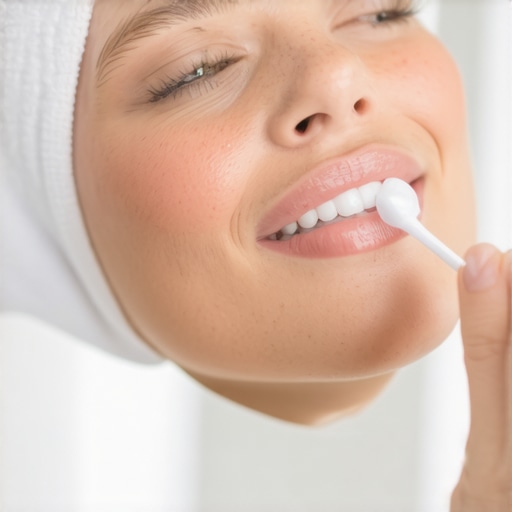
The barrier trick that saves your gums
The most common source of whitening pain isn’t actually the tooth itself; it is the gel touching the soft tissue of your gums. Think of hydrogen peroxide as a tiny, invisible blowtorch for your gingiva. To prevent this, I started using a tiny bit of Vitamin E oil or a very thin layer of petroleum jelly on a cotton swab. I carefully trace my gum line before I put the strip or tray in. This creates a physical shield that keeps the bleach on the enamel where it belongs and off the skin where it burns. This is especially important for those who might be using trays alongside Invisalign for adults, as the aligners can sometimes trap the whitening gel against the gums for hours.
Why you should stop the ‘more is better’ mentality
In my early twenties, I thought if a kit said fourteen days, I could do it in seven by doubling the sessions. I ended up with teeth so sensitive I couldn’t even breathe in cold air without wincing. Modern teeth cleaning innovations have made it easier to manage this, but you cannot outrun the chemistry. If you feel a ‘zinger’—that sharp, electric shock—your body is telling you that the peroxide has reached the pulp of the tooth. When that happens, you need to stop, rinse, and give it a two-day break. Consistency over a long period will always give you a more natural, lasting glow than a frantic, painful sprint toward a white smile. By respecting the pace of your biology, you avoid the long-term damage that people often ignore when discussing cosmetic dentistry myths.It’s easy to get obsessed with the shade guide, but here is a secret most people—and even some kits—won’t tell you: there is a point of diminishing returns. Everyone says that the whiter the tooth, the healthier the look, but in my experience, the ‘uncanny valley’ of dental work is real. If you strip away too much of the natural character, you end up with what I call the ‘picket fence’ effect. This happens when the teeth lose their natural translucency and micro-texture. Professional Hollywood smile insights usually focus on how we match the exact texture of your natural teeth to ensure they reflect light like real enamel, not like a piece of flat, opaque plastic. When light hits a natural tooth, it bounces around the internal structures; when it hits an over-bleached tooth, it just stops.
Why does my smile look darker the more I bleach it?
This is the ultimate ‘oops’ factor that catches even the most dedicated beauty enthusiasts off guard. Most people think that if their teeth aren’t getting whiter, they just need a stronger gel or a longer session. However, according to experts cited in the *Journal of Evidence-Based Dental Practice*, over-whitening can lead to ‘blue-gray translucency.’ This occurs when the enamel becomes so thin or porous from over-processing that it starts to reveal the dark shadows from the back of your mouth through the tooth itself. Suddenly, your quest for brightness leaves you with a smile that looks dull or even sickly. If you have ever noticed the reason your teeth look yellow in sunlight but white indoors, it is a sign that your enamel is playing tricks on the light. Pushing past the saturation point doesn’t make your teeth whiter; it makes them more like a window, and windows look dark when it’s dark inside.  Another major trap I see people fall into is rushing into cosmetic enhancements before addressing the structural health of their mouth. It’s like putting a fresh coat of luxury paint on a wall with a massive structural crack. I have talked to so many people who spent a fortune on dental bonding, only to realize later they needed Invisalign for adults to fix a bite issue that was actually causing those tiny chips in the first place. When you start moving your teeth with clear aligners, your teeth feel loose during treatment as the ligaments stretch. If you have already bonded those teeth or placed veneers, the shifting pressure can cause that expensive work to pop off or crack. Before you dive into your next session, look closer at your foundations. Is your floss shredding between two specific teeth? That isn’t just an annoyance; it’s a red flag for a jagged edge or a hidden cavity that whitening gel will absolutely punish. Similarly, if you are wondering if that white spot on your gum is a canker sore or an infection, stop everything. Applying high-concentration peroxide to an active infection is a recipe for a dental emergency. There is also a pervasive myth that a ‘clean’ smile must look like a blank sheet of paper. We often confuse health with sterility. In reality, the most beautiful results come from modern teeth cleaning innovations that preserve the enamel’s natural luster. True cosmetic success isn’t about the intensity of the bleach; it’s about maintaining your teeth cleaning routine so the canvas is healthy before the art begins. Have you ever fallen into this ‘more is better’ trap and ended up with sensitive, translucent teeth? Let me know in the comments—I’d love to hear how you fixed it!I was standing in front of my bathroom mirror, eyes watering, frantically clawing at a thin piece of plastic stuck to my front teeth. It wasn’t the dazzling transformation promised on the box. Instead, it felt like my gums were hosting a tiny, very angry bonfire. I had just wanted to brighten things up before a big weekend, but five minutes in, I was experiencing a level of oral regret I didn’t know existed. That sharp, chemical sizzle is a rite of passage for many of us chasing that Hollywood smile, but let’s be honest: it’s terrifying when it happens to you. If you have ever felt that sudden electric zinger in the middle of a session, you know exactly what I am talking about. Today, I am going to share exactly why this happens and how I finally learned to whiten my teeth without the scorched-earth policy in my mouth.
That Moment I Realized My Teeth Weren’t Made of Steel
The truth is, I made a classic rookie mistake early on. I figured if the instructions said thirty minutes, then forty-five would be even better for a faster result. I even used them immediately after some vigorous teeth cleaning at home, which, as I later learned, is like putting lemon juice on a fresh paper cut. We all want that radiance, but we often overlook the truth about whitening strips and how they affect sensitive roots. According to the American Dental Association, the concentration of hydrogen peroxide in many over-the-counter products can easily irritate soft tissues if the strip overlaps onto the gums. I spent years thinking my mouth was just broken, but the reality was I just wasn’t respecting the chemistry involved in cosmetic enhancements.
Are these DIY kits actually worth the hype?
It’s a fair question to ask when your mouth is throbbing. When the discomfort kicks in, you start to wonder if you should have just stuck with your regular teeth cleaning routine and called it a day. Have you ever had to rip a strip off halfway through because the stinging became too much to handle? You aren’t alone, and it doesn’t mean you’re doomed to have stained teeth forever. By debunking a few cosmetic dentistry myths, we can find a path that protects your enamel and your sanity while still giving you that confidence boost you’re looking for. Let’s look at what’s actually happening beneath the surface of your gums when that heat kicks in and how we can stop it before it starts.
Stop whitening your teeth in the morning
To get the best results without the agony, you have to think about your teeth like a piece of porous wood. If you apply a stain—or in this case, a bleach—and then immediately go out into the world to drink coffee or soda, you are essentially inviting those dark pigments to deep-dive into your open enamel pores. I learned this the hard way when I whitened my teeth right before a brunch date. By the time the mimosas hit the table, my teeth were throbbing, and by the next day, they actually looked darker because of the staining liquids I consumed while my enamel was vulnerable. The best time of day to whiten your teeth for maximum absorption is right before bed. This timing allows your saliva to naturally remineralize your teeth while you sleep, closing those pores back up without the interference of food or drink. It is a game-changer for anyone dealing with the ‘chemical sizzle’ of sensitivity.
How to prep your enamel without causing a riot
A huge mistake I used to make was scrubbing my teeth like I was trying to remove rust from a car bumper right before applying a strip. This is a recipe for disaster. When you brush aggressively, you remove the protective pellicle layer—a thin film of proteins that actually helps shield your nerves from the whitening agent. Instead, you should focus on teeth cleaning for sensitive teeth by using a soft-bristled brush and plain water about thirty minutes before you whiten. This clears away the plaque so the gel can reach the tooth surface, but it doesn’t leave your gums raw and exposed. If you are already looking into cosmetic dentistry for discolored teeth, you know that the health of the surface is just as important as the color.
The barrier trick that saves your gums
The most common source of whitening pain isn’t actually the tooth itself; it is the gel touching the soft tissue of your gums. Think of hydrogen peroxide as a tiny, invisible blowtorch for your gingiva. To prevent this, I started using a tiny bit of Vitamin E oil or a very thin layer of petroleum jelly on a cotton swab. I carefully trace my gum line before I put the strip or tray in. This creates a physical shield that keeps the bleach on the enamel where it belongs and off the skin where it burns. This is especially important for those who might be using trays alongside Invisalign for adults, as the aligners can sometimes trap the whitening gel against the gums for hours.
Why you should stop the ‘more is better’ mentality
In my early twenties, I thought if a kit said fourteen days, I could do it in seven by doubling the sessions. I ended up with teeth so sensitive I couldn’t even breathe in cold air without wincing. Modern teeth cleaning innovations have made it easier to manage this, but you cannot outrun the chemistry. If you feel a ‘zinger’—that sharp, electric shock—your body is telling you that the peroxide has reached the pulp of the tooth. When that happens, you need to stop, rinse, and give it a two-day break. Consistency over a long period will always give you a more natural, lasting glow than a frantic, painful sprint toward a white smile. By respecting the pace of your biology, you avoid the long-term damage that people often ignore when discussing cosmetic dentistry myths.It’s easy to get obsessed with the shade guide, but here is a secret most people—and even some kits—won’t tell you: there is a point of diminishing returns. Everyone says that the whiter the tooth, the healthier the look, but in my experience, the ‘uncanny valley’ of dental work is real. If you strip away too much of the natural character, you end up with what I call the ‘picket fence’ effect. This happens when the teeth lose their natural translucency and micro-texture. Professional Hollywood smile insights usually focus on how we match the exact texture of your natural teeth to ensure they reflect light like real enamel, not like a piece of flat, opaque plastic. When light hits a natural tooth, it bounces around the internal structures; when it hits an over-bleached tooth, it just stops.
Why does my smile look darker the more I bleach it?
This is the ultimate ‘oops’ factor that catches even the most dedicated beauty enthusiasts off guard. Most people think that if their teeth aren’t getting whiter, they just need a stronger gel or a longer session. However, according to experts cited in the *Journal of Evidence-Based Dental Practice*, over-whitening can lead to ‘blue-gray translucency.’ This occurs when the enamel becomes so thin or porous from over-processing that it starts to reveal the dark shadows from the back of your mouth through the tooth itself. Suddenly, your quest for brightness leaves you with a smile that looks dull or even sickly. If you have ever noticed the reason your teeth look yellow in sunlight but white indoors, it is a sign that your enamel is playing tricks on the light. Pushing past the saturation point doesn’t make your teeth whiter; it makes them more like a window, and windows look dark when it’s dark inside. Another major trap I see people fall into is rushing into cosmetic enhancements before addressing the structural health of their mouth. It’s like putting a fresh coat of luxury paint on a wall with a massive structural crack. I have talked to so many people who spent a fortune on dental bonding, only to realize later they needed Invisalign for adults to fix a bite issue that was actually causing those tiny chips in the first place. When you start moving your teeth with clear aligners, your teeth feel loose during treatment as the ligaments stretch. If you have already bonded those teeth or placed veneers, the shifting pressure can cause that expensive work to pop off or crack. Before you dive into your next session, look closer at your foundations. Is your floss shredding between two specific teeth? That isn’t just an annoyance; it’s a red flag for a jagged edge or a hidden cavity that whitening gel will absolutely punish. Similarly, if you are wondering if that white spot on your gum is a canker sore or an infection, stop everything. Applying high-concentration peroxide to an active infection is a recipe for a dental emergency. There is also a pervasive myth that a ‘clean’ smile must look like a blank sheet of paper. We often confuse health with sterility. In reality, the most beautiful results come from modern teeth cleaning innovations that preserve the enamel’s natural luster. True cosmetic success isn’t about the intensity of the bleach; it’s about maintaining your teeth cleaning routine so the canvas is healthy before the art begins. Have you ever fallen into this ‘more is better’ trap and ended up with sensitive, translucent teeth? Let me know in the comments—I’d love to hear how you fixed it!
The gear that keeps my smile from fading
After years of trial and error, I’ve realized that the tools you use between dental visits are just as important as the professional treatments themselves. I personally swear by an electric toothbrush with a built-in pressure sensor, like the Sonicare ProtectiveClean series. Why? Because I used to be an aggressive scrubber, and that sensor is the only thing that stops me from wearing down my enamel and causing gum recession. I also keep an ultrasonic cleaner on my counter for my clear aligners. If you’ve ever wondered how to stop your Invisalign trays from smelling like old saliva, these tiny vibrating pods are a total lifesaver. They use high-frequency sound waves to blast away bacteria that a regular brush simply cannot reach. Beyond hardware, I’ve replaced my standard fluoride toothpaste with a Nano-hydroxyapatite (nHAp) formula. A 2023 study in the *International Journal of Molecular Sciences* highlighted that nHAp is remarkably effective at remineralizing enamel by filling in the microscopic ‘valleys’ in the tooth surface. It’s like a daily liquid porcelain treatment that naturally reduces the sensitivity caused by my earlier whitening mistakes. 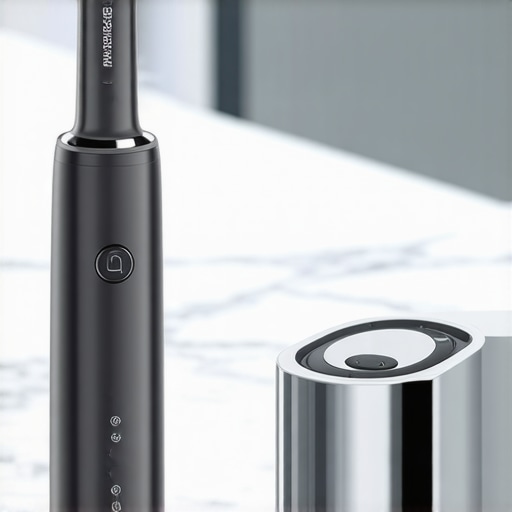
How do I maintain my results over time?
The key is what I call the ’48-hour white diet.’ After any whitening session or professional cleaning, your enamel is temporarily more porous. For the next two days, I strictly avoid anything that would stain a white t-shirt—coffee, red wine, and soy sauce are completely off the table. To keep things looking fresh without constant bleaching, I focus on how regular teeth cleaning can prevent major dental issues, which includes a professional scaling every six months. This removes the ‘biofilm’ that traps stains, making your teeth look brighter without a single drop of peroxide. If you are mid-treatment, following Invisalign maintenance expert tips will ensure your aligners stay clear, preventing that dingy yellow cast from masking your progress.
Smart scans are the future of your smile
Looking ahead, I see the industry moving away from ‘one-size-fits-all’ bleach kits and toward AI-driven precision. We are already seeing cosmetic dentistry innovations in 2025 that use 3D digital mapping to predict exactly how your teeth will respond to different wavelengths of light. This means your dentist will soon be able to calibrate a whitening plan that accounts for your specific enamel thickness and translucency before you ever sit in the chair. It removes the guesswork and the pain. If you’re serious about taking the next step, I highly recommend finding a dentist who gets your smile and understands these tech-forward approaches. Don’t just settle for whoever is closest; find someone who uses cosmetic dentistry trends to protect your oral health while enhancing your look. My best advice? Try swapping your regular paste for a Nano-hydroxyapatite formula tonight. You’ll feel the difference in sensitivity within days, and it provides a much stronger foundation for any future whitening you decide to do.
The hard-won truths I wish I knew sooner
Reflecting on my journey, the biggest shift wasn’t in the products I used, but in my mindset. I stopped seeing my teeth as objects to be bleached and started seeing them as living structures that need care. One of the most important steps I took was finally finding a dentist who gets your smile rather than just looking for the cheapest deal. I also learned that many teeth cleaning myths debunked by top dentists often point to the same thing: you can’t shortcut biological health. #IMAGE_PLACEHOLDER_E# If you are struggling with stubborn stains, remember that cosmetic dentistry for discolored teeth is a marathon, not a sprint.
My go-to setup for long-term radiance
If you are ready to level up your routine, I recommend focusing on three core areas. First, ensure your daily habits are solid; how regular teeth cleaning can prevent major dental issues is more than just a tagline—it is the foundation of every bright smile. Second, consider professional advice before jumping into high-concentration kits. Third, don’t ignore the small signals your mouth gives you. I trust the latest cosmetic dentistry innovations in 2025 because they prioritize enamel safety over aggressive bleaching. These tools have changed the way I look at my oral health, making the process of maintaining a bright smile actually enjoyable rather than painful.
Start your journey toward a healthier glow
You don’t have to suffer for a smile you love. By slowing down, using the right barrier techniques, and respecting your enamel’s limits, you can achieve that confident look without the ‘bonfire’ in your gums. Take that first step today—whether it is switching to a gentler toothpaste or booking that long-overdue checkup. Your future self (and your gums) will thank you. Have you ever experienced a ‘zinger’ while whitening or found a trick that totally saved your sensitivity? Let me know in the comments below!