
I remember sitting in my favorite corner booth at the local café, enjoying my third espresso of the morning. I caught my reflection in a window and froze. My teeth weren’t just ‘off-white’ anymore; they were dangerously close to matching the mahogany table I was sitting at. It was that sinking feeling you get when you realize your daily ritual is actively sabotaging your confidence. As someone who lives for that first caffeine kick, the thought of switching to green tea was out of the question. I felt stuck between my love for a dark roast and my desire for a radiant smile. But here is the good news: you don’t have to choose. I’ve spent the last few years obsessing over how to balance these two worlds, and I finally cracked the code on keeping my enamel bright without ditching the barista.
Why My Morning Latte Was Secretly Ruining My Smile
It’s a cruel irony, isn’t it? The thing that wakes us up is the very thing that makes us want to hide our grins. Most of us think that the only way to fix a coffee-stained smile is through expensive cosmetic dentistry for discolored teeth, but the secret actually lies in how you manage your intake throughout the day. I spent years thinking I could just out-brush the stains, only to find out I was doing more harm than good. Today, I want to show you exactly how I reclaimed my bright smile while keeping my coffee habit firmly intact. It’s about proactive protection rather than reactive scrubbing. Have you ever felt like no matter how much you brush, that yellow tint just won’t budge? That is exactly the hurdle we are clearing today.
Are expensive whitening kits actually worth the money?
I’ll be honest: for a long time, I was a total skeptic. I thought those kits were just marketing fluff designed to empty our wallets. But after talking to my local dentist, I realized that while they aren’t magic, they do play a role—if used correctly. However, the real ‘secret’ isn’t a product you buy; it’s a habit you form. If you’re currently undergoing treatment, knowing how to keep your clear aligners from staining is half the battle. But for the rest of us, the focus must be on the integrity of our enamel.
Stop Brushing So Soon and Start Saving Your Enamel
Early on, I made a classic ‘helpful neighbor’ error. I thought that if coffee was acidic and staining, I should scrub it off immediately. I even went through a phase where I believed the truth about using baking soda was that it would act as a natural abrasive to save me. I was wrong. Brushing right after an acidic drink actually wears down the enamel while it’s in a softened state. According to a study published by the American Dental Association, coffee has a pH of about 5, which is acidic enough to soften tooth structure temporarily. Brushing in this window effectively ‘scours’ the stains deeper into your teeth. If you are using Invisalign maintenance tips to keep things straight, this timing is even more critical. I’ve found that even small shifts in my teeth cleaning tips for a brighter smile made a massive difference in how my enamel held up against my daily brew. Have you noticed your teeth feeling more sensitive or looking yellower lately despite brushing like a pro? Let’s dive into the practical habits that actually stop the pigment from sticking in the first place.
Master Your Morning Cup Without the Yellow Tinge
The first thing I had to learn—the hard way—was the ’30-minute rule.’ Think of your enamel like a white linen shirt. If you spill coffee on it and immediately start scrubbing with a harsh wire brush, you aren’t cleaning the shirt; you’re tearing the fibers and pushing the pigment deeper. Last October, I was rushing to a big presentation and tried to ‘scrub away’ the double espresso I’d just finished. I used a firm toothbrush, thinking I was being efficient. By the time my meeting started, my teeth felt incredibly sensitive and looked almost translucent at the edges. I had effectively scoured my softened enamel. Now, I wait at least thirty minutes for my saliva to neutralize the acid. If you’ve ever wondered why the specific reason your teeth feel sharp after a professional cleaning exists, it’s because those pros know exactly how to handle the surface without damage.
Neutralize the Acid with a Simple Water Rinse
If you can’t wait thirty minutes to feel fresh, water is your best friend. I started carrying a small bottle of water everywhere. Immediately after the last sip of coffee, I take a big swig and swish it around. This acts as a ‘reset button’ for your mouth’s pH levels. It’s a low-tech version of modern teeth cleaning innovations that reduce sensitivity. This simple act washes away the tannins before they have a chance to settle into the microscopic pits of your teeth. I noticed that when I do this, that ‘fuzzy’ feeling—which is actually a buildup of biofilm—takes much longer to appear. If you frequently experience the reason your teeth feel furry only hours after a professional cleaning, rinsing with water can drastically slow that process down.
Why Iced Coffee Drinkers Should Use a Straw
If you prefer your caffeine cold, you have a massive advantage. Using a straw—preferably a glass or metal one—bypasses the front of your teeth entirely. I used to think this was overkill until I started my journey with clear aligners. Learning how to keep your clear aligners from staining when you drink iced coffee taught me that the less contact the liquid has with your dental work, the better. This applies to natural teeth too. By aiming the straw toward the back of the mouth, you significantly reduce the ‘staining window’ for those visible front teeth. It’s a small mechanical shift that pays massive dividends in your overall teeth cleaning secrets how regular care boosts oral health at any age.
Keep Your Professional Cleanings on the Calendar
Finally, no amount of home care can replace the scale-and-polish a professional provides. I used to skip my six-month checkups, thinking my DIY whitening was enough. I was wrong. Surface stains are easy, but tartar (calculus) is porous and acts like a magnet for coffee pigments. Once that stuff hardens, no brush in the world will move it. I found that finding a dentist who gets your smile tips from top cosmetic pros makes the process much more collaborative. They can spot areas where you’re missing with your brush and help you adjust your technique before those stains become permanent. If you have sensitive gums, look into teeth cleaning for sensitive teeth what works best in 2025 to ensure the experience is comfortable rather than a chore.
One of the biggest misconceptions I had to unlearn was the ‘more is more’ approach to whitening. We’ve been conditioned to believe that if your teeth aren’t neon white, you just need a stronger chemical. But here’s the contrarian truth: aggressive whitening can actually make your teeth look yellower over time. When you over-process your teeth, you strip the moisture from the enamel. This dehydration creates a temporary brightness, but it also opens up the ‘pores’ of your teeth, making them act like a dry sponge the next time you drink coffee. If you’ve ever wondered why your gums look pale after using a high-strength whitener, it’s a sign you’ve gone too far and are risking chemical burns to the soft tissue.
Is your ‘yellow’ smile actually just thin enamel?
This is a nuance many people miss. Your teeth have two main layers: the white enamel on the outside and the yellowish dentin underneath. If your enamel is naturally thin or has been worn down by over-brushing, the yellow dentin shows through more clearly. In this case, no amount of bleaching will help; in fact, it might make the situation worse by further thinning the protective layer. I had to learn the best way to whiten your teeth if you have naturally thin enamel involves building up the mineral content rather than stripping it away. A study in the Journal of Dentistry highlights that certain whitening agents can decrease the microhardness of enamel if the pH isn’t carefully balanced, making teeth more susceptible to future erosion. 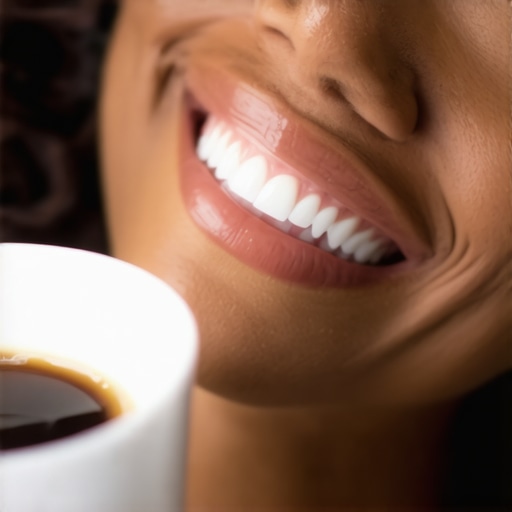 One major ‘oops’ factor I see often involves those of us using clear aligners. It’s tempting to think that because the trays cover your teeth, they’re protected. The opposite is true. If you don’t perfectly clean your teeth after a coffee, those trays trap the acidic residue against your enamel for hours. I struggled with how to get the coffee stains out of your invisalign attachments because I didn’t realize those little bumps were even more porous than my actual teeth. Furthermore, the truth about whitening strips and how they affect sensitive roots is that they often ignore the gum line where recession occurs, leading to intense zinging pains. There’s also a danger in ignoring the ‘hidden’ areas. Most people focus on the front six teeth, but cosmetic dentistry myths debunked often reveal that true oral health starts in the back. If your molars are covered in plaque, that bacteria migrates forward, affecting your overall gum health and the ‘glow’ of your smile. Have you ever fallen into the trap of over-whitening only to find your teeth stained faster a week later? Let me know in the comments.
Upgrade Your Toolkit for a Professional Level Clean at Home
I used to think my basic manual toothbrush was doing the job until I saw my hygienist’s face every six months. It wasn’t pretty. To truly scale your results, you need tools that do the heavy lifting for you. I personally switched to a high-end sonic toothbrush because the vibration frequency does something manual scrubbing never can: it creates micro-bubbles that reach deep between the teeth. According to Dr. Gordon Christensen, a world-renowned expert in clinical restorative dentistry, high-frequency sonic toothbrushes can remove significantly more plaque in proximal areas compared to manual alternatives, which is where my coffee stains always loved to hide. If you combine this with modern teeth cleaning innovations that reduce sensitivity, you can actually enjoy the process rather than fearing the ‘zing’ of cold water. I also swear by a cordless water flosser. I keep mine in the shower and use it with lukewarm water to flush out the debris that my brush misses. This isn’t just about vanity; maintaining your teeth cleaning routine for long term health prevents the underlying gum recession that makes your teeth look aged and yellowed at the roots.
How do I maintain my cosmetic results over time?
The secret to longevity isn’t a one-time procedure; it’s a strategy of ‘micro-maintenance.’ I treat my smile like a high-performance engine. This means I don’t wait for a problem to appear before I act. I schedule my cleanings every four months instead of six. Why? Because it prevents the ‘furry’ feeling from ever turning into rock-hard tartar. If you are just starting your journey, how to choose a dentist for your invisalign transformation is a decision that impacts the next decade of your life, so pick someone who prioritizes long-term enamel health over quick-fix bleaching. I’ve found that using teeth cleaning for sensitive teeth what works best in 2025 involves shifting toward hydroxyapatite toothpastes, which actually ‘refill’ the microscopic holes in your enamel rather than just scrubbing the surface. This is the ultimate long-term play for anyone who refuses to give up their daily espresso.
Prepare for the Shift Toward Bio-Compatible Smile Care
As we look toward the next year, the trend is moving away from harsh chemicals and toward bio-mimicry. We are seeing invisalign innovations why 2025 is the year for a perfect smile focus more on the health of the oral microbiome. I predict we will see more ‘smart’ aligners and brushes that track your mouth’s pH levels in real-time. This kind of tech will tell you exactly when your mouth is too acidic after a coffee, prompting you to rinse before damage occurs. It’s a brave new world for dental health, and it’s one where we can finally have our caffeine and a Hollywood smile too. My challenge for you this week: try the ’30-minute rule’ after your morning brew for seven days and see if your teeth feel smoother by the weekend.
Three Hard Truths from My Caffeine Addict Journey
Reflecting on my transformation, the biggest shift wasn’t in the products I bought, but in how I understood my mouth’s biology. First, I realized that my quest for brightness was often hindered by my own biology; for instance, learning the best way to whiten your teeth if you have naturally thin enamel taught me that scrubbing harder was actually making the yellow dentin more visible. Second, I learned that timing is everything—rinsing immediately and brushing later is the only way to protect the surface from acid erosion. Finally, I discovered that teeth cleaning secrets how regular care boosts oral health at any age are far more effective than any emergency whitening strip session. These lightbulb moments turned my morning coffee from a source of guilt into a guilt-free ritual.
Gear That Makes My Dental Hygienist Happy
You don’t need a professional laboratory in your bathroom, but a few curated tools make all the difference. I moved away from abrasive charcoals and toward modern teeth cleaning innovations that reduce sensitivity, specifically hydroxyapatite toothpastes that remineralize while they clean. I also swear by a high-frequency sonic brush to disrupt the biofilm before it can trap coffee pigments. I’ve integrated these into my daily life along with other teeth cleaning tips for a brighter smile this spring that work regardless of the season. My toolkit is focused on longevity, ensuring that my enamel stays thick and my smile stays vibrant for years to come.
Start Your Journey Toward a Brighter Smile
Balancing a love for dark roast coffee with a radiant grin is entirely possible when you stop fighting your biology and start working with it. By adopting a proactive mindset and choosing the right professional support, you can enjoy every sip without compromising your confidence. If you’re ready to take the next step beyond home habits, the ultimate guide to teeth whitening and cosmetic enhancements provides a deep dive into the professional options available to you. Remember, the goal of cosmetic dentistry isn’t just to change how you look, but to protect the health of your smile while enhancing its natural beauty. You deserve to feel proud of your reflection, even with an espresso in hand. Have you tried the 30-minute rule after your morning brew, or do you have another secret for keeping stains at bay? Let me know in the comments below!