
I’ll never forget that biting January morning. I was halfway through my neighborhood jog, pushing for that extra mile, when I took a deep breath through my mouth. Zing. It felt like a lightning bolt struck my upper molars. I actually stopped dead in my tracks, clutching my jaw, convinced a filling had just fallen out. I remember looking in the mirror that afternoon, searching for a crack or a hole, but everything looked perfect. That was the most frustrating part. I felt like I was losing my mind. It wasn’t a cavity, though. It was a wake-up call about how I was treating my mouth. For years, I’d been a chronic mouth-breather during workouts, and I had no idea I was slowly dehydrating my teeth and exposing sensitive nerves to the elements. My lightbulb moment happened a week later when I realized I only felt the sting when I was gasping for air. It wasn’t the teeth themselves failing; it was the habit of bypassing my nose. If you’ve ever felt that sharp, sudden wince when the wind hits your smile, you aren’t alone—and you aren’t necessarily headed for a root canal. Today, we’re going to get to the bottom of why this happens and how you can finally breathe easy without the “ouch.”
Why My Morning Run Felt Like a Trip to the Dentist
I made a classic mistake early on. I assumed my teeth were just “weak” or “old.” I started doubling down on whitening strips and high-strength gels, thinking a brighter smile meant a healthier one. Big mistake. I was actually stripping away the very protection I needed, making the sensitivity worse. When you breathe through your mouth, you’re bypassing the nose’s natural warming and humidifying system. That cold, dry air hits your teeth directly, causing them to microscopically contract and expand. This movement irritates the fluid inside the dentin tubules—the tiny tunnels leading straight to your nerves. This is exactly why your teeth ache after a morning run in the cold. The rapid temperature shift is more than a sensitive tooth can handle. Beyond the temperature, there’s the moisture factor. Saliva is your mouth’s natural buffer. It remineralizes your enamel and keeps things stable. When you gulp air through your mouth, you dry out that protective layer. I noticed that on the days I was most stressed—and therefore breathing more shallowly through my mouth—the pain was significantly sharper. It’s a vicious cycle: the dryness makes the teeth more vulnerable, and the cold air provides the painful spark. Using modern teeth cleaning innovations can help, but you have to address the root cause of the exposure first.
Is this sensitivity actually worth worrying about?
You might be thinking, “It’s just a little cold air, surely I can just tough it out?” I thought so too, until the pain started lingering long after I got back inside. According to the American Dental Association, sudden temperature changes can aggravate existing issues like gum recession or worn enamel. If your gums are receding on only one side of your mouth, that air is hitting “raw” territory that was never meant to be exposed. This isn’t just about comfort; it’s about protecting the structural integrity of your smile. Have you ever had to cut a workout short or stop a conversation because the air felt too “sharp” on your teeth? I’d love to hear if this is a seasonal struggle for you or a year-round annoyance. We’re going to look at teeth cleaning for sensitive teeth and habits that can shield your nerves. We need to move past the “wait and see” approach and actually start building back that barrier. It’s time to stop dreading the winter wind and start reclaiming your outdoor time.
Build a Bulletproof Shield with Desensitizing Toothpaste
Think of your teeth like a house in a blizzard. If the windows are thin, you’re going to feel the draft. Desensitizing toothpaste works by plugging the microscopic holes in your enamel—the dentin tubules—effectively boarding up those windows. I remember the first time I tried a potassium nitrate-based paste. I expected instant results, but I made the mistake of rinsing it off immediately. To get the meat of the benefit, you actually need to let it sit. I started applying a pea-sized amount directly to my sensitive molars like a mask before bed. Within two weeks, that lightning bolt feeling during my runs dimmed to a dull hum. This is a crucial pivot if you’ve been overusing products that cause pale gums after whitening or if you’re worried about how whitening strips affect sensitive roots. You’re essentially retraining your nerves to stay calm when the temperature drops. 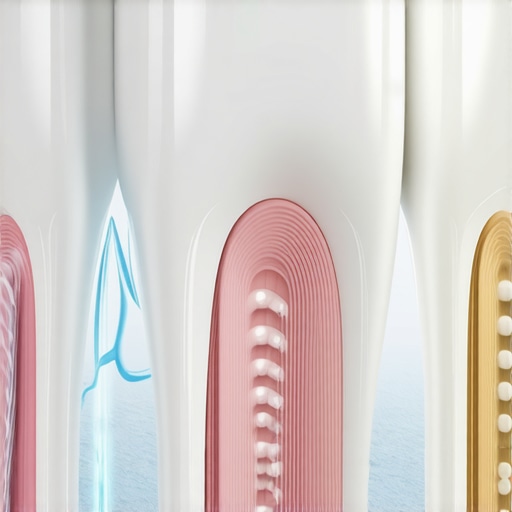
Turn Your Nose into a Natural Space Heater
This was the hardest habit for me to break. During a local Turkey Trot last November, the air was a crisp 32 degrees. Every time I hit a hill, I’d gasp through my mouth and feel that familiar wince. I forced myself to slow down and focus entirely on nasal breathing. Your nose is a sophisticated HVAC system; it warms and humidifies air before it ever reaches your throat—or your teeth. When you mouth-breathe, you’re hitting your teeth with a cold plunge every two seconds. If you’re currently undergoing Invisalign maintenance, you might notice the trays provide a slight physical barrier, but the dry air can still cause discomfort. Practice low and slow breathing in the house before you head outside. It sounds simple, but it’s the most effective way to keep your mouth’s internal climate stable.
When Your DIY Routine Needs a Professional Backup
Sometimes, a thicker coat and a space heater aren’t enough if the insulation of your teeth is physically gone. This is where modern teeth cleaning innovations come into play. If your sensitivity is localized to one spot, you might have a tiny fracture or significant recession. A dentist can apply a professional-grade fluoride varnish or a resin sealant that acts like a permanent raincoat for that specific tooth. I finally bit the bullet and asked about teeth cleaning for sensitive teeth during my last checkup. My hygienist used a specialized technique that didn’t involve the high-pressure cold water spray that usually makes me jump out of the chair. Understanding how regular teeth cleaning can prevent major dental issues is key here because they can spot the recession early. They can even check if your bite is off, which often causes the enamel to wear down faster in specific zones, leaving you wide open to the winter chill.
Seal the Gaps Before the First Frost
If you’ve noticed your teeth look longer or yellower near the gum line, that’s cementum—the tooth’s root surface—showing through. It has no enamel, so it’s naturally more porous and sensitive. Beyond sealants, some people find relief with cosmetic dentistry trends like bonding, which covers those exposed roots with a tooth-colored material. It’s not just for vanity; it’s a functional barrier. When I had a small patch of bonding done on my lower left canine, the difference was night and day. I could finally drink ice water without bracing for impact. It’s about building layers of protection so that by the time you step out onto the pavement, your nerves are tucked away behind a solid wall of defense.While most people assume that professional cleanings are the enemy of sensitive teeth, the reality is quite the opposite. I used to think the ultrasonic scaler was a torture device designed to strip my enamel, but I was wrong. Modern research shows that professional-grade biofilm removal is actually the best way to prevent the chronic inflammation that makes your nerves so reactive. When you skip appointments, you’re allowing tartar to build up, which pushes your gums back and exposes those raw roots we discussed earlier. Exploring modern teeth cleaning innovations that reduce sensitivity and boost results can change your entire perspective on the dental chair. It’s not about the scraping; it’s about the stabilization of your oral environment. One massive ‘oops’ factor I see constantly is the ‘clean-freak’ trap. After a professional visit, or even during orthodontic work, people notice the reason your teeth feel furry only hours after a professional cleaning is often just the natural pellicle layer returning. If you respond by scrubbing harder, you’re literally sawing through your gums. This is especially dangerous if you’re trying to manage Invisalign maintenance expert tips for clear confident smiles. You want to be thorough, but aggression leads to recession. 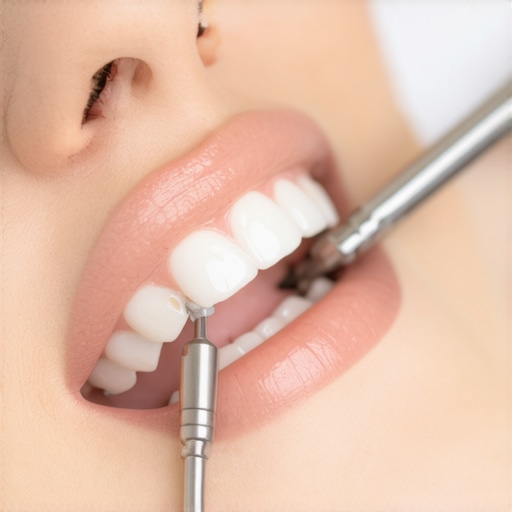
Why do your teeth feel loose during Invisalign treatment even when the trays are out?
This is the number one question that panics new patients. It feels like your teeth are about to fall out, right? But here’s the nuance: they have to be loose to move. To realign your smile, the periodontal ligament must be stretched and the bone must undergo a process called remodeling. If your teeth didn’t feel slightly mobile, the treatment wouldn’t be working. I’ve seen people stop wearing their aligners because of this sensation, which is a huge mistake. Understanding why your teeth feel loose during your Invisalign treatment helps you realize that this ‘looseness’ is actually a sign of progress, not a dental emergency. According to a study published in the Journal of Orofacial Orthopedics, this transient tooth mobility is a standard biological response to orthodontic force, and it stabilizes once the retention phase begins. Even when looking into cosmetic dentistry trends that transform smiles today, the focus shouldn’t just be on the ‘look’ but on the functional health of the underlying structure. Have you ever fallen into this trap of over-brushing or panicking over a little tooth movement? Let me know in the comments.
The Tools That Actually Earn Their Counter Space
I used to be a manual toothbrush purist until I realized I was essentially bringing a knife to a gunfight against plaque. If you want to scale your results, you need tools that do the heavy lifting for you. I personally swear by an oscillating-rotating electric toothbrush. A 2021 meta-analysis published in the Cochrane Database of Systematic Reviews confirmed that these specific power brushes show a statistically significant reduction in plaque and gingivitis compared to manual brushing over both short and long terms. When you combine this with teeth cleaning secrets that boost health at any age, you’re not just cleaning; you’re preserving. Another non-negotiable for me is the water flosser. If you have tight contacts or are currently following Invisalign maintenance expert tips for clear confident smiles, a water flosser is a lifesaver. It reaches the areas where the plastic trays might trap bacteria, ensuring your gums don’t become the weak link in your cosmetic journey. 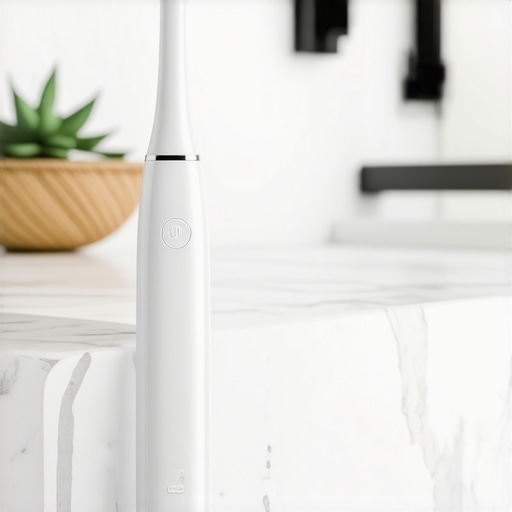
How do I maintain my dental results over the long haul?
Maintenance isn’t a single event; it’s a series of micro-habits. The biggest mistake I see is people thinking they are ‘done’ once their aligners come off or their sensitivity fades. To keep that shield strong, you have to stay consistent with maintaining your teeth cleaning routine for long-term health. This means scheduling your professional cleanings every six months without fail. I’ve found that modern teeth cleaning innovations that reduce sensitivity have made these appointments much more bearable. Long-term success also depends on your ‘nightly lockdown.’ This includes wearing your retainers and using a high-quality fluoride mouthwash to remineralize any areas that might have been stressed during the day. Think of it as a nightly ‘recharge’ for your enamel.
The Near Future of Living Room Dentistry
I’m a bit of a tech geek when it comes to oral health, and I truly believe we are heading toward a world of AI-guided maintenance. We’re already seeing apps that sync with your toothbrush to show you exactly where you’re missing spots in real-time. In the next few years, I predict we’ll see more ‘at-home monitoring’ tools that allow you to scan your teeth with your smartphone and send the data to your dentist for a virtual check-in. This is especially relevant when you consider why Invisalign is the future of clear braces—the convenience of remote tracking is already here. This shift will make regular teeth cleaning prevent major dental issues even more effectively because we’ll catch the tiny shifts before they become painful ‘lightning bolts.’ For my one advanced tip: if you use a water flosser, try filling the reservoir with lukewarm water and a tiny pinch of Himalayan salt. It’s incredibly soothing for the gums and helps neutralize the pH in your mouth after a long day. Give it a try tonight and see if your mouth feels ‘lighter’ in the morning.
The Hardest Lesson I Learned While Chasing a Pain-Free Smile
I used to think that dental health was a binary thing—you either had good teeth or you had cavities. My journey with cold-weather sensitivity taught me that the middle ground is where most of us actually live. I realized that my ‘lightning bolt’ pain wasn’t a sign of failure, but a signal that I needed to adjust my environment. First, I had to accept that my aggressive brushing was actually a form of self-sabotage; I was scrubbing away my own protection. Second, I learned that professional cleanings aren’t just about removing stains; they are about resetting the biological clock of your gums. Finally, I discovered that nasal breathing is the most underrated dental tool in existence. It’s the difference between a painful winter run and a peaceful one. If you stop seeing your dentist as a ‘fixer’ and start seeing them as a partner in maintaining your teeth cleaning routine for long-term health, the fear of that sudden sting starts to vanish.
The Three Tools My Dentist Actually Approved
Over the years, I’ve tried every gimmick in the book, but only a few items have earned a permanent spot on my bathroom counter. My oscillating electric toothbrush is the MVP—it prevents me from using too much pressure, which is vital if you want to avoid cosmetic dentistry myths that suggest harder brushing leads to whiter teeth. I also recommend keeping a dedicated ‘sensitivity kit’ that includes a high-fluoride rinse and a water flosser. These tools aren’t just for people with braces; they are essential for anyone who wants to protect their roots. Lastly, I always keep a small log of my sensitivity triggers. Knowing whether it’s cold air or acidic fruit that sets off your nerves can help your dentist provide teeth cleaning secrets that boost health at any age during your next visit.
The Future of Your Smile Starts Tonight
You don’t have to wait for the next ‘ouch’ to start building your shield. Every time you choose to breathe through your nose, use a desensitizing paste, or schedule a check-up to look for how regular teeth cleaning can prevent major dental issues, you are investing in a future where you can enjoy an ice-cold drink or a snowy hike without a second thought. Your smile is resilient, but it needs the right environment to thrive. Take a deep breath (through your nose!), stay consistent with your care, and remember that a little bit of prevention today prevents a lot of pain tomorrow. Have you ever felt that sudden ‘lightning bolt’ sensation during a winter walk? Let me know in the comments below!