
I’ll never forget the specific Tuesday morning I realized my mouth smelled like a burnt Tupperware container. I was standing in line for my morning latte, feeling pretty confident about my new clear aligners, when I caught a whiff of something decidedly not like espresso. It was a sharp, chemical-tinged plastic odor coming from my own face. I was horrified. I’d spent months researching the ultimate guide to Invisalign for adults, yet nowhere did the brochure mention I’d feel like I was chewing on a shower curtain. If you’re currently hiding your smile behind your hand because your trays smell like a factory floor, I’ve been there, and I’ve got the fix. [image_placeholder]
That Funky Plastic Smell Is Not Just in Your Head
When you first crack open a new set of aligners, they have that sterile, medical-grade scent. But within days, that smell can morph into something much more aggressive. I made the absolute rookie mistake of thinking I could just scrub them with my regular toothpaste and call it a day. Big mistake. Not only did the abrasive paste create tiny scratches that trapped even more bacteria, but it also did nothing to neutralize that underlying plastic tang. The reality is that proper Invisalign maintenance requires a different approach than just brushing your teeth. Today, we are going to dive into how to neutralize that odor immediately and keep your mouth feeling fresh instead of industrial. I promise you don’t have to live with a ‘plastic-y’ breath for the next eighteen months. Have you ever felt that sudden wave of panic during a conversation, wondering if the person you’re talking to can smell your trays? Let me know, because you are definitely not alone in this.
Will These Deep-Cleaning Methods Ruin My Costly Aligners?
It is totally normal to be terrified of warping your trays—especially considering what they cost. I used to be so afraid of damaging them that I did almost nothing to clean them, which is exactly how your trays end up smelling like old saliva and chemicals combined. Research published in the Journal of Clinical Orthodontics indicates that biofilms can begin to colonize clear aligner surfaces in as little as 12 hours, which means that plastic scent is often a mix of the material itself and the bacteria hitching a ride. We aren’t just fighting a manufacturing smell; we are fighting chemistry. In the next section, I’ll walk you through the safe, non-toxic household items that actually work without melting your investment.
Soak Your Trays While You Eat
The absolute easiest way to keep that industrial scent at bay is to never let your aligners dry out while they are out of your mouth. Think of it like a dirty pasta pot; if you let the sauce dry, you’re in for a world of scrubbing. When you pop your trays out for lunch, drop them into a container with lukewarm water and a cleaning tablet or a splash of white vinegar. This keeps the ‘biofilm’—that thin layer of bacteria—from hardening into a crust that smells like a damp locker room. If you’re at home, I’ve found that a 50/50 mix of water and hydrogen peroxide works wonders for breaking down the proteins in saliva that cause the most offense. I remember the first time I tried this; I was skeptical, but the trays came out looking crystal clear and, more importantly, smelling like absolutely nothing. That’s the goal: total neutrality.
Ditch the Toothpaste Before You Scratch the Plastic
You might be tempted to use your expensive whitening toothpaste to scrub your trays, but you need to stop immediately. Toothpaste contains tiny abrasive particles designed to scrub enamel, but on medical-grade plastic, it’s basically sandpaper. Those microscopic scratches become ‘apartments’ for bacteria to move into, making it impossible to truly clean them later. Instead, use a soft-bristled toothbrush and a clear, fragrance-free liquid soap. It sounds weird to put soap in your mouth, but if you rinse thoroughly, it’s the most effective way to cut through the oils and bacteria without damaging the surface. This is a core part of Invisalign maintenance that many people skip until their trays are already cloudy. 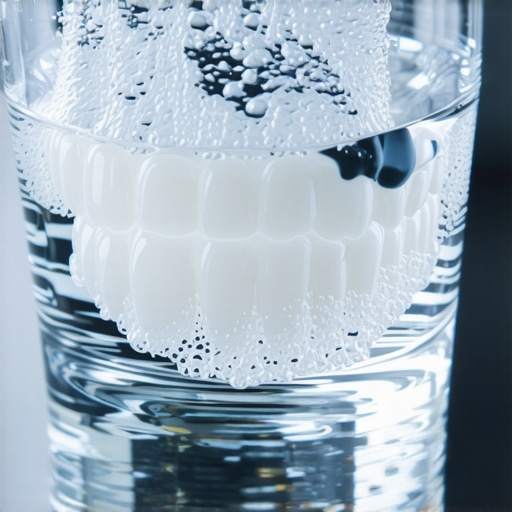
Your Mouth Is the Real Source of the Funk
We often blame the plastic, but the smell is usually a reaction between the tray and your own oral environment. If you trap food particles or sugary residue under your aligners, you are essentially creating a petri dish. This is why regular care boosts oral health and keeps your breath fresh. You have to brush and floss every single time you eat before putting those trays back in. If you’re out and can’t brush, at least rinse your mouth vigorously with water. I once ignored this after a quick snack of dried mango and by evening, my trays smelled like a fermentation tank. It was a vivid reminder that learning how to stop your Invisalign trays from smelling starts with the teeth they sit on. Even if you are choosing the best Invisalign options for your lifestyle, the physics of bacteria remains the same.
Professional Cleanings Still Matter
Don’t think that because you’re doing the heavy lifting at home, you can skip your dental checkups. Professional intervention is key because they can spot if the plastic odor is actually coming from a hidden cavity or gum issue. Understanding how regular teeth cleaning can prevent major issues will save you from a lot of ‘mystery smells’ down the road. During my own treatment, my dentist pointed out a tiny spot of tartar buildup I’d missed, which was holding onto odors like a sponge. Once that was gone, the ‘plastic’ smell I was complaining about vanished instantly.Most people assume that more cleaning equals better results, but when it comes to clear aligners, that logic can actually backfire. I used to think I was being a ‘gold star’ patient by soaking my trays in heavy-duty mouthwash for hours. I was wrong. The reality is that many over-the-counter mouthwashes contain alcohol or dyes that can subtly degrade the medical-grade thermoplastic. This creates a porous surface where odors don’t just sit; they move in and pay rent. You have to move past the basics and realize that you’re managing a micro-ecosystem, not just a piece of plastic. When we look at cosmetic dentistry myths debunked, we see that people often over-treat their dental work out of fear, which is a classic rookie mistake.
Stop Treating Your Trays Like Bathroom Tiles
Some patients get so obsessed with the ‘industrial’ smell that they resort to boiling water or harsh chemicals. Please, don’t do this. Extreme heat will warp the aligner, and you’ll find yourself back at the clinic wondering why your Invisalign trays keep popping off your molars. The goal is gentle, consistent disruption of the biofilm, not chemical warfare.
Does the Micro-Environment Under My Aligner Increase Decay Risk?
This is the question that separates the beginners from the pros. It’s not just about the tray; it’s about the ‘stagnation area’ created between the plastic and your enamel. A study published in the Journal of Oral Science found that clear aligners can restrict the natural flow of saliva, which is your body’s way of neutralizing acids. Without that constant ‘wash,’ the pH level under your tray can drop, becoming more acidic and making your teeth more vulnerable to decalcification. This is why regular care boosts oral health more than a one-time deep scrub ever could. If you aren’t neutralizing your mouth’s acidity before putting those trays back in, you’re essentially trapping an acid bath against your teeth. 
Avoid the Whitening Trap While Straightening
The biggest ‘trap’ I see—and one I fell into myself—is using whitening products while your aligners are still causing sensitivity. It’s tempting to try and get that Hollywood glow while your teeth are being straightened, but whitening strips and sensitive roots are a recipe for intense discomfort. If you’ve ever wondered why your mouth feels like it is burning after a whitening session, it’s likely because the chemicals are being pushed deeper into the gum tissue by the pressure of the aligner. To stay ahead of the game, focus on maintaining your teeth cleaning routine with a focus on pH balance. Drink plenty of water to encourage saliva flow and avoid ‘natural’ cleaning hacks like lemon juice, which is far too acidic for both the plastic and your enamel. Many patients report that their teeth feel furry shortly after a cleaning, and with Invisalign, this sensation is amplified. This is often plaque biofilm reforming, and the tray acts as a protective shield for that bacteria. Have you ever fallen into this trap of over-cleaning and ended up with more problems than you started with? Let me know in the comments.If you really want to move into the ‘pro’ tier of aligner care, you need to stop the manual labor. I finally invested in a small ultrasonic cleaner—the kind jewelers use, but specifically calibrated for dental appliances. It uses high-frequency sound waves to create microscopic bubbles that implode against the tray, blasting away the gunk you can’t even see. This is exactly why modern teeth cleaning innovations are so game-changing; they remove the human error factor. According to research published in the American Journal of Orthodontics and Dentofacial Orthopedics, ultrasonic vibration is significantly more effective at disrupting the architecture of oral biofilms compared to simple mechanical brushing. Once I started using one, that ‘old plastic’ smell vanished for good because I wasn’t just moving bacteria around; I was vaporizing it. 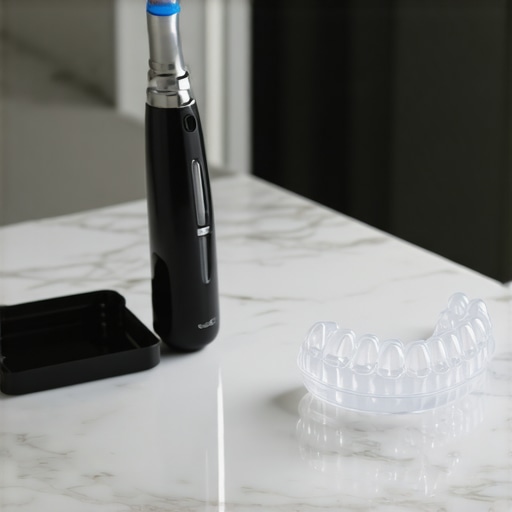
How do I maintain my smile alignment once the trays are gone?
The biggest fear we all have is the ‘bounce back.’ You spend months or years perfectly positioning your teeth, only to have them migrate the moment you stop wearing your trays. Long-term results depend entirely on the retention phase. This is where maintaining your teeth cleaning routine becomes a permanent lifestyle rather than a temporary project. You have to realize that bone remodeling takes time, and your teeth have ‘memory.’ I personally recommend asking your dentist about a permanent lingual retainer—a tiny wire bonded to the back of your teeth—in addition to your nighttime removable retainer. It’s the ultimate insurance policy for your investment.
Why Your Dentist’s 3D Scanner is Your Best Friend
We are moving into an era where physical molds are becoming relics of the past. If you are still biting into that purple goop, you’re missing out. I’ve seen firsthand how why Invisalign is the future of clear braces is largely due to the iTero scanner technology. These scans are so precise that they can track tooth movement down to the fraction of a millimeter, allowing for a ‘digital twin’ of your mouth. In the future, I predict we will see AI-driven apps that allow you to scan your teeth at home with your phone to check for fit issues before you even head to the clinic. This level of precision is the secret to a Hollywood smile because it eliminates the guesswork of traditional orthodontics.
The One Ritual You Should Start Tonight
If you want to see an immediate difference in how your mouth feels tomorrow morning, try the ‘pH reset.’ Before you put your trays in for the night, rinse with a dedicated alkaline mouthwash or a simple pinch of baking soda dissolved in water. This neutralizes the acids that lead to that ‘furry’ feeling and keeps the plastic from absorbing odors. If you’ve been struggling with how to get your clear aligners back in comfortably, keeping the environment slippery and neutral is key. My challenge to you: buy a basic ultrasonic cleaner this week and see if it doesn’t change your entire perspective on aligner hygiene. If you’re ready to take the next step in your transformation, feel free to contact us to discuss your long-term maintenance plan.
The Brutal Truth About Long-Term Clear Aligner Hygiene
I learned the hard way that your mouth’s chemistry changes when you wear plastic 22 hours a day. It’s not just about cleaning the trays; it’s about managing your oral environment to prevent persistent odors. One ‘lightbulb moment’ for me was realizing that the case itself is often the culprit—if you aren’t washing your Invisalign case weekly, you’re just putting clean trays back into a stale petri dish. Also, never underestimate the power of a quick water rinse every time you take the trays out; it prevents the ‘furry’ feeling that leads to permanent cloudiness. Finally, remember that many teeth cleaning myths suggest using lemon or harsh acids, but these actually make the plastic more porous and prone to holding smells long-term. Oxygenation is your friend, so let your trays breathe for a few minutes while you eat rather than sealing them in a case immediately.
Gear That Actually Makes Straightening Your Teeth Easier
If you’re serious about hygiene, I recommend a few specific tools that saved my sanity. First, an ultrasonic cleaner is non-negotiable for anyone who hates manual scrubbing; it uses sound waves to reach microscopic crevices. Second, I swear by the Pul-Tool; it helps you pop the trays out without using your fingers, which keeps outside germs away from your mouth and prevents tray warping. Third, I highly suggest keeping a travel-sized bottle of alkaline mouthwash in your bag. It’s better than standard minty versions because it actually neutralizes the acids that cause the ‘industrial’ funk. These small investments are what separate the people who struggle with Invisalign maintenance from those who breeze through it. Finding the right gear starts with choosing a dentist who understands your transformation goals.
Your Future Smile Is Worth the Extra Two Minutes
It’s easy to get frustrated when things feel high-maintenance, but remember why you started this journey. Every time you deep clean those trays, you’re protecting the investment you’ve made in your personal confidence. The finish line is closer than you think, especially if you followed the ultimate guide to Invisalign for adults from the start. The effort you put in now ensures that your Invisalign results stay pristine for a lifetime. If you have questions about your specific progress or want to move to the next level of care, it’s always smart to contact us to chat about your next steps. What’s the one ‘stink-prevention’ hack you’ve discovered during your treatment that I missed? Let me know in the comments below!