
I’ll never forget that first frosty morning after I finally got my implant settled. I walked out my front door, ready to conquer the day, and took a deep, refreshing breath of the October air. Suddenly, a sharp, icy sensation shot through my jaw. It wasn’t quite a toothache, but it was definitely a cold feeling that seemed to vibrate right where my new tooth was. I panicked. I thought for sure the whole thing was coming loose or that I’d made a massive mistake in choosing an implant over a bridge. But as I’ve learned through trial, error, and many late-night dental forum deep-dives, this weird internal brain freeze is actually way more common than people think. Today, I am going to share exactly why this happens and the simple tweaks I used to stop the shivers in my mouth.
That Weird Shiver When You Inhale the Morning Air
When I first started experiencing this, I made a classic mistake: I tried to fix it by drinking piping hot tea immediately after coming inside from the cold. Let me tell you, thermal shock is real, and my gums did not thank me. The reality is that titanium, while incredibly strong and biocompatible, is a metal. And metals have a much higher thermal conductivity than the dentin and pulp of your natural teeth. This is exactly the reason your new dental implant feels colder than your natural teeth. It’s essentially a tiny heat sink in your jaw. If you are also dealing with general sensitivity, you might find that teeth cleaning for sensitive teeth helps manage the surrounding area so your whole mouth isn’t on high alert every time the wind blows. Have you ever felt that specific, localized chill that makes you want to wear a scarf over your mouth even when you’re indoors?
Is This Cold Sensation Actually a Sign of Failure?
This is the big fear, right? We spend all this time and money at the dentist, and the moment something feels off, we assume the worst. But take a breath—preferably through your nose for now. A cold sensation usually doesn’t mean your implant is failing. In fact, research indicates that because implants lack the periodontal ligament that natural teeth have, they don’t have the same biological insulation. It is a physical property of the metal post, not necessarily a medical emergency. However, keeping the area clean is vital to ensure that sensitivity doesn’t turn into inflammation. We’ll explore how modern teeth cleaning innovations can help keep the tissue around the implant healthy, which is your best defense against any long-term discomfort.
Insulate Your Mouth When the Temperature Drops
To stop that sharp chill, you have to treat your mouth like a climate-controlled room. When you are outside in the winter, your titanium post acts exactly like a metal flagpole; if you touch it with freezing air, it gets cold and stays cold. I learned this the hard way during a morning jog. I was huffing and puffing through my mouth, and by the second mile, my jaw felt like it was encased in an ice cube. This is exactly why your teeth ache after a morning run in the cold. The fix is simple but requires conscious effort: train yourself to breathe exclusively through your nose. Your nasal passages act as a natural heater, warming the air to body temperature before it ever hits your dental work. If you find yourself struggling with this, the reason your teeth hurt when you breathe through your mouth is often due to the direct desiccation of the gums around the implant, which strips away the protective saliva layer that acts as a thermal buffer.
Swap the Blast of Cold Water for a Tepid Rinse
One morning, I was running late and used the high-pressure setting on my water flosser with cold tap water. I nearly dropped the device because the sensation was so jarring. Ever since that ‘messy’ bathroom floor incident, I have switched to lukewarm water for all my oral hygiene. If you have sensitive gums, modern teeth cleaning innovations that reduce sensitivity and boost results suggest that using water at exactly 98 degrees Fahrenheit can significantly reduce the ‘clash’ between the metal post and your jawbone. This is especially true if you are also managing other appliances; for instance, invisalign maintenance expert tips for clear confident smiles often emphasize temperature control to keep the plastic and the metal components in your mouth from becoming brittle or overly conductive.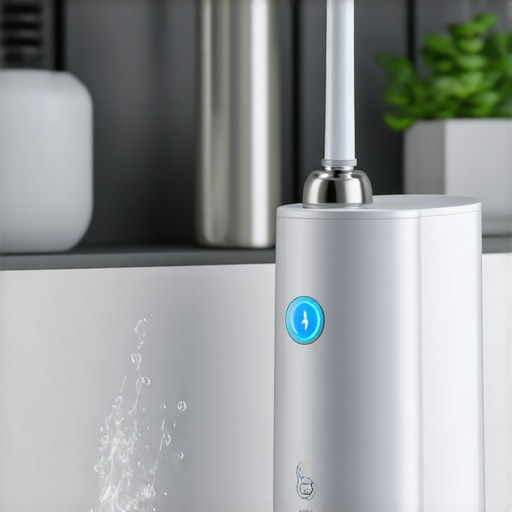
Manage the Tissue Around the Post
The metal itself doesn’t have nerves, but the tissue and bone it’s embedded in certainly do. If that tissue is inflamed, it’s going to be hyper-reactive to any temperature change. I started using a specialized, ultra-soft brush to gently massage the gum line around the implant twice a day. This increases blood flow to the area, which helps maintain a stable internal temperature. For those of us who might struggle with the fine motor skills needed for this, the secret to keeping your dental implant clean when you have limited dexterity is using an electric toothbrush with a pressure sensor. This ensures you aren’t scrubbing away the delicate seal between the gum and the abutment, which is your primary defense against the cold.
Why Your Surrounding Teeth Might Be Playing Tricks on You
Sometimes, the ‘cold’ you feel isn’t actually the implant—it’s the natural teeth next to it. When your implant is cold, it can radiate that chill to the neighboring roots. I found that using a desensitizing toothpaste specifically on the teeth flanking my implant helped ‘quiet’ the entire quadrant of my mouth. Looking into teeth cleaning for sensitive teeth what works best in 2025 can provide a roadmap for which fluoride treatments or varnishes can help build up that enamel shield, making the transition from a cold outdoors to a warm indoors much less painful.
Many people treat a professional dental cleaning like a high-end version of their morning routine. They think the goal is just a brighter shine or a smoother feel. This is one of the most common teeth cleaning myths debunked by top dentists; in reality, these sessions are diagnostic deep-dives. If your hygienist isn’t checking the depth of your periodontal pockets before scraping away tartar, they aren’t actually cleaning your teeth—they’re just detailing them. When you have a dental implant, this distinction becomes life or death for your jawbone. I’ve seen people skip cleanings because they think their ‘fake’ tooth can’t decay, but the surrounding tissue is actually more vulnerable to bacteria than it was with a natural root.
Professional Cleanings Do More Than Polish Your Enamel
I used to believe that as long as I brushed twice a day, a professional cleaning was just a ‘nice to have.’ But here is the contrarian truth: Your toothbrush can only reach about 3 millimeters below the gum line. Tartar that builds up deeper than that can only be removed by professional tools. If you ignore this, you risk peri-implantitis—the leading cause of implant failure. Many modern teeth cleaning innovations that reduce sensitivity and boost results, such as guided biofilm therapy, are now specifically designed to protect the delicate surface of titanium posts while nuking the bacteria that cause inflammation. Without these specialized tools, a standard cleaning might actually scratch your implant, creating microscopic grooves where even more bacteria can hide.
Can You Start Invisalign with Sensitive Gums?
This is a question I get asked a lot by readers looking into the ultimate guide to invisalign for adults in 2025. The short answer is: you shouldn’t. Pushing teeth into a new position when the foundation is shaky is like trying to remodel a house while the ground is actively shifting. A study published in the Journal of Clinical Periodontology emphasizes that moving teeth in the presence of active gum disease can significantly accelerate bone loss. This is why a proper dentist will insist on a perfectly healthy mouth before you ever snap in your first tray. They aren’t trying to upsell you on cleanings; they are protecting you from losing your teeth entirely. 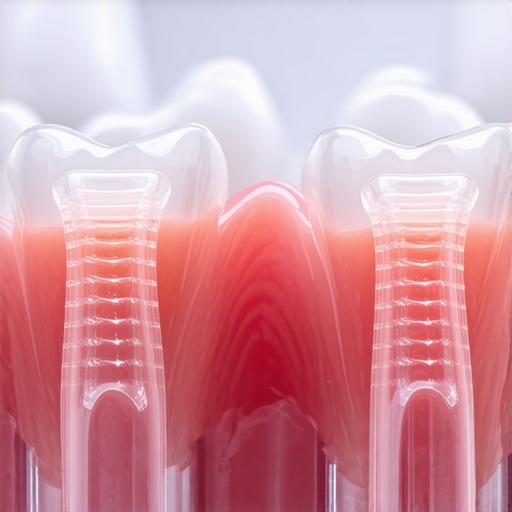
The Price Trap in Modern Cosmetic Dentistry
The biggest ‘oops’ factor I see today is patients choosing their provider based on the lowest bid for clear aligners or veneers. There is a reason how to choose a dentist for your invisalign transformation matters so much. Cheap DIY aligner kits or ‘discount’ cosmetic offices often skip the critical step of checking your bite mechanics. If your teeth look straight but don’t meet correctly, you’ll end up with cracked enamel, jaw pain, and potentially more implants down the road. True cosmetic dentistry trends that transform smiles today focus on ‘bioconservative’ methods—keeping as much of your natural tooth structure as possible rather than grinding it down for a quick fix.
We often fall for cosmetic dentistry myths that suggest these procedures are purely for vanity. In my experience, and as why invisalign is the future of clear braces suggests, the goal is functional health. A well-aligned smile is easier to clean, less likely to wear down, and keeps your jaw joints happy for decades. Have you ever fallen into the trap of prioritizing the ‘look’ of your teeth over the actual health of your gums? Let me know in the comments.
I’ve spent a lot of time answering comments about the aesthetics of cosmetic dentistry, but the most common follow-up is always about the gear. People want to know what I actually use when the bathroom door is closed and the ‘real’ maintenance begins. My favorite secret weapon isn’t a high-priced paste; it’s an ultrasonic cleaner. I used to spend ten minutes every morning with a soft brush trying to get the gunk off my aligners, only to realize I was creating micro-scratches that actually trapped more bacteria. Now, I just drop them in the pod while I shower. This is the ultimate hack for how to stop your invisalign trays from smelling like plastic. If you are just starting your journey, invisalign maintenance expert tips for clear confident smiles often miss this tech-first approach. I also swear by a high-pressure water flosser, but with a caveat: I only use the ‘sensitive’ nozzle around my implant. Standard tips can sometimes be too aggressive for the delicate junction where the gum meets the abutment. This kind of nuanced care is why teeth cleaning for sensitive teeth what works best in 2025 is such a hot topic. It’s about precision, not power.
How do I maintain my smile’s brilliance over the long haul?
Maintaining a high-end smile—whether it’s an implant or a full set of veneers—requires a mindset shift from ‘fixing’ to ‘preserving.’ I switched my morning brew to a straw because I learned that the coffee lovers secret to preventing deep enamel stains is actually about limiting the contact time between tannins and your tooth surfaces. It sounds high-maintenance, but it’s the difference between a smile that lasts five years and one that lasts twenty. If you’re worried about the cost, remember that how regular teeth cleaning can prevent major dental issues is the best insurance policy you can buy. Looking ahead, I predict that within the next few years, we’ll all have ‘smart mirrors’ with integrated AI sensors. These will highlight plaque buildup in real-time before it ever hardens into tartar. We are already seeing invisalign innovations why 2025 is the year for a perfect smile moving toward remote monitoring where your dentist can check your progress via a smartphone app. According to the American Academy of Implant Dentistry (AAID), the success rate of dental implants is significantly higher when patients use interproximal brushes. These tiny tools get into the concave areas of the implant post where traditional floss just glides over. 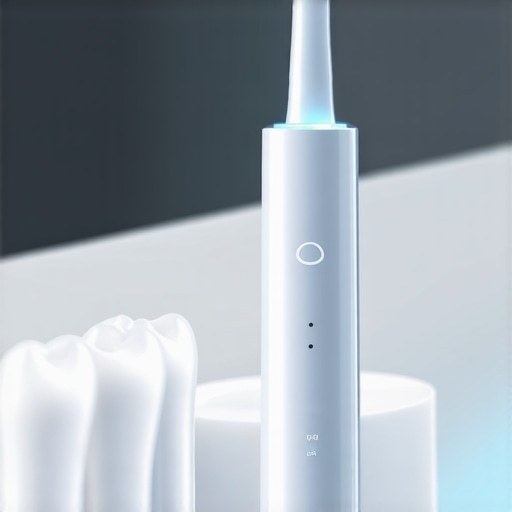 Don’t let your investment fade. Teeth cleaning secrets how regular care boosts oral health at any age show that consistency beats intensity every time. Stop treating your dental routine like a chore and start treating it like a tech upgrade. Buy a high-quality water flosser tonight and commit to using it for just seven days.
The Realizations That Changed My Perspective on Living with Titanium
Looking back at my journey, the biggest shift wasn’t in my routine, but in my mindset. I used to think of my implant as a robotic part that didn’t need care, but I quickly learned it is more like a high-performance engine that requires specialized cooling and maintenance. First, never underestimate the power of temperature; that first winter taught me that metal and bone have a complicated relationship. Second, the biological seal around your implant is your most precious asset. If you notice why your gums turn white for a few minutes after flossing, it’s a sign of how sensitive that tissue is to external pressure. Lastly, the best results come from a dentist who treats your smile as a dynamic system rather than just a cosmetic project.
My Daily Gear for a Sensible and Bright Smile
To keep everything running smoothly, I rely on a few non-negotiables that go beyond the standard toothbrush. I always keep interproximal brushes in my kit because standard floss doesn’t always contour to the unique shape of an implant abutment. For those also navigating orthodontic work, following invisalign maintenance expert tips for clear confident smiles ensures your aligners don’t become a breeding ground for bacteria that could irritate already sensitive gums. I also recommend checking out the ultimate guide to invisalign for adults in 2025 if you’re considering a full alignment overhaul. These resources helped me understand that cosmetic dentistry trends that transform smiles today are moving away from invasive procedures and toward smarter, tech-driven preservation.
Take the First Step Toward a Pain-Free Future
Embarking on a smile transformation can feel daunting, especially when you hit a bump like unexpected cold sensitivity. But don’t let a little morning chill stop you from pursuing the confidence you deserve. Whether you are curious about invisalign innovations why 2025 is the year for a perfect smile or just need a better cleaning routine, the technology available today is better than it has ever been. Your dental health is a long-term investment, and every small tweak you make today—from switching to lukewarm water to booking a specialized teeth cleaning for sensitive teeth—builds a foundation for a lifetime of pain-free smiles. Have you noticed your dental work reacting differently when the seasons change? Let me know your experience with cold sensitivity in the comments below!