
I was standing in front of my bathroom mirror, feeling like a dental superstar. I had actually remembered to floss three nights in a row. Then, I saw it. A ghostly, bloodless white line where my gums should have been a vibrant pink. My heart dropped. I honestly thought I had cut off the circulation permanently or managed to kill the tissue in one go. It is a terrifying sight if you are not expecting it, almost like your mouth is trying to signal a major emergency. Most of us just want a healthy smile, but when the tools we use seem to cause damage, it is easy to want to give up entirely. Today, I am going to explain exactly why this happens and help you distinguish between a harmless quirk and a real reason to call your provider.
Don’t Panic When Your Gums Lose Their Color
Seeing your gums turn pale for a few minutes is usually just a result of temporary pressure. When you press floss firmly against the gingival tissue, you are essentially squeezing the tiny blood vessels—the capillaries—shut for a moment. I made the mistake early on of thinking I needed to ‘saw’ into the tissue to get it clean, which is a one-way ticket to irritation. If you are just starting out, learning how to stop your gums from bleeding during your first week of flossing is often more about finesse than force. According to the American Academy of Periodontology, healthy gums should be firm and pink, but they are also highly vascular. When that blood is displaced by pressure, the area turns white until the vessels refill. This is called blanching, and it usually disappears within sixty seconds. However, if the white spots linger or feel fuzzy, you might be looking at something else entirely, like the reason your teeth feel furry or plaque buildup that has been shifted around. Have you ever noticed this ghostly white effect after a particularly deep cleaning session?
Is this a sign of a serious infection?
It is the question that kept me up that first night. While blanching is temporary, persistent white patches are a different story. You need to be able to tell the difference between a pressure mark and a clinical issue. Knowing how to tell if that white spot on your gum is a canker sore or an infection is vital for your peace of mind. If the area stays white for hours or starts to slough off, it could be a chemical burn from whitening products or a localized infection. Many of the teeth cleaning secrets I have learned over the years emphasize that your gums should never feel consistently painful after a routine habit. I once even heard of someone trying to use a sharp object to ‘clean’ a white spot, which is incredibly dangerous; please avoid the hidden danger of using a safety pin to remove food from your gums at all costs. Understanding the ‘why’ behind these changes takes the fear out of your morning routine and helps you focus on what really matters—keeping those teeth for a lifetime.
Master the Finesse of the C-Shape Technique
To stop the blanching effect, you have to change how you approach the gap between your teeth. Think of your gums like a delicate silk cushion rather than a tough piece of leather. When you snap the floss straight down, you create a blunt force impact that drives blood out of the area immediately. Instead, use the C-shape method. This involves wrapping the floss around the side of the tooth, creating a curve that hugs the enamel. By sliding the floss gently beneath the gumline in this curved shape, you clean the ‘pocket’ without crushing the capillaries. Maintaining your teeth cleaning routine for long term health depends entirely on this kind of gentle consistency. I remember a specific Tuesday last July when I was in a rush and used my floss like a cheese wire, pulling it tight and fast. I ended up with a ghostly white line that throbbed for an hour. I learned the hard way that ‘harder’ does not mean ‘cleaner.’
Stop the Guillotine Snap
The most common mistake is the ‘snap.’ This happens when the contact point between two teeth is tight, and you apply too much pressure to break through. When the floss finally gives way, it crashes into the gingival papilla—the triangular bit of gum between teeth. This impact causes immediate blanching and can lead to long-term recession. To avoid this, use a zig-zag motion as you pass the contact point. This controlled entry protects the tissue from trauma. If you already suffer from delicate tissue, exploring teeth cleaning for sensitive teeth what works best in 2025 can provide you with better tool options, like PTFE tape floss which slides more easily. 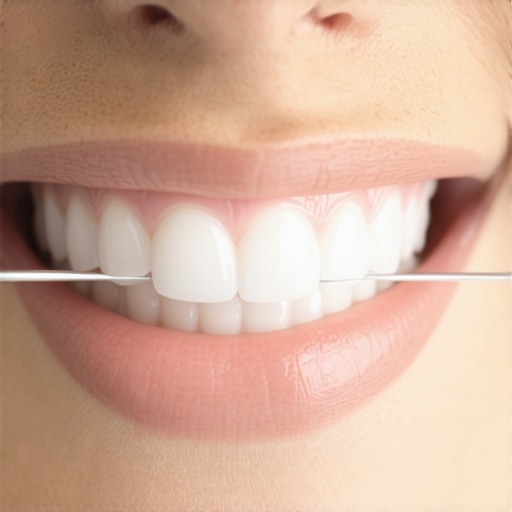
Protect Your Soft Tissue During Invisalign Treatment
If you are currently straightening your smile, you might notice white spots more frequently. This is often because the aligners themselves exert pressure on the gingiva. It is vital to follow Invisalign maintenance expert tips for clear confident smiles to ensure your trays are seated correctly. If a tray is slightly too long, it will ‘impinge’ on the gum, causing a permanent white line where the plastic meets the tissue. This isn’t just a color change; it is a sign that the tissue is being starved of oxygen and blood. If you notice this, do not try to fix the tray yourself with a nail file. You need a professional adjustment to ensure the blood flow remains steady.
Identify Chemical Irritation from Whitening
Sometimes that white color isn’t from pressure at all, but from oxygenation. If you are whitening your teeth, the peroxide can ‘blanch’ the gums if it leaks out of the tray. Many people mistake this for a pressure mark from flossing. If you are curious about the safety of these products, reading about the truth about whitening strips and how they affect sensitive roots can help you identify if your whitening habit is the real culprit behind those pale patches. For immediate relief after a rough cleaning or chemical burn, the fastest way to stop a gum bleed after a deep cleaning often involves simple cold compresses or salt water rinses to stabilize the area. Using modern teeth cleaning innovations that reduce sensitivity and boost results can also take the guesswork out of your home care, ensuring you get a deep clean without the ‘ghostly’ side effects.
Harder Scrubbing Won’t Save Your Smile
We often fall into the trap of thinking that more force equals a cleaner mouth. In my early days of trying to achieve that ‘dentist-clean’ feeling, I assumed that if my gums weren’t a little sore, I hadn’t done the job right. This is a dangerous misconception. Many teeth cleaning myths debunked by top dentists point out that aggressive scrubbing actually wears down your enamel and causes your gums to retreat in self-defense. If you see those white lines, don’t double down on the pressure. The goal is to disrupt the biofilm, not to sandblast your gingiva. Have you ever fallen into this trap? Let me know in the comments.
Why does the texture of my gums change during a tray swap?
This is a question I get asked by many fellow aligner users. When you transition to a new set of trays, the blood flow in your periodontal ligament is being intentionally altered to facilitate tooth movement. A study published in the Journal of the American Dental Association (JADA) highlights that localized pressure can cause temporary ‘ischemia’—a brief restriction of blood supply—which is exactly why you see that white blanching. While it is a normal part of the process, you should never ignore it if the tissue starts to feel ‘leathery’ or loses its stippled appearance. Ensuring proper Invisalign maintenance expert tips for clear confident smiles includes checking that your trays aren’t cutting off circulation entirely. 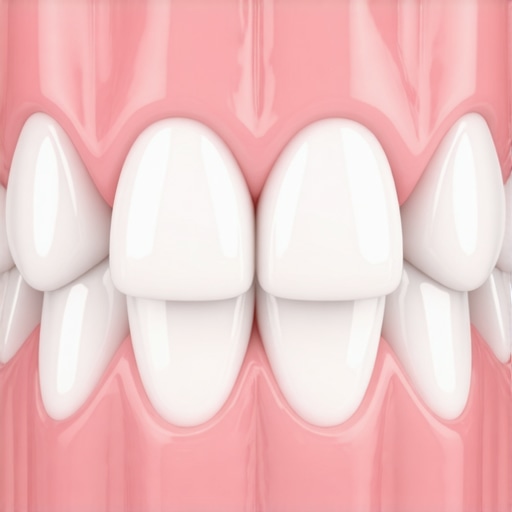
Don’t Mistake Chemical Burns for Pressure Marks
One of the biggest ‘oops’ factors in home care involves the over-use of whitening products. I once left a whitening strip on for double the recommended time, thinking I’d get twice the results. Instead, I woke up with a stark white band across my gums that looked exactly like the blanching I saw from flossing. However, chemical blanching is an oxidative reaction where the peroxide actually enters the soft tissue. This is one of the most common cosmetic dentistry myths debunked: that more gel is always better. It isn’t. If the white area is painful or starts to slough off, you’ve likely caused a minor burn rather than a pressure spot.
The truth about why your front teeth feel loose on Invisalign tray swap days
It is an unsettling sensation when your teeth feel like they might just pop out. You might even notice that the gums around these teeth look paler than usual. This is usually because the bone is remodeling. Understanding the truth about why your front teeth feel loose on Invisalign tray swap days can save you a frantic emergency call. The ‘ghostly’ look is often just the result of the tray seating tightly against the tissue as it pulls the tooth into its new position. If you are worried about the aesthetics, remember that modern teeth cleaning innovations that reduce sensitivity and boost results can help keep that tissue healthy while you wait for the blood flow to return to normal after the initial pressure of the new tray subsides.To keep those ghostly white lines from coming back, I finally invested in an electric toothbrush with a visible pressure sensor. I personally use the Oral-B iO series because the light turns red the second I press too hard. It’s like having a tiny dentist standing over my shoulder, reminding me to chill out. This is one of those modern teeth cleaning innovations that reduce sensitivity and boost results that actually changed my daily habit. It takes the guesswork out of whether I’m cleaning or crushing my gums.
How do I maintain my smile results over the long haul?
Consistency is the boring answer, but the right gear makes it easier. For my Invisalign trays, I stopped scrubbing them with a manual brush. It was creating micro-scratches that trapped bacteria. Instead, I use a dedicated ultrasonic cleaner—the same kind jewelers use—to shake the biofilm off without any physical abrasion. Following Invisalign maintenance expert tips for clear confident smiles means your trays stay invisible, not cloudy. For my gums, I’ve added a water flosser to my routine. According to a study published in the Journal of Clinical Dentistry, water flossing is significantly more effective than string floss for reducing gingival bleeding and plaque, especially around orthodontic hardware. It’s a game-changer if your gums are prone to that ghostly blanching we talked about earlier. 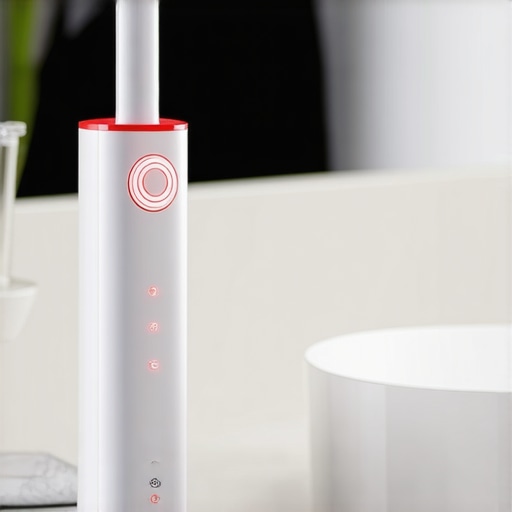 I predict that in the next few years, we’re going to see AI-powered smart mirrors that highlight exactly where your plaque is hiding in real-time. We are already seeing cosmetic dentistry trends that transform smiles today moving toward this high-tech integration. For now, maintaining your teeth cleaning routine for long term health is about using the best current tech to protect your investment. If you haven’t yet, choosing the right dentist expert tips for your best smile journey will help you find a professional who can vet these tools for your specific mouth. Try this one simple switch: upgrade to an electric brush with a pressure sensor this week and watch those white pressure marks disappear for good.
Hard-Won Lessons from My Fight Against Gum Ghosting
One thing I realized late in the game is that gums aren’t just ‘skin’ in your mouth; they are a living, breathing map of your circulation. If you see white, you’re not failing—you’re just pressing too hard. I’ve learned that consistency beats intensity every single time. It took me months to realize that the ‘furry’ feeling after a cleaning isn’t solved by harder scrubbing, but by smarter techniques like the C-shape flossing method. I wish someone had told me sooner that healthy gums should bounce back almost instantly and that localized pressure is usually the only culprit behind that temporary pale look.
The Tools That Keep My Smile Pink and Healthy
After years of trial and error, I only trust tools that take the guesswork out of the equation. An electric brush with a pressure sensor is non-negotiable for me now because it protects me from my own over-eager habits. I also swear by water flossers for those tight spaces where string floss tends to ‘snap’ and cause that dreaded blanching of the gingival papilla. If you’re looking for an upgrade to your kit, check out these modern teeth cleaning innovations that reduce sensitivity and boost results to see what might fit your lifestyle. For those currently using clear aligners, keeping your trays and gums in sync is vital; I always recommend revisiting maintaining your teeth cleaning routine for long term health to keep your soft tissue happy and vibrant.
Your Best Smile is a Long-Term Project
Don’t let a few white spots or temporary blanching discourage you from your routine. Whether you are navigating clear aligners or just trying to perfect your daily teeth cleaning, remember that every small adjustment adds up to a lifetime of dental health. Your gums are resilient, and with a little bit of finesse, they will stay healthy for decades. If you ever feel overwhelmed or worried about your progress, reading through Invisalign success stories real patients real transformations can remind you that the journey is absolutely worth the effort. Find a partner in your dental journey by choosing the right dentist expert tips for your best smile journey and keep moving forward with confidence. Have you ever seen those ghostly white lines after flossing and wondered what was going on? Let me know your experience in the comments!