
I used to be a total string-floss martyr. You know the type. I’d stand in front of the mirror, wrapping that minty thread around my middle fingers until they turned a concerning shade of purple, convinced that if I didn’t see a little pink in the sink, I wasn’t doing it right. I was wrong. Dead wrong. It wasn’t until my last visit to the chair—the one where your jaw feels tired after a long dental cleaning—that I finally asked my hygienist why she’d swapped her sharp manual picks for a high-powered water flosser. She didn’t just tell me; she showed me. My ‘perfect’ manual routine was leaving behind a microscopic buffet of bacteria that I couldn’t even see. Today, I’m breaking down why the pros are ditching the scrapers for H2O and how it can finally stop the dreaded ‘poking’ at your next checkup. Have you ever left the dentist feeling like you failed a test despite brushing twice a day? Tell me about your last visit in the comments.
My Gums Finally Stopped Bleeding Once I Put Down the String
For years, I made the classic mistake of thinking that harder was better. I would saw away at my gum line, thinking I was being thorough, but I was actually causing micro-trauma to my delicate tissues. My hygienist explained that modern teeth cleaning innovations that reduce sensitivity are all about precision, not brute force. While I was busy being aggressive with my manual tools, the water flosser was waiting to do the job more gently and twice as fast. It’s not just about comfort; it’s about access. Manual tools are great for large surfaces, but they often struggle with deep pockets, especially if you are looking for teeth cleaning tips for a brighter smile this spring. According to the American Dental Association, water flossers are exceptionally effective at removing plaque from between teeth and beneath the gumline, often outperforming traditional methods in clinical trials. I realized my old-school way was literally pushing gunk deeper instead of flushing it out.
Does a Little Water Really Beat Manual Scrapers?
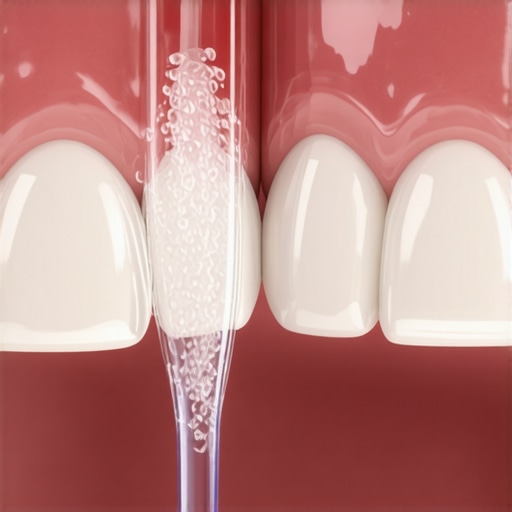
I’ll be the first to admit I was a skeptic. How could a stream of water—something I drink every day—be more powerful than a piece of waxed nylon? But once you see the debris that a water flosser can dislodge even after you think you’ve brushed perfectly, there is no going back. I always thought that the ‘scraping’ sensation meant it was working, but that sensation is often just my enamel being tested by metal. The water flosser uses thousands of pulsations per minute to break the bond of plaque without the sandpaper effect. If you have any dental work, like bridges or implants, the difference is even more dramatic. I spent years struggling with traditional floss around my back molars, but the targeted stream reaches spots I didn’t even know existed. We’re going to look at the exact reasons your hygienist made the switch and why your home routine should probably follow suit.
Master the Water Flosser Without Soaking Your Bathroom
The first time I tried a water flosser, it was a total comedy of errors. I made the classic mistake of looking in the mirror to see what I was doing. Within three seconds, I had pressure-washed my own eyeball and sent a high-velocity jet of water straight onto the bathroom ceiling. The pro tip that changed everything? Lean over the sink, look down at the drain, and keep your lips slightly parted so the water flows out naturally. This isn’t like a manual brush where you need to track every movement in the mirror; it is more like a guided power wash for your mouth. Once you get the hang of the rhythm, you will realize that many teeth cleaning myths debunked by top dentists center around the idea that you need to ‘scrub’ to get a deep clean.
Angle the Tip at Ninety Degrees
Think of your teeth like a picket fence. If you spray a garden hose directly at the flat part of the wood, you aren’t cleaning the gaps. To get the hidden debris out, you have to hit the spaces at a perpendicular angle. Start at the very back of your mouth and follow the gumline, pausing for a full second between each tooth. This is especially vital if you have struggled with why your gums bleed only in the back of your mouth when you floss. Manual string often misses the complex architecture of those rear molars, but the water jet creates a localized vortex that flushes out the biofilm. If you often find yourself wondering why your teeth feel sticky only a few hours after brushing, it is usually because that interdental plaque was never actually removed, just shifted around.
Control the Pressure to Save Your Gums
More power does not always mean a better clean. If you have sensitive spots, you need to treat the device like a precision instrument rather than a sandblaster. For those exploring teeth cleaning for sensitive teeth – what works best in 2025, starting on the lowest setting is non-negotiable. I spent three weeks on the ‘Low’ setting before my gums were resilient enough for the medium pulse. This gradual transition allows your gum tissue to firm up and heal without the trauma of physical metal scrapers. It is a similar philosophy to how cosmetic dentistry trends that transform smiles today focus on preserving natural structures rather than aggressive removal. By flushing the deep pockets daily, you prevent the chronic inflammation that leads to the dreaded ‘poking’ pain during your professional checkups.
One of the biggest contrarian truths in modern dentistry is that a ‘squeaky clean’ feeling isn’t always the gold standard for health. We have been conditioned to believe that unless our teeth feel like polished glass, we haven’t done enough. In reality, that obsessive scrubbing often leads to a cycle of over-cleaning that does more harm than good. I have seen dozens of teeth cleaning myths debunked by top dentists, but the most persistent one is the idea that physical force equals a better result. If you have ever wondered why your teeth feel sticky even after you brush, you are likely dealing with a biological biofilm that is surprisingly resistant to old-school manual methods.
Can too much water pressure actually push bacteria deeper?
This is where the nuance of the water flosser becomes critical. Many users treat their device like a pressure washer for a driveway, cranking it up to the highest setting immediately. However, research published in the Journal of Periodontology suggests that it is the frequency of the pulsation, not just the raw pressure, that disrupts the bacterial colonies. The ‘oops’ factor here is significant: if you use a high-pressure jet at the wrong angle, you can actually force debris into the subgingival pockets rather than flushing it out. This can cause localized inflammation that mimics the symptoms of gum disease, even in a clean mouth. Have you ever fallen into this trap of thinking harder means better? Let me know in the comments.
For those of us navigating more complex dental journeys, the stakes are even higher. If you are currently wearing aligners, following invisalign maintenance expert tips for clear, confident smiles is about more than just keeping the plastic clear; it is about managing the pH balance of your mouth. A common mistake is trying to ‘hack’ your way to a whiter smile while in treatment. I’ve seen people reach for abrasive DIY solutions, but the truth about charcoal toothpaste and your tooth enamel is that it can create microscopic scratches that actually trap more stains over time. When your teeth are being moved, your enamel is already under stress; the last thing it needs is a pumice-style scrubbing.
The invisible danger of DIY whitening during Invisalign
Another sophisticated trap involves the timing of cosmetic enhancements. Many patients want to whiten their teeth while their aligners are in, but this often leads to ‘spotted’ results because the attachments (those little tooth-colored bumps) block the whitening agent. It is a classic example of why cosmetic dentistry myths debunked: what you really need to know always points back to professional oversight. The nuance here is that modern dentistry is moving toward minimally invasive, chemically intelligent solutions. Whether you are using a water flosser or clear aligners, the goal is to work with your body’s biology—disrupting the biofilm gently rather than trying to sandblast your way to a Hollywood smile.
If you’re still scrubbing your Invisalign trays or night guard with a manual toothbrush, you’re making a huge mistake that I learned the hard way. Brushing creates tiny, microscopic scratches in the plastic. These scratches are basically luxury apartments for bacteria, which is why learning how to clean the stubborn cloudiness off your night guard becomes such a recurring nightmare. I personally switched to a compact ultrasonic cleaner—the kind jewelers use for diamonds. You drop your aligners in for five minutes, and high-frequency sound waves vibrate the plaque off without touching the surface. It’s the difference between using a soft cloth and using sandpaper on a finished piece of wood.
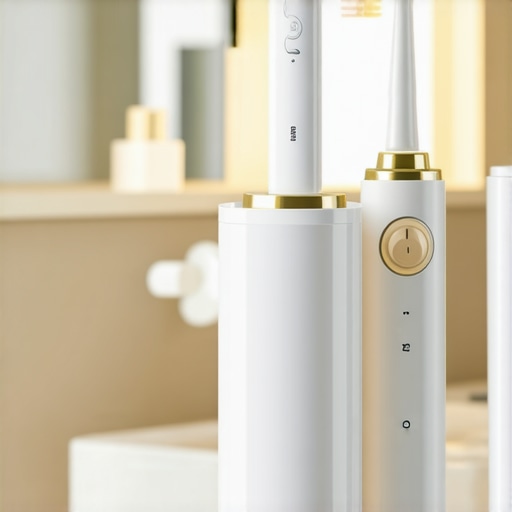
Next, let’s talk about the hardware you use every morning. I used to think all electric toothbrushes were the same until I felt why your jaw feels like it is vibrating when you use an electric toothbrush. My current brush features a built-in pressure sensor that flashes a bright red light the second I push too hard. According to a 2021 clinical study published in the Journal of Clinical Periodontology, users who utilize brushes with visual pressure alerts show significantly lower rates of gingival recession over a two-year period compared to those who don’t have that feedback. I used to be a ‘scrubber,’ but now I’m a ‘glider.’ This shift is essential for maintaining your teeth cleaning routine for long-term health because it protects the gum tissue you’ve worked so hard to keep healthy.
How do I maintain these results for the long haul?
The secret to a lasting Hollywood smile isn’t just about what you do in your bathroom; it’s about the synergy between home tech and the professional chair. I view my six-month checkups as a ‘system reset.’ Even with the best water flosser, calcified tartar eventually forms, and how regular teeth cleaning can prevent major dental issues is by catching that buildup before it triggers an immune response in your body. Looking ahead, I predict we are moving toward a world of ‘Smart Bio-Monitoring.’ We are already seeing invisalign innovations why 2025 is the year for a perfect smile, but the next step is likely AI-integrated brushes that scan for early demineralization in real-time, sending data directly to your dental portal before a cavity even forms.
I truly believe that teeth cleaning secrets how regular care boosts oral health at any age lie in the tools that take the guesswork out of the equation. If you want to level up right now, my advanced tip is to use a disclosing tablet—those little purple pills that show old plaque—and use your water flosser afterward to see exactly what you’ve been missing. It’s a humbling reality check. If you’ve noticed your smile looks a bit dull, it might be time to look at the real reason your teeth look yellow in bathroom lighting and adjust your kit to include an ultrasonic cleaner and a pressure-sensitive brush.
Lessons My Hygienist Taught Me the Hard Way
I spent years thinking dental health was a battle I was losing, but it turns out I just had the wrong strategy. The biggest lightbulb moment for me was realizing that plaque isn’t just ‘dirt’; it’s a living biofilm that requires a gentle touch, not a sandblaster. Secondly, I learned that maintaining your teeth cleaning routine for long-term health is actually easier when you stop trying to be perfect every single day and focus on the right mechanics. Finally, don’t ignore the blood; it’s a signal of inflammation, not a normal part of flossing. If you listen to your body and adapt your tools, those invisalign success stories real patients real transformations you see online become a lot more attainable for your own journey.
The Tools I Actually Use Every Morning
If you are looking to upgrade your home setup, start with a water flosser that offers at least ten pressure settings—versatility is your best friend when dealing with sensitivity. I also swear by disclosing tablets once a week; they act like a ‘map’ for your mouth, showing you exactly where you missed so you can adjust your technique. For anyone with aligners or retainers, an ultrasonic cleaner is a total game-changer for invisalign maintenance expert tips for clear confident smiles, removing what a brush simply cannot reach. And of course, never skip your professional visits, because how regular teeth cleaning can prevent major dental issues is the ultimate insurance policy for your smile.
Stop Fearing the Dental Chair Forever
It’s easy to feel overwhelmed by all the gadgets and rules, but remember that your smile is a work in progress, not a final exam. By swapping out brute force for smarter, water-based tech, you aren’t just avoiding a lecture from your hygienist; you’re investing in your own daily confidence. Whether you are chasing the secret to a hollywood smile cosmetic dentistry insights or just want to get through your next checkup without the dreaded ‘poking’ pain, the power is literally in your hands. You don’t have to be a ‘floss martyr’ anymore to have a healthy mouth. Which part of your dental routine feels like the biggest chore right now? Let me know in the comments below!