
I just spent four minutes in front of my bathroom mirror, performing the full dental ritual—electric brush, specialized paste, the works—and yet, five minutes later, my tongue still catches on that weird, tacky film on the back of my molars. It is incredibly frustrating. It is like trying to wash a greasy cast-iron skillet with cold water; you know you did the work, but the results just are not there. For years, I genuinely thought I was just unlucky or that my enamel was somehow ‘magnetic’ to grime. I would buy every whitening scrub and charcoal paste on the shelf, hoping for that squeaky-clean feeling that usually only happens after a professional visit. But I was making a massive mistake: I was treating my teeth like a kitchen floor that needed a hard scrub, rather than a delicate ecosystem that needed balance.
The Real Reason Your Teeth Still Feel Fuzzy
The truth is that stickiness isn’t just leftover lunch. It is a biological structure called biofilm. Within seconds of brushing, proteins in your saliva start to form a thin, invisible layer on your teeth. This is not inherently a bad thing—it actually helps protect your enamel—but it is the foundation that bacteria use to build their tiny, microscopic empires. I used to think why your teeth feel sticky only a few hours after brushing was purely a sign that I was bad at flossing, but it is often about the type of bacteria flourishing in that film and the health of your saliva. According to the American Dental Association, dental plaque—that sticky, soft film—is essentially a colony of living microbes that are constantly regenerating. Research published in the Journal of the American Dental Association (JADA) indicates that biofilm can begin to colonize on tooth surfaces within minutes of a professional cleaning. This means the battle is constant. I spent a long time thinking my teeth cleaning secrets were lacking, when in reality, I was actually brushing way too hard. I was creating microscopic abrasions in my enamel where bacteria could hide more effectively than ever. If you have ever felt like no amount of toothpaste makes a difference, you are not alone. Have you ever noticed that your teeth feel furry even when you have not eaten anything sugary?
Can you actually fix this without a professional?
You might be skeptical. I certainly was. I figured if I could not get them clean at home with a vibrating brush and expensive floss, I was destined for a lifetime of teeth cleaning for sensitive teeth and costly repairs. But here is the promise: today, I am going to show you how to break the cycle of permanent plaque without destroying your gums. We are going to look at why that film persists and how a few simple shifts in your maintaining your teeth cleaning routine for long-term health can finally give you that smooth-as-glass feeling that lasts all day. [IMAGE PLACEHOLDER] It is about working smarter, not harder. When I finally stopped scrubbing and started focusing on the chemistry of my mouth, everything changed. Let us dive into the specifics of why your current routine might be failing you.
Dismantle the Microscopic Infrastructure of Plaque
To stop that tacky film from taking over, you have to think like an architect. Plaque isn’t just sitting on your teeth; it is building a scaffold. If you only brush the flat surfaces, you are basically just washing the windows of a skyscraper while the foundation is crumbling. To truly clear the slate, you need to disrupt the biofilm before it hardens. I remember a specific Tuesday three years ago when I was so frustrated with my ‘fuzzy’ molars that I brushed until my gums bled. It was a mess, and it didn’t even work. The breakthrough came when I realized I was using the wrong pressure. Instead of scrubbing harder, I started focusing on teeth cleaning tips for a brighter smile this spring that emphasize technique over force. You want to gently vibrate the bristles at the gumline, breaking up the ‘colony’ rather than trying to sand down the tooth.
Why You Should Aim for the Gumline at 45 Degrees
The real ‘secret sauce’ to that professional-clean feeling is the angle. Most of us brush at a 90-degree angle, flat against the tooth. This misses the ‘pocket’ where the tooth meets the gum—the primary staging ground for biofilm. By tilting your brush at a 45-degree angle toward the gumline, the bristles can actually slide slightly underneath the tissue to sweep out debris. If you are using an electric brush, let the motor do the work. I used to fight the vibration, but once I let it glide, the chronic stickiness at the back of my mouth vanished within forty-eight hours. Utilizing modern teeth cleaning innovations that reduce sensitivity and boost results makes this process much more comfortable if you have thin enamel.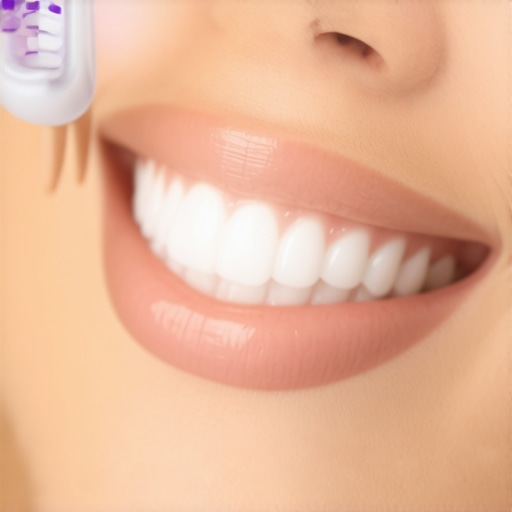
Your Saliva is the Ultimate Cleaning Agent
Think of your saliva as a constant, natural power-wash for your mouth. When your mouth gets dry, the pH drops, and your saliva becomes thick and acidic, which is like rolling out a red carpet for sticky bacteria. I noticed that my teeth felt the ‘fuzziest’ right after my morning coffee or when I was stressed and breathing through my mouth. To combat this, I started prioritizing hydration and using xylitol-based products to stimulate flow. This is a critical part of maintaining your teeth cleaning routine for long-term health. If the saliva isn’t moving, the plaque is staying. Also, don’t forget the tongue. A huge portion of the bacteria that migrates to your teeth actually lives on the back of your tongue. Learning the best way to clean your tongue without triggering your gag reflex changed my morning routine entirely; it cut down that midday ‘film’ significantly.
Don’t Let Misaligned Teeth Provide a Hideout
Sometimes, the reason you can’t get that glass-smooth feeling is mechanical. If your teeth are crowded or slightly rotated, there are ‘nooks’ that a standard brush simply cannot reach. I struggled with one specific lower canine that always felt furry until I looked into alignment. If you are dealing with this, choosing the best invisalign options for your lifestyle can actually be a preventive health move, not just a cosmetic one. Straighter teeth are fundamentally easier to keep clean because there are fewer places for the biofilm city to hide. Even if you are already in treatment, following invisalign maintenance expert tips for clear confident smiles ensures that your hardware doesn’t become a new breeding ground for that sticky film.Everyone says that a perfect smile is just about finding the right shade of white on a dentist’s chart, but in my experience, focusing solely on color is the fastest way to end up with a smile that looks ‘fake’ or ‘plastic.’ Most people think cosmetic dentistry is purely about vanity, but the nuance lies in the interplay between aesthetics and health. When I first started looking into cosmetic dentistry myths debunked by top dentists, I realized that the ‘fuzzy’ feeling we discussed earlier is often exacerbated by how we treat our enamel during whitening. If you over-bleach, you aren’t just making your teeth whiter; you are potentially increasing their porosity, which makes them even more ‘magnetic’ to the very stains and biofilm you are trying to avoid.
Beyond the Bleach: Why Texture Matters More Than Shade
The real secret that high-end cosmetic pros know is that a healthy smile has ‘micro-texture.’ Natural teeth aren’t smooth like glass; they have tiny ridges that reflect light in different directions. If you over-polish or use highly abrasive ‘whitening’ pastes at home, you sand these down. This leads to a flat, dull look that actually highlights every speck of plaque. According to the American Academy of Cosmetic Dentistry (AACD), maintaining the natural translucency of the incisal edge is what separates a professional result from a DIY disaster. I fell into the trap of thinking ‘smooth’ meant ‘clean,’ but I was actually destroying the light-reflecting properties of my enamel. [IMAGE_PLACEHOLDER_C#]
Why Does My Enamel Look See-Through After Professional Whitening?
This is a question I see constantly in advanced dental forums. If you have noticed the reason your front teeth look transparent at the very bottom, it is likely due to enamel thinning. When you use harsh chemicals without professional supervision, you can strip away the mineral density. This doesn’t just affect the look; it changes the surface tension of the tooth, making it easier for that sticky biofilm to latch on. If your teeth feel ‘fuzzy’ specifically at the biting edges, it’s a sign that the surface is becoming too porous.
The ‘Acid Trap’ That Ruins Your Morning Routine
Here is a warning I wish someone had given me years ago: never, ever brush your teeth immediately after drinking coffee or orange juice. We have been taught to ‘clean up’ after we eat, but the acid in these drinks temporarily softens your enamel. If you scrub right then, you are essentially brushing the enamel away. This creates microscopic ‘valleys’ where bacteria thrive. Instead, rinse with water and wait thirty minutes. This allows your saliva to remineralize the surface. For those using aligners, this mistake is even more costly. I’ve seen people follow the ultimate guide to invisalign for adults in 2025 perfectly, only to fail because they brushed too soon after a meal, trapping acid against their teeth when they popped the trays back in. This leads to ‘white spot lesions’—the permanent precursors to cavities. Even if you are diligent with the trick to removing stubborn spinach from your invisalign attachments, the chemical health of your mouth matters more than the physical debris. Have you ever fallen into the trap of scrubbing too hard after a meal thinking you were being ‘extra clean’? Let me know in the comments, and let’s compare notes on how we fixed it.To move beyond the ‘fuzzy’ feeling permanently, you need to transition from a manual mindset to a precision-based one. I’ve found that the single most effective tool for maintaining your teeth cleaning routine for long-term health isn’t a better brush, but a high-quality water flosser. I use mine twice a day, specifically focusing on the space between my back molars where manual floss often frays or misses. This isn’t just about removing food; it’s about disrupting that biofilm we talked about before it can calcify. Research in the Journal of Clinical Dentistry has shown that water flossing can be significantly more effective than string floss for reducing gingival bleeding.
The Gear That Keeps Your Smile Glass-Smooth
Beyond water pressure, my absolute ‘holy grail’ for home care is nano-hydroxyapatite (nHAp) toothpaste. While fluoride is the standard, a 2019 study in BDJ Open (a Nature Portfolio journal) confirmed that 10% nano-hydroxyapatite is as effective as fluoride in remineralizing enamel. This is a game-changer if you have sensitivity. By using the ultimate guide to teeth whitening and cosmetic enhancements as your baseline, nHAp serves as the ‘patch kit’ for the microscopic pores in your teeth, creating a surface so smooth that bacteria simply cannot grip it. 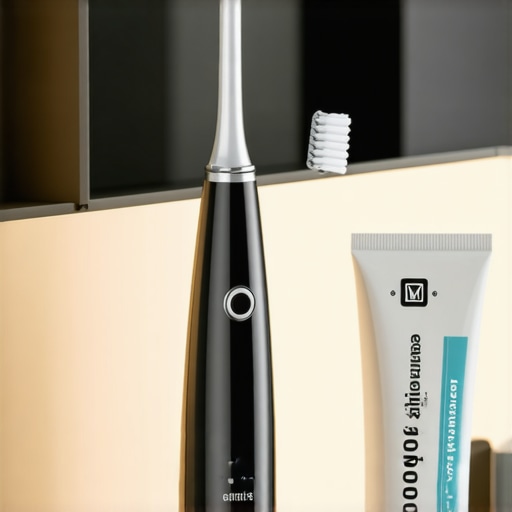
How can I maintain my dental results over the long term?
Maintenance isn’t a one-time event; it’s a biological equilibrium. First, ensure you are how regular teeth cleaning can prevent major dental issues by scheduling professional sessions every six months to clear out what home tools can’t touch. Second, manage the hygiene of your hardware; for example, learning how to clean the stubborn cloudiness off your night guard is vital because a dirty guard will re-innoculate your teeth with bacteria every single night. Finally, lean into modern teeth cleaning innovations that reduce sensitivity and boost results, such as ultrasonic cleaners for aligners or retainers.
Stop Scrubbing and Start Using Targeted Water Pressure
Most people treat their mouth like a flat surface, but it’s 3D. If you’ve ever had a deep cleaning, you know the difference. At home, I suggest using an interdental brush dipped in a little nHAp paste for those tight gaps. This mechanical disruption is the only way to break the ‘scaffold’ of the plaque city.
Salivary Analysis Is the Future of Cosmetic Dentistry
Looking ahead, I predict that within the next five years, we will all have smart toothbrushes that don’t just track time, but analyze the protein content of our saliva. We will be able to see exactly when our mouth becomes too acidic in real-time, allowing us to neutralize it before the ‘fuzz’ even starts. My challenge to you: swap your evening string floss for a water flosser for seven days and pay close attention to the texture of your teeth when you wake up. You’ll never go back.
The Three Hard Truths About Plaque That Changed My Routine
I used to think that a clean mouth was just the result of a ‘hard day’s work’ with a toothbrush, but I was wrong. The first big lesson I learned is that the ‘fuzzy’ feeling is often a sign of irritation, not just debris; if you’re still skeptical, checking out teeth cleaning myths debunked by top dentists was a huge turning point for my mindset. Secondly, I realized that my obsession with whitening was actually making my teeth ‘stickier’ by increasing surface porosity. Finally, I learned that you cannot out-brush a bad environment. If your mouth is dry or acidic, no amount of vibrating bristles will keep the film away. It’s about creating a habitat where bacteria can’t thrive rather than just evicted them once they’ve already moved in.
The Daily Lineup I Swear By for a Mirror-Finish Smile
To keep that professional-level smoothness between visits, I’ve curated a very specific toolkit that moves beyond the basic drug-store aisle. First, I prioritize remineralization over simple cleaning; utilizing the ultimate guide to teeth whitening and cosmetic enhancements helped me find pastes that actually rebuild the surface of the tooth. Next, I never skip the hygiene of my dental appliances. Learning how to stop your invisalign trays from smelling like old saliva was a game-changer for my breath and the overall ‘film’ level in my mouth. Lastly, investing in modern teeth cleaning innovations that reduce sensitivity and boost results, like sonic cleaners and precise water flossers, ensured that even the hardest-to-reach corners stayed glass-smooth.
Take Control of Your Enamel’s Future Tonight
You don’t have to wait for your next dental appointment to feel like your teeth are truly clean. By shifting your focus from ‘scrubbing’ to ‘balancing,’ you can stop the cycle of chronic stickiness and protect your long-term health. It takes about two weeks of consistent, gentle disruption of the biofilm to see a permanent change in how your teeth feel when you wake up in the morning. Focus on maintaining your teeth cleaning routine for long-term health with the right tools and the right angle, and that slippery, clean feeling will become your new normal. Have you ever managed to get that glass-smooth feeling only to have it disappear by lunchtime? Let me know in the comments how you’re planning to change your routine!