
I remember leaning into my magnifying mirror last Tuesday, the kind of morning where the coffee hasn’t kicked in and every tiny flaw feels like a catastrophe. I was checking for stray spinach, but what I saw made my heart drop. The very bottom edges of my front teeth weren’t white anymore. They were almost like frosted glass—translucent, thin, and strangely grayish. I panicked. I spent the next three hours doom-scrolling, convinced my enamel was literally dissolving and I’d need full veneers by the weekend. If you’ve ever felt that jolt of “oh no, my smile is ruined,” you are exactly who I wrote this for.
Why the bottom of your teeth decided to go incognito
I used to think that as long as I didn’t have cavities, I was in the clear. But that translucency—what my dentist calls incisal translucency—is a sneaky signal. It usually means the thick, white enamel that gives your teeth their color has worn thin, letting the more transparent structure underneath take center stage. I made a massive mistake early on by trying to “scrub” the problem away. I bought the most abrasive stuff I could find, but after learning the truth about charcoal toothpaste and your tooth enamel, I realized I was literally sanding down my remaining protection. This transparency isn’t just a cosmetic quirk; it’s a roadmap of everything from the acidic sodas I loved in college to the way I used to aggressively brush when I was stressed. Sometimes, this thinning can even explain why your teeth look blue in certain lighting, as the light bounces differently through the thinned-out edges.
Can you actually save your enamel once it starts thinning?
Many people assume this is a one-way street toward a massive dental bill. I certainly did. I spent nights looking into cosmetic dentistry for discolored teeth and worrying about the cost of a total overhaul. But here’s the reality: while enamel doesn’t grow back, you can absolutely stop the progress and mask the look without a surgical intervention. According to the American Dental Association, enamel erosion is increasingly common due to acidic diets, affecting nearly 30% of adults. It is a hurdle, not a dental death sentence. If you catch it early through regular teeth cleaning and the right habits, you can keep those glass-like edges from turning into full-blown chips. Have you ever caught a glimpse of your smile in the sun and wondered where the white went? You aren’t alone. If you’re struggling with sensitivity alongside the look, you might need to find the best way to whiten your teeth if you have naturally thin enamel so you don’t make the pain worse. We are going to dive into the practical steps to handle this, but first, let’s look at what’s actually happening at a microscopic level.
Stop the erosion before it hits the dentin
To handle those see-through edges, you first have to stop the bleeding—not literally, but chemically. Your enamel is like the clear coat on a car; once it’s scratched or dissolved by acid, the metal underneath is exposed. I spent weeks obsessing over my pH levels after my dentist explained that even ‘healthy’ sparkling water was essentially bathing my teeth in acid.
Switch to a mineral-heavy defense
The first step is moving away from ‘whitening’ pastes that use silica to scrub stains and moving toward remineralizing formulations. These products use ingredients like hydroxyapatite or high-fluoride concentrations to ‘plug’ the microscopic pores in your enamel. I remember the first time I switched; I stopped focusing on the color and started focusing on the strength. Within two weeks, that weird ‘zing’ I felt when breathing in cold air started to fade. If you are struggling with that same discomfort, learning how to stop the sharp pain when you drink room temperature water is your first priority before you even touch a cosmetic fix.
Manage the acidic environment
Think of your mouth as a chemistry lab. Every time you eat, the environment becomes acidic. I used to brush immediately after eating a salad with vinaigrette, thinking I was being proactive. In reality, I was brushing my enamel while it was in a softened state. Now, I wait 30 minutes and rinse with water first. This simple shift prevents you from literally scrubbing away the ‘frosted glass’ edges of your teeth.
Professional fixes that bring back the white
When the thinning is already visible, home care is about maintenance, but the office is where the restoration happens. You need a clean slate before any cosmetic work can be done. I found that modern teeth cleaning innovations that reduce sensitivity and boost results made a massive difference in how my edges looked just by removing the underlying biofilm that made the translucency pop. 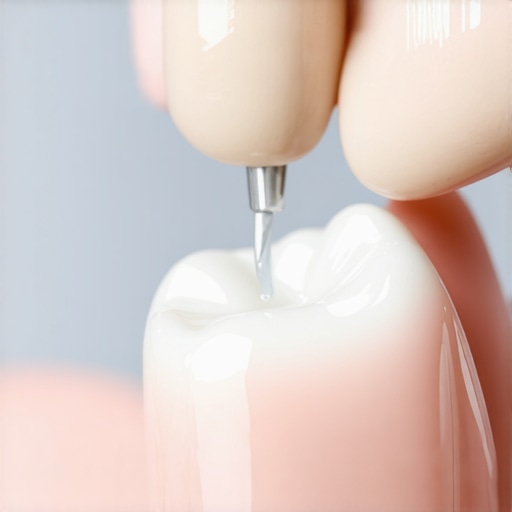
Composite bonding works like a fresh coat of paint
For many of us, the quickest fix is dental bonding. A dentist applies a tooth-colored resin to the back or the very edge of the tooth to add opacity. It’s like putting a piece of white paper behind a piece of glass; suddenly, the glass doesn’t look clear anymore. It looks solid. The tech has come so far that they can now use layers to mimic the way light hits a real tooth, specifically how we match the exact texture of your natural teeth with a porcelain veneer or high-end bonding. I saw a friend get this done after years of grinding, and the ‘gray’ at the bottom of her smile vanished in a single afternoon.
Straight teeth wear down slower
If your teeth look thin because they are hitting each other at the wrong angles, no amount of bonding will last. It’s like a pair of gears that don’t quite line up; they’ll just keep shaving pieces off each other. This is why many people with enamel thinning eventually look into alignment. Deciding between invisalign vs traditional braces which is smarter for your lifestyle isn’t just about straightness; it’s about protecting the edges you have left from further mechanical wear. I realized my own ‘lopsided’ wear was coming from a slight crossbite I had ignored for a decade.I’ve seen so many people double down on whitening strips the moment they notice those ‘frosted glass’ edges, but this is the biggest trap in modern dental care. If your enamel is already thin, traditional peroxide-based whiteners can actually make the translucency more obvious. Think about it: you are stripping away surface debris from a layer that is already becoming a window. In my experience, and as noted in many cosmetic dentistry myths debunked what you really need to know, you cannot bleach your way into having thicker enamel. You’re essentially trying to paint a window white from the inside; it just doesn’t work that way.
Stop trying to whiten your way out of translucent edges
The ‘oops’ factor here is devastating. When you over-whiten thinned enamel, you can end up with a smile that looks unnaturally blue or even more gray because the dark ‘void’ of your mouth shows through the now-ultra-clear teeth. A study published in the Journal of Dentistry highlights that the refractive index of enamel changes significantly as it thins, meaning light no longer bounces off the surface but passes straight through. Instead of reaching for a box of strips, you should be looking at the ultimate guide to teeth whitening and cosmetic enhancements to understand that structural reinforcement—like resin infiltration—is often better than chemical bleaching for this specific issue. 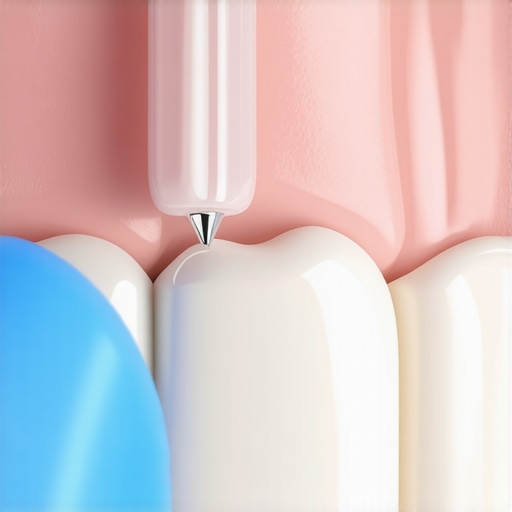
Why your alignment is an insurance policy for your enamel
Many people assume Invisalign is purely about vanity, but if you have a malocclusion (a bad bite), your teeth are effectively sandpapering each other down every time you chew. I learned the hard way that my translucent edges were being ‘shaved’ by my bottom teeth because of a slight misalignment. By moving the teeth into their proper positions, you stop the mechanical trauma. However, don’t panic if you feel a strange sensation during the process.
Why do my teeth feel loose during the second month of Invisalign?
This is the number one question I get from people deep in their transformation. It’s actually a sign of success, not a sign that your teeth are falling out. To move a tooth, the ligaments must temporarily loosen and the bone must remodel. If you are worried about this shifting sensation, reading about why your teeth feel loose during the second month of invisalign will put your mind at ease. It’s a biological necessity, but it’s also why invisalign maintenance expert tips for clear confident smiles are so critical; you need to keep those ‘loose’ areas incredibly clean to avoid inflammation. Have you ever fallen into the trap of over-whitening or ignored a clicking jaw while your teeth got shorter? Let me know in the comments—I’d love to hear how you’re handling your enamel journey.
The tiny tools that do the heavy lifting
After the initial shock of seeing my translucent edges, I realized that good intentions aren’t enough; you need a specific toolkit. I moved away from the standard drugstore toothbrush and invested in a high-frequency ultrasonic cleaner for my aligners and night guards. If you have ever struggled with how to clean the stubborn cloudiness off your night guard, you know that scrubbing with a brush often creates microscopic scratches where bacteria hide. I use a professional-grade ultrasonic pod that uses 42,000Hz sound waves to shake debris loose without touching the material. For my actual teeth, I switched to an electric brush with a pressure sensor. It sounds like a gimmick until you realize that most people with thinning enamel are actually ‘power-brushing’ their way to a dental bill. I also became obsessed with a specific ph-neutralizing mouth spray for after my morning brew, which is the secret to drinking iced coffee with invisalign without staining your teeth or damaging the bond between your attachment and the enamel. 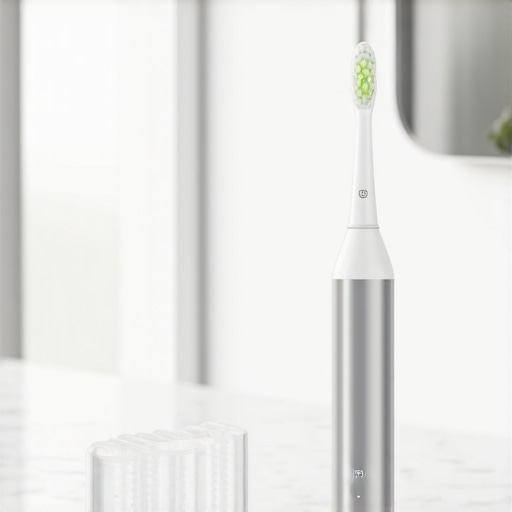
How do I maintain my smile when the treatment officially ends?
The most dangerous day for your teeth is the day your attachments come off. There is a psychological trap where you feel ‘done’ and relax your standards. I keep my results by treating my post-treatment phase as a permanent lifestyle shift. This means maintaining your teeth cleaning routine for long term health with the same intensity as when you had hardware in your mouth. According to Dr. William Proffit in his landmark text Contemporary Orthodontics, teeth have a ‘memory’ of their original position for years, and the physiological remodeling of the alveolar bone doesn’t just stop because you like your new reflection. I wear my retainers every single night, no exceptions. If you are still in the middle of your journey, make sure you are choosing the best invisalign options for your lifestyle that include a long-term retention plan.
What the future of your dental chair looks like
We are entering an era of ‘bio-hacking’ for teeth. I predict that within the next five years, we will see smart-aligners that monitor the pH of your saliva in real-time, sending an alert to your phone the moment your mouth becomes too acidic. We are already seeing invisalign innovations why 2025 is the year for a perfect smile focus on AI-driven tracking that reduces office visits while increasing precision. This isn’t just about straightness anymore; it’s about structural longevity. For those of us with sensitive systems, teeth cleaning for sensitive teeth what works best in 2025 will likely involve more laser-assisted therapy and less mechanical scraping. My advice? Start using a remineralizing paste with Nano-Hydroxyapatite tonight. It is the single most effective way I have found to ‘fill in’ those translucent edges from the comfort of my own bathroom. Don’t wait for your next check-up to start rebuilding what you have left.
The hard truths I learned about my see-through edges
The most important thing I realized is that translucency is a structural issue, not a cleaning one. I spent years trying to scrub away the gray only to realize that the more I brushed, the thinner the window became. I also learned that the reason your teeth look yellow in the mirror but white in sunlight is often due to how thinned-out enamel interacts with different light sources. It wasn’t about staining; it was about transparency.
Another lightbulb moment was understanding the mechanical toll of my bite. Seeing invisalign success stories real patients real transformations made me realize that many people suffer from the same shaved down edges because their teeth aren’t aligned correctly. Fixing the alignment was like putting a shield on my smile. I also stopped rinsing with water immediately after using my remineralizing paste, allowing the minerals to actually sit and work on those porous edges overnight.
My essential toolkit for enamel protection
If you want to move from surviving to thriving with thin enamel, you need a specific set of tools. I personally swear by Nano-Hydroxyapatite toothpaste; it is like liquid enamel in a tube. I also upgraded to a pressure-sensing electric toothbrush because my aggressive manual brushing was my enamel’s worst enemy. To see what is coming next in the world of high-tech care, I have been keeping an eye on enhance your look cosmetic dentistry innovations 2025, which focuses heavily on non-invasive restoration.
#IMAGE_PLACEHOLDER_E#
Take that first step toward a more solid smile
Don’t let the fear of melting enamel keep you from smiling. While we can’t naturally regrow enamel, the combination of modern bonding, smart alignment, and remineralization can give you a smile that feels as strong as it looks. The key is starting today with better habits and a professional who understands your goals. Knowing how to choose a dentist for your invisalign transformation or cosmetic work is the first real step toward that confidence. You deserve a smile that doesn’t feel like a secret.
Have you noticed your teeth looking a bit more clear lately, or have you already tried a remineralizing treatment? Let me know in the comments below!