
I was sitting in my favorite armchair, halfway through a mystery novel, when I reached for my glass of water. It had been sitting on the coaster for an hour. No ice. No condensation. Just plain, lukewarm water. I took a gulp, and then it happened. A sharp, electric shock radiated from my back molar straight to my jawbone. I nearly dropped the glass. I’m not talking about a brain freeze from a milkshake; this was a pointed, aggressive protest from my own mouth. I realized then that my ‘wait and see’ approach to dental health had officially failed. For a long time, I made the classic mistake of thinking that if my gums weren’t bleeding, I was in the clear. I was wrong. If you’ve ever winced while trying to stay hydrated, you know exactly how isolating and frustrating that tiny bolt of lightning can be. Have you ever felt that sudden jolt and wondered if your tooth was literally cracking in half?
Get Rid of the Zing Every Time You Take a Sip
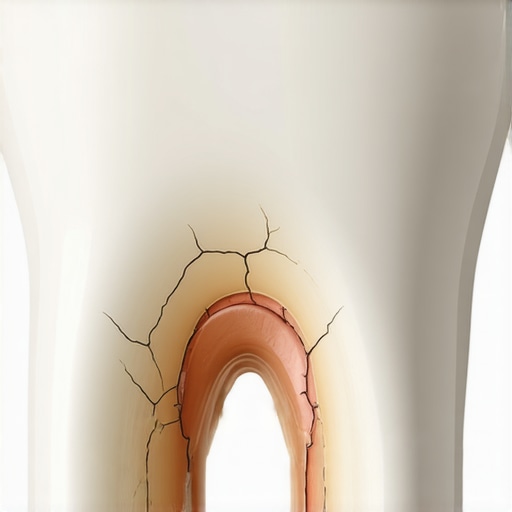
To stop that sharp pain, we have to look at what’s actually happening beneath the surface of your smile. Usually, that jolt is your tooth’s way of screaming that its ‘insulation’ is gone. Think of your enamel like the siding on your house. When it thins out, the nerves—the plumbing and wiring—are exposed to everything. I spent years ignoring the subtle signs, thinking I just had ‘sensitive teeth’ like it was some kind of personality trait. It’s not. It’s often a sign that we need to look closer at teeth cleaning secrets that go beyond just brushing twice a day. Modern dental care has come so far that you shouldn’t have to fear a glass of water. Today, we are going to dive into the exact steps to shield those nerves and finally drink comfortably again. According to the American Dental Association, dentin hypersensitivity affects a significant portion of the population and often stems from gum recession or aggressive brushing habits. It’s a physical problem with a physical solution.
Is This Just Something I Have to Live With Now?
It is easy to get skeptical and think that special toothpastes are just marketing fluff or that your teeth are simply ‘done.’ I used to think my enamel was just naturally thin and there was nothing to be done but avoid cold drinks forever. But then I learned how to handle a sudden sharp pain by addressing the root cause—literally. Whether it is a microscopic fracture or slightly receding gums, the fix is usually much simpler than a full-blown root canal. We’re going to walk through the lifestyle tweaks and professional fixes that actually work, so you can stop treating your water glass like a ticking time bomb. [image_placeholder]
Swap Your Toothpaste Before You Swap Your Diet
The first and most immediate change involves switching to a desensitizing toothpaste. These aren’t just fancy tubes of minty paste; they contain specific compounds like potassium nitrate or stannous fluoride that act as tiny plugs for the microscopic holes in your dentin. Think of your tooth like a sponge with thousands of tiny pipes leading straight to the nerve. When those pipes are open, cold water rushes in and hits the nerve like an ice-cold shower. Desensitizing agents essentially put a cap on those pipes. I remember the first time I tried this; I was skeptical, but after about ten days of consistent use, that ‘zing’ from my morning glass of water started to feel more like a dull hum than a lightning strike. If you are struggling to find the right product, looking into teeth cleaning for sensitive teeth what works best in 2025 can help you navigate the latest options.
Stop Scrubbing Your Enamel Away
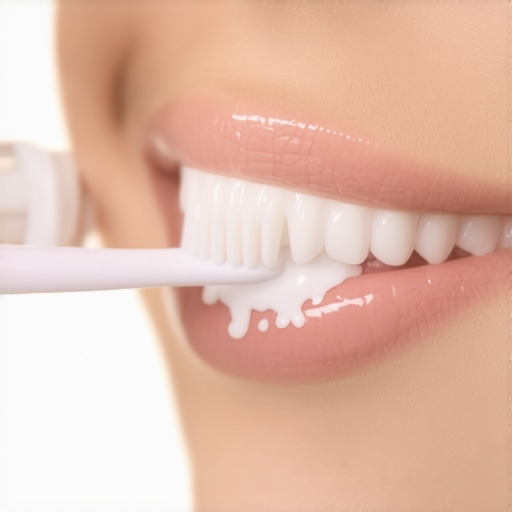
One of the biggest mistakes I made was equating ‘clean’ with ‘scrubbed.’ I used to buy the hardest bristles I could find, thinking I was being thorough. In reality, I was performing a slow-motion demolition of my own enamel. Aggressive brushing, especially with a horizontal ‘sawing’ motion, can actually push your gums back, leading to why your gums are receding on only one side of your mouth. I noticed a small, yellow-ish notch at the base of my molar—this was my dentin showing through. To fix this, switch to a soft-bristled brush or a high-quality electric one that has a pressure sensor. It sounds simple, but retraining your hand to be gentle is a game-changer. Focusing on teeth cleaning tips for a brighter smile this spring can help you transition to a safer, more effective routine without the damage.
Cover the Exposed Pipes with Professional Barriers
Sometimes the enamel is already too thin for toothpaste to handle alone. This is where professional help comes in. Dentists can apply fluoride varnishes or plastic resins to seal off those sensitive areas. It’s like adding a layer of weather-stripping to a drafty door. If your sensitivity is also a cosmetic concern, you might look into the best way to whiten your teeth if you have naturally thin enamel without making the pain worse. In some cases, a small amount of dental bonding can cover a recession-exposed root, providing an immediate shield against temperature changes. This was a revelation for me; a ten-minute procedure stopped a pain I had lived with for six months.
Why Your Jaw Tension is Ruining Your Afternoon
We often forget that sensitivity can be caused by physical trauma from grinding or a misaligned bite. When you clench your teeth, you put immense pressure on the enamel near the gum line, causing it to flex and eventually flake off in microscopic pieces—a process called abfraction. I used to wake up with a dull ache that turned into a sharp spike whenever I drank coffee. It turned out I was grinding my teeth because they weren’t aligned properly. Exploring the ultimate guide to Invisalign for adults in 2025 showed me that straightening my smile wasn’t just about looks; it was about redistributing that pressure. If you are already on that path, you might find that how to manage the intense pressure during the first day of new invisalign trays is a small price to pay for long-term nerve protection.
Stop Falling for the Charcoal Toothpaste Hype
Everyone seems to be jumping on the ‘all-natural’ bandwagon lately, especially when it comes to oral care. In my experience, one of the biggest mistakes people make is swapping their fluoride-rich, desensitizing toothpaste for charcoal-based alternatives. While it looks cool on social media, the truth about charcoal toothpaste and your tooth enamel is that it’s often far too abrasive. It acts like sandpaper, stripping away the very enamel we’re trying to protect. If your teeth are already sensitive, this is like trying to fix a scratch on your car with a wire brush. You might see some temporary surface stain removal, but you’re essentially thinning your ‘insulation’ even further. According to a study published in the Journal of the American Dental Association (JADA), there is insufficient clinical evidence to support the safety and efficacy of charcoal-based products, and many lack the fluoride necessary to remineralize enamel.
Why That ‘Professional’ Whitening Kit at the Mall is a Trap
I’ve seen so many people fall into the trap of thinking all whitening is the same. They avoid the dentist because of the price tag and opt for a kiosk at the mall or a high-strength DIY kit. The ‘oops’ factor here is massive. When you have thin enamel or gum recession, these high-acid whitening gels seep directly into those open pipes I mentioned earlier, leading to what dentists call ‘zingers.’ This isn’t just discomfort; it can lead to actual chemical burns on your gums. If you want a brighter smile without the agony, you need to look into the best way to whiten your teeth if you have naturally thin enamel. Professional supervision ensures that the sensitive areas are protected before the whitening agent is ever applied. It’s the difference between a controlled medical procedure and a risky DIY experiment.
Does Your Tooth Only Hurt When the Temperature Changes?
A sophisticated question I often get is whether sensitivity is always a sign of a cavity. The answer is a nuanced no. If you feel a sharp pain that vanishes the moment you stop drinking something cold, it’s likely dentin hypersensitivity. However, if the ache lingers for minutes after the drink is gone, you might be dealing with pulpitis—inflammation of the tooth’s internal nerve. I’ve seen people ignore this, thinking they just need more desensitizing toothpaste, when in reality, the nerve is struggling to survive. This is why teeth cleaning myths debunked by top dentists often focus on the fact that ‘sensitivity’ isn’t a one-size-fits-all diagnosis. Sometimes, the way your bathroom light hits your smile can even trick you into thinking you have decay when it’s just a shadow, so check the real reason your teeth look yellow in bathroom lighting before you panic.
Pick a Dentist Who Looks Past the Surface
The nuance many people miss is that sensitivity is often a symptom of a mechanical problem, not just a chemical one. If your bite is slightly off, one tooth might be taking the brunt of every chew, causing the enamel to flex and flake. When searching for help, choosing the right dentist expert tips for your best smile journey should include asking if they use 3D imaging to check your bite alignment. Don’t settle for someone who just gives you a sample tube of toothpaste and sends you on your way. You want a pro who investigates the ‘why’ behind the ‘ow.’ Have you ever fallen into the trap of trying a ‘natural’ remedy only to have it backfire on your sensitivity? Let me know in the comments.
The transition from just ‘stopping the pain’ to ‘living pain-free’ requires a shift in the tools you use every single morning. I stopped using manual brushes entirely because I realized I couldn’t trust my own hand pressure when I was in a rush. I eventually switched to a high-end sonic model because it oscillates at a frequency that breaks up biofilm without the mechanical ‘scrubbing’ that ruined my gums in the first place. When you are maintaining your teeth cleaning routine for long-term health, the tech you hold in your hand matters far more than the minutes spent at the sink. I also started using a cordless water flosser. It gets into the gaps where my slightly receding gums used to trap food, and it allows me to use warm water—a total lifesaver for my sensitive spots that used to jump at the touch of cold tap water.
How do I keep my smile pain-free for the long haul?
Consistency is the boring answer, but it is the only one that actually delivers results. I treat my dental health like a gym routine rather than an occasional chore. Beyond the basics, I have found that teeth cleaning secrets how regular care boosts oral health at any age often boil down to professional-grade tools used at home. For example, I use a pH-balancing mouthwash after my morning coffee to neutralize acids before they can eat into my enamel. This prevents that ‘fuzzy’ feeling that often leads to how regular teeth cleaning can prevent major dental issues. According to a 2021 study published in Clinical Oral Investigations, sonic toothbrush technology is particularly adept at reducing gingival inflammation without the abrasive force found in manual brushing. This isn’t just theory; it is why my ‘zings’ have not returned in over two years. 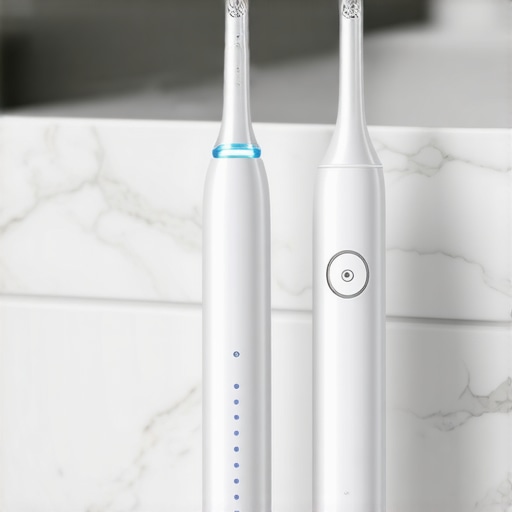
Why Your Phone Might Be Your Next Dental Assistant
We are entering an era where you won’t have to guess if a spot is a cavity or just a surface stain. I predict that within the next few years, AI-driven home scanning will be standard. We are already seeing the beginning of this with invisalign innovations why 2025 is the year for a perfect smile, where specialized apps track your tooth movement progress. Imagine an app that alerts your phone exactly where you are brushing too hard before the enamel damage even starts. If you are already invested in your look, checking out cosmetic dentistry trends that transform smiles beyond expectations can give you a glimpse into these tech-heavy shifts. Even for those focused on invisalign maintenance expert tips for clear confident smiles, the shift is clearly moving toward preventative, data-driven tech that puts the power in your hands.
Make the Switch to Modern Cleaning Tech Today
If you are still using a manual brush and feeling that lingering sensitivity, your first move should be an electric brush with a built-in pressure sensor. It is the single most effective ‘gatekeeper’ for your enamel. When you pair that with modern teeth cleaning innovations that reduce sensitivity and boost results, you are not just fixing a temporary problem; you are building a permanent fortress for your nerves. Have you looked at your toothbrush lately? If the bristles are splayed or flattened, you are pressing way too hard. Swap it out this week for a soft-head electric model and see if those cold drinks finally stop feeling like a threat.
The Hardest Lesson I Learned About Chasing a Pain-Free Smile
For years, I treated my dental health like a series of emergencies rather than a lifestyle choice. The biggest lightbulb moment for me was realizing that those tiny zings were actually early warning systems, not just a fact of life. I learned that proactive maintenance is far less painful and significantly more affordable than reactive repairs. Another realization? You simply cannot scrub your way to a healthy smile. In fact, my obsession with a squeaky clean feeling was actually grinding my enamel down to the nerve. Discovering teeth cleaning secrets how regular care boosts oral health at any age changed my perspective from aggressive cleaning to strategic protection. Finally, the technology you use every morning matters; a basic manual brush was never going to give me the precision I needed to save my receding gums.
Tools That Actually Shield Your Nerves from the Cold
If you are ready to stop the pain, I personally recommend a few specific upgrades to your bathroom counter. First, invest in a high-quality sonic toothbrush with a built-in pressure sensor; it is the only way to ensure you are not doing more harm than good. I also swear by pH-neutralizing mouthwashes which help stop acid erosion before it even begins. If you have been avoiding the brighter smile you want because of the physical agony of traditional methods, look into the best way to whiten your teeth if you have naturally thin enamel so you do not trigger new sensitivity. Lastly, seek out a clinic that prioritizes modern teeth cleaning innovations that reduce sensitivity and boost results like specialized desensitizing agents. These tools are the frontline defense for your smile.
Take Back Your Morning Coffee Without the Fear
You do not have to live in a world where a glass of ice water or a hot cup of coffee feels like a physical threat. By shifting your focus toward gentle, tech-driven care and professional guidance, you can rebuild that protective barrier and enjoy your favorite treats again. The path to maintaining your teeth cleaning routine for long-term health starts with one small change today. Do not let your dentist visits be something you dread—make them part of a journey toward a stronger, more resilient you. Which cold food or drink do you miss most because of your sensitive teeth? Let me know in the comments below!