
Last Tuesday, I woke up feeling like a truck had parked on my face. My nose was stuffed, my head was pounding, and for some reason, my upper molars felt like they were trying to vibrate right out of my gums. I panicked. I immediately started Googling local experts because I was convinced I needed an emergency root canal. But as I sat there, tissues in hand, I realized something: the pain wasn’t just in one tooth—it was the whole upper row. It turns out, I didn’t need a drill; I needed a decongestant and a nap.
If you’ve ever felt that weird, dull throb while fighting off a nasty sniffle, you aren’t alone. Today, we’re going to dive into why your head cold is playing tricks on your nerves and how to tell if you’re actually facing a dental crisis or just a very grumpy sinus cavity.
Your Sinuses Are Crushing Your Roots
The first time I experienced this, I made the classic rookie mistake: I assumed my regular teeth cleaning hadn’t been enough and that decay had finally won. I actually drove to the clinic in a snowstorm, only to have the dentist gently tell me my teeth were fine—my maxillary sinuses were just full. You see, your upper teeth roots sit right next to (and sometimes even poke into) your sinus cavities. When those cavities get inflamed and full of fluid during a cold, they press down on the nerves of your teeth like a heavy weighted blanket. It’s a phenomenon often called ‘sinusitis-induced toothache,’ and it’s remarkably common.
Is this actually a dental emergency?
I get it—it feels like an emergency. According to the American Dental Association, pressure from a sinus infection is one of the leading causes of non-dental tooth pain. But how do you know for sure? One trick I learned the hard way is the ‘jump test.’ If you hop on one foot and your tooth pain spikes, it’s almost certainly your sinuses sloshing around, not a cavity. However, if the pain persists after your cold clears, you might want to look into the truth about why your teeth ache when you have a sinus infection. Have you ever rushed to the dentist only to find out it was just a common cold? Let me know in the comments, because I still feel a little silly about my $200 ‘cold’ bill!
If you’re currently wearing aligners, you might notice even more discomfort right now. I’ve found that why your Invisalign trays feel tighter on some days often comes down to this same inflammation. It’s all connected, and understanding that connection is the first step to finally getting some relief.
Ditch the Dental Dread with These Home Tactics
If your mouth feels like it’s being squeezed in a vice, the first thing to do is stop the panic. Before you book a last-minute appointment, you need to rule out the ‘plumbing.’ Think of your maxillary sinuses as a set of pipes located right above your upper dental arch. When these pipes get backed up with fluid, they swell, and because there is zero extra room in your skull, that pressure is redirected downward into your tooth roots. It is effectively like having a neighbor upstairs who is flooding their bathtub—the damage you feel in your ceiling (your teeth) isn’t because your ceiling is broken; it’s because of the mess above it.
Clear the Pipes to Calm the Nerves
Your first actionable step is to reduce the volume of that ‘flood.’ Use a saline nasal rinse or a high-quality decongestant to move the fluid. If the throbbing in your teeth decreases as your nose begins to clear, you’ve confirmed the source of the pain. I remember one specific February where I was absolutely certain my back molar was dying. I couldn’t even chew a piece of toast without wincing. Instead of calling my dentist, I spent twenty minutes over a bowl of steaming water with a towel over my head. As my sinuses drained, the ‘toothache’ vanished as if it had never existed. If the pain persists even after your airways are clear, you might think you need specialized teeth cleaning for sensitive teeth when you actually just need a decongestant.
Use the Lean Test to Check Your Sinuses
Gravity is the most honest diagnostic tool you own. To perform the ‘Lean Test,’ sit in a chair and slowly drop your head between your knees. Hold it there for ten seconds. If the pressure in your teeth intensifies significantly or starts to throb in rhythm with your heartbeat, that is a classic sign of fluid shifting in the sinus cavity. It’s remarkably similar to the reason your teeth throb after a long run in the cold, where air and pressure change the game. A real dental infection or abscess usually won’t change intensity based on your body position; it will just hurt consistently regardless of whether you are standing or upside down. 
Manage the Extra Pressure of Clear Aligners
If you are currently in the middle of an orthodontic journey, a cold can be a double-whammy of discomfort. The inflammation in your gums from the sinus pressure makes your trays feel like they are two sizes too small. When this happens, do not force the trays or skip days. Instead, focus on anti-inflammatory measures. The struggle is very comparable to learning how to manage the intense pressure during the first day of new Invisalign trays. If your cold is accompanied by a temperature, you might even experience the real reason your teeth feel loose when you have a high fever. This sensation is typically temporary and caused by the ligaments around the teeth reacting to systemic inflammation. Stay hydrated and use a warm compress across your cheekbones to alleviate the direct load on your upper jaw.
Beyond the basics of simple pressure, there is a nuance to dental health that even seasoned patients often miss. Many believe that if a tooth is sensitive to temperature or pressure, the enamel must be compromised. However, I have seen countless cases where a patient is convinced they need a drill, yet their history of teeth cleaning myths debunked by top dentists proves their hygiene is actually spotless. The reality is that your teeth are not isolated islands; they are part of a complex facial ecosystem. When you are congested, the inflammation doesn’t just sit in your nose—it migrates, affecting the way your bite feels and even how your jaw sits.
Stop Blaming Your Enamel for Every Twinge
The most common mistake is assuming that any discomfort requires a restorative fix. In my experience, jumping straight to a filling or a crown during allergy season is a recipe for regret. People often fall into the trap of thinking cosmetic dentistry myths only apply to aesthetics, but the biggest myth is that sensitivity always equals a structural failure. I once had a client who was ready to overhaul her entire smile because of a dull ache, only to realize that her jaw felt tired not from decay, but from the way she was tensing her face to breathe through a stuffy nose. Before you commit to any major changes, you need to ensure you are choosing the right dentist who can differentiate between referred sinus pain and actual pulpal inflammation.
Why does the toothache linger after my congestion is gone?
This is the question that separates the beginners from the experts. Even after your nose stops running, your sinus membranes can remain thickened for weeks. This lingering swelling continues to compress the nerves of your upper teeth. According to a study published in the Journal of the American Dental Association (JADA), referred pain from the maxillary sinus can persist long after the acute infection has passed, often mimicking the symptoms of a cracked tooth. 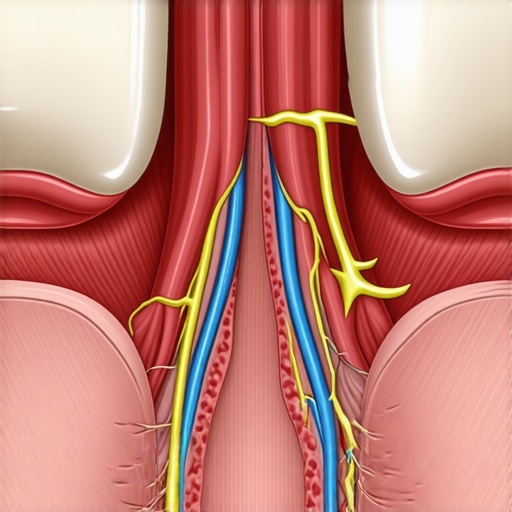 If you are navigating the ultimate guide to Invisalign for adults in 2025, this lingering pressure can be even more confusing because you might think your aligners are failing to fit correctly. In reality, your tissue is just taking its time to return to its baseline state.
Don’t Fall Into the Root Canal Trap
The ultimate ‘oops’ factor is undergoing an invasive procedure like a root canal for a tooth that is fundamentally healthy. I’ve heard horror stories of patients getting work done on three different teeth before realizing the pain was coming from a chronic sinus blockage. Before you sit in the chair, ask for a 3D scan if the pain is localized to the upper arch. This is where modern teeth cleaning innovations that reduce sensitivity can help, as they keep the environment calm while you wait for the inflammation to subside naturally. Have you ever fallen into the trap of thinking a cold was a dental emergency? Let me know in the comments, because sharing these experiences is the best way to help others avoid unnecessary drills!
Once you have confirmed that you aren’t actually in need of an emergency drill, the focus shifts to preventing that phantom pain from returning. The secret to avoiding the panic of ‘sinus or toothache’ is keeping the environment so healthy that there’s no room for doubt. I used to be a manual toothbrush loyalist until I realized I was scrubbing my enamel away like I was trying to clean a grout line in a subway station. Transitioning to a high-end electric brush with a built-in pressure sensor changed everything for me. It’s the difference between guessing and knowing you’re doing it right.
Stop Scrubbing and Let the Sensor Save You
The main reason I recommend the Philips Sonicare series (specifically the 9900 Prestige) isn’t just the vibration—it is the feedback loop. When you press too hard, the light flashes or the vibration changes frequency. This is crucial because over-brushing leads to gum recession, which exposes the very roots that your sinuses love to irritate. If you have ever wondered why your jaw feels like it is vibrating when you use an electric toothbrush, it is usually a sign that the motor is working hard to break up biofilm without requiring you to use brute force. By letting the tech do the heavy lifting, you ensure that you are maintaining your teeth cleaning routine for long-term health without creating new sensitivities.
How do I maintain my smile results for the long haul?
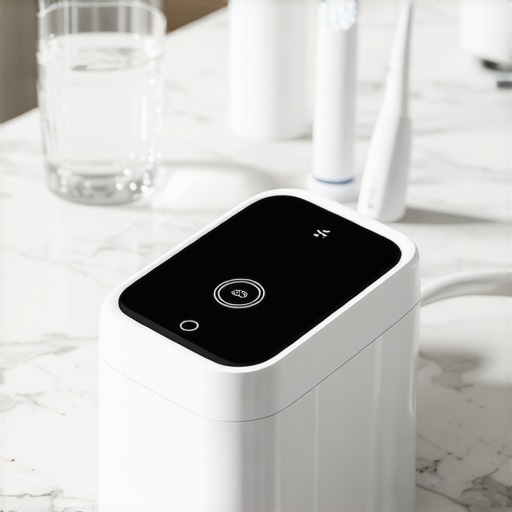
Maintenance is where most people drop the ball, especially during a busy week or a bout of the flu. If you are wearing aligners or retainers, you absolutely need an ultrasonic cleaner. Brushing your trays with a manual toothbrush actually creates microscopic scratches where bacteria hide, leading to that funky scent. I started using a 42,000Hz ultrasonic pod every morning, and it was a revelation. It effectively removes the build-up that makes you search for how to clean the stubborn cloudiness off your night guard or how to stop your Invisalign trays from smelling like plastic. According to orthodontist Dr. Scott Frey, this specific frequency is the gold standard for disrupting bacterial colonies on dental appliances without warping the material. It keeps your hardware as clear as the day you got it, which is the cornerstone of Invisalign maintenance expert tips for clear confident smiles.
The Future of Home Scanning is Already Here
I predict that within the next five years, the ‘wait and see’ approach to dental pain will be extinct. We are already seeing the rise of AI-powered mouthpieces that sync with your phone to track enamel density and gum health in real-time. This trend toward ‘proactive data’ means you will get a notification on your phone saying ‘Sinus pressure detected—don’t panic about your molars’ before you even feel the first throb. We are moving toward modern teeth cleaning innovations that reduce sensitivity by addressing problems before they become painful emergencies. If you want to stay ahead of the curve, my top advice is to invest in an ultrasonic cleaner today. It’s a small tool that yields massive long-term results by keeping your oral ecosystem sterile. Try using it once a day with a dedicated cleaning tablet—you’ll never go back to scrubbing with a toothbrush again.
Lessons My Dentist Shared After My Third False Alarm
The biggest lightbulb moment for me was realizing that my tooth roots are essentially ‘neighbors’ with my sinuses. When the neighborhood floods, everyone feels the pressure. First, I learned that inflammation is systemic—if your nose is angry, your gums will likely follow suit. Second, I realized that regular care boosts oral health at any age, but it won’t stop anatomy from being anatomy. Sometimes your roots are just long, and that’s okay. Finally, I stopped panicking the second I felt a twinge. If it’s on both sides and only the top teeth, it’s almost always the cold, not a sudden outbreak of decay.
The Gear That Actually Makes a Difference
I’ve tested dozens of products, but only a few have earned a permanent spot on my bathroom counter. I swear by my ultrasonic cleaner; it’s the only way to ensure I’m not putting bacteria-laden plastic back into an already inflamed mouth. I also recommend looking into modern teeth cleaning innovations that reduce sensitivity, especially if you have thin enamel that reacts to every breeze. For those of you navigating a new smile, how to choose a dentist for your Invisalign transformation is just as important as the tools you use at home—you need an expert who listens when you say ‘it hurts right here.’ #IMAGE_PLACE_HOLDER_E#
Step Into a Pain-Free Future
You don’t have to be a victim of your own anatomy every time the seasons change. By staying hydrated, using the right tech, and keeping a cool head, you can navigate even the worst head cold without fearing the drill. Keep an eye on cosmetic dentistry trends that transform smiles today to see how far we’ve come in making dental care more comfortable than ever. Your smile is an investment, so treat it with the patience it deserves. Have you ever been convinced you had a cavity only for it to disappear once your sniffles cleared up? Let me know in the comments!