
I remember pacing my bathroom at 3 AM last February, convinced I needed a miracle or a pair of pliers. Every time my heart beat, my upper left molars gave a sympathetic, painful throb that made me want to crawl into a hole. I had been fighting a nasty head cold for a week, but this toothache felt personal. I was certain my enamel had finally given up the ghost. In a fit of late-night panic, I even started researching the truth about sensitive toothpaste and how long it takes to work, thinking I could simply brush the agony away. It was a classic rookie mistake. I was treating the symptom, not the source. I didn’t realize that my own anatomy was playing a cruel trick on my nerves. Today, I am going to pull back the curtain on why your face feels like it is under pressure and how to tell if you actually need a dental appointment or just a very long nap and a decongestant.
Why Your Upper Jaw Feels Like It Is Under Siege
If you have ever felt that heavy, rhythmic pounding in your smile while dealing with a stuffy nose, you are not losing your mind. The reality is that your maxillary sinuses are the largest cavities in your face, and they happen to live right next door to your tooth roots. When you are sick, these cavities fill with fluid and become inflamed, pressing directly down on the nerves of your upper teeth. I learned this the hard way after nearly scheduling an emergency root canal for what turned out to be a simple case of seasonal allergies. It is why you might notice why your teeth hurt when you run in the cold; the temperature change and the pressure in your head create a perfect storm of discomfort. [image-placeholder] According to the American Academy of Otolaryngology, the floor of the maxillary sinus is so thin that it is often separated from the roots of your teeth by only a paper-thin layer of bone or a delicate membrane. This proximity means your teeth are essentially the first to know when your sinuses are angry. While how regular teeth cleaning can prevent major dental issues is usually my go-to advice for any oral pain, even the cleanest teeth can throb when your sinuses are full of fluid.
Is this just a clever excuse to avoid the dentist?
You might be skeptical. I certainly was. I thought the ‘sinus’ explanation was just something people said to avoid a scary drill. However, the difference between a true cavity and sinus pressure is usually found in the movement. If your pain gets worse when you bend over to tie your shoes or jump in place, it is almost certainly your sinuses. A dental infection usually does not care about gravity. I wasted so much time and money on home remedies before I realized that the reason your teeth ache when you have a cold is a structural issue, not a hygiene one. Have you ever been absolutely convinced you had a cavity, only to have the pain vanish the moment your nose cleared up? I would love to hear your stories about that weird ‘phantom’ tooth pain in the comments below, because we have all been there.
Pinpoint the Source of the Throb Before You Panic
To figure out if you are dealing with a localized tooth infection or a clogged head, you need to act like a bit of a dental detective in your own bathroom. When my face felt like it was in a vice grip last year, I spent far too much time Googling symptoms instead of performing simple diagnostic tests that could have saved me hours of anxiety.
Try the Gravity Test for Immediate Feedback
Stand up straight, then slowly bend over at the waist as if you are trying to touch your toes. If the pain in your upper molars suddenly intensifies, pulses harder, or feels like a bowling ball is rolling toward your forehead, your sinuses are almost certainly the culprit. This happens because the shift in fluid increases the internal pressure on those sensitive dental nerves that sit just millimeters away from your sinus floor. When I was in the middle of my own 3 AM crisis, I tried this and nearly tipped over because the rhythmic throbbing became so heavy. It is a stark contrast to a dental cavity, which usually remains constant regardless of whether you are standing or hanging upside down.
Apply a Targeted Temperature Test
Another way to differentiate is by using the cold water test for identifying a hidden cavity at home. Sip a glass of ice-cold water and let it hit the area that hurts. If a specific tooth screams in sharp, localized pain that lingers for more than thirty seconds after you swallow, you likely have an enamel issue or a deep cavity. However, if the cold feels somewhat soothing or the ache is generalized across all your upper teeth rather than one single spot, your sinuses are likely just crowded. 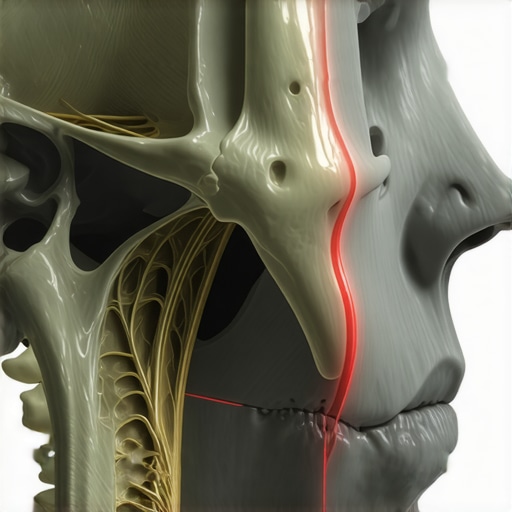
Flush the Pressure Out of Your Face
Once you have confirmed it is likely sinus-related, the goal is to reduce the swelling and open the pathways. Think of your sinuses like a crowded elevator. When everyone is packed in due to inflammation, people start stepping on toes—those ‘toes’ being your tooth roots. Steam and hydration act like the elevator door opening, letting the pressure out.
Soothe Your Gums While You Wait
Even if the root cause is in your sinuses, your gum tissue can feel tender and ‘angry’ from the surrounding inflammation. You can use the salt water trick for shrinking a painful gum boil at home to ease general mouth discomfort. It is not just for infections; warm salt water helps draw out excess fluid from the surrounding tissues through osmosis, giving those compressed nerves some much-needed breathing room.
Distinguish Sinus Pressure from Aligner Adjustments
For those currently undergoing orthodontic treatment, the sensations can be even more confusing. I remember a weekend where I could not tell if my face hurt because of a brewing cold or because I had just swapped to a new set of clear aligners. Learning how to manage the intense pressure during the first day of new invisalign trays is crucial so you do not mistake a tight tray for a sinus infection. Aligner pain is usually a sharp ‘tightness’ on the teeth themselves, whereas sinus pain is a dull ‘fullness’ deep in the cheekbones and upper jaw.
Know When It Is Actually a Dental Emergency
If the pressure does not let up after your nose clears, or if your symptoms begin to shift, it is time to stop the home diagnostics. Sometimes, chronic sinus issues can mask the fact that you actually need professional help for a failing filling or a crack. I have found that teeth cleaning secrets how regular care boosts oral health at any age often involve identifying these subtle differences before they turn into major problems. If you see a physical bump on your gums, if a tooth feels loose, or if the pain is triggered specifically by heat, you are no longer in sinus territory and need a chairside exam. Ultimately, how regular teeth cleaning can prevent major dental issues is by giving your dentist a chance to see what is happening under the surface with digital tools, ensuring that your next head cold does not result in an unnecessary root canal.Let’s dig deeper into the stuff most people overlook because they’re too busy worrying about the immediate pain. One of the biggest myths I hear is that professional cleanings are ‘too abrasive’ and that you should skip them if your teeth already feel sensitive or thin. In reality, skipping that chair time is what leads to the ‘furry’ sensation returning faster than a bad habit. I used to think my teeth were just ‘texture-prone,’ but then I learned the reason your teeth feel furry only hours after a professional cleaning has everything to do with how biofilm attaches to microscopic rough spots. A professional touch isn’t just about removing surface stains; it’s about creating a surface so slick that bacteria literally cannot find a handhold. It’s why why your teeth feel like polished glass after a professional prophy cleaning isn’t just a marketing slogan—it is a critical biological defense mechanism. 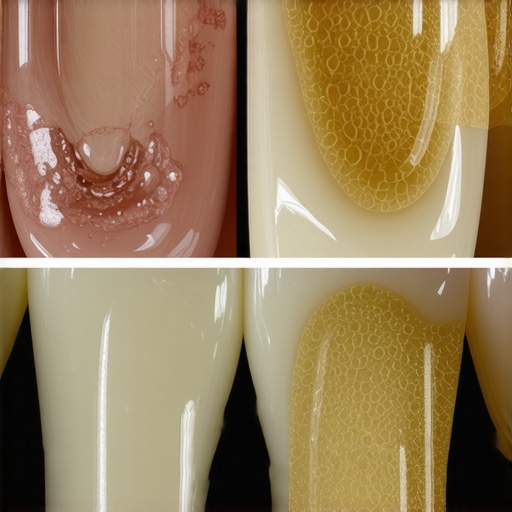 A study published in the Journal of Clinical Periodontology confirms that the smoother the enamel surface, the significantly slower the recolonization of pathogenic bacteria. If you are skipping cleanings to ‘save’ your enamel, you are actually leaving the door wide open for the very decay and sensitivity you are afraid of.
The danger of over-cleaning during a sinus flare-up
Here is the specific trap to avoid: many people try to overcompensate for that dull sinus ache or ‘furry’ feeling by reaching for charcoal pastes or heavy-duty whitening strips. This is a massive ‘oops’ moment. If you use these abrasive or chemical-heavy products while your gums and nerves are already inflamed from a cold, you are essentially sanding down your primary defense system while it is at its weakest. It is much smarter to look into teeth cleaning for sensitive teeth what works best in 2025 than to attempt to DIY your way into a permanent sensitivity problem.
How do you tell if your aligners are moving teeth or just aggravating your sinuses?
This is a nuanced question for anyone currently in clear aligner treatment. If you are in the middle of a smile transformation, you might panic when a tooth feels slightly mobile during a heavy sinus flare-up. You must understand why your teeth feel loose during your invisalign treatment; it is a controlled biological process called bone remodeling. However, if that looseness is accompanied by a foul taste in the mouth or a localized ‘pounding’ that does not change when you move your head, you have crossed the line from orthodontic progress into an actual dental infection. Have you ever fallen into the trap of blaming your dentist for pain that turned out to be just a stubborn head cold? Let me know in the comments, because distinguishing between a sinus ‘phantom’ and a real cavity is a skill every veteran tooth-owner should have.Maintaining that ‘day-one’ dental office feeling isn’t about luck; it’s about the specific hardware you keep in your medicine cabinet. I transitioned from a manual brush to a high-frequency sonic one three years ago, and the difference in my gum health was immediate. However, the real game-changer for me was the introduction of a specialized water flosser. If you’ve ever struggled with how to stop your gums from bleeding when you use a water flosser, you know that the pressure setting is everything. I personally start at a level three and work up to a seven once my tissue is desensitized. This isn’t just about dislodging food; it’s about disrupting the sub-gingival biofilm that even the best toothbrush misses.
Stop the Biofilm Before It Hardens
My personal routine revolves around a concept I call ‘pH management.’ Dr. Gordon Christensen, a leading figure in clinical dentistry, suggests that the longevity of any dental work—be it the ultimate guide to teeth whitening and cosmetic enhancements or a simple filling—relies on a neutral oral environment. I use a xylitol-based rinse after every meal to neutralize acids instantly. This prevents the ‘fuzzy’ feeling from turning into hard tartar. If you are serious about maintaining your teeth cleaning routine for long term health, you have to look beyond just the 2 minutes of brushing.
Hardware That Actually Earns Its Counter Space
We are entering an era of ‘Smart Dentistry.’ I predict that by 2026, we will see consumer-grade cameras integrated into toothbrushes that use AI to identify early-stage demineralization before it even requires a filling. For now, I rely on a high-quality ultrasonic cleaner for my retainers. If you’ve struggled with how to get the coffee stains out of your invisalign attachments, you know that manual scrubbing isn’t enough. An ultrasonic bath uses cavitation bubbles to pull pigments out of the porous material. #IMAGE_PLACE_HOLDER_D# It’s one of those modern teeth cleaning innovations that reduce sensitivity and boost results by keeping your hardware sterile without abrasive chemicals. I’ve also replaced my standard paste with one containing nano-hydroxyapatite. These teeth cleaning tips for a brighter smile this spring focus on remineralization rather than just scrubbing, mimicking the way professional prophy pastes interact with your enamel.
How do I maintain my results over the long haul?
The answer is consistency and knowing when to pivot. For those in the middle of a smile transformation, invisalign maintenance expert tips for clear confident smiles often boil down to the ’22-hour rule.’ If you find yourself slipping, how to get your clear aligners back in after a long dinner involves a quick saltwater rinse to soothe any minor gum swelling before re-seating the tray. My best advice? Treat your teeth like a luxury car. You wouldn’t skip an oil change and expect the engine to last; don’t skip your how regular teeth cleaning can prevent major dental issues visits. Give the ultrasonic cleaner a try tonight—it’s the single best investment I’ve made for my oral hardware.
What My Dentist Finally Told Me About Sinus Phantoms
The biggest lightbulb moment for me was realizing that sinus-induced tooth pain isn’t a dental failure; it’s a geographical one. After years of panic, I learned that the anatomy of the maxillary sinus is so intertwined with your upper molars that the nerves can’t always distinguish between a clogged airway and a decaying root. One expert tip that changed my life: if you can pinpoint the pain to a single tooth with your tongue, it is likely dental. If the pain feels like it’s ‘drifting’ across three or four teeth, it is almost certainly your sinuses. I also discovered that keeping the air humidified at night reduces the drying effect on my gums, which often mimics sensitivity. Lastly, never underestimate the power of posture; sleeping with an extra pillow to keep your head elevated can prevent that 3 AM throb from becoming unbearable.
The Hardware That Saved My Sanity
When it comes to maintaining a healthy environment that resists both bacteria and inflammation, I’ve curated a specific toolkit. First, I moved away from abrasive charcoal and embraced teeth cleaning for sensitive teeth what works best in 2025, which focuses on calming the nerves rather than just scrubbing them. I also rely heavily on modern teeth cleaning innovations that reduce sensitivity and boost results, specifically sonic brushes that use fluid dynamics to clean where bristles can’t reach. For my evening routine, I’ve swapped traditional floss for a high-end water flosser paired with a pH-neutralizing rinse to ensure my enamel stays strong even when I’m dealing with a cold. Finally, I keep a log of my ‘smile feels’ in a health app; tracking when my teeth throb in relation to the local pollen count has saved me from at least three unnecessary dental appointments. [image-placeholder]
Take Control of Your Smile Journey
Don’t let the fear of a mystery ache keep you from the bright, healthy smile you deserve. Whether you are looking into the ultimate guide to teeth whitening and cosmetic enhancements or just trying to survive allergy season, the key is understanding your body’s signals. By maintaining your teeth cleaning routine for long term health, you build a baseline of wellness that makes it easy to spot when something is actually wrong. You have the tools, the tests, and the knowledge now—so take a deep breath, clear those sinuses, and keep that smile shining. Have you ever been absolutely convinced you had a cavity, only to have the pain vanish the moment your nose cleared up? Let me know your stories in the comments below!