
I was sitting in my kitchen, minding my own business with a slice of sourdough toast, when I felt it. That sickening, subtle shift. My front tooth didn’t just hurt; it moved. My heart did a slow-motion somersault into my stomach. I immediately did the one thing you should never do: I started poking it with my tongue to ‘test’ the damage. It is a visceral, primal kind of panic when a part of your skeleton decides to go rogue. You start imagining yourself with a gaping hole in your smile, whistling when you talk, and wondering how much your savings account is about to bleed. But here is the good news: I didn’t lose the tooth, and you don’t have to either. Today, I am going to walk you through exactly how to stabilize that tooth and keep it firmly in your mouth until you can get into a professional chair. We are going to talk about the ‘hands-off’ rule, the foods that are currently your worst enemies, and the simple home hacks that actually work to keep things quiet.
Stop Wiggling It and Read This Instead
I made the mistake of becoming obsessed with the wiggle. I checked it in the mirror every ten minutes, which only served to irritate the periodontal ligament even further. If you are currently dealing with a tooth that was knocked loose but not out, the first rule of survival is absolute stillness. Your tooth is held in place by tiny, sensitive fibers, and every time you ‘check’ it, you are snapping those fibers like old rubber bands. According to the American Association of Endodontists, even a severely luxated tooth has a high chance of survival if the blood supply and ligaments are kept stable. This isn’t just about pain; it’s about giving your body a chance to knit itself back together. While you’re waiting for your appointment, you need to treat your mouth like a construction zone. This means no crunchy chips, no sticky candies, and definitely no ‘testing’ the strength of your bite. I’ve seen people try to use over-the-counter glues or weird DIY fixes, but honestly, finding a dentist who understands the urgency is the only permanent solution. Have you ever felt that terrifying ‘click’ in your mouth while eating dinner?
Is it even possible to save a tooth that wiggles this much?
You might be skeptical. I certainly was. I thought once a permanent tooth started moving, it was a goner. But unless the root is completely fractured, your dentist has some pretty incredible tricks up their sleeve, like dental splinting. If the looseness is caused by something like Invisalign treatment, it might even be a normal part of the process. However, if it’s from an injury or sudden gum inflammation, you need to act fast. One thing I found incredibly helpful was using a gentle salt water rinse to keep the area clean without the harsh scrubbing of a toothbrush. It keeps the bacteria down so your gums don’t swell up and push the tooth out further. We’re going to dive into the specific ‘splint-at-home’ myths and the real-world steps to take in the next few minutes.
Stabilize the Situation Right Now
The very first thing you need to do—before you even pick up the phone—is to declare a total ‘No-Fly Zone’ in your mouth. Think of your loose tooth like a broken leg; you wouldn’t try to run a marathon on a fractured tibia, so don’t try to chew a sandwich with a compromised ligament. When I was dealing with my own loose incisor, I spent the first hour accidentally flicking it with my tongue. It felt like a loose floorboard that you just have to step on. But every flick was actually tearing the microscopic fibers trying to re-attach. You have to treat that tooth like it is held on by a single thread of spider silk. The goal is zero movement. If the tooth is physically displaced or tilted, do not—under any circumstances—try to push it back into place yourself. You risk snapping the blood vessels at the root tip, which turns a ‘saveable’ tooth into a ‘root canal’ tooth very quickly.
Treat Your Tooth Like a Freshly Poured Sidewalk
When builders pour a new concrete sidewalk, they put up those little orange cones for a reason. Your gums and ligaments are currently in that ‘wet cement’ phase. To help them cure, you need to reduce inflammation immediately. I found that a luke-warm salt water trick was the only thing that stopped the throbbing long enough for me to think straight. Salt draws out the excess fluid in the gums that actually ‘pushes’ the tooth out of its socket. By reducing that swelling, you’re allowing the tooth to settle back into its natural home. During this time, your hygiene routine has to change. You cannot use an electric toothbrush on that zone. Instead, look into modern teeth cleaning innovations that reduce sensitivity and boost results to understand how professionals keep high-risk areas clean without mechanical trauma. 
Swap Your Diet Before You Snap a Root
I remember trying to eat a piece of ‘soft’ sourdough bread during my scare. I thought, ‘It’s just bread, it’s fine.’ I was wrong. The crust had just enough resistance to create a lever effect on my front tooth. I felt a sharp ‘zip’ of pain and realized that even ‘soft’ foods can be dangerous if they require any biting or tearing motion. For the next 48 hours, you are on a liquid and mash-only diet. Think smoothies, lukewarm soups, and yogurt. If you’re worried about long-term maintenance while your mouth is in this fragile state, check out maintaining your teeth cleaning routine for long-term health to see how to pivot your habits without losing ground on your oral health.
Why Your Front Teeth Feel Loose During Treatment
Sometimes, the wiggle isn’t from a face-plant on the pavement; it’s intentional. If you are currently wearing aligners, you might notice the truth about why your front teeth feel loose on invisalign tray swap days. In this specific context, the ‘wiggle’ is actually your bone remodeling itself. However, if you aren’t in braces and that tooth is moving, you need a professional to look at the ‘cables’ holding it in. A dentist can perform a ‘periodontal splint,’ which is basically like a tiny, invisible permanent retainer that bonds the loose tooth to its stable neighbors. This takes the ‘load’ off the loose tooth so it can heal. While you’re waiting for that appointment, avoid any DIY splinting with wax or glue. I’ve seen horror stories of people accidentally gluing their gums, which leads to massive infections. Instead, focus on finding choosing the right dentist expert tips for your best smile journey to ensure you get a pro who can handle emergency stabilization without making the situation worse.
Why Silent Dental Trauma Is Often More Dangerous Than Pain
I’ve talked to so many people who think that if a tooth isn’t physically knocked out of the socket, they’ve dodged a bullet. That is probably the biggest ‘oops’ factor in dental trauma. In my experience, the ‘quiet’ injuries are often the most dangerous. People assume that once the initial throbbing fades, the tooth is healing. But silence in your mouth doesn’t always mean health; sometimes, it means the nerve has simply given up. This is where teeth cleaning myths debunked by top dentists comes into play—regular maintenance isn’t just about polish; it’s about early detection of these silent failures. Most patients believe that if their bite feels ‘mostly’ okay, they can skip the emergency visit, but they’re ignoring the micro-fractures that only a pro can spot. You might also find that cosmetic dentistry myths debunked sheds light on why ‘looking fine’ isn’t the same as ‘being fine’ after an impact.
Can my tooth survive if it’s already turned a different color?
This is the question that keeps people up at night. If you notice a dull gray or dark yellow tint creeping in, don’t panic yet. You need to understand why your teeth look gray after a traumatic injury even if they dont hurt. It’s essentially an internal bruise. While some teeth can ‘re-vitalize’ and return to their normal shade, many require an internal bleaching or a root canal to prevent the infection from spreading to the jawbone. According to a study published in the Journal of Endodontics, the success rate of saving a traumatized tooth drops significantly after the 48-hour mark if the blood supply is compromised. If you’re waiting for it to ‘just get better,’ you’re playing a high-stakes game with your smile.
The Critical Difference Between 2D and 3D Imaging
One of the hidden nuances of modern dentistry is the move toward high-resolution diagnostics. If your dentist is only using those little bitewing X-rays that you bite down on, they might be missing the full picture. I always recommend asking what a 3d cbct scan reveals about your jaw health that standard x-rays cant. These scans allow us to see the tooth from every possible angle, ensuring there isn’t a vertical root fracture hiding in the ‘blind spots’ of a 2D image. It’s the difference between looking at a map and actually standing in the middle of the street. 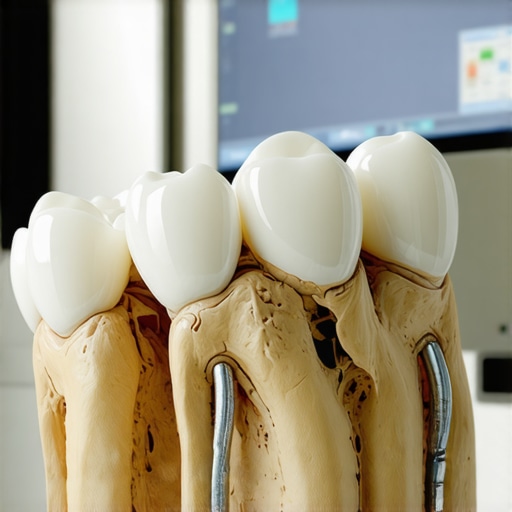
Finally, don’t let the fear of costs or procedures stop you from choosing the right dentist expert tips for your best smile journey. A minor stabilization today is infinitely cheaper and less painful than a dental implant three months from now. Have you ever fallen into the trap of ‘testing’ a loose tooth with your tongue until it hurt? Or maybe you ignored a slight wiggle until it became a major problem? Let me know in the comments below.
The Specific Tools I Use to Prevent Another Loose Tooth Scare
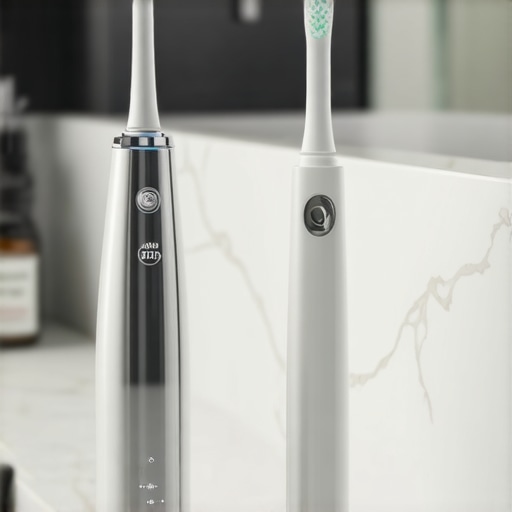
After that initial panic of feeling my front tooth wiggle, I realized that my old ‘brush and pray’ method simply wasn’t going to cut it anymore. If you want to keep your teeth in your head for the long haul, you have to upgrade your arsenal. I personally swapped my standard manual brush for an ultra-sonic model with a pressure sensor. Why? Because most of us brush like we’re trying to scrub a stain out of a rug, which actually causes the gum recession that leads to looseness. To get the best results, you need to look into modern teeth cleaning innovations that reduce sensitivity and boost results. I also started using a water flosser every single night. Unlike traditional floss, which can sometimes be too aggressive on a healing ligament, a water flosser uses pulsating pressure to clear the debris without mechanical trauma. It is one of those teeth cleaning secrets how regular care boosts oral health at any age that people often overlook until they have an emergency.
How do I maintain a stable smile over time?
Consistency is the only real ‘secret weapon’ in dentistry. You can’t make up for six months of neglect with one aggressive cleaning session right before your appointment. Maintenance involves creating a bio-friendly environment where your gums are tight and your bone is dense. If you are currently navigating alignment issues, following invisalign maintenance expert tips for clear confident smiles is non-negotiable. This isn’t just about keeping the plastic clear; it’s about ensuring the underlying bone remains healthy during the transition. According to Dr. Gordon Christensen of Clinicians Report, the long-term success of any dental intervention—whether it’s a splint, a crown, or a loose tooth recovery—depends entirely on the patient’s ability to manage the ‘biofilm’ (that sticky layer of bacteria) daily. If you let that film sit, it creates inflammation that eats away at the very bone holding your tooth in place. This is exactly how regular teeth cleaning can prevent major dental issues before they require expensive surgery.
Stop Relying on Luck and Start Using Data
I predict that by the end of 2025, we will see a massive shift toward ‘biological monitoring’ in home dental care. We are moving away from just cleaning and toward actually measuring the health of our oral microbiome. In the future, your toothbrush might even alert you to high levels of inflammation before you ever feel a wiggle. Until then, you have to be your own advocate. Don’t wait for a tooth to feel like a loose floorboard before you take it seriously. If you’ve had a scare like I did, you need to understand that your ‘new normal’ involves higher vigilance. This means staying on top of maintaining your teeth cleaning routine for long-term health and visiting a professional who uses modern diagnostics. My advanced tip for you today: buy a high-quality water flosser and use it on the ‘pulse’ setting for two minutes every night for two weeks. You will be shocked at how much firmer your gums feel. If you are ready to get professional eyes on your situation, start by choosing the right dentist expert tips for your best smile journey to find someone who prioritizes prevention over tooth-pulling.
The Toughest Lesson That Sourdough Toast Taught Me
I learned that the brain often lies to you during a dental crisis. When my tooth first felt loose, I was convinced it was hanging by a thread, but the X-rays later showed it had barely shifted. The panic makes every millimeter feel like a mile. One of the most critical realizations I had was that dental ligaments require physical rest just like a sprained ankle; you wouldn’t run a marathon on a torn tendon, so you shouldn’t ‘test’ a loose tooth with a sandwich. I also discovered that your saliva is a natural superhero, filled with minerals that aid in the recovery of the attachment fibers, provided you keep the area clean and undisturbed.
The Recovery Kit I Now Keep in My Medicine Cabinet
I swear by these three specific items now to maintain my oral health. First, a high-quality water flosser is essential, but you have to learn how to stop your gums from bleeding when you use a water flosser so you don’t cause more trauma to the site. Second, I look for modern teeth cleaning innovations that reduce sensitivity and boost results to keep the gumline healthy without aggressive scrubbing. Finally, I rely on the truth about sensitive toothpaste and how long it takes to work to manage the post-injury zingers. These tools are the foundation of teeth cleaning secrets how regular care boosts oral health at any age and have kept my smile stable ever since my scare. #IMAGE_PLACEHOLDER_E#
You Can Definitely Keep Your Natural Smile
It is easy to spiral into ‘what-if’ scenarios involving expensive implants and permanent gaps. However, modern dentistry is incredibly resilient. If you take the right steps today—starting with absolute stillness and professional intervention—your loose tooth can become a distant memory rather than a permanent loss. By choosing the right dentist expert tips for your best smile journey, you are not just fixing a single tooth; you are reclaiming your confidence. Don’t let a temporary wiggle turn into a permanent problem. Have you ever felt a sudden ‘click’ or wiggle while eating something unexpectedly crunchy? Tell me your story in the comments below.