
It was mid-January, the kind of day where the air feels like it is trying to bite you back. I wrapped my favorite thick wool scarf three times around my neck, pulling it tight against my jaw to keep the chill at bay. Then, it happened. A sharp, stinging throb shot through my molars. It wasn’t because I was sipping a hot latte or biting into a cold snack. It was just the scarf. I felt like a total amateur, wondering why my winter gear was suddenly attacking my dental work. It turns out, I made a classic mistake. I assumed that because the pain was in my teeth, the problem was only in my teeth. In reality, I was experiencing a strange mix of muscle pressure and referred sensitivity that many of us ignore until it is too late. Today, we are going to dive into why that cozy high collar is triggering your nerves and how we can stop that ‘winter zing’ for good. Have you ever felt that strange, localized pressure-ache while you were bundled up for the elements?
The Physical Link Between Your Neck Layers and Your Molars
When you bulk up with a heavy scarf or a stiff high-collared coat, you are unknowingly changing the way you carry your jaw. I spent years thinking my enamel was just naturally thin, but the real culprit was often the way my winter clothes forced my jaw into a slight, constant clench. This mechanical pressure can irritate the trigeminal nerve, which is the main highway for sensation in your face and mouth. According to the American Dental Association, referred pain is incredibly common in the craniofacial region, where a problem in the neck or jaw muscles manifests as a literal toothache. If you are already dealing with teeth cleaning for sensitive teeth issues, that extra pressure from a scarf acts like a megaphone for existing discomfort. It is similar to the reason your teeth throb after a long run in the cold; your body is reacting to external stressors in the most sensitive place it knows. I remember one specific winter where I actually scheduled an emergency appointment because I was convinced a filling had cracked, only for my dentist to tell me to loosen my coat. Talk about an embarrassing moment.
Are these phantom aches really just all in my head?
It is easy to get skeptical. You might think a piece of fabric couldn’t possibly cause enough force to make a tooth hurt. But your jaw is a finely tuned instrument. Even a slight shift caused by a heavy wool collar can trigger the muscles to tighten, leading to a dull, radiating pain. If you already have a history of needing to stop the sharp pain when you drink room temperature water, your nerves are already on high alert. We are going to look at the practical ways to adjust your winter wardrobe and your habits so you can stay warm without the toothy side effects.
Loosen the Grip of Your Winter Layers
To stop the ‘winter zing,’ start with the two-finger rule. When you wrap your scarf, slide two fingers between the fabric and your jawline. If the material feels like a tight bandage, your jaw will instinctively jut forward or clamp down to find a comfortable position. This subconscious shifting is exactly why your jaw feels tired after a long dental cleaning or any other prolonged period of facial tension. Last February, I spent a weekend in Chicago bundled in a heavy, high-collared parka that pushed my chin upward for hours. By Sunday night, my lower molars were pulsing so hard I was convinced I had an abscess. I spent the whole flight home searching for emergency clinics until I realized that simply unzipping the jacket relieved the pressure. The fabric was acting like a physical brake on my facial muscles, radiating stress directly into my nerves. 
Master the Tongue to Palate Relaxation Technique
One of the most effective ways to counteract the ‘scarf clench’ is a simple dental hack used by athletes and singers. Lightly place the tip of your tongue against the roof of your mouth, just behind your front teeth, but without touching them. This ‘N-position’ makes it physically impossible to grind your teeth or clench your jaw while you walk. Think of it as a reset button for your facial nerves. It is a similar sensation to how to manage the intense pressure during the first day of new invisalign trays; you are training your mouth to find a neutral, low-stress state despite the external forces. If you find yourself tensing up against the wind, consciously perform this check every few blocks to keep the blood flowing and the nerves calm.
Differentiate Between Habit and Real Damage
It is important to recognize if your ‘winter toothache’ is just a reaction to your coat or a sign that your enamel needs help. When cold air hits a tooth with thin enamel or recession, the pain is usually sharp and immediate. However, pressure-related pain from a heavy collar is typically a dull, deep ache that lingers even after you come inside. If your teeth are already sensitive, you might benefit from modern teeth cleaning innovations that reduce sensitivity and boost results, which can build up a protective barrier against temperature and pressure triggers. I used to ignore these signs until I realized my clenching was actually wearing down my bite. Don’t wait until you are looking for choosing the right dentist expert tips for your best smile journey to fix a cracked molar caused by years of seasonal tension.
Apply Warmth to the Masseter Muscle
When you finally shed your winter gear, don’t just focus on warming your hands. Use a warm (not hot) compress or even a warm mug of tea against your cheeks to soothe the masseter muscles—the powerful muscles used for chewing. Gently massage the area where your jaw meets your ear in circular motions. This releases the ‘muscle memory’ of the tension held while you were out in the elements. If the pain doesn’t subside within twenty minutes of being in a warm environment, that is your signal that the issue might be internal, rather than just a side effect of your stylish winter wardrobe.It is a common trap to assume that a dull winter ache is just ‘one of those things.’ In my years of obsessing over dental health, I have found that the biggest mistake people make is treating the symptom rather than the system. We often think that a professional cleaning is just about aesthetics, but how regular teeth cleaning can prevent major dental issues is actually about reducing the inflammatory load on those very nerves we have been discussing. Many people believe that if they have sensitive teeth, they should just use a desensitizing paste and call it a day. But here is the contrarian truth: if your sensitivity is caused by ‘abfraction’—small notches at the gum line caused by the physical flexing of your teeth under pressure (like that subconscious scarf clench!)—no amount of paste will fix the root cause. You are essentially putting a band-aid on a structural crack. According to research published in the Journal of Esthetic and Restorative Dentistry, non-carious cervical lesions are frequently linked to occlusal stress rather than just over-brushing. This is why teeth cleaning myths debunked by top dentists often focus on the mechanics of your bite rather than just your toothbrush.
Why does my tooth still hurt if the X-ray looks perfect?
This is the question that drives patients (and dentists) crazy. Standard X-rays are great for finding cavities, but they are notoriously limited at showing soft tissue inflammation or the ‘micro-bruising’ of the periodontal ligament. If you are experiencing that heavy, throbbing sensation—not unlike the reason your dental implant feels heavy when you lie down—it might be that your teeth are physically bruised from a night of clenching against the cold. I see this a lot with people exploring cosmetic upgrades. They want to jump straight to veneers, but they have not addressed the underlying tension. You have to look for finding a dentist who gets your smile tips from top cosmetic pros who will evaluate your bite alignment before selling you a Hollywood look. Otherwise, you will just crack your expensive new porcelain within a year. 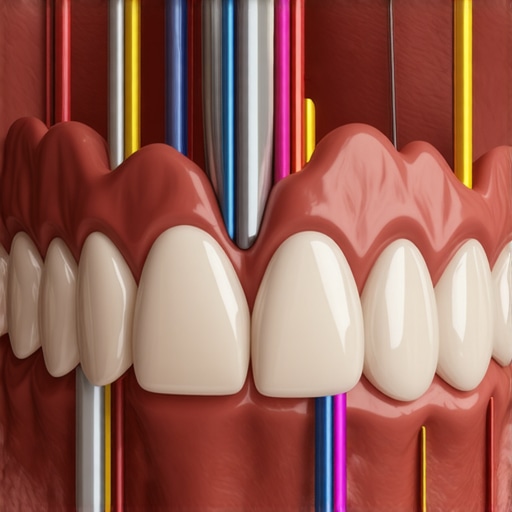 One major ‘oops’ factor is reaching for whitening strips when your teeth are already aching from the cold. If your enamel is already stressed by mechanical pressure, the peroxide can penetrate deeper and faster, leading to an intense ‘zing’ feeling that lasts for days. It is far better to stick to modern teeth cleaning innovations that reduce sensitivity and boost results to strengthen the mineral barrier first. Have you ever fallen into this trap of trying to fix a ‘dull’ smile while your teeth were already screaming for a break? Let me know in the comments.To move past the cycle of winter sensitivity, you have to upgrade from a passive routine to an active, tech-supported strategy. I used to think a manual toothbrush and some floss were enough, but once you invest in cosmetic work, the stakes get higher. I personally switched to a high-end electric toothbrush with a visible pressure sensor—not because it’s fancy, but because it provides immediate haptic feedback when I start to over-scrub during those tense, cold mornings. This is the first step in maintaining your teeth cleaning routine for long-term health. If the sensor flashes red, I know I am subconsciously clenching my jaw against the chill, allowing me to reset my posture before I cause real damage to my enamel.
Stop guessing and start using tools that actually talk back
Beyond the brush, the most underrated tool in my kit is an ultrasonic cleaner for my night guard and aligners. If you are following invisalign maintenance expert tips for clear confident smiles, you know that manual scrubbing often leaves behind microscopic biofilm. I use a 42,000Hz ultrasonic bath because it reaches the deep grooves that a brush simply can’t touch. This prevents that localized irritation that many people mistake for tooth pain. In fact, Dr. Gordon Christensen’s Clinicians Report has frequently highlighted how ultrasonic agitation is significantly more effective at removing pathogens from dental appliances than manual brushing alone. This is also the only way to effectively how to clean the stubborn cloudiness off your night guard without using abrasive chemicals that can degrade the material. 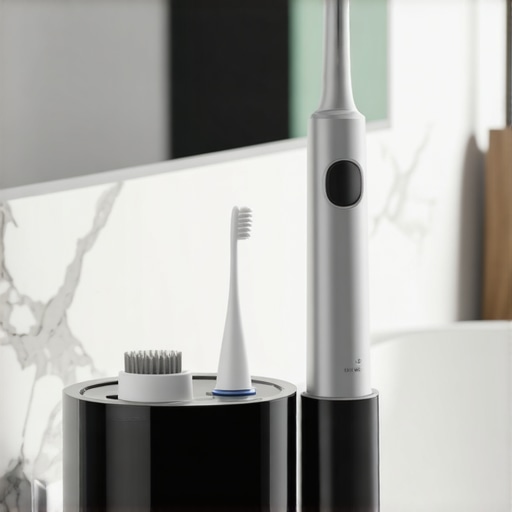
How can I keep my smile looking fresh for years to come?
Consistency is your only real defense against the ‘aging’ of dental work. I predict that within the next five years, we will see smart-sensors integrated directly into clear aligners that track not just wear time, but also the pH levels of your saliva to alert you to potential decay in real-time. For now, we have to be our own sensors. This means being proactive with teeth cleaning tips for a brighter smile this spring to clear away the winter’s coffee and tea stains before they become permanent. If you’ve been ignoring that slight ‘zing’ when you bundle up, it’s time to look at teeth cleaning secrets how regular care boosts oral health at any age. My advanced tip for you today? Try the ‘clink test’ every morning. Gently tap your teeth together and listen; if one side sounds ‘sharper’ or ‘thicker’ than the other, you’ve likely been clenching in your sleep or against your scarf. This is your cue to spend five minutes on jaw-release exercises before you even leave the house. Head over to my contact page if you want my specific checklist for post-winter dental recovery.
Lessons Learned From a Decade of Seasonal Jaw Pain
Reflecting on my own journey, the biggest ‘aha’ moment came when I realized that dental health isn’t just about what happens inside your mouth—it is about how your body reacts to the environment. I used to think teeth cleaning secrets how regular care boosts oral health at any age was just a marketing slogan, but it is actually the foundation of physical resilience. I learned that your winter gear acts as a mechanical stressor; a scarf isn’t just fabric, it is a physical force that can shift your bite. Furthermore, standard imaging has limits. An X-ray might look perfect, but it won’t show the micro-inflammation in your ligaments caused by clenching against the cold. Proactive care always beats reactive repairs. #IMAGE_PLACEHOLDER_E#
The Essential Winter Smile Survival Kit
To keep my smile stable when the temperature drops, I rely on a few specific tools that go beyond the basic toothbrush. First, I highly recommend a pressure-sensing electric toothbrush; it acts as a real-time monitor for when you are subconsciously tensing up. For those with orthodontic work, maintaining your teeth cleaning routine for long-term health requires an ultrasonic bath to keep appliances pristine and non-irritating. If you are just starting your journey, how to choose a dentist for your invisalign transformation is a great resource to find a professional who understands the biomechanics of jaw tension. I also swear by a simple weighted heating pad for the neck to melt away the day’s ‘scarf tension’ before bed.
Your Smile Deserves a Season of Comfort
Winter shouldn’t be a season you have to grit your teeth through. By making these small adjustments to how you wear your winter layers and staying mindful of your jaw position, you can enjoy the snow without the sting. We are seeing incredible enhance your look cosmetic dentistry innovations 2025 that make protecting and beautifying your smile easier than ever. Don’t let a heavy collar dictate your comfort level or your dental health. Have you noticed your jaw feeling tighter when you are bundled up in a thick scarf or high-collared coat? Let me know in the comments below!