
I was standing in the bathroom of a high-end cocktail lounge, checking my reflection between rounds of appetizers, when I saw it. My smile, which I usually take pride in, looked… off. Under those bright, cool-toned LED lights, my teeth didn’t look white or even slightly yellow. They looked blue. Specifically, the edges were almost transparent, casting a ghostly cobalt hue that made me look like I’d just chewed on a sapphire. It was a visceral moment of panic. I spent the rest of the night with my hand over my mouth, convinced my teeth were failing me. If you’ve ever caught a glimpse of a blueish tint in your smile and wondered if you’re turning into a character from a sci-fi movie, I’m here to tell you that you aren’t alone, and it’s usually a sign that your enamel is crying out for a little help. Today, we are going to dive into exactly why light plays these tricks on your teeth and how we can restore that solid, healthy white you’re missing.
The Strange Physics Behind Your Translucent Smile
The first thing I learned after my own bathroom-mirror breakdown is that teeth aren’t actually solid, opaque blocks. They are layers. When your outer layer of enamel gets thin, it starts to act like a prism. This is partly due to the Tyndall effect—the same reason the sky looks blue—where shorter blue light waves scatter more easily when they hit the translucent edges of your teeth. I made the classic mistake of thinking I just needed a deeper teeth cleaning to scrub away the ‘stain,’ but you can’t scrub away transparency. In fact, my aggressive whitening habit was actually the culprit. I was stripping away the very mineral shield I needed, making my teeth look thinner and more glass-like every day. While the real reason your teeth look yellow in bathroom lighting is usually due to the underlying dentin showing through, the blue tint happens when that dentin doesn’t reach all the way to the edges of the tooth. According to the American Dental Association, enamel is semi-translucent by nature, but when it thins out excessively, the lack of underlying structure causes that weird light scattering we see in certain environments.
Is my enamel actually wearing away forever?
This is the fear that kept me up at night. Once enamel is gone, it doesn’t just grow back like a fingernail. If you’re seeing a blue or gray cast, it’s often a signal of ‘incisal translucency.’ This can happen from acid reflux, too many sparkling waters, or—my personal failure—over-using high-strength whitening strips. Sometimes, it’s even a result of why your teeth look gray after a traumatic injury, which is a different beast entirely. Have you ever noticed your teeth looking transparent or blue when you’re out at night or under office lights? It’s a jarring discovery, but identifying the cause is the first step toward finding cosmetic dentistry for discolored teeth that actually reinforces your smile instead of just masking the problem. For those of us with naturally thin enamel, the goal shifts from bleaching to strengthening.
Stop the Acid Erosion Before It Eats Your Smile
The first step to fixing that blue, ghostly translucency is to identify the ‘acid rain’ in your daily life. Think of your enamel like a protective shield of armor. Every time you sip on lemon water, soda, or even healthy fruit smoothies, you are basically pouring a slow-acting solvent over that armor. When I first noticed the blue tint on my incisors, I realized my ‘healthy’ habit of a morning lemon water was actually melting my smile. If you can’t give up the acidity, use a straw to bypass the teeth entirely. It sounds simple, but it stops the physical thinning process in its tracks. You should also be incredibly wary of fad products; the truth about charcoal toothpaste and your tooth enamel is that it is far too abrasive for thin teeth, often scrubbing away the very minerals you need to keep your smile opaque.
Rebuild Your Shield with Smart Daily Habits
Once the erosion stops, you have to focus on remineralization. Your teeth need building blocks like calcium and phosphate to reinforce the enamel matrix. I spent three months switching to a high-fluoride, low-abrasion paste specifically designed for sensitivity. I also started using products with nano-hydroxyapatite, which is essentially the same mineral your teeth are made of. This doesn’t magically ‘regrow’ enamel, but it fills in the microscopic gaps that cause light to scatter into that blue hue. For those of us with sensitive nerves, finding teeth cleaning for sensitive teeth is vital to ensure your professional maintenance doesn’t feel like a torture session. 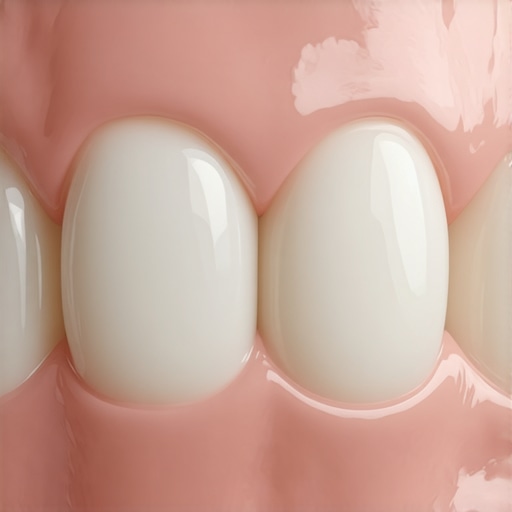
Upgrade Your Look with Modern Clinical Solutions
Sometimes, the translucency is too far gone for toothpaste to fix. This is where you move from defense to offense. I remember sitting in the dentist’s chair, terrified that I’d need full-on crowns. However, the world of enhance your look cosmetic dentistry innovations 2025 offers much less invasive options today. Dental bonding—using a tooth-colored resin—can be applied to the edges of your teeth to add ‘meat’ back to the structure, effectively blocking the light from shining through. This is often the the best way to whiten your teeth if you have naturally thin enamel because it adds color and thickness simultaneously without the need for harsh bleaching chemicals that would only make the sensitivity worse.
Fix the Structural Root Cause with Aligners
You might not realize that your blue teeth are actually a result of how your teeth hit each other. If your bite is misaligned, you are likely grinding the edges of your teeth down, making them thinner by the day. I noticed my bottom teeth were starting to look jagged because they were constantly clashing with my top row. This is a huge reason why invisalign is the future of clear braces for adults. By shifting your teeth into the correct position, you stop the mechanical wear and tear that leads to translucency. It’s not just about a straight smile; it’s about protecting the physical thickness of your enamel for the next several decades.One of the biggest ‘traps’ I fell into was the belief that if my teeth felt ‘furry,’ I needed to scrub harder. In reality, teeth cleaning myths debunked by top dentists often point to the fact that over-aggressive brushing is the primary driver of the very translucency we are trying to avoid. Experts from the Journal of the American Dental Association suggest waiting at least 30 to 60 minutes after consuming acidic foods before brushing, because you are essentially sandpapering your softened enamel. If you’ve ever felt that ‘squeaky clean’ sensation immediately after a glass of wine, you might actually be feeling the raw surface of your teeth losing their mineral protection. Challenge the common belief that ‘more friction equals cleaner’; your enamel is far more precious than the temporary feeling of a scrubbed surface.
The Hidden Structural Audit of Professional Cleanings
Most patients think of their semi-annual visit as a simple cosmetic refresh, but it is actually a vital structural audit. A skilled hygienist isn’t just looking for cavities; they are monitoring the ‘wear facets’ on your teeth. If you are noticing that blue-ish tint, it’s often because of microscopic erosion that a standard toothbrush can’t fix. This is why cosmetic dentistry myths debunked are so important to understand—whitening isn’t always the answer to a ‘dull’ smile. Sometimes, you need a professional to identify that you are actually losing volume, not just color. In my experience, the ‘oops’ factor usually happens when people try to self-diagnose translucency as a stain, leading to a cycle of over-whitening that only thins the enamel further.
Why do my teeth feel loose during the second month of Invisalign?
It is a common point of panic for adults undergoing clear aligner therapy. I remember feeling a slight ‘wiggle’ in my front teeth and thinking they were about to fall out. However, why your teeth feel loose during the second month of Invisalign is actually a sign of healthy bone remodeling. To move a tooth, the body must temporarily break down the bone surrounding the root before rebuilding it in the new position. This ‘looseness’ is a necessary phase of the transition. The nuance here is ensuring your bite is being corrected so that you don’t end up with ‘heavy hits’ on specific teeth, which could lead to further enamel thinning or fracture in the long run. 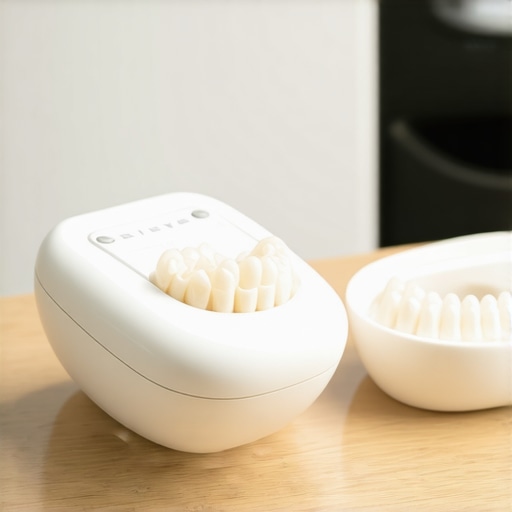
Finding the Right Partner for Your Smile Journey
Repairing a translucent or blue-tinted smile isn’t a one-size-fits-all DIY project. It requires a clinical eye that understands the relationship between pH levels, mechanical wear, and genetics. When you are finding a dentist who gets your smile tips from top cosmetic pros, look for someone who prioritizes enamel preservation over quick-fix bleaching. A great dentist will talk to you about the ‘Relative Dentin Abrasion’ (RDA) of your toothpaste and may even suggest night guards if they see evidence of grinding that is wearing your incisal edges down to that ghostly blue. Let’s be honest: Have you ever fallen into the trap of over-whitening or over-brushing only to see more transparency? I’d love to hear your story in the comments. We’re all learning how to protect our smiles together.
Upgrade Your Arsenal with Precision Dental Tools
To stop that blue tint from returning, you need more than just a standard toothbrush. I transitioned to a sonic electric brush with a built-in pressure sensor because, frankly, I couldn’t trust myself not to scrub too hard. Most people don’t realize that the mechanical force we apply is the leading cause of enamel recession. I personally recommend looking for a brush that syncs with an app to track your coverage. It’s not just about vanity; it’s about ensuring you aren’t missing the lingual surfaces where plaque tends to calcify. For those in the middle of clear aligner therapy, invisalign maintenance expert tips for clear confident smiles often suggest that physical brushing isn’t enough. I invested in a small, 42kHz ultrasonic cleaner for my nightstand. This isn’t a luxury—it’s a necessity for removing the biofilm that causes that ‘cloudy’ look on your trays and, eventually, your teeth. Proper maintenance ensures you aren’t just moving your teeth into position but keeping them structurally sound. Staying consistent with maintaining your teeth cleaning routine for long term health requires these specialized tools to counteract the daily wear and tear of our modern diets.
Stop the Biofilm Build-Up in Its Tracks
If your aligners or teeth feel ‘slimy’ mid-day, you’re dealing with a bacterial colony that is actively producing acid. When I was deep in my own smile journey, I learned how to stop your invisalign trays from smelling like old saliva by using pH-neutralizing cleaning crystals rather than just hand soap or toothpaste. Toothpaste often contains micro-abrasives that create tiny scratches in your aligners, which then act as a ‘hotel’ for more bacteria. This same principle applies to your natural enamel. If you are using a paste with a high RDA (Relative Dentin Abrasion) score, you are essentially sandpapering your smile. According to the ISO 11609 standard, a toothpaste should ideally fall below an RDA of 70 for daily use on sensitive or thin enamel. Most ‘whitening’ pastes on the shelf hit levels of 150 or higher, which is why your teeth might look whiter for a week before looking more translucent and blue the next month. 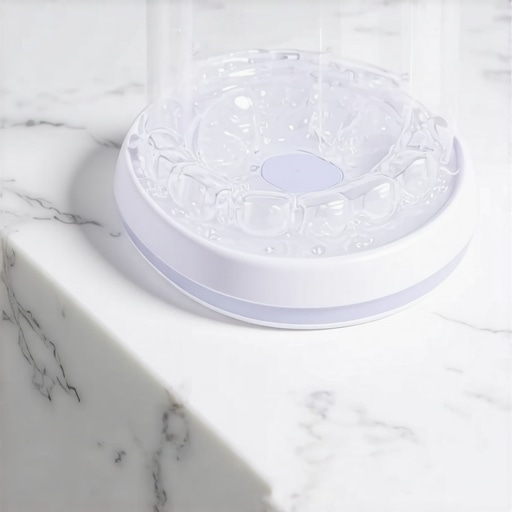
How do I keep my enamel thick and white for decades?
The future of dentistry is moving toward ‘smart’ remineralization. We are already seeing invisalign innovations why 2025 is the year for a perfect smile move toward biocompatible materials that don’t just move teeth but also release trace minerals. I predict that within the next five years, your electric toothbrush will be able to measure the mineral density of your enamel in real-time, alerting you to acid erosion before you even see it in the mirror. To stay ahead of this, you should look into modern teeth cleaning innovations that reduce sensitivity and boost results, such as guided biofilm therapy. This tech uses warmed water and erythritol powder to clean teeth without the ‘scraping’ sensation of traditional metal tools, preserving every micron of your enamel shield. If you want to take action right now, I challenge you to try one advanced tip: swap your abrasive whitening paste for a nano-hydroxyapatite serum for just one week. Pay close attention to how light reflects off your incisors in the morning sun—you’ll likely see a more solid, opaque white rather than that ghostly blue.
The Hardest Lessons I Learned About Protecting My Enamel
Reflecting on my own panic when I first saw those blue edges, I realized that modern dental care is often about unlearning bad habits as much as it is about starting new ones. First, I had to accept that my aggressive whitening was actually a form of self-sabotage; transparency is a structural issue, not a color stain. Secondly, I learned that even healthy lifestyle choices like apple cider vinegar shots or lemon water were silently eroding my smile’s density. Thirdly, the most significant shift was moving from a mindset of cleaning to one of preserving. When you stop treating your teeth like ceramic tiles and start treating them like living mineral structures, the way you approach maintaining your teeth cleaning routine for long term health changes completely. I spent years chasing a bleach-white look when what I really needed was a thicker, healthier enamel layer. Finally, finding a professional who prioritizes structural integrity over quick cosmetic fixes is non-negotiable for long-term success.
The Essential Toolkit for a Stronger More Opaque Smile
If you are ready to move past the ghostly blue tint, I recommend focusing on a few specific tools that prioritize mineral density. I personally swear by a sonic electric toothbrush with a pressure sensor; it took the guesswork out of my routine and saved me from over-brushing. I also suggest looking into nano-hydroxyapatite serums which act like a patch kit for microscopic enamel wear. If you are currently using aligners, sticking to invisalign maintenance expert tips for clear confident smiles will ensure you aren’t accidentally scratching your teeth with abrasive cleaners or home-made solutions. Lastly, for the structural repair that toothpaste simply cannot handle, consult with a professional. You can start by researching how to choose a dentist for your invisalign transformation or finding a cosmetic expert who understands how to reinforce thin edges with bonding or biocompatible resins.
Take Charge of Your Future Smile Health
It can be jarring to see your teeth changing in the mirror, but remember that enamel thinning is a process we can slow down and even mask with the right clinical care. You don’t have to settle for a translucent or blueish smile when invisalign innovations why 2025 is the year for a perfect smile and modern bonding techniques offer such effective solutions for restoring volume. By shifting your focus toward protection and remineralization today, you are investing in a smile that will stay strong and bright for decades to come. You have the knowledge now to move from defense to offense. Have you ever noticed your teeth looking more transparent after a heavy whitening phase or a change in your diet? Let me know in the comments below!