
I still remember the ‘Great Divide’ in my high school graduation photos. Not a majestic mountain range, but the glaring, dark gap right between my two front teeth. I spent years perfecting a very specific, slightly uncomfortable ‘half-smile’ to hide it, often tucking my chin or covering my mouth when I laughed too hard. I simply assumed my only choices for a fix were two years of metal brackets or a mortgage-sized bill for clear aligners. Then I found bonding. It is the closest thing to dental magic I have ever seen in person. [IMAGE_PLACEHOLDER]
My 45-Minute Transformation Without the Metal Mouth
We live in a world where we are often told that big changes require big sacrifices—like years of hardware or thousands of dollars in debt. But for a simple gap, what dentists call a diastema, that is often overkill. I spent way too much time falling down internet rabbit holes looking for how we close the gap between your front teeth without braces. I even made the massive mistake early on of trying ‘DIY’ orthodontics with those tiny hair elastics I found on a forum. Let me be the voice of reason: never do that. It is incredibly dangerous and can lead to permanent tooth loss because those bands can slip under the gum line and destroy the root. When I finally sat in a professional chair, I realized that using composite resin to fix a gap is an incredibly straightforward, artistic process. No drills. No needles. Just a little bit of surface prep and some high-tech material. It is one of those cosmetic dentistry trends that transform smiles today without the invasive surgery people often fear. The relief I felt seeing that gap closed in under an hour was life-changing.
Will the resin actually stay attached to my teeth?
This was my biggest skepticism. I am a heavy coffee drinker and a fan of crunchy snacks; I was certain I would pop the bonding off within a week. But here is the reality: the bond is surprisingly resilient when done by a pro. According to the American Academy of Cosmetic Dentistry, the resin is layered and hardened using a high-intensity curing light, creating a durable surface that chemically integrates with your natural enamel. It is not just a ‘sticker’ on your tooth. If you have been noticing other things, like the reason your front teeth look transparent at the very bottom, bonding can actually reinforce those thin areas too. It is a versatile tool in the ultimate guide to teeth whitening and cosmetic enhancements. I remember the first time I could bite into an apple without worrying about my front teeth. It felt like a weight I did not even know I was carrying had been lifted. Have you ever caught yourself closing your mouth in photos because of a gap you hate? I would love to hear your story in the comments. Let us get into exactly how this works and why it might be your best move for a better smile.The technical side of closing a gap is actually more like an art class than a surgery. It starts with a clean slate. You cannot build a lasting bond on top of plaque or tartar, which is why your dentist will likely insist on a thorough scrub first. Understanding how regular teeth cleaning can prevent major dental issues is key here because a healthy gum line ensures the resin sits perfectly at the base of the tooth. Once the teeth are pristine, the dentist uses a mild conditioning liquid. Think of this as ‘roughening up’ the microscopic surface of your enamel. It does not hurt, but it creates the texture needed for the composite to grab hold and never let go.
Pick Your Perfect Shade of White
This part used to stress me out. I was convinced the ‘new’ part of my tooth would look like a bright white chiclet compared to my slightly-less-than-blinding natural teeth. This is where your dentist’s eye for detail comes in. They have to account for the fact that the reason your teeth look yellow in the mirror but white in sunlight is due to how light bounces off the enamel. I remember the moment my dentist held up a tiny sample tab; I thought it looked too dark, but he explained that once it is bonded and polished, the translucency changes. Trusting that artistic intuition is the hardest but most important step for the patient.
Sculpting Your New Smile by Hand
Now comes the putty. The composite resin has the consistency of modeling clay. The dentist applies it in thin, strategic layers. They are not just filling a hole; they are recreating the natural curve and ‘mamelons’—those tiny ridges—of a real tooth. 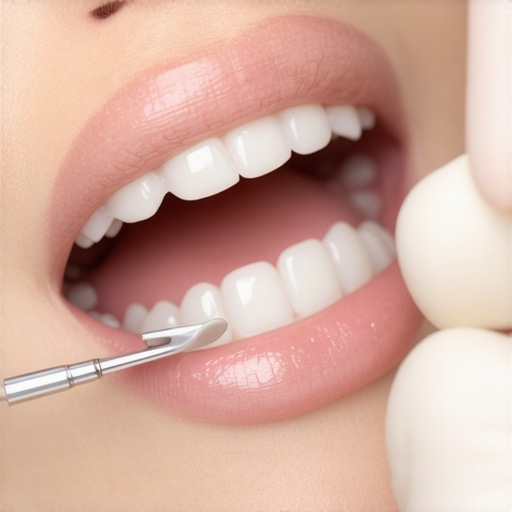
Hardening the Material with Light
Once the shape looks right, the ‘magic wand’ comes out. This is a high-intensity curing light. It triggers a chemical reaction in the resin, turning it from a soft paste into a hard, durable surface in seconds. It is a bit like 3D printing a tooth directly onto your existing ones. During my session, I was amazed that there was zero downtime. I did not have to wait for it to ‘dry’ for hours like a nail appointment.
Final Buffing for That Natural Shine
The last step is arguably the most satisfying. The dentist uses a series of fine-grit polishing discs to smooth out the edges. If they skip this, the resin feels ‘fuzzy’ to your tongue, like you have not brushed in days. They are aiming for a mirror-like finish. We actually use similar techniques when learning how we match the exact texture of your natural teeth with a porcelain veneer. When the polish is done, the transition between your tooth and the resin should be completely invisible, even to you. To keep that shine, maintaining your teeth cleaning routine for long term health is non-negotiable. Stains can still pick up on the edges if you let plaque sit there too long. I spent the first three days after my appointment just running my tongue over the smooth, gap-free surface, still unable to believe it was my own mouth.Many people assume that once the gap is closed, the journey is over. But there is a massive ‘oops’ factor that most people miss: you cannot whiten a finished restoration. If you decide to whiten your teeth six months from now, your natural enamel will brighten, but that resin will stay the exact same shade it was on day one. This creates a mismatched, patchy look that usually requires a total redo. In my experience, it is always better to reach your goal shade first, perhaps by looking into the best way to whiten your teeth if you have naturally thin enamel, before the dentist ever touches the resin.
When Bonding Isn’t the Right Choice for Your Gap
Another nuance involves the structural limit of bonding. While it is perfect for closing a small gap, it does not fix crooked roots. I have seen many people try to ‘bond over’ a massive misalignment when why Invisalign is the future of clear braces would have been a more stable long-term choice. Bonding adds volume; if you add too much volume to a tooth that is already out of position, you end up with a ‘bulky’ smile that traps food and irritates your gums.
Does your diet actually shorten the life of your bond?
This is the advanced question every patient should ask. Unlike porcelain, composite resin is a specialized plastic. It is microscopically porous. A study published in the Journal of Esthetic and Restorative Dentistry highlights that while composite bonding is highly effective, its color stability is significantly impacted by dietary habits and surface roughness over a five-year period. This means your morning espresso or evening red wine is not just staining the surface; it is slowly penetrating the material. 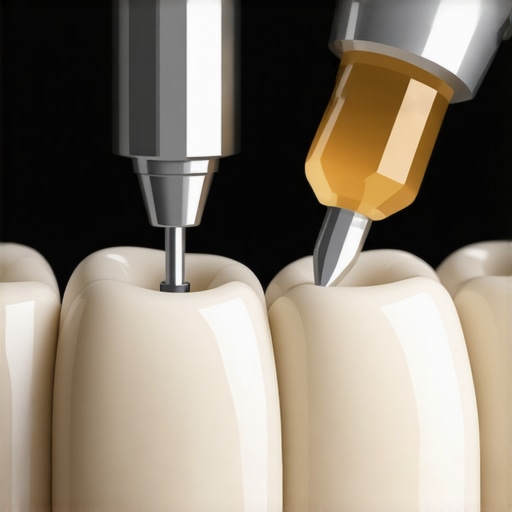
Stop Treating Your Bonded Teeth Like Natural Enamel
If you are a heavy coffee drinker, you have to be extra vigilant. I learned the hard way that maintaining your teeth cleaning routine for long term health is the only way to keep those margins—the edges where the resin meets the tooth—from turning brown. Many teeth cleaning myths debunked by top dentists suggest that you can just ‘scrub away’ stains, but with bonding, aggressive scrubbing can actually create micro-scratches that attract more stains. It is a delicate balance. Finally, stop viewing bonding as a ‘permanent’ armor. It is a high-performance restoration, but it is not invincible. If you have a habit of biting your nails or opening packages with your teeth, you will chip that resin in a heartbeat. It is a commitment to a new way of eating and caring for your mouth. Most people jump into cosmetic dentistry myths debunked what you really need to know thinking it is a one-and-done fix, but it is more like a partnership between you and your dentist. Have you ever fallen into this trap of thinking a quick fix meant no more maintenance? Let me know in the comments. Knowing these nuances beforehand would have saved me a lot of stress during those first few months.
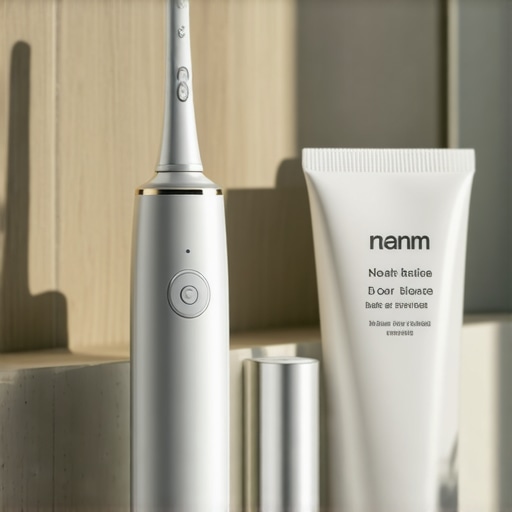
I used to think that once the gap was closed, my job was done. I quickly realized that composite bonding is like a luxury car; it looks incredible, but you cannot just drive it into the ground without some maintenance. To keep that seamless look, I had to completely overhaul my bathroom cabinet. Most people do not realize that standard whitening toothpastes are often too abrasive for resin. They contain high levels of silica that can micro-scratch the surface, leading to a dull finish over time. I switched to a non-abrasive gel, and the difference in how the light reflects off my front teeth is noticeable.
Use a Soft Touch to Save Your Resin
The biggest mistake I almost made was sticking with a medium-bristle toothbrush. When you have bonding, you need to be gentle. I personally use an electric toothbrush with a pressure sensor. It vibrates if I push too hard, which is vital because aggressive scrubbing can wear down the margins where the resin meets your natural tooth. If you are ever worried about the edges of your restoration, maintaining your teeth cleaning routine for long term health is the best way to ensure those boundaries stay invisible. I also added a water flosser to my routine. It is much more effective at clearing debris from the back of the bonded area without the risk of ‘snagging’ traditional floss on a tiny imperfection. Using these modern teeth cleaning innovations that reduce sensitivity and boost results has kept my gums from getting that ‘puffy’ look that often happens when people are afraid to clean around their dental work.
How do I keep my composite bonding looking new for a decade?
The longevity of your smile depends heavily on two things: your bite and your habits. Dr. Harald Heymann, a renowned expert in conservative dentistry, has noted in clinical studies that the failure rate of composite restorations drops significantly when patients wear a night guard. I got a custom-fitted one because I tend to clench my jaw when I am stressed. If I didn’t, the sheer force of my bottom teeth hitting the back of the bonding would eventually cause it to pop off. If you ever notice a tiny nick, knowing how to stop a small chip in your tooth from getting bigger before your appointment is a lifesaver. Usually, it just involves avoiding hard foods until your dentist can buff it smooth again.
The Future of Your Smile Might Involve 3D Printing
Looking ahead, I suspect the ‘hand-sculpted’ method I received might eventually be replaced by even more precise tech. We are already seeing cosmetic dentistry trends that transform smiles today through 3D intraoral scanning and ‘injectable’ composites. This allows dentists to create a digital map of your mouth and literally print the restoration to fit your gap with zero margin for error. If your gap is caused by more complex crowding issues, you might find that why Invisalign is the future of clear braces becomes a part of your conversation, as it can perfectly position teeth before the final bonding is applied. My advice? Start today by swapping out your abrasive toothpaste for a gentle gel. It is the cheapest and easiest way to protect your investment immediately. Do not let teeth cleaning myths debunked by top dentists keep you from using the right tools for your specific dental work.
The Subtle Realities I Discovered After the Gap Disappeared
The first thing nobody tells you is the ‘phantom gap’ sensation. For weeks, your tongue will habitually search for the space that used to be there, only to find smooth resin. It is a surreal but wonderful reminder of the change. Secondly, the way you eat changes; you stop unconsciously shielding your front teeth and start biting with confidence again. Finally, I learned that the lighting in your bathroom can be your worst enemy—if you want to see how your work really looks, step into the natural sun where the translucency of the material truly shines. I also discovered that finding a dentist who gets your smile is the most critical step in ensuring the shape fits your face rather than just looking like a generic tooth. [IMAGE_PLACEHOLDER]
Small Changes in My Bathroom Cabinet That Saved My Results
To keep my investment looking sharp, I have curated a few must-haves. I suggest following specific teeth cleaning tips for a brighter smile that focus on non-abrasive methods to avoid scratching the resin. For those still on the fence about bonding versus other methods, reading up on cosmetic dentistry insights can help you decide if a more permanent porcelain solution or perhaps choosing the best Invisalign options for your lifestyle is actually the better long-term path for your specific bite. Personally, the bonding gave me the immediate gratification I needed to stop hiding.
Taking the Leap Toward Your Most Confident Self
Choosing to fix my gap was less about vanity and more about removing a mental barrier between me and the world. When you are not constantly thinking about hiding your teeth, you can finally be present in the moment. Modern cosmetic dentistry trends that transform smiles beyond expectations have made these life-changing tweaks accessible, painless, and fast. You deserve to laugh without a hand over your mouth and to feel the sun on your teeth without hesitation. Have you ever caught yourself practicing a ‘half-smile’ in the mirror just to hide a gap you hate? Let me know your story in the comments below!