
I stood there staring at the bathroom mirror, clutching my brand-new, vibrating sonic brush like it was some kind of magic wand for oral health. I’d just dropped a fair bit of cash on it because my local dentist kept hinting that my manual game was weak. But as soon as the bristles hit my gumline, it felt less like a spa day and more like a battle. When I rinsed and saw that tell-tale pink swirl in the drain, I panicked. I was supposed to be upgrading my life, not causing a dental emergency. It’s a weirdly specific frustration: your teeth feel cleaner than ever, but your gums look like they’ve gone five rounds in a boxing ring. If you’re currently wondering if you should just toss the thing back in its box, I’ve been there, and I promise we can fix this without going back to the dark ages of manual scrubbing. [IMAGE_PLACEHOLDER]
Stop Brushing Your Gums into Submission
When I first made the switch, I brought my old habits with me. I was scrubbing. Hard. I thought the vibration was just an extra boost, but really, the motor is doing the heavy lifting for you. My biggest mistake was treating my electric brush like a manual one, applying way too much pressure to the delicate tissue. This is one of the biggest teeth cleaning myths people fall for—the idea that harder equals cleaner. In reality, modern teeth cleaning innovations are designed to be effective with minimal pressure. When your gums bleed only with the electric version, it’s usually because the high-speed oscillations are exposing existing inflammation that your old brush was just too lazy to reach. You aren’t necessarily hurting yourself; you’re finally uncovering areas that need more attention.
Is an electric toothbrush actually better if it makes me bleed?
It’s the question I asked myself while icing my jaw. The short answer is yes, but only if you learn the hover technique. According to the American Dental Association, electric toothbrushes can significantly reduce plaque and gingivitis more than manual brushing when used correctly. The bleeding isn’t necessarily a sign the brush is bad; it’s a sign that the area was already irritated or you’re using too much force. I used to think I had tough gums, but my dental hygienist explained why hard-bristled brushes were actually receding my gumline. Switching to an electric brush with a pressure sensor was the game-changer I didn’t know I needed. Have you ever felt like your new toothbrush was actually attacking you instead of helping? It’s a common hurdle, but understanding the mechanical difference is the first step to a pain-free smile.
Let the Motor Do the Heavy Lifting
Think of your electric toothbrush like a high-end lawnmower. If you try to shove a mower into the ground, you’ll just ruin the grass and the blades. Instead, you guide it. My mistake was ‘scrubbing’—that back-and-forth sawing motion we all learned in kindergarten. With a sonic or oscillating brush, you only need to guide the bristles. I remember one Tuesday morning, three days into my ‘electric upgrade.’ I was so determined to get my molars ‘dentist-clean’ that I pressed the brush head against my back tooth until the motor actually groaned. The vibration was so intense I felt it in my sinuses—a sensation I later learned is why some people feel like their jaw is vibrating. I woke up the next day with a bruise on my gum that looked like a tiny grape. Lesson learned: the brush isn’t a power sander. Just let it sit there, ‘hovering’ over the surface for two seconds per tooth.
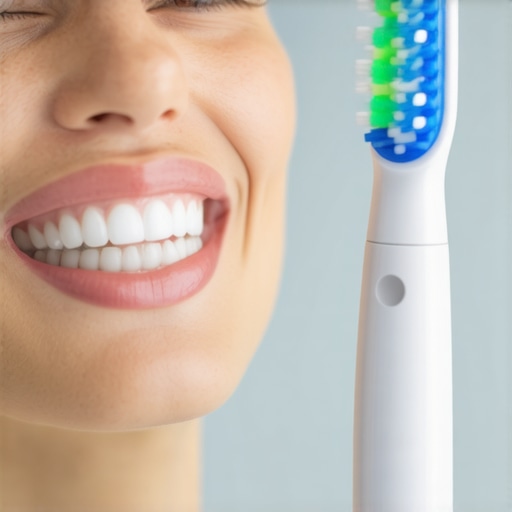
The 45-Degree Angle is Non-Negotiable
If you point the bristles straight at your teeth, you’re only cleaning the flat surfaces. The real ‘danger zone’ for plaque is where the tooth meets the gum. You need to tilt the brush head at a 45-degree angle so the bristles can gently slip under the gumline. This is especially critical if you are looking for teeth cleaning for sensitive teeth, as direct pressure on recession-prone areas can cause sharp stabs of pain. Imagine you’re trying to sweep dust out from under a baseboard; you don’t push the broom against the wall, you angle the bristles into the crack.
Why Your Toothpaste Might Be Sabotaging Your Gums
I used to love the grittiest, most ‘whitening’ toothpaste I could find. But when you pair a highly abrasive paste with the 30,000 strokes per minute of an electric brush, you’re basically sandblasting your enamel. You should check the truth about charcoal toothpaste and your tooth enamel before you make the switch. For the first few weeks of using a new electric brush, stick to a low-abrasion fluoride paste. It gives your gums a chance to toughen up without being irritated by harsh particulates. If your gums feel like they are ‘peeling’ or stinging, your toothpaste is likely the culprit, not the brush itself.
Stop Rushing the Process
Most of us think we brush for two minutes, but in reality, it’s usually about forty-five seconds of frantic scrubbing. Use the built-in timer. Divide your mouth into four quadrants—top left, top right, bottom left, bottom right—and spend thirty seconds on each. This ensures you aren’t over-brushing the easy-to-reach front teeth while neglecting the back ones. Proper timing is how regular teeth cleaning can prevent major dental issues down the road. It feels like an eternity at first, but maintaining your teeth cleaning routine for long-term health requires that literal two-minute commitment. If you rush, you’ll compensate by pressing harder, and that’s when the bleeding starts again.
Why Chasing a Faster Smile Might Backfire
Once you’ve mastered the electric toothbrush, it’s tempting to think you’ve solved the oral health puzzle. But here is the contrarian truth: most people view cosmetic dentistry and daily cleaning as two separate worlds. In reality, they are a feedback loop. I’ve seen people drop thousands on clear aligners while neglecting the very foundation that keeps those teeth in place. We often fall for cosmetic dentistry myths that suggest procedures like veneers or whitening are ‘set it and forget it.’ They aren’t. If your gum health isn’t pristine, even the most expensive cosmetic dentistry trends will eventually fail. The nuance most miss is that ‘pretty’ teeth are a byproduct of a healthy microbiome, not just a result of bleach or porcelain.
Does moving teeth too quickly lead to permanent root damage?
This is the question that separates the beginners from the experts. In the age of ‘express’ dental fixes, many patients push for the fastest possible results. However, according to the American Journal of Orthodontics and Dentofacial Orthopedics, excessive force or accelerated movement can lead to apical root resorption—essentially, your body starts to dissolve its own tooth roots because the pressure is too high. This is why choosing the best Invisalign options for your lifestyle requires a professional who prioritizes biology over speed. If you feel like your teeth feel loose during the second month of Invisalign, it might be normal, but it’s a sign that your bone is being remodeled. Pushing that process too fast is a dangerous game that could lead to tooth loss later in life.
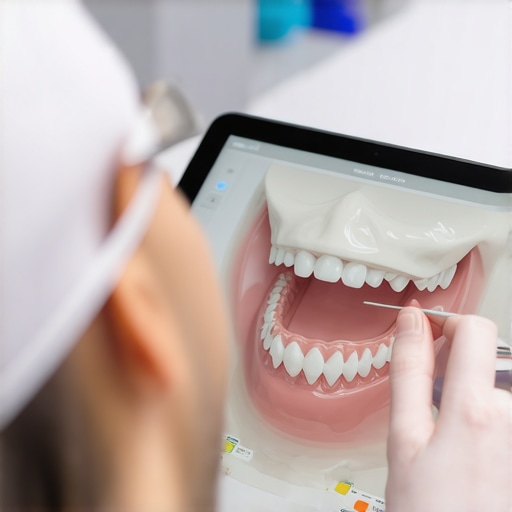
The “Invisible” Trap of Over-Whitening
Here is a specific ‘oops’ factor I see all the time: the obsession with shade B1 (the brightest natural shade). People often start teeth whitening and cosmetic enhancements while they have active inflammation. If you use high-strength peroxide when your gums are already sensitive from poor electric brushing technique, you risk chemical burns. I’ve talked to people who wondered why their gums look pale after using a high-strength whitener, only to find they’ve temporarily cut off blood flow to the tissue. It’s vital to ensure your teeth cleaning routine for long-term health is solid before you even think about the aesthetics. A radiantly white smile on inflamed, receding gums is like putting a fresh coat of paint on a house with a crumbling foundation. Have you ever fallen into this trap of prioritizing the ‘look’ over the ‘feel’ of your teeth? Let me know in the comments.
Bridging the gap between a professional office visit and your daily bathroom routine requires more than just good intentions; it requires the right arsenal. I used to think a standard brush and a bit of floss were enough, but after diving into the world of advanced oral care, I realized I was leaving my dental health to chance. If you really want to see the payoff from your investment in teeth whitening and cosmetic enhancements, you have to treat your home care like a specialized project.
The Gear That Actually Saved My Sanity
The single most important tool I added to my cabinet wasn’t even a toothbrush—it was a high-quality water flosser. I resisted it for years, thinking it was a messy gimmick. However, there is a reason why your dental hygienist uses a water flosser instead of manual tools during your professional cleaning; it reaches depths that string simply cannot penetrate without causing trauma. For me, it was the only way to manage the tight spaces around my back molars without making my gums scream. If you struggle with dexterity, looking into how to keep your dental implant clean if you have arthritis or similar mobility issues can lead you toward these automated tools that do the heavy lifting for you.
How do I maintain professional results at home?
Maintenance is a marathon, not a sprint. According to Dr. Gordon Christensen of the CR Foundation, the long-term success of dental restorations and cosmetic work is almost entirely dependent on the patient’s ability to manage biofilm daily. This means that maintaining your teeth cleaning routine for long-term health isn’t just about preventing cavities; it’s about protecting the structural integrity of your veneers, crowns, or implants. For those currently in the middle of clear aligner therapy, following Invisalign maintenance expert tips for clear, confident smiles is non-negotiable. I personally use a dedicated ultrasonic cleaner for my night guards and aligners because it’s the only way to effectively clean the stubborn cloudiness off your night guard or trays that manual scrubbing always seems to miss.
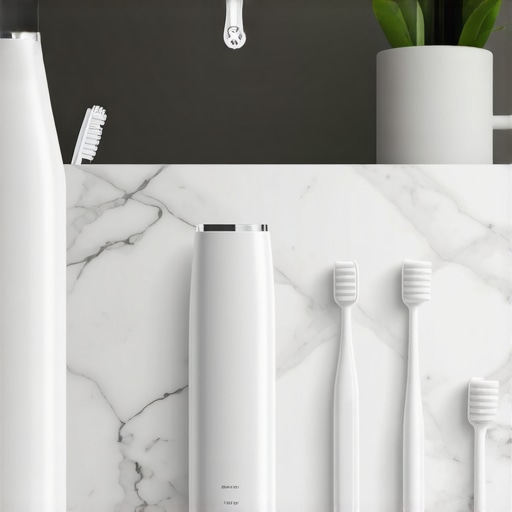
Why Data is the Next Big Thing in Oral Care
Looking ahead, the trend is moving away from ‘guessing’ if you’ve brushed well enough and toward ‘knowing.’ We are seeing the rise of AI-integrated toothbrushes that map your mouth in real-time on a smartphone app. I predict that within the next five years, these sensors will become the gold standard, providing feedback that is so precise it will virtually eliminate the ‘missed spots’ that lead to gum disease. This is why Invisalign is the future of clear braces and why digital dentistry as a whole is winning; it removes the margin for human error. We are shifting into an era where modern teeth cleaning innovations will tell us exactly which tooth needs more attention before we even feel a tingle of sensitivity.
My best advice? Don’t wait for your next check-up to find out you’ve been missing a spot. Grab a pack of disclosing tablets today—they are cheap, dye-based tabs that highlight plaque—and use one after you think you’ve finished brushing. It’s a humbling experience, but it’s the fastest way to retrain your hand to navigate the unique topography of your mouth. Give it a try tonight and see what you’ve been leaving behind.
The Raw Truth I Learned After Scaring My Gums
After weeks of trial and error, I realized that the hardest part of switching to an electric brush wasn’t the technology, but my own ego. I thought I knew how to brush, but the vibrating motor proved me wrong by exposing every spot of inflammation I’d ignored for years. I learned that your gums aren’t just a frame for your teeth; they are a living, breathing foundation. If you ignore them while chasing teeth whitening and cosmetic enhancements, you’re essentially building a mansion on quicksand. The biggest lightbulb moment for me was realizing that ‘clean’ doesn’t have a feeling of friction; it feels like smoothness. If you feel a ‘scrubbing’ sensation, you are doing it wrong.
Another hard lesson was that the most expensive brush won’t save you if your technique is aggressive. Many cosmetic dentistry myths suggest that technology can replace manual care, but a brush is only as good as the hand guiding it. I had to train myself to hold the handle with just two fingers to prevent myself from pressing too hard against my enamel.
Tools That Actually Deserve Space on Your Counter
I’ve tested dozens of gadgets, but only a few have earned a permanent spot in my bathroom cabinet. First, disclosing tablets are a must-have; they turn plaque bright purple and show you exactly where your electric brush is failing to reach. Second, I cannot recommend a water flosser enough. There is a specific reason why your dental hygienist uses a water flosser instead of manual tools, and bringing that power home changes the game for your gum pockets. Lastly, if you use any kind of removable appliance, invest in an ultrasonic cleaner. It is the only way to effectively clean the stubborn cloudiness off your night guard or aligners that a standard brush simply can’t touch.
Step Into a Brighter Future for Your Smile
Transitioning to high-end dental tech can feel like a chore at first, but the results are worth every second of retraining. You aren’t just preventing cavities; you are preserving the integrity of your smile for decades to come. By maintaining your teeth cleaning routine for long-term health with these adjustments, you’ll find that your next dentist visit is a celebration rather than a list of repairs. Don’t be afraid of that initial sensitivity; it’s just your body’s way of saying it’s finally getting the attention it deserves. Have you ever noticed that annoying pink swirl in the sink after using your electric brush for the first time? Let me know how you handled it in the comments below.