
I used to be a scrub-aholic. I honestly thought that if I didn’t feel the bristles “digging in,” my teeth weren’t actually getting clean. For years, I reached for the “firm” or “hard” toothbrushes at the drugstore because, in my head, soft brushes were just for toddlers or people with delicate sensibilities. I was wrong. Dead wrong. One morning, I noticed a weird ridge near my gum line and felt a zing of pain when I took a sip of cold water. When I finally sat in the chair, my hygienist didn’t give me a gold star for effort. Instead, she showed me how I had literally been “sanding” away my protection. Today, I’m going to explain exactly why that stiff brush is a secret enemy to your smile and how you can switch without feeling like you’ve given up on hygiene.
My Hard-Bristled Habit Nearly Ruined My Enamel
Look, I get it. We want that squeaky-clean feeling after a long day of coffee and snacks. But using a hard-bristled brush is like using a steel wool pad on a fine china plate. I learned the hard way that the reason your teeth feel thin near the gum line when you brush is often due to abrasive habits, not just aging. I was actually causing gum recession and “toothbrush abrasion,” which is just a fancy way of saying I was wearing my teeth out. Many teeth cleaning myths debunked by top dentists point to this exact issue: the belief that “harder is better.” In reality, plaque is soft and disorganized; it doesn’t need a jackhammer to move it. It needs gentle, consistent sweeping.
Are soft bristles really enough to get the job done?
I know what you’re thinking—”Soft bristles feel like brushing with a marshmallow.” You’re worried that if you switch, you’ll end up with fuzzy teeth or stained enamel. I felt the same skepticism. However, the American Dental Association (ADA) notes that soft-bristled brushes are the only ones that can effectively clean under the gum line without causing permanent tissue damage. According to a study published in the Journal of Periodontology, excessive force with stiff bristles is a leading cause of non-carious cervical lesions—those painful notches at the base of your teeth. If you’re dealing with teeth cleaning for sensitive teeth, the brush is the first thing you have to change. Have you ever felt like you were “over-cleaning” your teeth only to end up with more sensitivity? I’d love to hear if you’re a fellow “scrubber” trying to break the habit. We’re going to dive into the better way to polish those pearly whites without the damage.
Master the Art of the Gentle Sweep
The first thing I had to change wasn’t just the brush; it was my grip. I used to hold my toothbrush like I was clutching a hammer, ready to go to war with my molars. If you’re gripping your brush with your whole fist, you’re likely applying five times more pressure than necessary. Instead, try holding it with just your fingertips, almost like you’re holding a delicate pen or a violin bow. This simple shift in “hand physics” makes it physically impossible to sand down your enamel. Last month, I tried a little experiment where I used only my thumb and index finger to brush. It felt flimsy at first, but I realized my teeth felt just as smooth afterward without that familiar post-brush gum ache. This is the foundation of teeth cleaning secrets that pros wish every patient knew: it’s about the tool’s tips, not your arm strength.
The 45-Degree Angle that Saves Your Gums
Once you’ve lightened your grip, you need to fix the angle. Most people brush at a 90-degree angle, flat against the tooth. This just pushes plaque deeper into the crevices. You want to aim for a 45-degree angle toward the gum line. Think of it like using a broom to sweep dust out of a corner rather than just banging the broom against the wall. This allows the soft bristles to slide just slightly under the gum tissue where the real bacteria hide. If you feel a slight “zing” or if your jaw feels tired after a long dental cleaning or even a short home session, you’re likely still pushing too hard at the wrong angle. #IMAGE_PLACE_HOLDER_B#
Why Small Circles Beat Large Swipes
We’ve all seen the cartoons where the character brushes with long, frantic horizontal strokes. That is the absolute worst way to clean. Those “sawing” motions are exactly how I managed to create those ridges in my teeth. Instead, use tiny, vibrating circular motions. Imagine you are trying to massage each individual tooth rather than scrubbing a floor. This technique, combined with modern teeth cleaning innovations like sonic vibrations, ensures that the bristles stay in contact with the tooth surface longer, breaking up the sticky biofilm without trauma. I remember the first time I actually slowed down and spent thirty seconds on just one quadrant with circles—it was the first time my teeth didn’t feel “sticky” an hour later. You can learn more about how regular teeth cleaning can prevent major dental issues by simply slowing down the process.
Avoid the Charcoal Trap
While you’re switching to a softer brush, don’t cancel out your progress by using a “whitening” toothpaste that feels like liquid sandpaper. I once fell for the trend of using raw charcoal powder because I wanted that Hollywood glow. Within a week, my teeth were so sensitive I couldn’t even breathe in cold air. The truth about charcoal toothpaste and your tooth enamel is that it’s often too abrasive for daily use, especially when you’re already recovering from toothbrush abrasion. Stick to a fluoride paste that supports your enamel rather than stripping it. If you’re worried about color, remember that a healthy, intact enamel layer is what actually keeps your teeth looking bright long-term.
Let’s dig deeper into why we often overcomplicate oral care. Most of us believe that if we just find a stronger whitening strip or a more abrasive toothpaste, we’ll finally achieve that perfect glow. But here is the contrarian truth: many people who think they have ‘stained’ teeth actually have ‘thinned’ enamel. When your enamel wears down, the yellowish dentin underneath shows through more clearly. If you keep hitting that thin layer with harsh bleaches, you aren’t whitening—you are essentially stripping away the last of your protection. In my own journey, I realized that the best way to whiten your teeth if you have naturally thin enamel is actually to focus on remineralization and gentle care rather than chemical assault.
Stop chasing Hollywood white at the expense of your structural health
The biggest ‘oops’ factor I see today is the DIY cosmetic trap. We see a celebrity smile and run to the store for the strongest product available. However, a study published in the Journal of Esthetic and Restorative Dentistry suggests that over-bleaching can increase the porosity of your teeth. This means that while they look white for a week, they actually become magnets for coffee and wine stains shortly after because the surface is now more ‘holy’ and absorbent. It’s a vicious cycle. If you’ve ever wondered why your professional whitening results faded so quickly this time, it might be because your enamel’s surface texture was compromised by previous aggressive habits.
Why does my smile look crooked in selfies but not in the mirror?
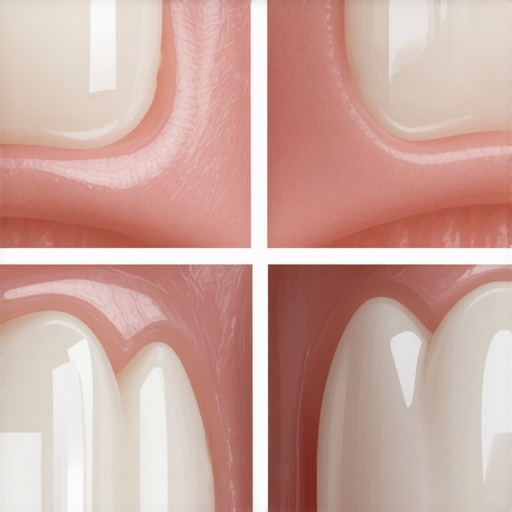
This is a question that haunts a lot of us as we get older and start noticing our teeth shifting. The reality is that mirrors provide a flipped perspective that our brains are accustomed to, while the camera lens—especially the wide-angle front-facing one on a phone—distorts the edges of the frame. If you feel like your alignment is off, it’s often due to subtle crowding that happens as we age. I’ve spent way too much time obsessing over photos, but learning why your smile looks crooked in selfies but not in the mirror helped me realize that dental health isn’t just about the color; it’s about the symmetry and how our jaw supports our facial structure. Many cosmetic dentistry myths debunked what you really need to know center around this idea that one single treatment can fix everything, when it’s usually a combination of health and alignment.
The hidden nuance of the sticky teeth sensation
Have you ever brushed your teeth perfectly, only to feel like they are ‘fuzzy’ or sticky again within two hours? Most people assume they just didn’t brush hard enough. In reality, that stickiness is a sign of your mouth’s microbiome reacting to your diet or a lack of saliva flow. If you are experiencing why your teeth feel sticky even after you brush, it’s a signal to look at your hydration and the pH of your mouth, not to reach for a harder brush. Using modern teeth cleaning innovations like ultrasonic tools can help manage this biofilm more effectively than manual scrubbing ever could. We need to stop viewing dental care as a battle of strength and start seeing it as a delicate balance of biology. Have you ever fallen into the trap of thinking ‘harder is better’ only to end up with sensitive teeth? Let me know in the comments!
Once I finally stopped treating my teeth like a DIY carpentry project, I had to figure out what actually worked for the long haul. It’s one thing to stop the damage; it’s another to build a routine that scales with your lifestyle. I’ve realized that professional-level results aren’t just about the hour you spend in the chair twice a year; they’re about the 730 other hours you spend at your bathroom sink. My transition from a ‘scrubber’ to a ‘strategist’ involved upgrading my toolkit with very specific hardware. For example, I finally understood why your dental hygienist uses a water flosser instead of manual tools during your deep clean. It’s about hydrostatic pressure—the ability to flush out bacteria from pockets that a string simply cannot reach. I personally use a cordless water flosser because it allows me to multitask in the shower, and the pulsating action provides a gum massage that actually stimulates blood flow, which is a game-changer if you’ve previously dealt with inflammation.
The specific gadgets that saved my enamel
I am a total convert to the high-end sonic toothbrush, but not for the reason you think. It isn’t just about the speed; it’s about the pressure sensor. Most modern brushes will literally flash a red light at you if you press too hard, acting as a constant coach to prevent that ‘sanding’ habit I mentioned earlier. If you’ve ever wondered why your jaw feels like it is vibrating when you use an electric toothbrush, it’s usually because the sonic frequency is disrupting the biofilm at a molecular level. According to a study published in the International Journal of Dental Hygiene, sonic technology can remove significantly more plaque in hard-to-reach interproximal areas compared to manual brushing, even when the user has ‘lazy’ technique. For anyone managing Invisalign maintenance expert tips for clear confident smiles, these tools are non-negotiable because they keep the attachments and buttons clean without chipping the resin.
#IMAGE_PLACE_HOLDER_D#
How do I maintain my dental results over the long haul?
Maintenance is where most people drop the ball. If you’ve invested in whitening or alignment, you have to protect that investment from your daily habits. For me, that meant finally figuring out how to clean the stubborn cloudiness off your night guard or aligners. I used to think a quick rinse was enough, but bacteria build-up on these devices can actually cause cavities by trapping acid against your teeth. I now use ultrasonic cleaning pods—small jewelry-cleaner-like devices—to shake off the micro-debris. If you’re dealing with sensitivity while maintaining your routine, look into teeth cleaning for sensitive teeth what works best in 2025, which often involves hydroxyapatite toothpastes that actually plug the tiny holes in your enamel. Consistency is the only way to avoid the ‘rebound’ effect where your teeth shift or stain again. I recommend setting a ‘dental audit’ on your calendar every three months to check your brush head and the clarity of your retainers.
The future of smiles is actually in your pocket
I predict that in the next five years, we will see a massive shift toward AI-integrated dental monitoring. We’re already seeing apps that sync with your brush to show you exactly which tooth you missed in real-time, but soon, your smartphone camera will be able to detect early-stage demineralization before it even becomes a cavity. This level of modern teeth cleaning innovations will make the ‘guesswork’ of oral health a thing of the past. If you really want to level up today, I challenge you to try the ‘fingertip grip’ for one week and see if your gum sensitivity decreases. It sounds simple, but changing the physics of how you hold your brush is the single most effective way to protect your enamel for the next forty years. Don’t wait for a ‘zing’ of pain to tell you that you’re brushing too hard—start auditing your pressure tonight.
The Hardest Lesson My Enamel Ever Taught Me
After years of aggressive scrubbing, I had to unlearn the idea that force equals cleanliness. Here are the lightbulb moments that finally changed my mindset: First, plaque is a soft biofilm, not hardened cement; it only takes the gentle touch of a soft bristle to disrupt it. Second, once your gums recede from over-brushing, they do not just grow back like a haircut—protection is a one-way street. Finally, a squeaky-clean feeling that comes with a zing of pain is actually a warning sign, not a badge of honor. You can find more about how regular teeth cleaning can prevent major dental issues when you prioritize technique over power.
The Minimalist Kit for a Lifetime of Healthy Smiles
If you are ready to ditch the scrub-aholic life, I recommend focusing on three specific tools that changed the game for me. I swear by a pressure-sensitive sonic toothbrush; it acts like a coach that buzzes when I am being too rough. I also integrated a water flosser for those deep pockets, which is why maintaining your teeth cleaning routine for long-term health becomes much easier when you are not fighting with string. #IMAGE_PLACE_HOLDER_E# Lastly, look into hydroxyapatite toothpaste—it is like a liquid enamel filler that helps soothe the damage from years of hard brushing. These are not just gadgets; they are the foundation for teeth cleaning tips for a brighter smile this spring and every season after.
Commit to a Brighter Future for Your Gums
Changing a lifelong habit is not easy, but your teeth are the only set you get. By switching to a soft brush and a lighter grip, you are making an investment that pays off in fewer fillings and less sensitivity ten years down the road. It is about being a strategist for your health rather than a warrior against your enamel. Mastering invisalign maintenance expert tips for clear confident smiles or even just a standard manual routine requires patience, but the result is a smile that feels as good as it looks. Take it one brush at a time, and listen to what your mouth is telling you. Have you ever noticed a zing of sensitivity after brushing too hard, or have you already made the switch to a softer brush? Let me know your experience in the comments below!