
I remember sitting at my kitchen table, staring at a plate of spaghetti, and feeling like I was chewing on a handful of loose change. I had just finished a much-needed deep cleaning earlier that morning, and while my teeth felt dentist-clean, my mouth tasted like a copper mine. It was incredibly frustrating. I thought I was doing something good for myself, but that persistent metallic tang made me regret the whole appointment for a few hours. If you are stuck with that same roll of pennies sensation right now, let me tell you: you aren’t alone, and it definitely won’t last forever. Today, I’m going to walk you through exactly why this happens and the gentle tricks I used to get my palate back to normal without making things worse.
That Weird Copper Flavor After the Dentist Is Actually Normal
I’ll be honest, when it first happened to me, I panicked. I even wondered if my old fillings were somehow disintegrating! I made the massive mistake of reaching for a bottle of high-intensity, alcohol-based mouthwash, thinking I could just scrub the taste away. Big mistake. It burned like crazy and actually made the metallic sensation even more pronounced by drying out my mouth. The reality is that during modern teeth cleaning innovations that reduce sensitivity, the gums are handled more than usual. Since blood contains iron, even tiny, microscopic amounts of bleeding under the gum line can leave that distinct metallic aftertaste. According to research from the American Academy of Periodontology, minor localized bleeding is a standard physiological response to the removal of subgingival biofilm. It’s just your body’s way of starting the healing process. Have you ever noticed this weird taste after a routine visit, or did it catch you completely off guard like it did me?
Will my mouth ever stop tasting like a copper pipe?
The short answer is yes, usually within 24 to 48 hours. But you don’t have to just tough it out while your morning coffee tastes like a nickel. I found that switching to a more delicate approach, like using teeth cleaning for sensitive teeth protocols at home, helped immensely. I also discovered that the salt water rinse secret works wonders not just for bites, but for neutralizing the pH in your mouth after a deep cleaning. By gently rinsing with warm salt water, you help soothe the tissue and wash away the iron remnants that are causing that metallic zip. It’s a low-tech solution that beats any fancy, burning mouthwash I’ve ever tried.
Wash Away the Metal with These Simple Moves
To get rid of that copper-pipe sensation, you have to treat your mouth like a delicate ecosystem that’s just survived a minor storm. Think of your saliva as the cleaning crew; when your mouth is dry, those metallic ions just sit on your tongue like rust on an old swing set. I once made the mistake of going for a run right after a deep cleaning, and because I got dehydrated, the taste became so intense it actually made me nauseous. If you’ve ever wondered why your mouth feels dry every time you start your morning workout, you know that a lack of moisture amplifies every sensation, especially the bad ones. Drink lukewarm water—not ice cold—to keep the saliva flowing without shocking your sensitive nerves.
Master the Gentle Rinse
Don’t reach for the blue, stinging mouthwash in the back of your cabinet. Instead, stick to the basics. I found that the salt water rinse secret for healing a bitten cheek faster applies perfectly here too. Dissolve half a teaspoon of sea salt in eight ounces of warm water. Swish it gently for 30 seconds and spit. This doesn’t just wash the mouth; it actually balances the pH levels, which neutralizes the metallic iron from the microscopic bleeding. 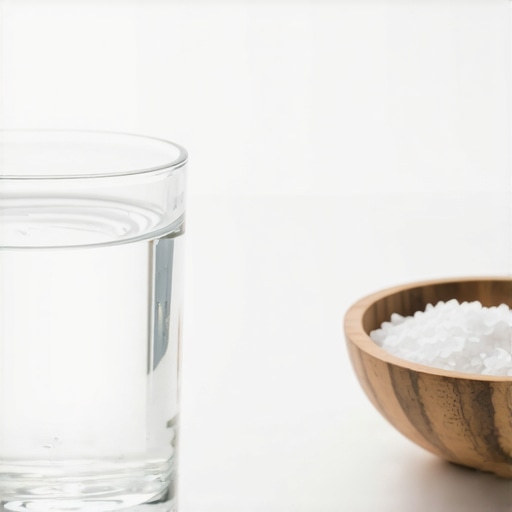
Avoid the Battery Acid Food Trap
After my last cleaning, I sat down and peeled a grapefruit. I might as well have licked a 9-volt battery. The acid in the fruit reacted with the lingering metallic ions and created a sharp, electric zing that lasted for an hour. Until that taste is gone, steer clear of citrus, vinegar-heavy dressings, and even highly spiced dishes. If you’ve struggled with how to stop your gums from stinging after eating spicy food, you already know your tissue is extra vulnerable right now. Stick to softer, neutral foods like yogurt, oatmeal, or mashed potatoes for at least 24 hours to give those gums a break.
Switch to a Softer Hygiene Routine
Even if you usually scrub like you’re trying to polish a floor, dial it back for the next two days. Use a brush designed for teeth cleaning for sensitive teeth to avoid reopening the tiny areas that are still healing. When we talk about maintaining your teeth cleaning routine for long-term health, consistency is key, but so is gentleness during recovery. If your gums are particularly tender, you might even skip toothpaste for one session and just use warm water and a soft-bristled brush to clear away debris without adding chemical irritants. This approach, combined with teeth cleaning secrets how regular care boosts oral health at any age, ensures you don’t turn a temporary metallic taste into a week-long ordeal. Using modern teeth cleaning innovations that reduce sensitivity can also prevent this issue from being as severe during your next visit.
Stop Scrubbing Your Way into Sensitivity
I used to think that after a professional cleaning, my job was to maintain that ‘squeaky clean’ feeling by brushing twice as hard. I fell into the trap of believing that if I could feel the bristles on my gums, I was doing it right. But here is the contrarian truth: over-cleaning in the first 48 hours is actually the fastest way to prolong that metallic taste and trigger real pain. In my experience, and as noted in teeth cleaning myths debunked by top dentists, your gums are technically in a state of ‘micro-trauma’ right after a deep scaling. When you scrub aggressively, you aren’t removing more plaque; you are simply preventing the tiny blood vessels from sealing properly. This keeps the iron-rich plasma leaking into your saliva, which is exactly why that copper flavor won’t go away. If you’ve ever felt like your teeth were ‘thinner’ after a session, you might be experiencing the reason your teeth feel thin near the gum line when you brush, which is often just heightened sensitivity from over-active cleaning.
The Charcoal Toothpaste Trap
The biggest ‘oops’ factor I see people commit—and I’m guilty of this too—is reaching for a whitening or charcoal toothpaste the morning after a cleaning. We want that Hollywood glow, so we use the strongest stuff we have. However, the truth about charcoal toothpaste and your tooth enamel is that it is incredibly abrasive. When your enamel is freshly ‘debrided’ by a hygienist, it’s temporarily more porous. Using high-abrasion pastes at this moment is like using sandpaper on a fresh sunburn. It strips away the protective pellicle layer that your saliva is trying to rebuild, making the metallic taste even more vivid. 
Why does the metallic taste return when I exercise?
This is a question I get asked constantly by fellow runners. You feel fine all morning, but as soon as you hit the three-mile mark, the copper taste is back. This happens because your blood pressure rises during exertion, and those freshly cleaned gingival pockets may experience microscopic ‘weeping.’ Additionally, mouth breathing during a workout dries out your saliva, concentrating the metallic ions. If you notice this, it’s a sign to dial back the intensity for one more day. I’ve found that modern teeth cleaning innovations that reduce sensitivity have made this less common, but the physiological response is still there. Expert research published in the Journal of Periodontology suggests that the ‘clotting cascade’ in the gums takes full 72 hours to completely stabilize after subgingival work. If you rush the process, you’re just resetting the clock. For long-term comfort, focus on maintaining your teeth cleaning routine for long-term health by using a soft brush and lukewarm water for those first three days. Have you ever fallen into this trap of over-cleaning and made your sensitivity worse? Let me know in the comments!
The High-Tech Gear That Actually Saved My Gums
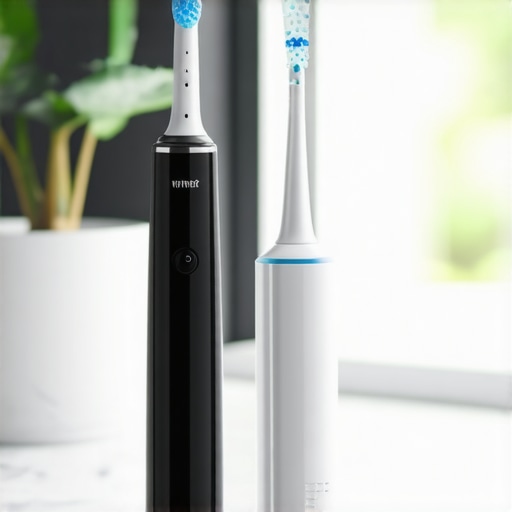
Once I got over the initial hurdle of that weird metallic aftertaste, I realized my old-school manual brushing habit was the root of most of my dental drama. I transitioned to a smart electric toothbrush with a built-in pressure sensor, and it was a revelation. I used to think I was being thorough, but the little red light on my brush told me I was essentially power-washing my gums into oblivion. If you’ve ever wondered why your jaw feels like it is vibrating when you use an electric toothbrush, it’s usually just the motor doing its job more efficiently than your hand ever could. In fact, according to a systematic review by the Cochrane Oral Health Group, power toothbrushes reduced plaque by 21% and gingivitis by 11% more than manual toothbrushes over a three-month period. This isn’t just about luxury; it’s about mechanical precision and long-term tissue preservation.
How can I maintain my professional results for the long haul?
The secret isn’t a one-time deep clean; it’s the specific equipment you use every single night. For those of us navigating the world of aligners, invisalign maintenance expert tips for clear confident smiles often emphasize the importance of hygiene tools that don’t scratch the delicate plastic. I personally swear by an ultrasonic cleaner for my trays—it uses high-frequency sound waves to shake loose the microscopic gunk you can’t see. And if you have a fixed bar behind your teeth, mastering the secret to flossing with a permanent lower retainer without losing your mind is a total game-changer for preventing tartar buildup. I also swapped my string floss for a high-powered water flosser. There is a reason why your dental hygienist uses a water flosser instead of manual tools; it flushes out the “dead zones” where bacteria love to hide, especially after how regular teeth cleaning can prevent major dental issues has already cleared the path.
Smart Sensors and the Future of Your Smile
Looking ahead, I predict we are moving toward a world where your bathroom mirror will scan your teeth for early signs of enamel wear or gingival recession before you even feel a zing of pain. We are already seeing modern teeth cleaning innovations that reduce sensitivity, but the next step is AI-driven dental apps that track your brushing coverage in real-time. This level of data is what makes maintaining your teeth cleaning routine for long-term health feel less like a chore and more like a precise wellness strategy. If you want to level up your routine right now, my best advice is to try the “non-dominant hand” trick: brush with your “weak” hand for a week. It forces you to slow down and focus on the angles rather than just applying raw, damaging pressure. Give that a shot tonight and see if your gums feel less irritated tomorrow!
What My Metallic Taste Taught Me About Oral Health
Going through that copper mouth phase changed how I look at dental hygiene. First, I realized that the metallic tang is actually a sign of the deep work being done—it’s not a failure, but a transition. I also learned that my body’s saliva production is my best ally; staying hydrated does more for neutralizing tastes than any minty spray ever could. Most importantly, I stopped fearing the process. Even if you encounter teeth cleaning myths debunked by top dentists that suggest otherwise, that temporary sensation is just your gums hitting the reset button for better health.
The Essentials I Use to Stay Ahead of Sensitivity
I’ve curated a small but mighty collection of tools that ensure I never have to deal with intense discomfort again. I highly recommend a high-quality electric toothbrush; if you aren’t used to it, you might wonder why your jaw feels like it is vibrating when you use an electric toothbrush, but that’s just the technology protecting your enamel. I also transitioned to a water flosser because I finally understood why your dental hygienist uses a water flosser instead of manual tools—it reaches the areas where those metallic ions and bacteria tend to hide. Finally, keeping a dedicated soft-bristle brush for the 48 hours following a visit is a non-negotiable for me now.
Take the Lead on Your Dental Journey
Don’t let a few hours of a weird taste discourage you from the incredible benefits of professional care. Every time you push through that minor recovery period, you are maintaining your teeth cleaning routine for long-term health and setting yourself up for a lifetime of confidence. Your smile is one of your greatest assets, and it deserves the specialized care that comes with teeth cleaning for sensitive teeth and modern techniques. You’ve got the tools and the knowledge—now it’s just about giving your mouth the time it needs to heal. Have you ever experienced a metallic taste after a visit, or did your recovery go smoothly? Let me know in the comments below!