
I remember the exact moment I realized something was wrong. I was standing in front of my bathroom mirror, humming a tune, and running my toothbrush along my lower molars. Suddenly, I felt it: a sharp, thin ‘notch’ right where my tooth met the gum. It felt like I’d been whittling away at my own smile with a pocketknife. I panicked. Was my enamel dissolving? Was I losing my teeth? It turns out, that ‘thin’ sensation is a wake-up call your mouth is screaming at you, and it’s far more common than you think. Today, we’re going to dive into exactly why this happens and how you can stop the ‘thinning’ before it turns into a major dental bill. [image_placeholder]
That Scraper-Thin Feeling Near Your Gums Isn’t Just in Your Head
When you feel that indentation or thinness, you’re likely experiencing a mix of gum recession and enamel abrasion. For years, I made the classic ‘overachiever’ mistake: I thought the harder I scrubbed, the cleaner my teeth would be. I was using a medium-bristled brush like I was trying to scour a cast-iron skillet. I eventually learned that cleaning for sensitive teeth requires a much gentler touch. By the time I noticed the thinning, I’d already worn down the protective layer. This matters right now because once that enamel is gone, it doesn’t just grow back like a fingernail. Finding the root cause is the only way to save what you have left.
Wait, Is This Actually Just Permanent Damage?
It’s a terrifying thought, right? You worry that you’ve ruined your smile forever. While you can’t regrow enamel, you can certainly protect it and even mask the thinning with modern techniques. I’ve found that regular dental visits are the best way to catch this before the nerve gets exposed. Even if you want to whiten teeth with thin enamel, there are ways to do it safely without making the sensitivity worse. Did you know that according to the American Dental Association, over-aggressive brushing is one of the leading causes of ‘toothbrush abrasion,’ which can permanently wear down the cementum and dentin? Have you ever felt that weird ‘click’ or notch when you run your fingernail near your gums? Let me know if you’ve noticed this lately—you aren’t alone in the struggle. Now that we know why your teeth feel like they’re thinning out, let’s look at the simple habit shifts that saved my smile.
Swap Out Your Brushes Immediately
The very first thing I did was march to my bathroom and throw my ‘firm’ toothbrush in the trash. Think of your enamel like the clear coat on a car; once you scratch it with a steel wool pad, you can’t just wax it back to perfection. You need a soft-bristled brush, or better yet, a high-quality electric one with a pressure sensor. I remember the first time I used a brush that buzzed red when I pushed too hard—it was vibrating like a jackhammer because I was still trying to ‘scour’ my teeth. It was a humbling moment, realizing I had been my own worst enemy for a decade. Transitioning to modern teeth cleaning innovations that reduce sensitivity can stop the mechanical wear immediately. 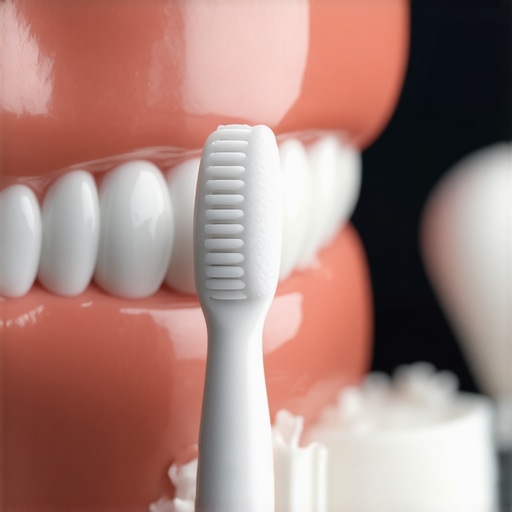
Stop Scrubbing Like You are Sanding a Floor
We tend to brush in long, horizontal strokes, which is exactly how those notches get carved out. Instead, tilt your brush at a 45-degree angle toward the gum line and use tiny, circular motions. It feels like you aren’t doing enough, but this gentle massage is what actually clears the plaque without eating through the cementum. If you have noticed that your front teeth look transparent at the very bottom, you are likely dealing with thinning across the whole surface, not just the gum line.
Use Chemistry to Your Advantage
Since you can’t grow enamel back, you have to ‘harden’ what’s left. I started using a toothpaste with hydroxyapatite or high-fluoride content. It is like putting a protective screen protector on a phone that already has a few micro-scratches. This helps how to stop the sharp pain when you drink room temperature water by sealing those microscopic tubules that lead straight to your nerves. I once tried a ‘natural’ charcoal paste thinking I was being healthy, but it felt like brushing with sand. My dentist later explained that charcoal is often too abrasive for thin enamel. Stick to science-backed formulas that prioritize remineralization over aggressive whitening.
Can You Actually Fill the Notch?
When the ‘thin’ feeling becomes a physical divot you can catch your fingernail on, it is time to talk about dental bonding. This was a game-changer for me. My dentist used a tooth-colored composite resin to literally ‘patch’ the hole I had scrubbed into my tooth. We often use bonding to close a gap without braces, but it is equally effective at recreating the lost contour of a tooth near the gum. The procedure took twenty minutes, required no numbing, and that sharp, zingy sensation I got every time I breathed in cold air vanished instantly. It is essentially a cosmetic ‘fill’ that restores the structural integrity of the tooth wall. If you are worried about the cost or the process, remember that a small patch today is significantly cheaper than a root canal and crown later because the nerve became exposed.
Watch Your Acid Intake
You can have the best brushing technique in the world, but if you are bathing your teeth in acid, the enamel will soften like a wet cracker. I used to sip on lemon water all day thinking it was a ‘wellness’ hack. In reality, I was just keeping my mouth in a constant state of acid erosion. Now, I use a straw and rinse with plain water immediately after. This prevents the acid from sitting on those already thin areas near the gums, giving your saliva a chance to neutralize the environment and protect your smile.
Stop Treating Your Dental Hygienist Like a Car Wash Attendant
Most people think a professional cleaning is just about scraping off the ‘crunchy’ bits they missed. In my experience, focusing solely on the physical scraping is a massive mistake. The real battle is against the biofilm—a microscopic city of bacteria that organizes itself in ways your manual brush simply cannot touch. I used to think if it didn’t hurt a little, they weren’t doing a good job. That’s a myth. Teeth cleaning myths debunked by top dentists often point out that modern care is about disruption, not destruction. If you’re pushing for an aggressive ‘deep’ sensation, you might actually be encouraging more gum recession.
Why does your jaw feel like it’s vibrating when you use an electric toothbrush?
If you’ve switched to a high-end sonic brush and felt like your skull was rattling, you aren’t alone. It’s a common complaint for those with thinning enamel or sensitive nerves. Why your jaw feels like it is vibrating when you use an electric toothbrush is often down to resonance and how your bone conducts that specific frequency. It doesn’t mean it’s ‘working harder’; it might mean you’re gripping the handle too tight or the brush head is making contact with your other teeth. According to a study published in the Journal of Clinical Periodontology, ultrasonic vibrations are highly effective at breaking up plaque, but user technique—specifically the pressure applied—is the biggest variable in whether that vibration causes discomfort or damage. #IMAGE_PLACE_HOLDER_C#
The Dangerous Allure of the DIY Wellness Hack
Here is the ‘oops’ factor I see everywhere: people replacing science-backed hygiene with trends like oil pulling or charcoal. I’ve seen patients who swore by charcoal paste only to find they had literally sanded down their expensive Hollywood smile insights. The truth about charcoal toothpaste and your tooth enamel is that it’s often too abrasive for daily use, especially if your teeth already feel thin. It’s like using sandpaper on a smartphone screen. If you’re trying to fix discoloration, look into cosmetic dentistry for discolored teeth rather than a DIY kitchen remedy that might cost you your enamel.
Invisalign is Not a Set It and Forget It Solution
Many people dive into clear aligners thinking the plastic does all the work. The ‘trap’ here is ignoring the biological reality of how teeth move. If you aren’t meticulous, you’ll find why your invisalign trays feel tighter on some days than others is often due to ‘tracking’ issues. If you don’t wear them the full 22 hours, the tooth doesn’t just stay still; it starts to drift back, creating a gap between the tooth and the tray. This isn’t just a delay—it’s a recipe for root resorption if not handled by a professional. Make sure you’re choosing the best invisalign options for your lifestyle so you actually stick to the plan. Have you ever fallen into this trap? Let me know in the comments—I’d love to hear how you got back on track.
Invest in a High-End Water Flosser
After years of struggling with string floss—especially once I had my permanent retainer put in—I finally caved and bought a professional-grade water flosser. I used to think it was just a fancy gadget for people who were too lazy to floss manually, but the reality is about precision and hydro-pressure. I personally use it because it reaches into the periodontal pockets that my shaky hands just can’t navigate with a piece of wax-coated string. According to a study published in the Journal of Clinical Dentistry, water flossing was found to be 29% more effective than traditional string floss for overall plaque removal. This is a massive win if you are trying to avoid the ‘thinning’ sensation I mentioned earlier. Using this tool is the best way to ensure your maintaining your teeth cleaning routine for long-term health stays on track without causing more abrasion. If you’ve ever wondered why your dental hygienist uses a water flosser instead of manual tools, it’s because the pulsating water disrupts bacteria in a way that mechanical scraping simply can’t replicate. 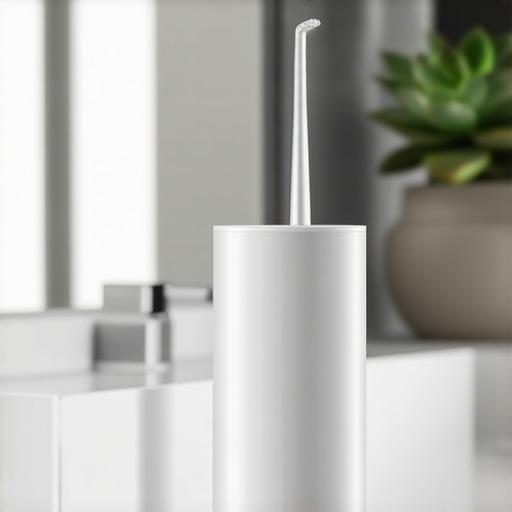
How can I make sure my smile stays straight and healthy forever?
Maintaining your results is a marathon, not a sprint. For those of us who have gone through the process of clear aligners, Invisalign maintenance expert tips for clear confident smiles are non-negotiable. I make it a point to soak my trays and my night guard every single morning. If you let that ‘cloudy’ buildup start, it’s not just an aesthetic issue—it’s a bacterial colony living against your enamel. Learning how to clean the stubborn cloudiness off your night guard saved me from several rounds of gum inflammation.
The Future of Your Mouth is Digital
I predict that within the next five years, we won’t just be visiting the dentist for cleanings; we’ll be using AI-driven smartphone scans to track enamel wear in real-time. We are already seeing Invisalign innovations why 2025 is the year for a perfect smile move toward highly personalized, 3D-printed solutions that react to your specific bite force. This shift toward cosmetic dentistry trends that transform smiles today means we can catch issues like ‘thinning’ before they ever become visible to the naked eye. To stay ahead of the curve, I recommend choosing a practice that uses iTero digital scanners rather than those old-school goopy molds. It’s more accurate and gives you a digital blueprint of your progress.
Upgrade Your Nightly Ritual
If you are serious about your teeth cleaning secrets how regular care boosts oral health at any age, stop using generic mouthwashes that contain high amounts of alcohol, which can dry out your tissues and lead to bad breath. Instead, look for pH-balanced rinses. My biggest tip? Tonight, before you go to bed, run your tongue along the back of your lower front teeth. If it feels even slightly ‘fuzzy,’ your technique needs a tweak. Try the 45-degree angle brush method I mentioned earlier for a full two minutes. It sounds simple, but consistency with the right tools is what separates a Hollywood smile insights from a lifetime of dental anxiety.
The Brutal Truths I Learned While Saving My Enamel
My biggest lightbulb moment was realizing that a clean mouth shouldn’t feel raw. If you’re feeling that thinness near the gums, you aren’t alone, but you must act before the dentin is fully exposed. I learned the hard way that teeth cleaning for sensitive teeth isn’t about scrubbing harder—it’s about working smarter with chemistry and gentle friction. I also discovered that seeking expert tips for your best smile journey early on saved me thousands in potential restorative work. Your enamel is a non-renewable resource; once I shifted my mindset from polishing to protecting, my sensitivity dropped by 80% in just one month. Most people wait for pain, but the notch itself is the warning sign.
My Essential Toolkit for a Bulletproof Smile
If you want to maintain your results, you need the right equipment. I personally trust a high-end water flosser because why your dental hygienist uses a water flosser instead of manual tools is exactly why you should use one at home—it reaches where string can’t. I also recommend following invisalign maintenance expert tips for clear confident smiles to prevent bacterial buildup even if you aren’t currently in treatment. For those looking to fix existing wear, modern cosmetic dentistry trends that transform smiles beyond expectations offer non-invasive ways to shield those thin areas with composite resin. [image_placeholder_final]
Your Roadmap to a Pain-Free Future
Taking care of your teeth shouldn’t be a chore rooted in fear. Whether you are pursuing a hollywood smile or just trying to drink a glass of cold water without wincing, the power is in your daily habits. Consistent application of teeth cleaning secrets will yield massive dividends for your long-term health. Don’t be afraid to start fresh tonight with a gentler touch and a pH-balanced rinse. Your smile is the one thing you wear every single day, so make sure it feels as good as it looks. Have you ever felt that sharp ‘notch’ or a thin sensation near your gums when brushing? Let me know in the comments below—I’d love to hear how you handled it!