
I was sitting at a fancy dinner last month, celebrating a personal milestone with my new, confident smile after reading about Invisalign success stories, when it happened. One wrong move with a piece of crusty bread and—CRUNCH. I didn’t just nip my cheek; I practically tried to eat it. The pain was immediate, sharp, and I knew from experience that a swelling ‘crater’ would be my companion for the next week. Or so I thought. In the past, I’d rush to the pharmacy for expensive, numbing gels that tasted like chemicals, but a fellow enthusiast once shared a ‘neighborly’ secret with me that changed everything. I used to think complicated problems required complicated solutions, but the most effective tool for oral healing has been sitting in your kitchen since the day you moved in. Today, I’m going to show you exactly how to use a simple salt water rinse to cut your healing time in half and stop the throbbing before it takes over your day. [image_placeholder_1]
Salt Water Beats Expensive Pharmacy Gels Every Time
For years, I made the classic rookie mistake: I thought if a treatment didn’t sting or cost twenty dollars, it wasn’t working. I even tried using high-intensity rinses once, which led to that awful sensation where your mouth feels like it is burning, only to find the wound looked angrier the next morning. The reality is that your mouth is an incredibly efficient healing machine, provided you don’t get in its own way. Salt water doesn’t just ‘clean’ the wound; it works through osmosis. By increasing the salinity in your mouth, you’re actually drawing excess fluid out of the inflamed tissue, which reduces that annoying ‘puffy’ feeling that makes you keep re-biting the same spot. It’s a technique very similar to the exact way to rinse your mouth after a tooth extraction, focusing on gentle recovery rather than aggressive scrubbing. Have you ever bit your cheek so hard you actually worried you’d need to see a professional just to make the throbbing stop?
Is a basic kitchen staple really worth the hype?
I know what you’re thinking because I thought it too: ‘It’s just salt and water; how can that compete with modern medicine?’ It sounds too simple to be true. However, the science is solid. According to clinical studies published by the National Institutes of Health, saline solutions promote cell migration and reduce inflammation significantly more effectively than many commercial alternatives. It creates a temporary alkaline environment in the mouth that most bacteria simply cannot thrive in. When I first started focusing on my teeth cleaning tips, I realized that the best oral health isn’t about the strongest chemicals, but about maintaining the right balance. Using salt water is about supporting your body’s natural pH. It’s not about a ‘miracle cure,’ it’s about giving your white blood cells the perfect workspace to do their job without being harassed by food particles or harmful bacteria. Now that you understand the ‘why’ behind this ancient remedy, let’s get into the specific ratios and the ‘one-minute rule’ that makes all the difference.
Stop Guessing and Mix Your Healing Solution the Right Way
To get the full benefit of a saline rinse, you have to treat it like a recipe, not a casual suggestion. Use about eight ounces of warm water. When I say warm, I mean the temperature of a comfortable bath. If you go too hot, you risk further irritating the sensitive mucosal lining of your mouth, much like the discomfort you feel when your mouth feels like it is burning after using whitening strips. Add half a teaspoon of high-quality salt—standard table salt works fine, but avoid anything with heavy perfumes or additives. Stir until the water is completely clear. If you see salt crystals sitting at the bottom of the glass, the solution is saturated and won’t be as effective at drawing out the swelling. This simple mix is a cornerstone of invisalign maintenance and general oral recovery because it provides a clean slate for your gums to repair themselves.
Why the Temperature of Your Water Actually Matters
The heat isn’t just for comfort; it helps the salt dissolve and increases blood flow to the affected area. Cold water can cause a sharp, stinging sensation if you have exposed nerves or recent dental work. Think of it as a warm compress for the inside of your cheek. [image_placeholder_1]
The One-Minute Rule for Maximum Results
Most people make the mistake of just swishing for five seconds and spitting. That isn’t enough time for osmosis to occur. You need to keep the solution moving gently around the wound for a full sixty seconds. Don’t swish with the intensity of a hurricane; a gentle, rhythmic movement is all you need. I learned this the hard way after a particularly deep cheek bite. I was so aggressive with my rinsing that I actually aggravated the wound further, making it bleed again. If you’ve ever dealt with teeth cleaning for sensitive teeth, you know that gentle care is always superior to force. When you’re finished, spit the solution out entirely. Never swallow it, as the salt has now collected the bacteria and debris you’re trying to remove.
How Often Should You Actually Be Rinsing?
Consistency is your best friend here, but overdoing it can backfire. Aim for three to four times a day. Ideally, you should rinse after every meal to ensure no food particles are trapped in the ‘crater’ of the bite, and once more before bed. Over-rinsing—say, every hour—can actually dry out your mouth and lead to that weird, dehydrated feeling where the reason your gums feel spongy after a weekend of heavy snacking becomes a daily reality. This frequency is also the gold standard for how to stop the throbbing in your jaw after a wisdom tooth extraction, keeping the area clean without disturbing the body’s natural healing process.
Don’t Fall for the Brine Trap
I’ll never forget the time I tried to ‘power through’ a nasty mouth sore by using a salt concentration that was practically a paste. I thought if a little salt was good, a lot must be a miracle. Within ten minutes, my entire mouth was parched, and I ended up with a secondary irritation that sent me looking for the best way to soothe a burn on the roof of your mouth. It was a messy, painful lesson in following the ratio. Excessive salt can actually pull too much moisture from your healthy cells, slowing down the repair process. If you are in the middle of dental alignment and find that your teeth feel loose during the second month of invisalign, sticking to the standard ratio will keep your gums firm and healthy without the risk of ‘pickling’ your delicate tissues.
While we’re on the subject of ‘gentle but effective,’ I need to debunk a massive myth that even my most health-conscious friends believe: the idea that professional dental care is just a more expensive version of what you do at home. Everyone says that a thorough brushing is all you need, but in my experience, the ‘shine’ is the least important part of the visit. When you look into teeth cleaning myths debunked by top dentists, you realize that professional cleaning is actually about managing the sub-gingival microbiome—the stuff your toothbrush literally cannot reach regardless of how hard you scrub. In fact, scrubbing too hard is one of the most common ways people accidentally damage their gums, leading to recession that no amount of salt water can fix. 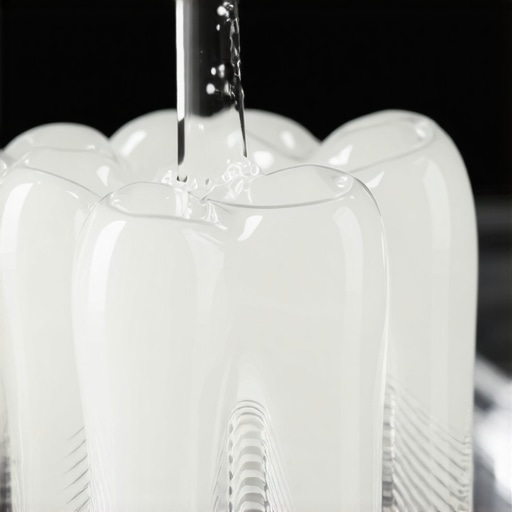
Stop Treating Your Clear Aligners Like They Are Indestructible
Here is the ‘oops’ factor I see constantly in the Invisalign community. People get so obsessed with keeping their trays ‘sterile’ that they use abrasive whitening toothpastes or even boiling water to clean them. This is a massive mistake. High-heat and abrasive chemicals can warp the medical-grade plastic, leading to a situation where your invisalign trays feel tighter on some days than others because the fit has actually changed. If you want to avoid that ‘gym locker’ scent without ruining the integrity of the aligner, you need to learn how to stop your invisalign trays from smelling like plastic using non-abrasive, pH-neutral soaks. I’ve seen patients delay their treatment by months just because they ‘cleaned’ their way into a set of trays that no longer tracked their tooth movement correctly.
Why do some teeth refuse to move even with perfect aligner wear?
It’s frustrating when you follow every rule but one stubborn canine won’t budge. This is where the nuance of ‘biological compliance’ comes in. A study published in the Journal of Periodontology highlights that tooth movement isn’t just about pressure; it’s about the remodeling of the alveolar bone. If your systemic inflammation is high—perhaps from a poor diet or underlying gum issues—your bone won’t ‘remodel’ as efficiently. This is why cosmetic dentistry myths debunked often point back to basic health. You can’t force a biological process with more plastic pressure; you have to support the tissue health from the inside out. If you’ve noticed that your teeth feel loose during the second month of invisalign, that’s actually a sign the bone is successfully softening to allow movement, but it requires patience, not force.
The Hidden Cost of the White at All Costs Mindset
We live in an era where everyone wants a Hollywood smile yesterday. But here is the contrarian truth: chasing extreme whiteness often masks structural decay. I’ve talked to many enthusiasts who spent thousands on veneers only to realize they didn’t address the underlying bite alignment. Using invisalign innovations to fix your bite first is almost always the smarter long-term play for your oral health. A pretty smile that doesn’t function correctly will eventually lead to cracked porcelain and jaw pain. Have you ever fallen into the trap of prioritizing the ‘look’ of your teeth over how they actually function? Let me know in the comments. I’m curious to see how many of us have learned these lessons the hard way.
The Water Flosser is the Unsung Hero of My Bathroom
I used to be a manual floss purist. I thought if I wasn’t struggling with a piece of string wrapped around my purple fingers, I wasn’t really cleaning. But once I invested in a professional-grade water flosser, the game changed. I specifically recommend the cordless versions for people with busy lifestyles because you can use them in the shower, saving precious time in the morning. This is one of the reasons why your dental hygienist uses a water flosser instead of manual tools; it flushes the gingival pocket with a level of pressure that physical string just cannot replicate. When you are dealing with Invisalign attachments, which act like tiny hooks for plaque, this pressurized stream is the only thing that ensures your teeth cleaning tips actually result in a cavity-free checkup.
How do I maintain my alignment for the next decade?
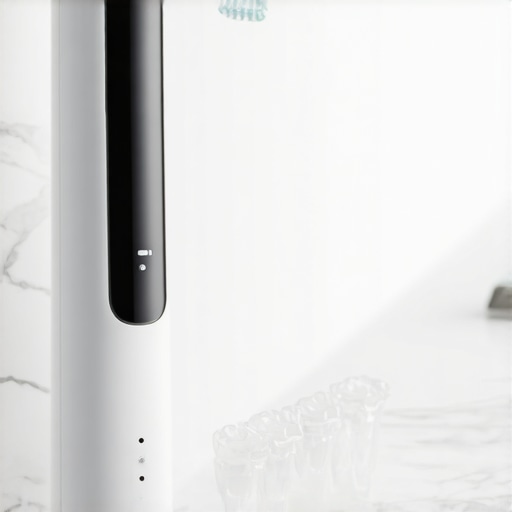
The most common tragedy I see in cosmetic dentistry is the ‘five-year drift.’ This happens when a patient finishes their treatment, feels invincible, and slowly stops wearing their nighttime retainer. To keep your results, you need to view your retainer as a lifelong companion, not a temporary phase. A systematic review published in the Cochrane Library found that power toothbrushes provide a 21% reduction in plaque after three months compared to manual brushing. This evidence is why I tell everyone that the sensation of why your jaw feels like it is vibrating when you use an electric toothbrush is actually the sound of your enamel being saved from long-term erosion. Keeping your tools clean is just as vital; learning how to clean the stubborn cloudiness off your night guard will prevent bacterial buildup that can lead to gum recession over time.
AI is Already Mapping Out Your Next Perfect Smile
Looking ahead, the future of oral health is becoming increasingly predictive. We are moving toward a world where why invisalign is the future of clear braces isn’t just about the plastic, but about the AI-driven software behind it. Within the next three years, I expect we will see home-based scanning apps that alert you the moment your teeth begin to shift even a fraction of a millimeter. This proactive approach will mean modern teeth cleaning innovations that reduce sensitivity and boost results will be tailored to your specific genetic makeup. You won’t just be cleaning your teeth; you’ll be managing a personalized biological asset. If you are currently in the middle of a transformation, I highly recommend checking out the ultimate guide to invisalign for adults in 2025 to see how these digital tools are already being integrated into standard care.
If you want to scale your results and truly achieve that Hollywood look, my advanced tip is to switch to an ultrasonic cleaner for your trays. It uses sound waves to cavitate the water, removing microscopic debris that a toothbrush can’t see. Try it for one week, and you’ll never go back to scrubbing by hand. It’s all about maintaining your teeth cleaning routine for long-term health through smarter, not harder, efforts.
Lessons from the Front Lines of My Own Oral Recovery
After years of navigating everything from accidental cheek bites to a full smile makeover, I’ve realized that the most expensive solution isn’t always the smartest. First, I learned that ‘feeling’ your teeth move during treatment is actually a sign of healthy bone remodeling, not a disaster in progress. Second, I discovered that consistency with simple habits—like the salt water rinse—beats a one-time ‘miracle’ product every single time. Finally, the biggest lightbulb moment was realizing that choosing the right dentist isn’t just about finding someone who can clean teeth, but someone who understands the complex biology of your unique smile. Stop looking for quick fixes and start looking for sustainable health.
The Essential Toolkit That Stays on My Bathroom Counter
If you were to look in my cabinet today, you wouldn’t find a graveyard of whitening strips; you’d find a curated selection of tools that actually deliver results. I swear by my ultrasonic cleaner for invisalign maintenance because it keeps things clear without the micro-scratches manual brushes leave behind. I also never travel without a portable water flosser. There is a reason why your dental hygienist uses a water flosser instead of manual tools; it simply reaches the areas that create long-term problems. Lastly, I keep high-quality sea salt on hand—not for cooking, but for that immediate anti-inflammatory response whenever my gums feel stressed. [image_placeholder_ending]
The Confidence of a Healthy Smile is Within Your Reach
Your oral health journey doesn’t have to be a series of painful mistakes and expensive surprises. Whether you are just starting to look into invisalign innovations or you are simply trying to perfect your maintaining your teeth cleaning routine for long-term health, the power is in your hands. Start tonight with a simple salt water rinse. It’s the easiest way to reset your mouth’s environment and give your body the space it needs to heal. When you combine these ancient, simple methods with choosing the best invisalign options for your lifestyle, you aren’t just fixing your teeth; you’re investing in a lifetime of confidence. Have you ever found a simple ‘home remedy’ that worked better than the expensive store-bought stuff? Let me know your experiences in the comments below!