
I remember one specific Sunday night after a weekend-long movie marathon fueled entirely by buttery popcorn and those chewy, red licorice sticks. My mouth didn’t just feel dirty; it felt thick. When I ran my tongue along my gumline, it wasn’t the firm, pink tissue I was used to. It felt like I was pressing into a damp kitchen sponge. I freaked out. I thought I’d somehow managed to lose half my jawbone over a few bags of snacks. I spent the next twenty minutes frantically Googling symptoms, convinced I needed emergency surgery. I looked in the mirror, pulling my lip back, expecting to see a horror movie. Instead, I just saw slightly red, slightly puffy gums. The truth was much simpler, though no less gross: I’d basically invited a billion bacteria to a buffet and they’d decided to set up a permanent camp. Today, I’m going to show you exactly why that ‘squishy’ feeling happens and how you can bounce back before it turns into a real dental nightmare. Have you ever woken up after a holiday party and felt like your gums were suddenly twice their normal size? [image_placeholder]
Your Gums are Reacting to a Sugar-Induced Bacteria Bloom
The thing about heavy snacking—especially the salty, starchy, or sugary kind—is that it creates a perfect storm for your oral microbiome. When you snack continuously, your mouth never gets a chance to return to a neutral pH. You’re constantly feeding the bacteria that live in your plaque. These little guys produce acid and toxins as they digest your leftovers, and your gums are the first to sound the alarm. That spongy feeling? It’s actually inflammation. Your body is sending extra blood and immune cells to the area to fight off the bacterial invasion. I made a huge mistake during my first ‘spongy’ episode. I grabbed the stiffest toothbrush I could find and tried to scrub the puffiness away. Big mistake. It just made things worse. I should have been looking into teeth cleaning for sensitive teeth instead of treating my mouth like a dirty hubcap.
Can snacking really cause permanent damage that fast?
It feels impossible that forty-eight hours of indulgence could change your physical anatomy, but your mouth moves fast. According to the American Academy of Periodontology, plaque can begin to irritate the gums and cause the early stages of gingivitis in a surprisingly short window. If you aren’t careful, that temporary puffiness can lead to the need for professional help. Learning teeth cleaning secrets for home care is great, but knowing how regular teeth cleaning can prevent major dental issues is the real game-changer.
How to Stop the Squish and Restore Your Gums
You don’t need to panic, but you do need to act. The first thing you notice is often how to stop your gums from bleeding when you finally decide to floss away the debris. That blood is just a sign of how much work your immune system is doing. We’re going to dive into the specific steps to flush out those toxins and get your smile back to its firm, healthy state. Have you ever felt that weird, soft texture after a long weekend and worried it was permanent? Let me tell you, getting back to normal is easier than you think if you don’t over-scrub.
Reset Your Oral pH Before You Reach for the Brush
The immediate goal is to stop the acid bath. When your gums feel like wet bread, it’s a sign the environment is too acidic. Instead of attacking the area with a brush, start by rinsing with a warm salt-water solution. It’s the ultimate low-tech hack. The salt helps draw out the excess fluid from your swollen gum tissue—think of it as a natural decongestant for your mouth. If you skip this and go straight to scrubbing, you’re just pushing bacteria deeper into the periodontal pockets. I’ve seen people try to ‘clean’ their way out of a dental emergency only to end up needing modern teeth cleaning innovations that reduce sensitivity and boost results because they’ve shredded their own tissue. 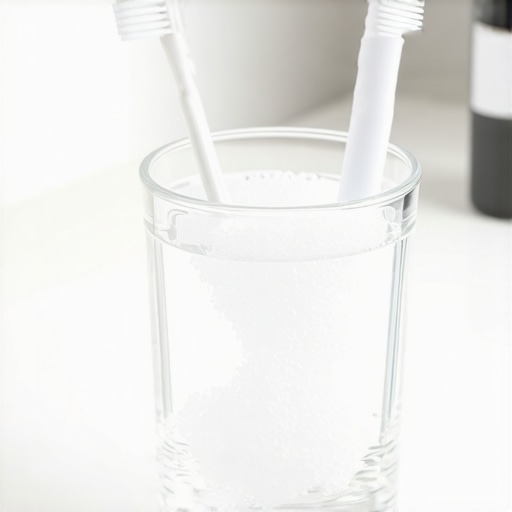
Stop Scrubbing Your Gums Like a Dirty Hubcap
Your gums are delicate living tissue, not a garage floor. When they are already inflamed from a sugar binge, your instinct is to brush harder to get rid of that ‘fuzzy’ feeling. Resist that urge. Use a soft-bristled brush and move in tiny, circular motions right at the gum line. Imagine you are trying to clean the dust off a ripe peach without breaking the skin. That is the level of pressure you need. If you’ve ever noticed how to stop your gums from bleeding, you know that the trick isn’t force; it’s consistency. I once spent a whole Monday morning with a throbbing jaw because I used a ‘firm’ brush to ‘punish’ my gums for eating a whole bag of gummy bears. It was a miserable lesson in anatomy that left my mouth feeling more like a construction site than a smile.
Handle the Popcorn Hull Without the Trauma
We’ve all been there—that one tiny piece of corn husk that wedges itself between the tooth and the gum. During my infamous movie marathon, I had a stubborn husk that I tried to remove with the corner of a credit card. Don’t do that. You will cause a localized infection that makes the ‘squishy’ feeling ten times worse. Instead, tie a small knot in your floss and gently pull the knot through the gap to ‘catch’ the debris. If it’s really stuck, you need to know how to safely remove a piece of popcorn stuck under your gum line without turning your bathroom into a minor surgery center.
Why Your Gums Throb After a Sugar High
It’s not just a feeling; it’s a physiological response. High sugar intake spikes the glucose levels in your saliva, which is essentially rocket fuel for the bacteria that cause gingivitis. You might even find yourself wondering why your gums throb after drinking a fruit smoothie or eating a sleeve of cookies. The pressure you feel is the inflammatory response working overtime. While you’re waiting for the swelling to go down, it’s a great time to evaluate your overall aesthetic goals. If your gums are chronically puffy, it might be masking a great smile that could benefit from the ultimate guide to teeth whitening and cosmetic enhancements once the health of your tissue is restored.
The 24-Hour Recovery Rule
Give your mouth a full 24 hours of ‘clean eating’ to let the inflammation subside. This means no sodas, no crunchy chips, and definitely no more licorice. Drink plenty of water to keep your saliva flow high, which naturally washes away lingering toxins. If the squishiness doesn’t resolve after a day of gentle care, it’s a sign that the bacteria have moved from a temporary party to a long-term lease. That is when you stop the home remedies and call in a professional to handle the deep-seated plaque before it hardens into tartar.
Stop Chasing the ‘Furry’ Feeling with Brute Force
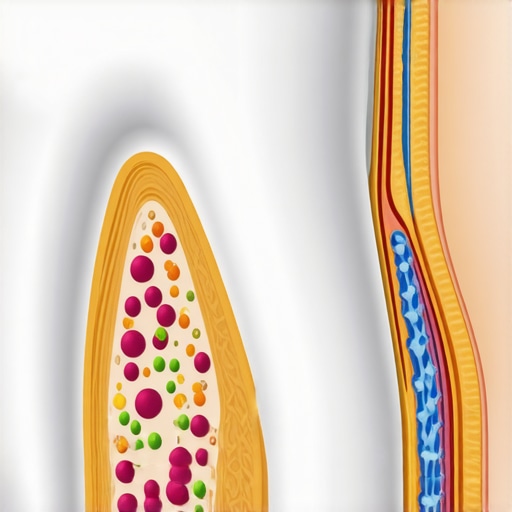
We often think that if our teeth feel ‘squeaky,’ they must be clean. However, the contrarian truth is that this ‘squeak’ is often a sign that you have stripped away the necessary protective pellicle of your enamel. Most people assume that professional cleanings are just an expensive version of what they do at home. In reality, a professional cleaning disrupts the biofilm—a complex, microscopic bacterial community that your soft-bristled brush simply cannot penetrate once it matures. If you have ever wondered about the reason your teeth feel furry only hours after a professional cleaning, it is not because the hygienist missed a spot; it is because your unique oral chemistry is resetting its microbiome. Falling into the trap of over-brushing to combat that ‘fuzziness’ is a classic ‘oops’ that leads to permanent gum recession.
Why You Shouldn’t Whiten Your Way Out of a Health Problem
One of the biggest mistakes I see during my analytical deep dives is the urge to use aesthetics to mask underlying health issues. If your gums are spongy and red from a sugar binge, reaching for a bleaching kit is the worst thing you can do. High-strength peroxides can cause severe chemical burns on already compromised tissue. You might end up wondering why your gums look pale after using a high-strength whitener, which is a red flag for acute tissue distress. According to a study published in the Journal of Periodontology, localized inflammation significantly increases the risk of pulpal sensitivity during cosmetic procedures. You must stabilize the foundation first. I always recommend reviewing cosmetic dentistry myths debunked before you commit to a DIY brightening routine while your gums are still sounding the alarm.
Can Clear Aligners Actually Improve Your Long-Term Gum Health?
Many patients view orthodontics solely as a path to a ‘Hollywood smile,’ but the hidden nuance is structural accessibility. Crooked teeth create ‘nooks and crannies’ that are virtually impossible to clean, even with the best home-care technique. This is why Invisalign is the future of clear braces; it is not just about the look, it is about making your mouth easier to maintain to prevent that ‘spongy’ feeling from returning. When teeth are aligned, your brush and floss can actually reach the targets they are meant to hit. However, a common mistake during treatment is neglecting the trays. If you aren’t diligent, you’ll need to learn how to stop your invisalign trays from smelling like old saliva, which is a clear indicator that bacteria are being trapped against your enamel for 22 hours a day. Have you ever fallen into the trap of thinking you could ‘scrub away’ a gum infection? Let me know in the comments below. Balancing health and beauty is a marathon, and it starts with understanding the science behind the squish.
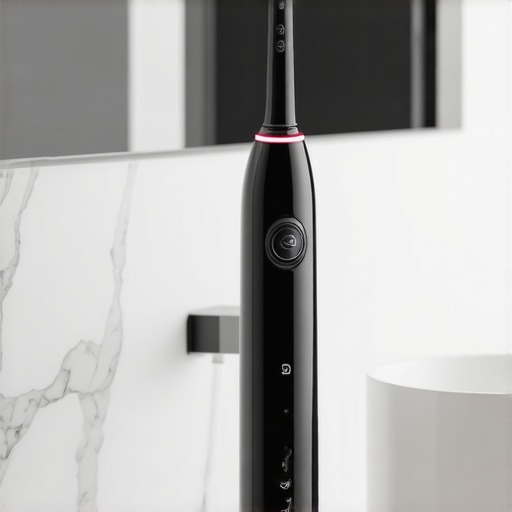
Once you have moved past the initial panic of the ‘squishy’ gum phase, the real challenge begins: ensuring that inflammation never gets a foothold in your mouth again. I used to be a serial flosser only in the three days leading up to my dental appointment. We all know that game. However, true oral stability comes from maintaining your teeth cleaning routine for long-term health with consistency rather than intensity. I personally switched to a pressure-sensitive electric toothbrush with a built-in sensor that flashes red the second I press too hard. It is like having a tiny, non-judgmental hygienist in my hand. If you are struggling with discomfort, you should look into modern teeth cleaning innovations that reduce sensitivity and boost results, which have completely changed how I view my bi-annual visits.
Ditch the Manual Brush and Save Your Enamel
I am a huge advocate for tech in the bathroom. A meta-analysis published in the Journal of Clinical Periodontology suggests that interdental brushes and high-quality electric toothbrushes are significantly more effective at plaque removal than manual brushing alone, especially in the posterior teeth where most gum disease starts. This is not just marketing; it is about the mechanics of how we clean. For those currently navigating a smile transformation, following Invisalign maintenance expert tips for clear confident smiles is non-negotiable. I have seen people spend thousands on alignment only to let their hygiene slip because they were lazy with their trays. You have to be diligent, or you will eventually be searching for how to stop your invisalign trays from smelling like plastic because of bacterial buildup.
How can I maintain a healthy gum line for the long haul?
The secret is a combination of the right tools and the right partner. This means choosing the right dentist expert tips for your best smile journey so you have a professional who tracks your bone levels and gum recession over decades, not just months. Long-term maintenance is a marathon, and you need a diagnostic team that uses digital scanning to compare your gum levels year over year. This proactive approach prevents the ‘surprises’ that lead to emergency visits.
Look Into the Future of AI-Powered Oral Care
I predict that within the next few years, we will see the widespread adoption of AI-integrated cameras in our toothbrushes that sync with our phones to show us exactly where we missed a spot in real-time. We are already seeing the groundwork for this in Invisalign innovations why 2025 is the year for a perfect smile, where digital planning predicts tooth movement with frightening accuracy. The technology is shifting from simply ‘fixing damage’ to ‘biological enhancement.’ My one advanced tip for you today is this: start using an alkaline-based mouthwash instead of the traditional alcohol-based versions. It neutralizes the bacterial acid in your mouth instantly without drying out your tissues. Try it for one week—you will notice your gums feel tighter and your breath stays fresher much longer.
Recovering from that unsettling ‘spongy’ gum feeling is more than just a 24-hour fix; it is about building a resilience that prevents the cycle from starting over. After my own scare with inflammatory puffiness, I realized that oral health is not a static state but a dynamic balance. When you prioritize the biological health of your tissue, everything else—from the brightness of your teeth to the alignment of your bite—becomes much easier to manage.
Lessons Learned from a Decade of Dental Trial and Error
Reflecting on my journey from panicked Googling to proactive maintenance, three major insights changed how I approach my daily routine. First, I stopped viewing bleeding as a failure and started seeing it as a data point; it told me exactly where my technique was lacking. Second, I learned that more pressure never equals more cleanliness. In fact, gentle, consistent disruption of biofilm is the only way to avoid long-term recession. Lastly, I discovered that choosing the right dentist expert tips for your best smile journey is about finding a partner who values prevention as much as you do. These lightbulb moments moved me away from emergency ‘punishment brushing’ toward a sustainable, healthy lifestyle.
The Minimalist Toolkit I Swear By for Healthy Gums
You do not need a cabinet full of gadgets to maintain a firm gum line, but you do need the right ones. My essential toolkit includes an alkaline-based mouthwash, which I trust because it neutralizes acid instantly without the stinging alcohol that dries out sensitive tissue. I also rely on a pressure-sensitive electric toothbrush to keep my ‘cleaning ego’ in check. For those looking at more significant changes, I suggest reading through invisalign success stories real patients real transformations to see how structural alignment impacts long-term hygiene. Finally, staying informed on cosmetic dentistry trends that transform smiles beyond expectations helps me understand that a beautiful smile must be built on a healthy, non-squishy foundation.
A Healthier Smile is Within Your Reach
Don’t let a weekend of indulgence define your oral health for the rest of the year. The human mouth is incredibly resilient when given the right environment to heal. By focusing on pH balance, gentle cleaning, and professional partnership, you can turn that ‘squishy’ feeling into a distant memory. Your commitment to regular teeth cleaning and proactive care is the best investment you will ever make in your self-confidence. Have you ever experienced that weird squishy gum feeling after a weekend of snacking? Tell me how you handled it in the comments below!