
It happened at 8:00 PM on a rainy Tuesday. I was so hungry I didn’t even wait for the steam to stop rising from my extra-cheese pepperoni pizza. Huge mistake. That first bite sent molten cheese straight to the delicate skin behind my front teeth, and I immediately felt that dreaded ‘peeling’ sensation. I spent the next three days feeling like I had a piece of rough sandpaper glued to my palate. If you have ever been betrayed by a hot slice of pizza or a scalding cup of coffee, you know exactly the kind of throbbing, annoying misery I am talking about. Today, I am going to share exactly how I stopped the pain in its tracks and how you can avoid the mistake I made of trying to ‘scrape’ the burnt skin away, which only makes the recovery take twice as long.
Have you ever had a burn so bad you couldn’t even enjoy your morning coffee the next day?
Stop the Sting Before it Blisters
I used to think that just chugging ice water was the only way to handle a palate burn. While cold water provides a fleeting second of relief, it doesn’t actually do much for the underlying tissue damage. One of the biggest lessons I learned the hard way is that your oral environment is incredibly sensitive; even your regular teeth cleaning for sensitive teeth routine can feel like torture if you don’t treat the burn correctly from the start. According to the American Dental Association, the mouth is one of the fastest-healing parts of the body, but because the skin on your palate is so thin, it requires a very specific kind of ‘gentle’ care to prevent infection. I’ve found that using a modified version of the salt water trick is the absolute best way to keep the area clean and reduce that angry swelling without using harsh chemicals.
Does this actually deserve a whole blog post?
You might be thinking that a burnt mouth is just a minor inconvenience you have to tough out. I thought so too, until a simple pizza burn turned into a secondary infection because I kept poking it with my tongue. In the world of regular oral care, we often focus on the teeth and forget about the soft tissues that hold everything together. A bad burn can actually make your teeth feel achey or sensitive, similar to why your teeth throb during a sinus infection. Treating the roof of your mouth with respect isn’t just about comfort; it is about keeping your whole mouth healthy so you don’t end up needing more intensive work later.
Stop the Heat Before the Blister Forms
The instinct to grab an ice cube is almost universal, but you should actually reach for cool tap water instead. Direct contact with ice can cause ‘ice burn’ on already traumatized tissue, essentially doubling the damage. I once made the mistake of sucking on an ice cube for twenty minutes after a soup burn; the next morning, the roof of my mouth wasn’t just burnt, it was literally purple and twice as painful. Instead, sip cool water and swish it gently for at least five to ten minutes. This helps draw the residual heat out of the deeper layers of your palate, preventing the burn from ‘cooking’ the tissue even after you’ve stopped eating. If you notice a persistent mark later that doesn’t seem to be a burn, it’s worth learning how to tell if that white spot on your gum is a canker sore or an infection, as thermal burns can often be confused with other oral issues.
The Kitchen Remedy That Actually Works
Once the initial heat is gone, you need a barrier to protect the raw nerves. I’ve found that a thin layer of high-quality honey (Manuka is best, but any raw honey works) acts like a liquid bandage. It’s naturally antimicrobial and keeps the area hydrated so the skin doesn’t crack and bleed. I remember one specific Tuesday where I couldn’t even speak without a sharp pain shooting through my jaw until I tried the honey trick; within an hour, the sharp stinging subsided into a manageable dull hum. This is a much more soothing alternative than the aggressive scrubbing some people try when their mouth feels ‘fuzzy’ or textured after an injury. 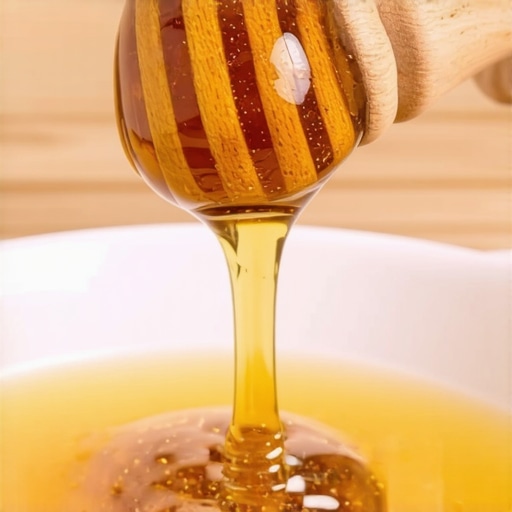
Clean Gently to Avoid Secondary Infections
Your mouth is a high-traffic zone for bacteria, and a burn is essentially an open door for infection. This is where modern teeth cleaning innovations that reduce sensitivity and boost results become relevant even in your daily home routine. Switch to an extra-soft toothbrush and avoid any whitening toothpastes or ‘tartar control’ formulas for at least 48 hours. These often contain abrasive silica or sodium lauryl sulfate, which will feel like shards of glass on your burn. If you already have a history of oral sensitivity, choosing teeth cleaning for sensitive teeth products can save you a lot of grief during the three to five days it takes for the palate to regenerate.
Ditch the Spicy and Crunchy Foods for Now
I know it’s tempting to go right back to your favorite snacks, but sharp edges are the absolute enemy of healing tissue. A single tortilla chip or crusty piece of bread can rip the delicate new skin off a palate burn faster than you can say ‘ouch.’ Stick to yogurt, lukewarm soups, and protein shakes. Remember, how regular teeth cleaning can prevent major dental issues is a concept that applies here too—keeping the rest of your mouth pristine and free of debris allows your body to focus all its healing energy on that one sensitive spot. If you find the swelling won’t go down or the area feels ‘tight,’ you can always rely on the salt water trick to keep the area disinfected without the harsh chemical burn of alcohol-based mouthwashes.While it feels like you are out of the woods once the stinging stops, the most common mistake I see—and one I have made myself—is rushing back to a deep clean mentality too early. Everyone tells you to keep the area clean to avoid infection, but there is a nuance most people miss: aggressive scrubbing can actually reset your healing clock. In fact, teeth cleaning myths debunked by top dentists often highlight that feeling clean is not about force; it is about the right chemistry. A study published in the Journal of Oral Rehabilitation suggests that the oral mucosa requires a stable, hydrated environment to migrate new cells across a wound. When you use alcohol-based mouthwashes or heavy-duty whitening pastes, you are essentially pickling the new cells before they can mature. The ‘Oops’ factor here is huge. I once thought that because my palate felt fuzzy three days after a burn, I needed to scrub it with a firm brush to get the dead skin off. That was a disaster. That fuzziness is actually part of the granulation tissue—the scaffolding your body builds to repair the site. Scraping it away is like peeling a scab off a knee; it leaves you vulnerable to the very bacteria you are trying to avoid. Instead, focus on maintaining your teeth cleaning routine for long-term health by using lukewarm rinses and waiting for the tissue to slough off naturally. 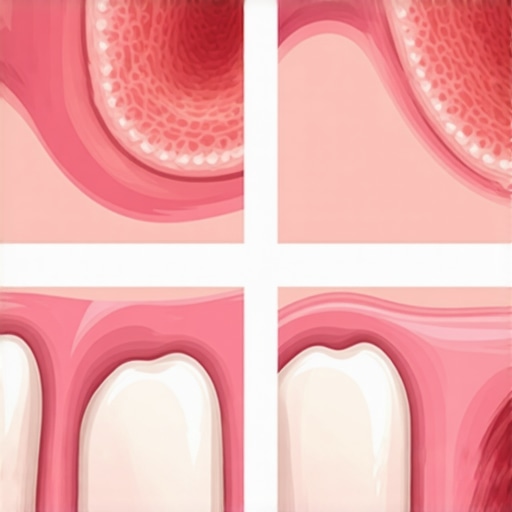
Can a simple palate burn hide a deeper dental issue?
Sometimes what we think is a simple pizza burn is actually a sign that your oral health was already on the edge. If the area does not heal within seven days, or if you notice your teeth feel tall, you might be looking at something more complex. For instance, the reason your crown feels tall when you first bite down can sometimes be linked to inflammation that spreads from the soft tissue to the periodontal ligament. Thermal injuries can exacerbate existing issues like a loose filling or a bridge that is not sitting right. If you are a bridge wearer, it is also the perfect time to check how to tell if your dental bridge needs to be resealed, as inflammation can expose margins that were previously hidden. Have you ever fallen into the trap of over-cleaning a sore mouth? Let me know in the comments. We have all been there, trying to fix it faster only to make it worse.Once you stop treating your mouth like a construction site and start treating it like a garden, everything changes. I used to think the cleanest mouth was the one that felt most stripped, but that is a dangerous path to permanent sensitivity. The gear I use daily isn’t just about vanity; it’s about efficiency and tissue preservation. For instance, I transitioned to a high-end water flosser after realizing that traditional string floss was too aggressive for my healing palate. This tool is a staple for anyone focusing on teeth cleaning for sensitive teeth because you can adjust the pressure to a literal whisper. If you are currently navigating an Invisalign transformation, the same logic applies—your soft tissues are already under a baseline of pressure from moving teeth, so your maintenance tools should not add to that burden.
Stop Scrubbing and Start Sanitizing
I personally swear by a portable ultrasonic cleaner for my aligners and night guards. It uses high-frequency sound waves to create microscopic bubbles that implode against the surface, blasting away biofilm without the need for abrasive brushing that can scratch the plastic. Scratched plastic is a breeding ground for the very bacteria you are trying to escape. It is the only way I have found to truly master Invisalign maintenance expert tips for clear confident smiles, and it also solves the problem of how to stop your Invisalign trays from smelling like old saliva. This method keeps the clear plastic crystal clear, ensuring that your cosmetic dentistry trends that transform smiles beyond expectations investment actually stays looking like an investment and not a cloudy piece of old Tupperware. 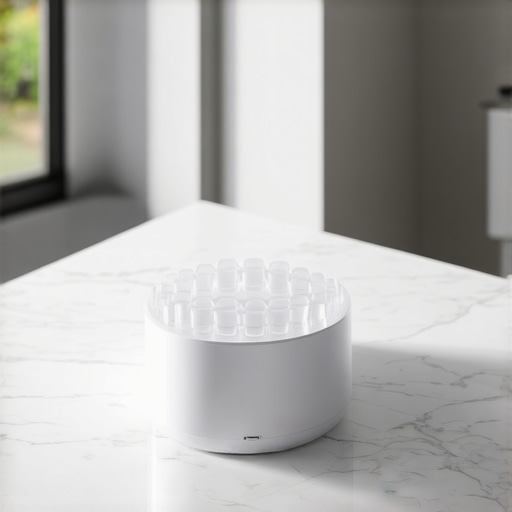
How do I maintain my smile’s progress over time?
Consistency is the boring answer that everyone hates, but it is the only one that works. The trick is to integrate micro-habits that do not feel like chores. This means maintaining your teeth cleaning routine for long-term health by using the right chemistry. A study published in the Journal of Periodontal Research highlights that the mechanical disruption of plaque is only half the battle; the other half is maintaining a salivary pH that prevents demineralization. If your mouth is too acidic—often caused by those harsh, alcohol-heavy mouthwashes—you are working against your own biology.
Why the Future Belongs to Predictive Care
I believe the future of this niche lies in ‘smart’ monitoring. We are already seeing the rise of modern teeth cleaning innovations that reduce sensitivity and boost results, but soon, we will likely have AI-integrated sensors in our bathrooms. These sensors will scan our palates and gums daily, much like how we use digital scans to catch cavities that x-rays might miss in the clinic today. This shift toward predictive care is exactly why Invisalign is the future of clear braces; it is about data-driven, precise movements rather than guesswork. If you want to jumpstart your recovery and long-term health today, my best advice is to ditch the aggressive brushing for a week and switch to a simple, lukewarm saline swish twice a day after meals. Give your body the space to heal without the constant chemical interference, and you will see results faster than any ‘miracle’ product could provide.
The One Lesson My Burnt Palate Taught Me About Oral Patience
If there is one thing I want you to take away from my pizza-induced misery, it is this: your mouth is a self-healing marvel if you just get out of its way. I used to think that more is better when it came to hygiene, but a raw palate is the one time where doing less is actually doing more. I learned that that strange, fuzzy texture you feel on day three isn’t something to be scrubbed; it is the physical sign of your body knitting itself back together. When we fall for teeth cleaning myths debunked by top dentists, we often over-treat and under-heal. Patience is a medical intervention. If you give those new cells the 48 to 72 hours of peace they need without poking them with a sharp chip or a harsh mouthwash, the pain will vanish as quickly as it arrived.
The Tiny Toolkit I Use to Keep My Mouth Happy
I don’t believe in buying a dozen specialized products for a one-off burn, but I do believe in having a few high-quality basics that serve multiple purposes. First, a high-quality, raw honey is the best liquid bandage nature ever invented. Second, I cannot stress enough the value of maintaining your teeth cleaning routine for long-term health by switching to a brush with tapered, ultra-soft bristles during a flare-up. Finally, if you are an aligner wearer, this is the time to be hyper-vigilant about hygiene. Use an ultrasonic cleaner so you don’t have to manually scrub near your sore palate, and learn how to stop your Invisalign trays from smelling like old saliva without using chemicals that might irritate your burn. These tools aren’t just for emergencies; they are part of a proactive approach to oral wellness.
Your Path to a Pain-Free Smile Starts Today
A burnt palate is a temporary annoyance, but it’s also a wake-up call to listen to what your mouth is telling you. Whether you are currently focused on Invisalign maintenance expert tips for clear confident smiles or just trying to get through a painful Tuesday evening, remember that your soft tissues deserve as much respect as your teeth. Take it slow, keep it clean, and don’t rush the process. Your smile will thank you for the extra bit of grace. Have you ever accidentally made a minor mouth burn way worse by trying to fix it too aggressively? Let me know in the comments below!