
I was sitting at my kitchen table last Tuesday morning, sipping on some lukewarm tea, and absentmindedly humming my favorite tune. Suddenly, a bizarre buzzing sensation shot right through my front tooth. It felt exactly like a tiny, misplaced cell phone was vibrating inside my jawbone. I froze. Was my brand-new, expensive dental implant failing? I immediately panicked, wondering if the metal was coming loose or if my body was rejecting it. It was a terrifying moment that had me staring into my bathroom mirror for twenty minutes, trying to wiggle a tooth that was supposed to be permanently anchored to my skull.
The Strange Science of Humming with Titanium in Your Jaw
After talking with some of the best minds in cosmetic dentistry, I learned that I was not losing my mind—and my implant was completely fine. When we hum, our vocal cords produce acoustic vibrations that travel through the bones of our skull. A natural tooth is suspended by a tiny, shock-absorbing hammock called the periodontal ligament, which dampens these vibrations. But a dental implant is fused directly to your jawbone through osseointegration. Without that natural cushion, the titanium post acts like a tuning fork, transferring the acoustic resonance straight to your sensory nerves. In fact, a study published by the Journal of Prosthodontic Research notes that patients with dental implants often experience up to four times higher bone conduction sensitivity to sound and vibration compared to those with natural teeth. It is a completely normal physical phenomenon, but nobody warns you about it before you leave the clinic!
Is this bizarre vibration actually a sign of implant failure?
It is incredibly easy to jump to the worst conclusions when you feel something synthetic buzzing in your mouth. Early on in my dental restoration journey, I made the huge mistake of obsessively tapping on my crown with a metal spoon to test if it was secure, which only irritated my gums and made me more anxious. If your implant only buzzes when you hum, sing, or talk in a deep register, it is simply bone conduction at work. However, if the sensation is accompanied by physical movement, a clicking sound, or pain, you might be dealing with a loose crown or an underlying structural issue. If you are experiencing other strange sounds during meals, you might want to read about why your dental bridge makes a clicking sound when you chew to understand how different restorations respond to movement.
How to Tell the Difference Between Acoustic Resonance and Real Trouble
For most of us, this vibrating sensation is just a quirky design feature of titanium tooth replacements. When I first got my implant, I was so hyper-focused on every tiny sensation that I convinced myself my smile was doomed. Over time, I realized that understanding how my mouth adapts to these high-tech materials is just part of the process. Whether you are dealing with implants or navigating the early weeks of orthodontic treatment—like figuring out why your teeth feel loose during the second month of Invisalign—our mouths have a unique way of adjusting to structural changes. Have you ever felt that unsettling, tiny buzz in your jaw while humming your favorite song? Drop a comment below and let me know how you first reacted, because I know I can’t be the only one who panicked!
When that strange vibration first rattled my jaw, my immediate reaction was to poke and prod at the crown with my index finger to check for movement. I actually ended up irritating my surrounding gum tissue so badly that it throbbed for days, mimicking the exact symptoms of a real infection. To help you avoid making the same mistakes I did, I have mapped out a simple, hands-off diagnostic routine and some practical steps to manage this odd physical phenomenon.
The Simple Three-Step Check to Rule Out Real Implant Trouble
Before you let anxiety take over, you need to systematically assess whether you are experiencing harmless acoustic resonance or an actual mechanical failure. This hands-off diagnostic process will help you isolate the sensation safely.
Observe the Triggers and Timing
Pay close attention to exactly when the buzzing occurs. If the vibration only happens when you are actively humming, singing a low note, or speaking in a resonant room, you are experiencing pure acoustic bone conduction. If the sensation occurs while you are chewing soft foods, or if you feel a strange sensation during your morning hygiene routine, it could point to a structural issue. In fact, understanding how different dental materials react can help you pinpoint the issue; for instance, some patients find that why your dental bridge feels heavy for the first few days is actually a similar sensory adjustment period. Take a mental note of these patterns before rushing to conclusions.
Perform a Visual and Silent Touch Test
Instead of tapping your tooth with a metal utensil or aggressively wiggling it with your fingers, stand in front of a well-lit mirror. Use a clean cotton swab to apply very gentle, lateral pressure to the side of the crown. Watch closely for any micro-movements at the gum line. A healthy, fully osseointegrated implant will not budge even a fraction of a millimeter. If you see the crown shift, or if you hear a tiny clicking sound, the screw inside the abutment may have worked its way loose. This is a mechanical issue that requires a quick visit to your provider, but it is highly fixable and rarely means the entire implant post is failing.
Track Accompanying Symptoms
Acoustic resonance is completely painless. If the vibration is accompanied by a dull ache, swelling, bleeding when you brush, or a metallic taste, you need to pay attention. For those who have recently undergone deep periodontal treatments, distinguishing between normal healing and issues is vital; you might want to look into why your gums itch after a professional deep scaling session to understand how your nerve endings recover after dental work.
Practical Ways to Dampen the Buzzing Sensation
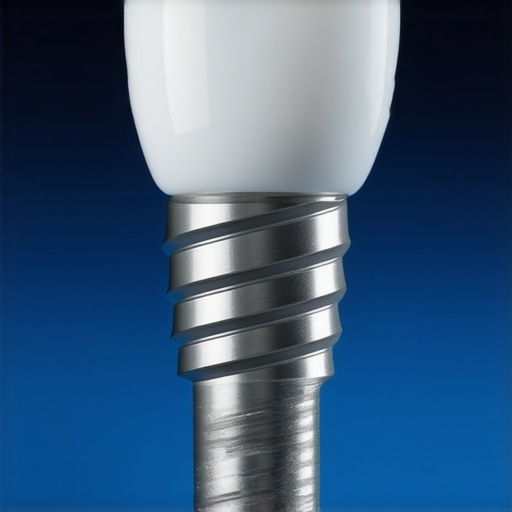
Once you have established that your implant is perfectly healthy, you can use a few physical adjustments to minimize the buzzing. Since the titanium post acts as a direct conductor to your skull, altering how you speak or rest your jaw can make a massive difference.
Slightly Part Your Teeth While Humming
The easiest way to stop the vibration is to break the direct contact between your upper and lower teeth. When you hum or speak, try to keep a tiny, millimeter-wide gap between your upper and lower arches. This prevents the acoustic waves from bouncing back and forth between your jawbones, immediately dampening the resonance. I discovered this trick while singing along to the car radio on my commute, and it completely eliminated that jarring, telephone-wire buzz in my front tooth.
Schedule Regular Maintenance to Keep Things Secure
The absolute best way to maintain peace of mind is to keep up with your professional cleanings and examinations. During these visits, your dentist can check the torque of your implant crown to ensure everything remains perfectly secure. If you are prone to dental anxiety, learning about teeth cleaning for sensitive teeth what works best in 2025 can help make these preventative appointments completely comfortable and stress-free.
When we dive deeper into the world of modern tooth restoration, we often run into a wall of oversimplified advice. Most online resources suggest that cosmetic dentistry is a simple ‘set-it-and-forget-it’ process. Everyone says that once your titanium post is in place, or your clear aligners are fitted, your sensory experience remains exactly the same as it was with natural teeth. In my experience, however, the real nuance lies in how our nervous system adapts to these biocompatible materials. Believing that a synthetic crown will mimic the exact tactile feedback of a natural tooth is a major misconception that causes unnecessary anxiety for thousands of patients.
Why do some dental restorations feel hyper-sensitive to sound while others feel completely numb?
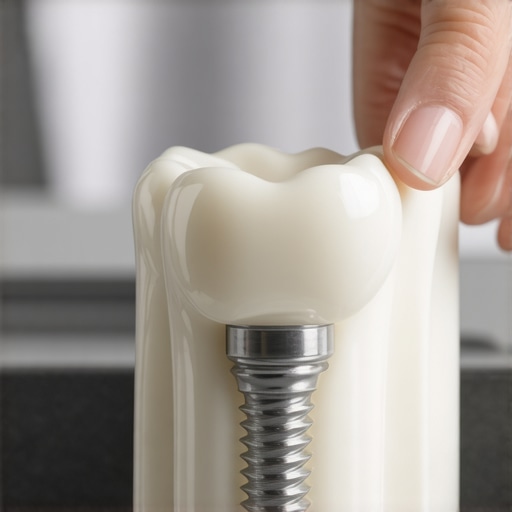
The secret lies in the presence or absence of the periodontal ligament. A study published in the International Journal of Oral & Maxillofacial Implants highlights that titanium implants lack the mechanoreceptors found in natural teeth, which drastically alters how your brain perceives pressure, bite force, and acoustic resonance. This is why you can feel a high-frequency vibration from your favorite song, yet you might struggle to sense a tiny stray seed caught on your crown. It is a fascinating sensory paradox. If you are currently navigating these subtle changes in your mouth, choosing the right support is crucial; you can find helpful advice on finding a dentist who gets your smile tips from top cosmetic pros to help guide you through the sensory adjustment phase.
This brings us to what I call the ‘instrument trap.’ The biggest mistake you can make when noticing a new sensation is attempting to perform your own dental structural checks. When we obsessively tap, wiggle, or aggressively brush our new restorations to ‘test’ them, we actually cause micro-trauma to the delicate gum tissue surrounding the neck of the implant or the margins of a veneer. This self-induced irritation mimics the exact localized throbbing of a deep infection, sending panicked patients rushing to emergency clinics for no reason. If you are worried about how your restoration is holding up, read about cosmetic dentistry myths debunked what you really need to know to keep your expectations grounded in reality.
Sensory adaptation is not limited to titanium posts; it affects almost every major cosmetic and orthodontic treatment. For example, during clear aligner therapy, patients often panic when their bite feels temporarily off or foreign. If you are currently using aligners, keeping up with proper maintenance is key to keeping your treatment comfortable; check out these invisalign maintenance expert tips for clear confident smiles. Ultimately, our mouths are incredibly complex sensory environments. Have you ever fallen into this trap and let your mind play tricks on you after a dental procedure? Let me know in the comments below!
Keeping your high-tech dental work operating flawlessly for decades requires moving beyond the basic drugstore aisle. When it comes to maintaining a dental implant or premium cosmetic bonding, standard brushing is only the first step. Over the last few years, I have refined a strict daily maintenance toolkit that ensures my titanium post and surrounding bone remain in pristine condition. I do not just use any random oral care products; I rely on tools designed to protect the integrity of the osseointegrated bond and prevent peri-implantitis.
How do I maintain my dental restorations over time?
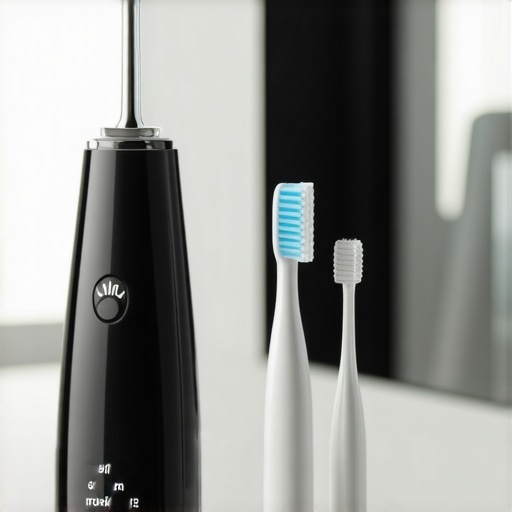
The foundation of my long-term preservation strategy is a specialized interdental cleaning routine. I personally use ultra-soft, plastic-coated interdental brushes instead of traditional metal-wired ones. Metal-wired brushes can scratch the delicate titanium collar of your implant, creating microscopic grooves where harmful bacteria can easily multiply. Additionally, incorporating a high-quality water flosser on a medium pressure setting keeps the gum pockets clean without disrupting the tissue attachment. If you are looking to build a sustainable preventative routine, learning about maintaining your teeth cleaning routine for long-term health is a fantastic way to protect your overall investment. Regular professional checkups are the other non-negotiable half of the equation; your hygienist uses specialized plastic scalers to clean around your implants without damaging them.
Looking ahead, the future of maintaining advanced dental work is rapidly shifting toward smart diagnostics and biotechnology. According to the International Journal of Oral Implantology, researchers are currently developing smart implant abutments equipped with miniature biosensors that can detect early pH changes associated with bacterial inflammation before you ever feel discomfort. This means we will soon be able to prevent implant complications before they even start. For now, my best advice is to take action today: replace your standard metal interdental brushes with plastic-coated alternatives tonight to safeguard your titanium restorations from micro-scratches.
I was sitting at my kitchen table last Tuesday morning, sipping on some lukewarm tea, and absentmindedly humming my favorite tune. Suddenly, a bizarre buzzing sensation shot right through my front tooth. It felt exactly like a tiny, misplaced cell phone was vibrating inside my jawbone. I froze. Was my brand-new, expensive dental implant failing? I immediately panicked, wondering if the metal was coming loose or if my body was rejecting it. It was a terrifying moment that had me staring into my bathroom mirror for twenty minutes, trying to wiggle a tooth that was supposed to be permanently anchored to my skull.
The Strange Science of Humming with Titanium in Your Jaw
After talking with some of the best minds in cosmetic dentistry, I learned that I was not losing my mind—and my implant was completely fine. When we hum, our vocal cords produce acoustic vibrations that travel through the bones of our skull. A natural tooth is suspended by a tiny, shock-absorbing hammock called the periodontal ligament, which dampens these vibrations. But a dental implant is fused directly to your jawbone through osseointegration. Without that natural cushion, the titanium post acts like a tuning fork, transferring the acoustic resonance straight to your sensory nerves. In fact, a study published by the Journal of Prosthodontic Research notes that patients with dental implants often experience up to four times higher bone conduction sensitivity to sound and vibration compared to those with natural teeth. It is a completely normal physical phenomenon, but nobody warns you about it before you leave the clinic!
Is this bizarre vibration actually a sign of implant failure?
It is incredibly easy to jump to the worst conclusions when you feel something synthetic buzzing in your mouth. Early on in my dental restoration journey, I made the huge mistake of obsessively tapping on my crown with a metal spoon to test if it was secure, which only irritated my gums and made me more anxious. If your implant only buzzes when you hum, sing, or talk in a deep register, it is simply bone conduction at work. However, if the sensation is accompanied by physical movement, a clicking sound, or pain, you might be dealing with a loose crown or an underlying structural issue. If you are experiencing other strange sounds during meals, you might want to read about why your dental bridge makes a clicking sound when you chew to understand how different restorations respond to movement.
How to Tell the Difference Between Acoustic Resonance and Real Trouble
For most of us, this vibrating sensation is just a quirky design feature of titanium tooth replacements. When I first got my implant, I was so hyper-focused on every tiny sensation that I convinced myself my smile was doomed. Over time, I realized that understanding how my mouth adapts to these high-tech materials is just part of the process. Whether you are dealing with implants or navigating the early weeks of orthodontic treatment—like figuring out why your teeth feel loose during the second month of Invisalign—our mouths have a unique way of adjusting to structural changes. Have you ever felt that unsettling, tiny buzz in your jaw while humming your favorite song? Drop a comment below and let me know how you first reacted, because I know I can't be the only one who panicked!
When that strange vibration first rattled my jaw, my immediate reaction was to poke and prod at the crown with my index finger to check for movement. I actually ended up irritating my surrounding gum tissue so badly that it throbbed for days, mimicking the exact symptoms of a real infection. To help you avoid making the same mistakes I did, I have mapped out a simple, hands-off diagnostic routine and some practical steps to manage this odd physical phenomenon.
The Simple Three-Step Check to Rule Out Real Implant Trouble
Before you let anxiety take over, you need to systematically assess whether you are experiencing harmless acoustic resonance or an actual mechanical failure. This hands-off diagnostic process will help you isolate the sensation safely.
Observe the Triggers and Timing
Pay close attention to exactly when the buzzing occurs. If the vibration only happens when you are actively humming, singing a low note, or speaking in a resonant room, you are experiencing pure acoustic bone conduction. If the sensation occurs while you are chewing soft foods, or if you feel a strange sensation during your morning hygiene routine, it could point to a structural issue. In fact, understanding how different dental materials react can help you pinpoint the issue; for instance, some patients find that why your dental bridge feels heavy for the first few days is actually a similar sensory adjustment period. Take a mental note of these patterns before rushing to conclusions.
Perform a Visual and Silent Touch Test
Instead of tapping your tooth with a metal utensil or aggressively wiggling it with your fingers, stand in front of a well-lit mirror. Use a clean cotton swab to apply very gentle, lateral pressure to the side of the crown. Watch closely for any micro-movements at the gum line. A healthy, fully osseointegrated implant will not budge even a fraction of a millimeter. If you see the crown shift, or if you hear a tiny clicking sound, the screw inside the abutment may have worked its way loose. This is a mechanical issue that requires a quick visit to your provider, but it is highly fixable and rarely means the entire implant post is failing.
Track Accompanying Symptoms
Acoustic resonance is completely painless. If the vibration is accompanied by a dull ache, swelling, bleeding when you brush, or a metallic taste, you need to pay attention. For those who have recently undergone deep periodontal treatments, distinguishing between normal healing and issues is vital; you might want to look into why your gums itch after a professional deep scaling session to understand how your nerve endings recover after dental work.
Practical Ways to Dampen the Buzzing Sensation
Once you have established that your implant is perfectly healthy, you can use a few physical adjustments to minimize the buzzing. Since the titanium post acts as a direct conductor to your skull, altering how you speak or rest your jaw can make a massive difference.
Slightly Part Your Teeth While Humming
The easiest way to stop the vibration is to break the direct contact between your upper and lower teeth. When you hum or speak, try to keep a tiny, millimeter-wide gap between your upper and lower arches. This prevents the acoustic waves from bouncing back and forth between your jawbones, immediately dampening the resonance. I discovered this trick while singing along to the car radio on my commute, and it completely eliminated that jarring, telephone-wire buzz in my front tooth.
Schedule Regular Maintenance to Keep Things Secure
The absolute best way to maintain peace of mind is to keep up with your professional cleanings and examinations. During these visits, your dentist can check the torque of your implant crown to ensure everything remains perfectly secure. If you are prone to dental anxiety, learning about teeth cleaning for sensitive teeth what works best in 2025 can help make these preventative appointments completely comfortable and stress-free.
When we dive deeper into the world of modern tooth restoration, we often run into a wall of oversimplified advice. Most online resources suggest that cosmetic dentistry is a simple 'set-it-and-forget-it' process. Everyone says that once your titanium post is in place, or your clear aligners are fitted, your sensory experience remains exactly the same as it was with natural teeth. In my experience, however, the real nuance lies in how our nervous system adapts to these biocompatible materials. Believing that a synthetic crown will mimic the exact tactile feedback of a natural tooth is a major misconception that causes unnecessary anxiety for thousands of patients.
Why do some dental restorations feel hyper-sensitive to sound while others feel completely numb?
The secret lies in the presence or absence of the periodontal ligament. A study published in the International Journal of Oral & Maxillofacial Implants highlights that titanium implants lack the mechanoreceptors found in natural teeth, which drastically alters how your brain perceives pressure, bite force, and acoustic resonance. This is why you can feel a high-frequency vibration from your favorite song, yet you might struggle to sense a tiny stray seed caught on your crown. It is a fascinating sensory paradox. If you are currently navigating these subtle changes in your mouth, choosing the right support is crucial; you can find helpful advice on finding a dentist who gets your smile tips from top cosmetic pros to help guide you through the sensory adjustment phase.
This brings us to what I call the 'instrument trap.' The biggest mistake you can make when noticing a new sensation is attempting to perform your own dental structural checks. When we obsessively tap, wiggle, or aggressively brush our new restorations to 'test' them, we actually cause micro-trauma to the delicate gum tissue surrounding the neck of the implant or the margins of a veneer. This self-induced irritation mimics the exact localized throbbing of a deep infection, sending panicked patients rushing to emergency clinics for no reason. If you are worried about how your restoration is holding up, read about cosmetic dentistry myths debunked what you really need to know to keep your expectations grounded in reality.
Sensory adaptation is not limited to titanium posts; it affects almost every major cosmetic and orthodontic treatment. For example, during clear aligner therapy, patients often panic when their bite feels temporarily off or foreign. If you are currently using aligners, keeping up with proper maintenance is key to keeping your treatment comfortable; check out these invisalign maintenance expert tips for clear confident smiles. Ultimately, our mouths are incredibly complex sensory environments. Have you ever fallen into this trap and let your mind play tricks on you after a dental procedure? Let me know in the comments below!
Keeping your high-tech dental work operating flawlessly for decades requires moving beyond the basic drugstore aisle. When it comes to maintaining a dental implant or premium cosmetic bonding, standard brushing is only the first step. Over the last few years, I have refined a strict daily maintenance toolkit that ensures my titanium post and surrounding bone remain in pristine condition. I do not just use any random oral care products; I rely on tools designed to protect the integrity of the osseointegrated bond and prevent peri-implantitis.
How do I maintain my dental restorations over time?
The foundation of my long-term preservation strategy is a specialized interdental cleaning routine. I personally use ultra-soft, plastic-coated interdental brushes instead of traditional metal-wired ones. Metal-wired brushes can scratch the delicate titanium collar of your implant, creating microscopic grooves where harmful bacteria can easily multiply. Additionally, incorporating a high-quality water flosser on a medium pressure setting keeps the gum pockets clean without disrupting the tissue attachment. If you are looking to build a sustainable preventative routine, learning about maintaining your teeth cleaning routine for long-term health is a fantastic way to protect your overall investment. Regular professional checkups are the other non-negotiable half of the equation; your hygienist uses specialized plastic scalers to clean around your implants without damaging them.
Looking ahead, the future of maintaining advanced dental work is rapidly shifting toward smart diagnostics and biotechnology. According to the International Journal of Oral Implantology, researchers are currently developing smart implant abutments equipped with miniature biosensors that can detect early pH changes associated with bacterial inflammation before you ever feel discomfort. This means we will soon be able to prevent implant complications before they even start. For now, my best advice is to take action today: replace your standard metal interdental brushes with plastic-coated alternatives tonight to safeguard your titanium restorations from micro-scratches.
The Unexpected Psychological Shift of Living with Bio-Synthetics
If there is one profound realization I have taken away from my journey with cosmetic dentistry, it is that a new smile changes how you listen to your own body. We go into these advanced restoration procedures expecting to replace a physical tool—a tooth—and come out realizing we have altered our entire nervous system. That little vibration while singing in the shower is not a flaw in your treatment; it is a fascinating testament to how incredibly well your jaw has bonded with modern titanium. Once you stop treating your implant like a fragile piece of glass and start recognizing it as an integrated part of your skeletal system, the anxiety melts away, leaving only a deep appreciation for the medical marvel in your mouth.
My Essential Daily Toolkit for High-Tech Smiles
Maintaining premium restorations requires tools that respect the delicate bond between bone, metal, and tissue. These are the specific, non-negotiable tools I personally use to keep everything pristine:
- Plastic-Coated Interdental Cleaners: Essential for sweeping away debris without leaving micro-scratches on the titanium abutment collars.
- High-Quality Water Flosser: I rely on a unit with adjustable pressure settings to gently flush out pockets without irritating the delicate seal where the gum tissue meets the crown.
- Custom Mouthguards: If you find yourself clenching during stressful workdays, a custom-fitted guard protects your restorations from destructive lateral forces. Read about how to stop your teeth from clenching when you are stressed at work to safeguard your smile.
Embrace Your High-Tech Upgrade with Confidence
Do not let the quirky physics of modern bio-materials keep you from flashing your beautiful new smile. These tiny physical adjustments and sensory variations are simply the signs of a successful restoration journey. Work closely with professionals who understand your physical comfort goals; you can read about choosing the right dentist expert tips for your best smile journey to find a partner who will answer every weird question you have. Modern cosmetic dentistry is designed to let you live fully, loudly, and without hesitation.
Have you ever noticed a strange, buzzing vibration in your teeth while listening to loud music or humming your favorite tune? Let me know in the comments below—I would love to hear how you first reacted!