
I was sitting at a quiet anniversary dinner, savoring a perfectly cooked steak, when I heard it: a sharp, rhythmic click. At first, I thought I had bit down on a piece of bone. Then I realized the sound was coming from the back of my own jaw. My dental bridge, the one I had spent a small fortune on, was clicking like a loose floorboard every time I chewed. It is a visceral, unsettling sensation that makes you want to stop eating mid-bite. If you are dealing with this right now, you know the anxiety. It feels like your smile is one carrot stick away from falling apart. But I have been there, and I can tell you that we are going to figure out exactly why this is happening and how to silence that noise for good.
That Annoying Little Noise You Hear at Dinner
When I first noticed the sound, I made a classic mistake: I assumed it was just a breaking-in phase. I figured that since why your dental bridge feels heavy for the first week, a little clicking was just part of the process of it settling into my gums. I was wrong. I ignored it for three weeks until the clicking turned into a dull ache. Usually, that sound is a red flag that something—whether it is the cement, the fit, or the anchor teeth—is shifting under pressure. We need to look at whether you are dealing with a structural issue or if you just need a simple adjustment from finding a dentist who gets your smile and knows how to handle restorative hardware. Have you ever felt your bridge move slightly while you were in the middle of a conversation? It is enough to make anyone lose their confidence.
Is my bridge about to fall out of my mouth?
This is the fear that keeps us up at night. The short answer is: probably not today, but the click is a warning. According to the American College of Prosthodontists, a properly fitted bridge should be completely stationary; any audible noise or movement suggests a breakdown in the bond or an issue with the bite alignment. If the cement has washed out, you might also notice the hidden reason your dental bridge traps food, which only adds to the irritation. In my case, it turned out to be a minor occlusal discrepancy—my top and bottom teeth were hitting the bridge at a weird angle, effectively rocking it back and forth like a loose tooth. Before you go down a rabbit hole of worry, realize that many of these fixes are non-invasive. You might just need to learn the trick to flossing under a permanent dental bridge to keep the area healthy while your dentist realigns the bite. Let’s dive into the common culprits behind that clicking sound.
Pinpointing the Source of that Pesky Sound
To understand why your bridge is making noise, think of it like a four-legged chair. If one leg is even a fraction of a millimeter longer than the others, the chair wobbles every time you sit down. Your bridge works the same way. If the prosthetic tooth—the pontic—is hitting your opposing teeth before your natural teeth do, it creates a ‘high spot.’ This tiny imbalance causes the bridge to flex or shift, resulting in that sharp click. I remember sitting in the dentist’s chair after my own bridge started acting up. My dentist handed me a thin strip of blue articulating paper and told me to ‘tap, tap, tap.’ That simple test revealed exactly where the porcelain was over-engineered. By shaving off a microscopic layer, the noise vanished instantly. If you are also noticing other sensations, like the tapping sound why your dental implant feels different when you click your teeth, it usually points toward a similar alignment issue.
Stop Tapping and Start Analyzing
Before you rush to the office, you can perform a bit of ‘dental detective work’ at home. Gently move your jaw from side to side while your teeth are lightly touching. Do you feel the bridge ‘catch’ or ‘trip’ over your bottom teeth? If so, the issue is almost certainly occlusal, meaning your bite is off. However, if the click happens when you press on the bridge with your tongue, the cement bond might be failing. When the ‘glue’ that holds the bridge to your anchor teeth starts to dissolve, it creates a tiny air pocket. Every time you bite, you are essentially pumping air and saliva in and out of that gap, which creates a clicking or squishing sound. This is often the hidden reason your dental bridge traps food no matter how much you brush, as that gap becomes a magnet for debris.
The 15-Minute Fix You Probably Need
Most people fear that a clicking bridge means the whole thing has to be ripped out and replaced. In reality, the most common solution is a simple ‘occlusal adjustment.’ Your dentist uses a high-speed polisher to smooth down the areas where the bridge is hitting too hard. It is completely painless and usually takes less time than a standard how regular teeth cleaning can prevent major dental issues appointment. If the issue is a loose bond, they might be able to remove the bridge, clean the abutment teeth, and re-cement it. The key is to act while the bridge is still clicking and hasn’t started moving significantly. Once the bridge actually shifts, you risk fracturing the porcelain or, worse, damaging the natural teeth underneath.
Maintain Your Hardware for the Long Haul
Once the clicking is silenced, your job is to keep the environment around the bridge pristine. Because a bridge is a solid unit, it requires a different approach than natural teeth. You cannot just pull a piece of string between the teeth; you have to go under them. Mastering the trick to flossing under a permanent dental bridge is the single best way to ensure your gums stay firm. Spongy or inflamed gums can actually change how a bridge sits in your mouth, leading to—you guessed it—more clicking. Keep the foundation solid, and the hardware will stay quiet.Let’s dig deeper into what most people get wrong about restorative care. A common misconception is that professional dental cleanings are purely for aesthetics—a quick polish to keep things bright. In reality, for someone with a bridge, these visits are critical structural inspections. I have seen patients who think they can skip the chair because their bridge ‘feels fine,’ only to have a minor alignment issue turn into a full fracture. Exploring modern teeth cleaning innovations that reduce sensitivity and boost results can help you understand that these sessions are about preserving the hardware, not just the smile. Have you ever fallen into this trap of thinking professional care was optional? Let me know in the comments.
Why does my bridge feel different after a hygiene visit?
It is a question I get often. After a thorough cleaning, the bridge might feel ‘tighter’ or even slightly different when you bite. This is not a mistake; it is the result of removing built-up biofilm and tartar that was subtly ‘propping’ the bridge or inflaming the surrounding tissue. A study published in the Journal of Clinical Periodontology confirms that professional biofilm removal is the only way to prevent the sub-gingival inflammation that leads to bridge instability. If you have been relying on teeth cleaning myths debunked by top dentists, you might have missed how crucial this deep-level care is for restorative longevity.
Avoid the Dangerous DIY Whitening Trap
Here is the ‘Oops’ factor that catches many off guard: the urge to brighten your smile at home without professional guidance. While you might be tempted by the latest social media trends, using aggressive products near a bridge is a recipe for disaster. For instance, the truth about charcoal toothpaste and your tooth enamel is that its abrasive nature can actually scratch the porcelain of your bridge, creating a dull finish that picks up stains even faster. Furthermore, if you are wondering why your mouth feels like it is burning after using whitening strips, it is likely that the high-concentration chemicals are irritating the gum-to-bridge interface. This irritation causes the gums to recede, exposing the metal or opaque margins of your bridge and ruining the cosmetic effect you were chasing. Understanding cosmetic dentistry myths debunked what you really need to know will save you from expensive repairs. Real expertise means knowing that your bridge isn’t just a ‘fake tooth’—it is a high-precision medical device. If you stay on top of cosmetic dentistry trends that transform smiles today, you will see that the focus is shifting toward biological health as the foundation for beauty. Neglecting the gums because you think the porcelain is ‘invincible’ is the fastest way to turn a small click into a major replacement.
The Daily Gear That Keeps My Bridge Silent
Maintaining a dental bridge isn’t just about brushing; it is about precision engineering your daily hygiene routine. If you want to stop that clicking sound and prevent the bridge from failing, you need to think like a professional. I personally rely on a high-quality water flosser every single night. There is a specific reason why your dental hygienist uses a water flosser instead of manual tools; the pressurized stream reaches the tiny gaps under the pontic where physical floss often shreds or snags. In my own journey, I found that using a tapered interdental brush dipped in an antimicrobial rinse once a day was the ‘secret sauce’ to keeping the abutment teeth strong. Even if you are already practicing the secret to keeping your dental implant clean when you have limited dexterity, these tools are game-changers because they do the heavy lifting for you. 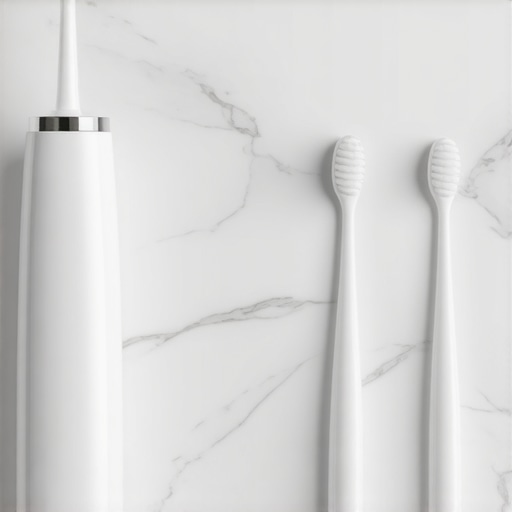
Switch to a High-Frequency Brush and Don’t Look Back
I often get asked if an electric toothbrush is overkill for a bridge. It is not. In fact, leading clinical researchers like Dr. Gordon J. Christensen of the CR Foundation emphasize that sonic vibrations help disrupt biofilm in areas that are physically inaccessible to manual bristles. This is not just marketing hype; it is structural preservation. By using a sonic brush, you ensure that the margins—where the porcelain meets your gum—stay smooth and plaque-free. This is a core part of maintaining your teeth cleaning routine for long-term health. If you are also managing aligners, you should look into Invisalign maintenance expert tips for clear confident smiles to keep your entire aesthetic ensemble in peak condition.
How do I keep my dental hardware in top shape for years?
The key to longevity is the compound effect of small habits and the right tech. For 2025 and beyond, teeth cleaning for sensitive teeth what works best in 2025 includes using nano-hydroxyapatite toothpastes that actually remineralize the natural teeth supporting your bridge. I predict the next big leap will be smart toothbrushes with built-in cameras or haptic sensors that alert your dentist the moment a bridge bond begins to weaken. This level of cosmetic dentistry trends that transform smiles beyond expectations will move us from reactive repairs to proactive maintenance. My advanced tip for you today: buy a dedicated ‘bridge and implant’ flosser with a stiffened end and use it tonight before bed. You will be amazed at the debris your standard brush leaves behind.
Why Professional Inspections Save You Thousands
Think of your dentist as a structural engineer for your smile. Those twice-yearly visits allow them to check the integrity of the cement and the health of the underlying bone. Without these checks, a microscopic leak can turn into a massive bill. If you are worried about discomfort, ask about modern teeth cleaning innovations that reduce sensitivity and boost results during your next checkup. Your smile is a high-performance investment; protect the hardware and it will serve you for a lifetime.
Lessons I Learned While Silencing My Own Smile
When my bridge first started clicking, I felt like a failure in dental hygiene. But through that process, I realized that restorative hardware requires a specific mindset. First, you have to accept that your bridge is a dynamic part of your body, not a static piece of porcelain; it reacts to your stress, your diet, and even how you sleep. Second, the ‘wait and see’ approach is your biggest enemy. A tiny click today is an easy adjustment, but a loose bridge next month could mean a root canal for an anchor tooth. Finally, I learned that how regular teeth cleaning can prevent major dental issues by catching these structural shifts before they become audible. Your dentist isn’t just cleaning teeth; they are calibrating your bite.
The Gear That Keeps My Bridge Perfectly Still
If you want to move beyond the anxiety of a clicking bridge, you need to upgrade your home care toolkit. I personally recommend these three essentials. Start with a high-powered water flosser; there is a structural reason why your dental hygienist uses a water flosser instead of manual tools, as the pulse can clear the ‘death zone’ under your pontic that a brush cannot reach. Next, look into nano-hydroxyapatite toothpastes which help keep the abutment teeth beneath the bridge incredibly dense and resistant to decay. Lastly, I suggest keeping a pack of super-floss in your travel bag. Even if you are already using the secret to keeping your dental implant clean when you have limited dexterity, the stiffened end of super-floss is the only way to manually verify that the bond between your bridge and gums is tight and debris-free.
Step Back Into a World of Worry-Free Chewing
Your dental bridge should be a source of confidence, not a source of noise. By taking quick action the moment you hear that rhythm change, you are protecting a major investment in your health and happiness. We are living in an era where cosmetic dentistry trends that transform smiles beyond expectations have made these fixes faster and more comfortable than ever before. Don’t let a tiny click steal the joy of your next meal. Reach out to a professional and get back to the version of you that smiles without a second thought. Have you ever noticed your bridge making a sound after eating something particularly crunchy? Let me know in the comments below.