
I was sitting at a fancy dinner party, leaning in to whisper a joke to my friend, when I suddenly froze. A tiny, unmistakable whiff of something sour hit my nose. It wasn’t the wine. It wasn’t the cheese. It was coming from inside my mouth, specifically right under my shiny new dental bridge. I’d been so proud of that bridge, thinking it was the ultimate fix for my missing tooth, but I hadn’t realized I’d just installed a permanent trap for every stray crumb of steak and spinach. I made a classic rookie mistake early on. I thought a bridge meant I was ‘done’ with that part of my mouth. I’d brush the top, sure, but I didn’t realize that the hidden reason your dental bridge traps food is because of that tiny gap between the fake tooth and your gums. For weeks, I just shoved standard floss at it, hoping for the best, only to end up with shredded string and bleeding gums. It felt like a chore I was destined to fail.
Stop Fighting with Your Floss Every Single Night
We get these bridges to feel confident again, right? We want that Hollywood smile without the gap. But if you can’t keep it clean, that confidence evaporates the moment you worry about ‘bridge breath.’ It’s even worse if you start noticing a whistling sound caused by your bridge because of how air moves through that space. Today, I’m going to share the exact tricks I learned—the hard way—so you can zip through your routine and actually get that area clean. No more ‘needle-threading’ frustration or worrying about why your dental bridge feels heavy because of inflammation.
Does flossing under a bridge actually take forever?
I get the skepticism. When my dentist first showed me a plastic floss threader, I thought, ‘You have got to be kidding me. I have a job, a life, and a need for sleep.’ It felt like adding a 20-minute surgery to my bedtime routine. But here is the secret: it only takes forever if you’re using the wrong tools or the wrong technique. According to the American Academy of Periodontology, plaque buildup around dental restorations is a leading cause of localized gum disease, which can eventually compromise the healthy anchor teeth holding your bridge in place. I learned this when my own gums started looking angry and red. I had to realize that regular teeth cleaning isn’t just about the parts you can see; it’s about the real estate hidden beneath the porcelain. Have you ever spent ten minutes in front of the mirror, sweating and frustrated, just trying to get a single piece of floss under your bridge? There is a way to clean under a fixed bridge without a threader, and it’s going to change your entire outlook on oral hygiene.
Feed the Floss Like a Pro
Think of your bridge like a low-hanging pier over a lake. You can’t just clean the top of the pier and expect the water underneath to stay clear; you have to get ‘under the dock.’ Grab a piece of Super Floss or a dedicated threader. The trick is to find the ‘portal’—the specific spot where your gum meets the anchor tooth. I remember one Tuesday night, leaning over my sink with a magnifying mirror, sweating because I kept poking my gum instead of the gap. I eventually realized that if I angled my head down rather than looking straight ahead, the gap opened up naturally. Once you slide that stiffened end through, you’ve won half the battle. This is where teeth cleaning secrets come into play; it’s about the angle and finesse, not the brute force. If you feel resistance, don’t shove. Wiggle the threader gently like you’re trying to slip a key into a stubborn lock. 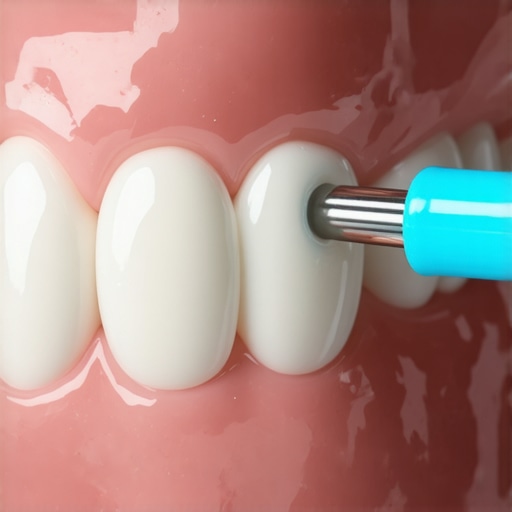
The C-Shape Secret for a Deep Clean
Once the floss is finally underneath the pontic, don’t just saw it back and forth. That’s a rookie move that leads to irritation and those dreaded red spots. Instead, wrap the floss around one of the anchor teeth in a ‘C’ shape. Slide it up and down against the side of the natural tooth, reaching just slightly below the gum line. Then, do the same for the other anchor tooth. The ‘pontic’—the fake tooth in the middle—needs its own special attention. Lightly ‘buff’ the underside of that fake tooth to grab the sticky biofilm that loves to hide in the shadows. If you’re struggling with sensitivity during this process, you might want to look into modern teeth cleaning innovations like specialized sponges or woven floss that expands when wet to fill the space more effectively without scraping the tissue.
Switch to High-Tech Water Power
If the string feels like a medieval torture device, it’s time to go high-tech. A water flosser is a total game-changer for anyone with a bridge. Set it to a medium pressure and aim the tip at a 90-degree angle right at the gum line where the bridge sits. It flushes out the debris that even the best string might miss, and it’s a vital part of maintaining your teeth cleaning routine for long-term health. I switched to this after a particularly embarrassing incident at a steakhouse where I spent twenty minutes in the bathroom trying to dislodge a piece of ribeye with a folded business card. Not only was that gross, but it’s actually a hidden danger of using makeshift tools that can scratch your porcelain or lacerate your gums.
Tiny Brushes for Big Gaps
Lastly, don’t sleep on interdental brushes. These look like tiny pipe cleaners and come in various sizes. They are perfect for those larger gaps that a bridge often creates between the fake tooth and the neighboring teeth. You just push them through, pull them out, and rinse. They provide the mechanical scrubbing power that water or string just can’t match. They are arguably the most effective way to clean under a fixed bridge without a threader because they are self-supporting and don’t require the ‘needle-threading’ coordination that drives most people crazy at 11 PM.Now that we’ve covered the mechanics, let’s dig deeper into the stuff your dentist might not have time to explain during a twenty-minute checkup. A common belief I see everywhere is that because a bridge is made of high-tech porcelain or metal, it’s basically invincible. People think they need to scrub it with the same intensity they’d use on a stained grout line in their shower. But here is the contrarian truth: aggressive cleaning is often the very thing that leads to bridge failure. Most people believe more pressure equals more cleanliness, but in my experience, finesse works significantly better than force. If you’re scrubbing until your gums are raw, you’re actually creating microscopic pockets where bacteria can colonize even faster.
Stop Scrubbing Your Gums into Oblivion
I fell into the trap of thinking I needed the ‘grittiest’ toothpaste to keep my bridge looking like a Hollywood smile. This is a massive ‘oops’ factor that almost cost me my restoration. Whitening toothpastes are often loaded with silica and other abrasives designed to polish natural enamel. However, porcelain doesn’t react to whitening agents, and those tiny abrasive particles can actually scratch the protective glaze on your bridge. Once that glaze is compromised, it becomes a magnet for the very stains you’re trying to avoid. This is one of the most persistent teeth cleaning myths debunked by top dentists: you cannot whiten a bridge, you can only protect its original luster. Use a non-abrasive gel instead. 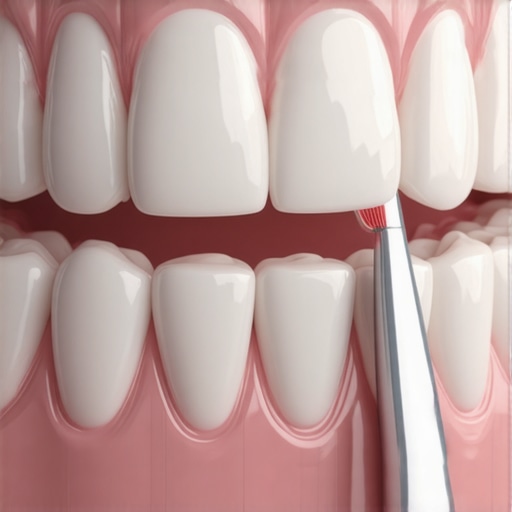
Is the ‘Squeaky Clean’ Feeling Actually a Warning Sign?
Advanced patients often ask if that friction-filled ‘squeak’ after brushing is the goal. According to a study published in the Journal of Oral Rehabilitation, over-cleaning with abrasive tools can lead to ‘porcelain glaze degradation,’ which significantly increases the rate of bacterial adhesion. You want your bridge to feel smooth, not ‘grippy.’ If it feels rough, you might have already scratched the surface. This is where modern teeth cleaning innovations like sonic toothbrushes come in; they use vibration rather than manual friction to dislodge biofilm.
The Biofilm Trap You’re Probably Ignoring
The real danger isn’t the food you can see; it’s the invisible biofilm that hardens into tartar. Even if you are diligent, the hidden reason your dental bridge traps food and bacteria is often related to the ‘washout’ effect. When you use a water flosser, don’t just aim at the gap. Aim at the junction where the porcelain meets your natural gum tissue. If you ignore this transition zone, you risk ‘recurrent decay’—cavities forming on the healthy teeth holding your bridge up. Maintaining your teeth cleaning routine for long-term health requires you to be an architect of your own mouth, checking every corner for structural integrity. Have you ever fallen into the trap of scrubbing too hard only to find your gums receding? Let me know in the comments.
The Gear That Actually Earns Its Spot in My Cabinet
I’ve wasted hundreds of dollars on gimmicky ‘as seen on TV’ whitening pens and charcoal pastes that did nothing but make my sink a mess. If you want to stop the cycle of decay and keep your investment secure, you need to think like a dentist. For me, the holy trinity of maintenance is a high-end sonic toothbrush, a countertop water flosser, and a dedicated tongue scraper. I personally use a sonic brush because it does the work for me—most models today oscillate at 30,000 plus strokes per minute, which is physically impossible to replicate by hand. This isn’t just about convenience; it’s about fluid dynamics. According to a meta-analysis published in the Cochrane Database of Systematic Reviews, powered toothbrushes—specifically those with an oscillating-rotating motion—reduce plaque by 11% and gingivitis by 6% more than manual brushing after just one month. When you are maintaining your teeth cleaning routine for long-term health, those small percentages add up to fewer fillings and cheaper checkups. 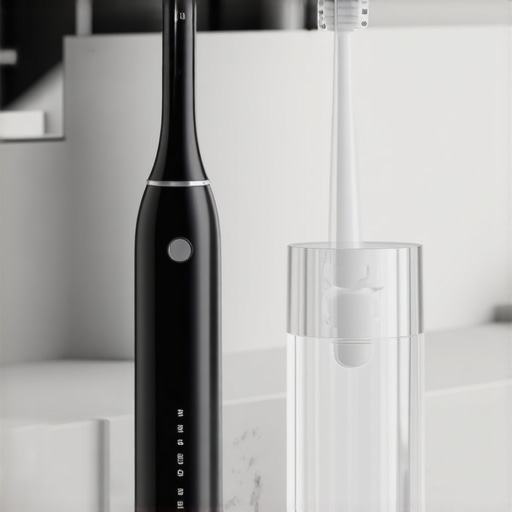
Why High-Frequency Vibration Beats Manual Scrubbing
The reason I swear by the sonic method, especially for those with cosmetic work, is the ‘non-contact’ cleaning effect. The vibrations create pressure waves in your saliva that can actually disrupt bacteria even a millimeter or two beyond where the bristles touch. This is huge for cleaning those tight spots where a bridge meets the gum. If you’re currently using Invisalign for adults, you know that keeping the trays clear is half the battle. I recommend using an ultrasonic cleaner—a little pod that uses sound waves to vibrated debris off your aligners—rather than scrubbing them with a brush. It prevents those micro-scratches that make your trays look cloudy and ‘dirty’ mid-week. Following these Invisalign maintenance expert tips will keep your smile clear and your breath fresh while the aligners do their work.
How can I keep my restoration looking brand new for years?
The secret to longevity isn’t a secret at all: it’s consistency and the right chemistry. Beyond the mechanical tools, I’ve switched to a pH-neutral mouthwash. Many over-the-counter rinses are surprisingly acidic, which can etch the surface of natural teeth and certain cosmetic materials over time. If you want to see modern teeth cleaning innovations in action, look for products containing nano-hydroxyapatite. This stuff literally ‘plugs’ the microscopic holes in your enamel, reducing sensitivity and giving your teeth a smoother, more reflective surface. It’s the closest thing to ‘regrowing’ enamel we have right now, and it’s a game-changer for anyone who has dealt with thinning teeth or post-whitening zingers.
Your Mouth is About to Get a Lot Smarter
Looking ahead, I predict we are moving away from ‘blind’ cleaning and toward data-driven hygiene. We are already seeing toothbrushes with built-in sensors that map your mouth in an app, showing you exactly where you missed a spot. In the next few years, I expect smart aligners to become the norm—trays that can detect changes in your oral microbiome or track exactly how many hours they’ve been worn. This is why Invisalign is the future; the technology is shifting from simple tooth movement to holistic health monitoring. Don’t just settle for ‘good enough’—try the 90-degree flush with a water flosser tonight. Aim it directly at the gumline under your bridge or between your teeth, and you’ll be shocked at what your ‘perfect’ brushing routine left behind.
Lessons I Learned the Hard Way About Living with Porcelain
After years of trial and error, I realized that a dental bridge is less like a ‘set it and forget it’ fix and more like a high-maintenance commitment to your oral health. First, the smell is your best early warning system; if you catch a whiff of anything sour, it usually means bacteria have started a party in a spot you’re missing. Second, the gums around your bridge are far more prone to inflammation than the rest of your mouth, meaning your teeth cleaning secrets must prioritize the junction between the fake tooth and the real gum tissue. Finally, I learned that choosing the right dentist makes all the difference, as a well-fitted bridge is infinitely easier to keep clean than one with unnecessary overhangs or tight spots.
The Gear That Keeps My Smile Looking Expensive
I don’t believe in buying every gadget on the shelf, but a few specific tools have become non-negotiable for maintaining my investment. I always keep a pack of Super Floss—the kind with the pre-cut stiff ends—in my travel bag because you never know when a stray poppy seed will strike at a business dinner. I also swear by modern teeth cleaning innovations like pH-neutral oral rinses that kill bacteria without eroding the glaze on your porcelain. If you’re looking for more ways to keep your entire mouth looking its best, the ultimate guide to teeth whitening and cosmetic enhancements offers great perspective on how to blend your natural teeth with your restorations. These tools aren’t just for vanity; they are insurance against a multi-thousand-dollar replacement.
Protect the Investment You Made in Your Confidence
Your bridge gave you back your smile, and it deserves a few extra minutes of your time each night to stay functional. It’s easy to get frustrated with the technical side of care, but remember why you got it in the first place—to eat, speak, and laugh without a second thought. Even on your busiest nights, there are ways to clean under a fixed bridge without a threader, such as using a water flosser or specialized interdental brushes. This isn’t just about hygiene; it’s about protecting your future self from more time in the dentist’s chair and ensuring your bridge lasts for decades. Have you ever struggled with getting that tiny piece of floss exactly where it needs to go under your bridge? Let me know below.